Specifications
- Brand
- Laruus
- Style
- Modern
- Material
- Porcelain
- Suitable spaces
- Kitchen, Cafe, Commercial
- Color
- WhiteBlue
- File types
- 3D's MaxCorona Rendererfbxmtl3dsMapjpegobj
Blue Floral Porcelain Tea Set 3D Model 3D's Max Corona Renderer
Description
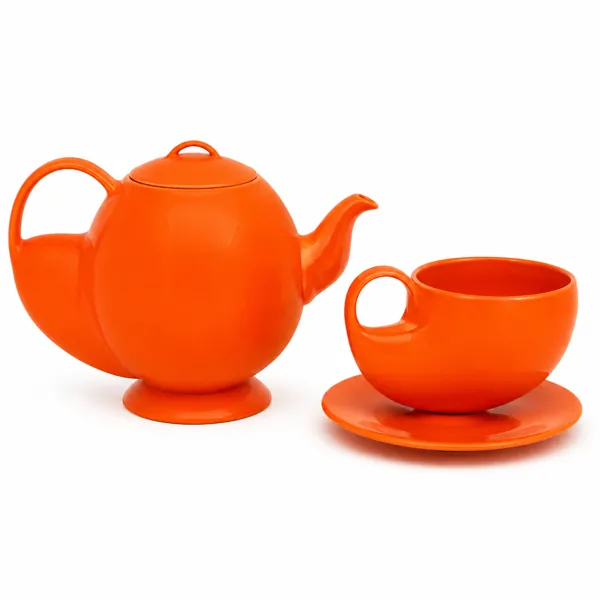
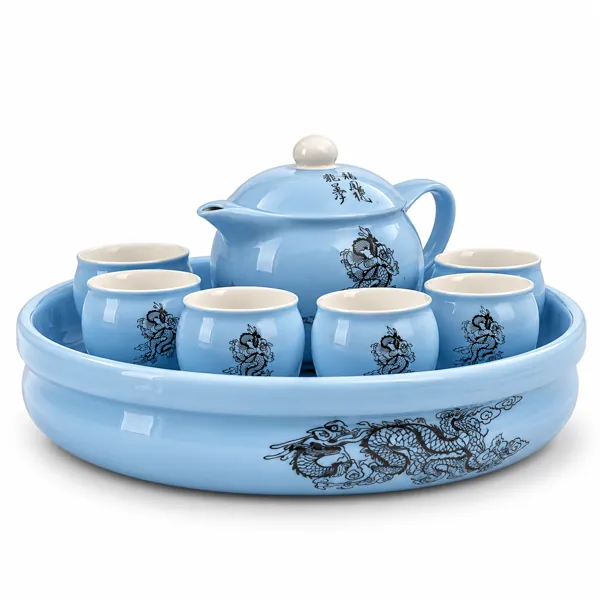
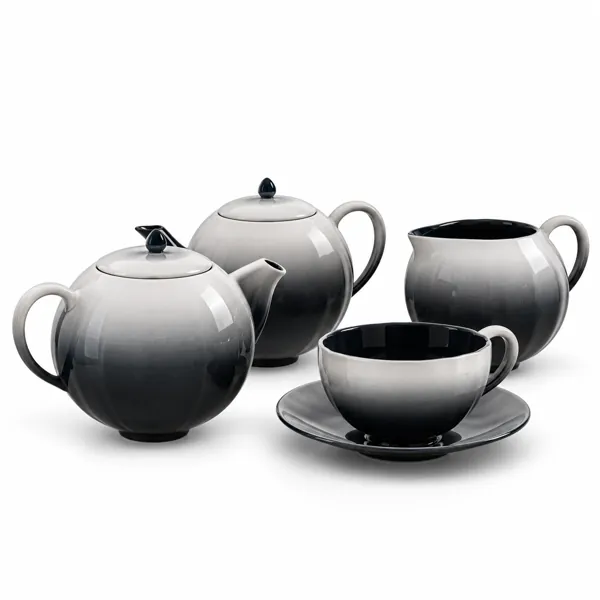
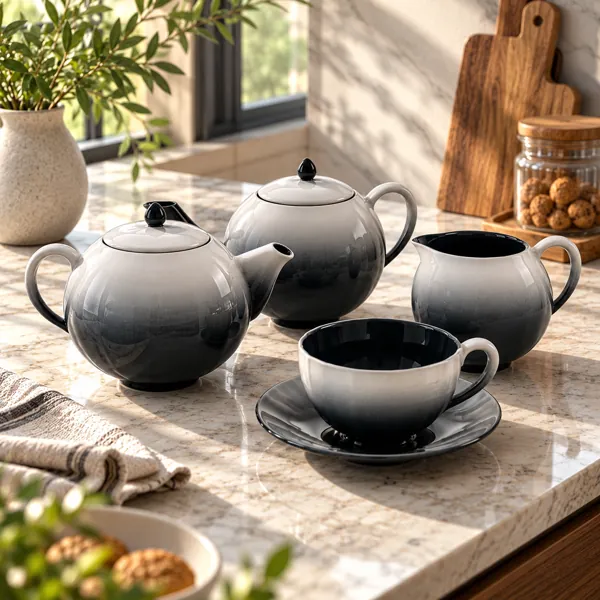
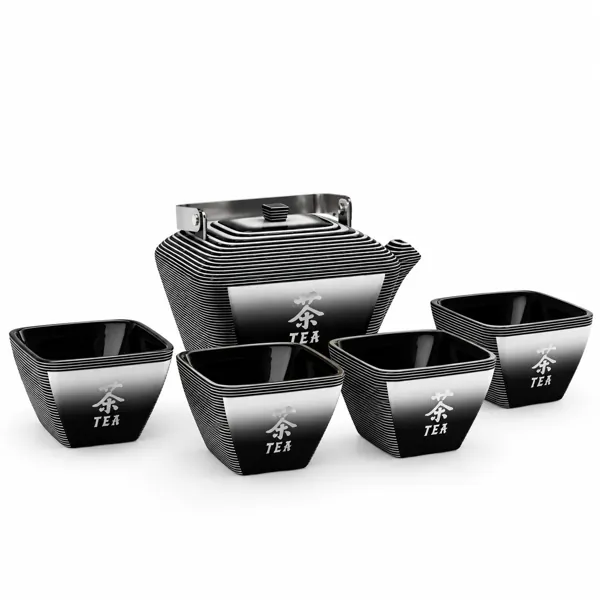
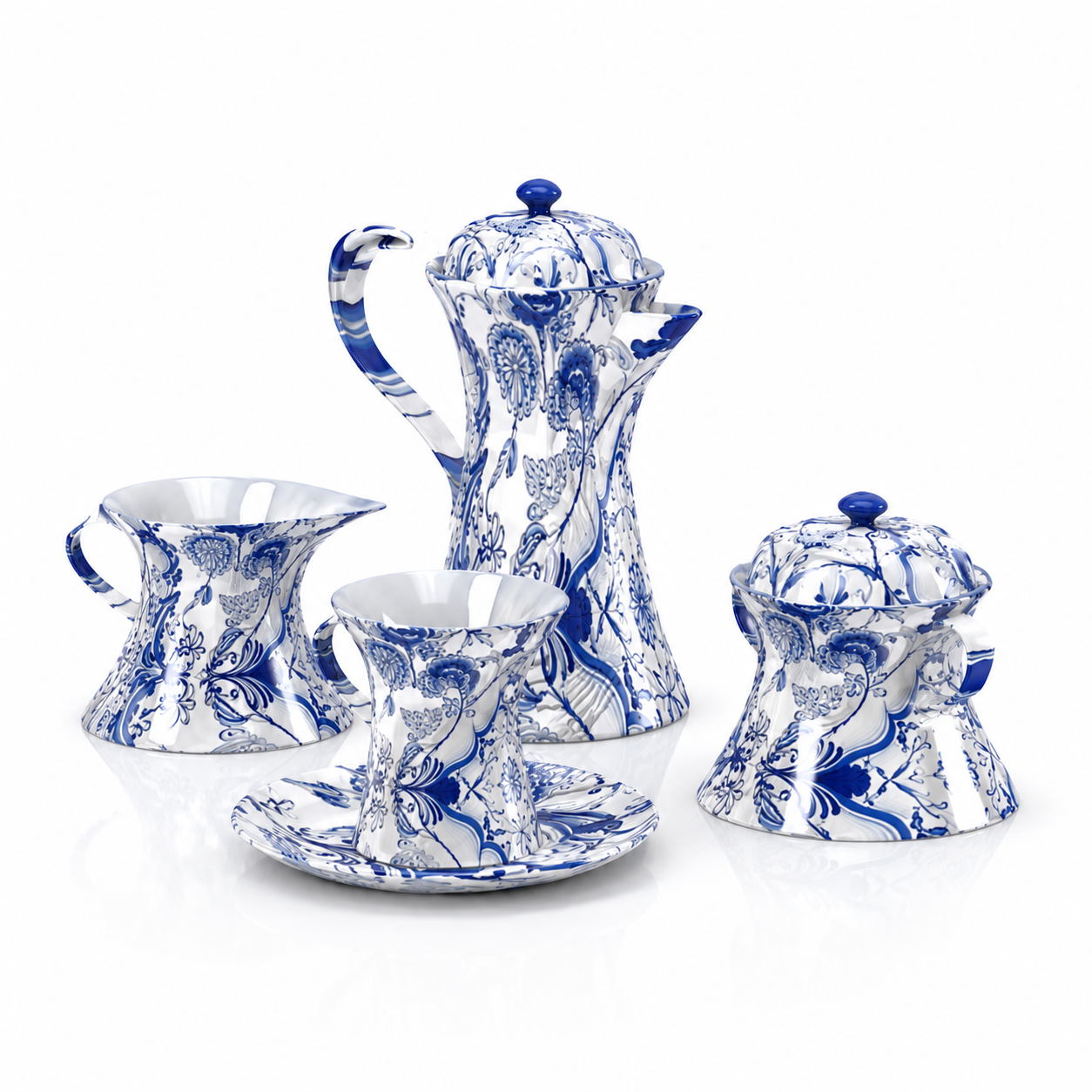
This blue floral porcelain tea set with a white glazed finish combines decorative tableware forms with an expressive blue-and-white surface pattern. The visible collection includes a tall lidded teapot, two handled drinking vessels, a saucer and a smaller lidded vessel, creating a coordinated group for tea service and tabletop styling. Deep blue floral, botanical and flowing ornamental motifs extend across the bright white surfaces, giving every piece a visually connected identity. The curved silhouettes and glossy appearance contrast with the detailed patterning, making the set suitable for kitchen, dining, cafe and decorative interior visualization where distinctive tableware is needed.
Porcelain is the primary material specified for the set, and the visible surfaces have a smooth, reflective glazed appearance. The tall teapot forms the central element, with a narrow waist, flared upper body, curved handle, projecting spout and fitted decorative lid topped by a blue knob. The two open vessels use similarly curved profiles with flared rims and integrated handles, while one is presented on a matching patterned saucer. The smaller covered vessel repeats the hourglass-like body shape and includes a domed lid with a blue top handle. Across the collection, the proportions vary while the white ground and cobalt-like blue decoration visually unify the pieces.
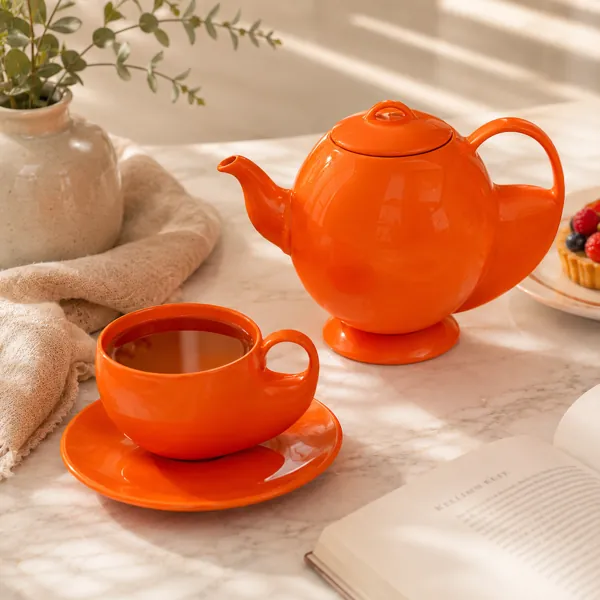
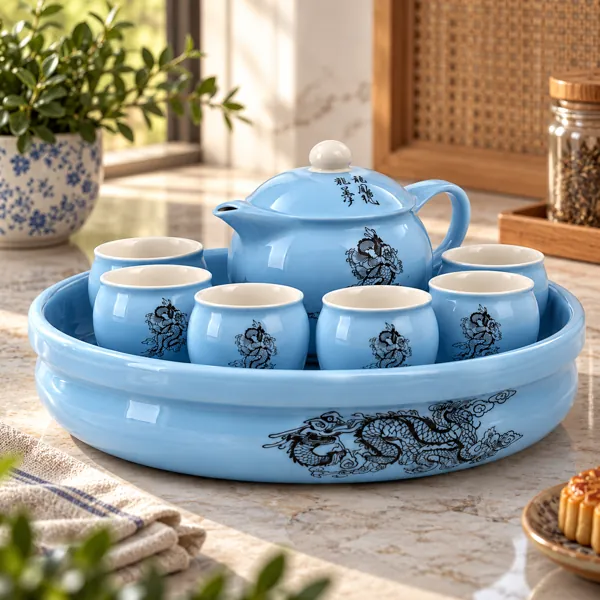
As tableware, this porcelain tea set can be used in Kitchen, Cafe and Commercial environments as a functional-looking serving arrangement or decorative tabletop feature. It can be placed on dining tables, kitchen islands, breakfast surfaces, cafe counters, shelving or display furniture. The blue and white palette works particularly well with neutral interiors, light wood, stone countertops, white cabinetry and other ceramic accessories. Because the set includes several coordinated objects rather than a single vessel, it can help create a more complete tea-service composition and add recognizable domestic detail to hospitality and residential-style scenes.
For architectural visualization and CGI workflows, the porcelain tea set 3D model provides a detailed collection of tabletop objects for close, medium and wider interior compositions. It can support kitchen renders, dining scenes, cafe visualizations, hospitality presentations, product arrangements and still-life compositions. The strong blue floral pattern provides visible detail even when the pieces are grouped together, while the reflective white surfaces can respond clearly to soft interior lighting and environmental reflections. The varied heights of the teapot, cups and covered vessel also help establish a layered composition instead of a repetitive row of similarly sized objects.
Within an interior design context, blue and white porcelain can function as a decorative accent against both understated and more expressive material palettes. The tall central teapot introduces vertical emphasis, while the lower cups, saucer and covered vessel spread the composition horizontally across a tabletop. Curved handles, flared rims and rounded lids soften the visual character of the set, while the intricate floral ornament introduces finer-scale detail. This balance makes the collection useful for styled kitchen counters, dining arrangements, cafe displays, open shelving and other areas where tableware contributes to the overall interior narrative.
The model is intended for 3D's Max and Corona Renderer workflows. The supplied product information identifies Porcelain as the primary material, while the image clearly shows white and blue coloration with a glossy glazed appearance. No downloadable file extensions, physical dimensions, polygon count, topology, UV layout, texture resolution or individual object separation details are provided. Those technical properties are therefore not assumed, allowing the description to remain limited to confirmed product data and characteristics that can be directly observed from the supplied image.
Frequently asked questions
Is this 3D model free?
Yes. You can download it with a free Laruus account.
Which software can I use this 3D model in?
It is prepared for 3ds Max with Corona Renderer. Via FBX and OBJ, it can be opened in Blender, Cinema 4D and Maya. Via 3DS, it can be imported into SketchUp. Corona Renderer materials need to be set up again in other programs.
What do I get when I download it?
A 7.0 MB download with 3ds Max (Corona Renderer), FBX, OBJ + MTL, and 3DS files. Texture images are included. It was added to Laruus on June 4, 2026.
Which spaces is it suitable for?
It suits Kitchen, Cafe, and Commercial projects. Style: Modern.
Can I preview it in 3D before downloading?
Yes. Use the 360 View button on the product images to rotate the model in your browser.