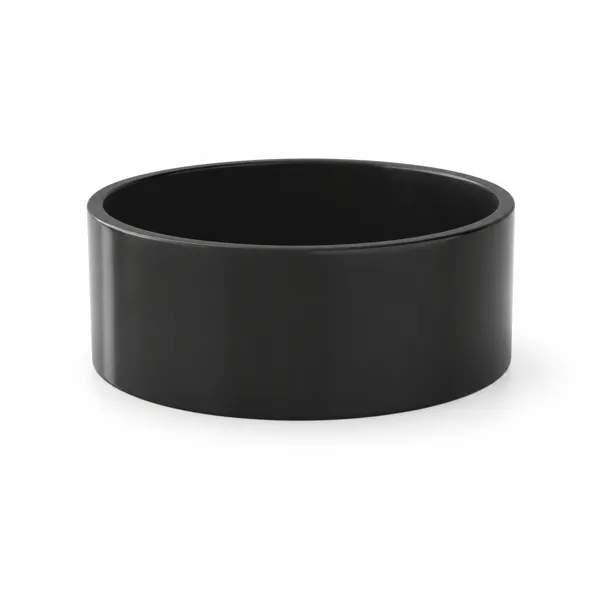
Staging a Bathroom Render Around the Bathtub
A bathroom render is usually small in floor area and dense in detail, and most of its problems come from treating it like a larger room with fewer objects in it. The bathtub sets the layout, the surf…
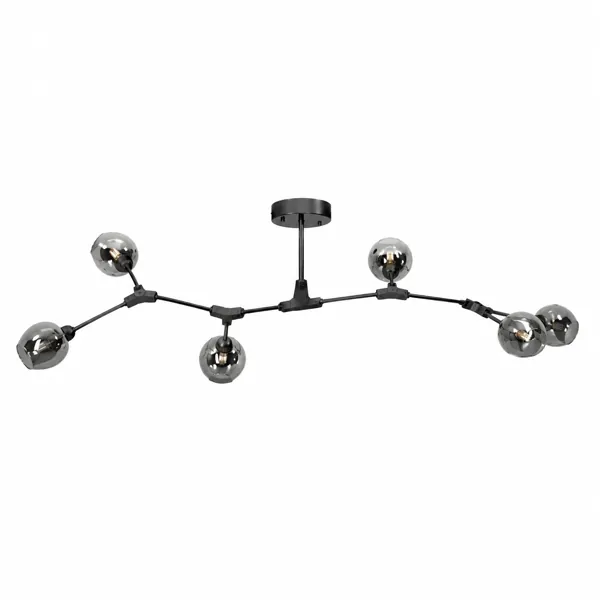
Ceiling Lights: The Fixture Is Not the Light
A chandelier or pendant plays two roles in a render, and they are easy to confuse. It is an object, with a silhouette, a finish and a scale that has to suit the room. It is also, as far as the viewer…
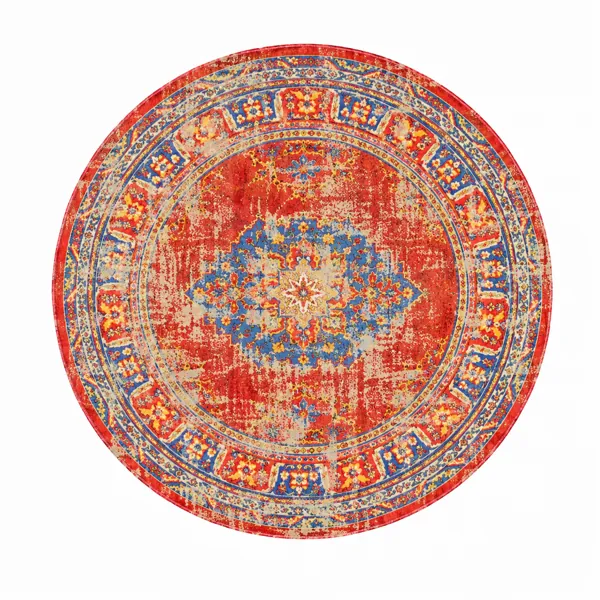
Carpets and Rugs: Why Soft Floors Look Flat in Renders
Soft floors are where many otherwise careful interiors go flat. Timber, stone and tile all have a hard surface that reflects light in a way the eye expects, but carpet and rugs do the opposite: they…
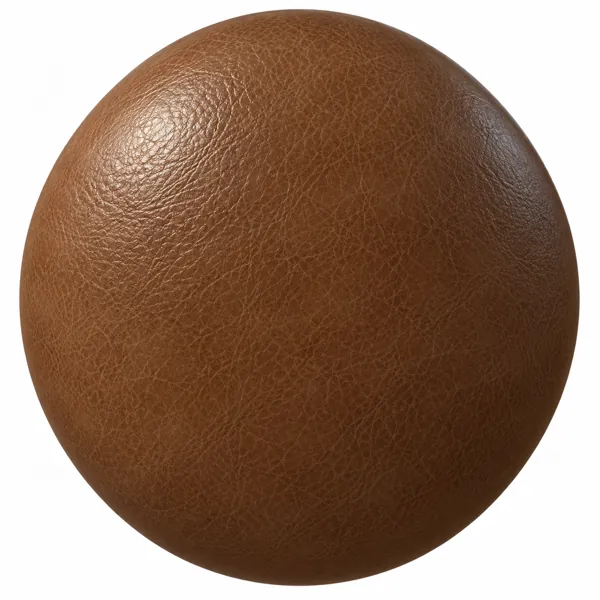
Leather in Renders: Grain, Sheen and Where It Wears
Leather is one of the easiest materials to recognise and one of the easiest to get subtly wrong. A leather texture that looks convincing on a flat swatch can turn an armchair into something closer to…
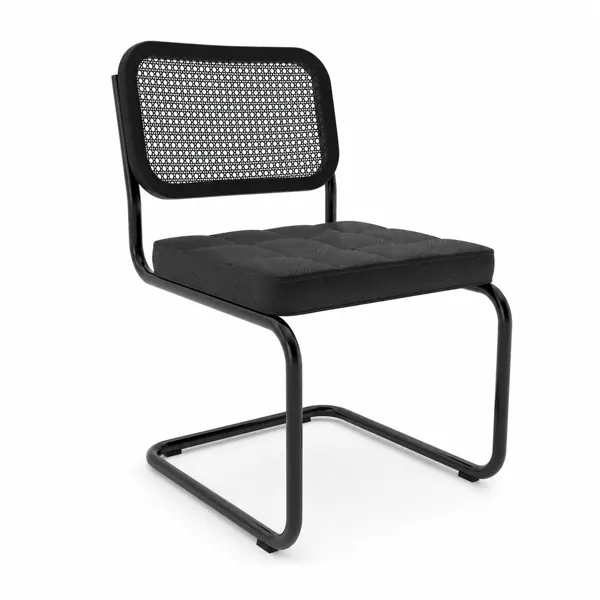
Repeating Chairs Without Making the Room Look Cloned
Dining chairs, café seating and waiting-area furniture are almost never placed once. They appear in fours, sixes, twelves, and the moment they repeat, a problem appears that does not exist for any si…
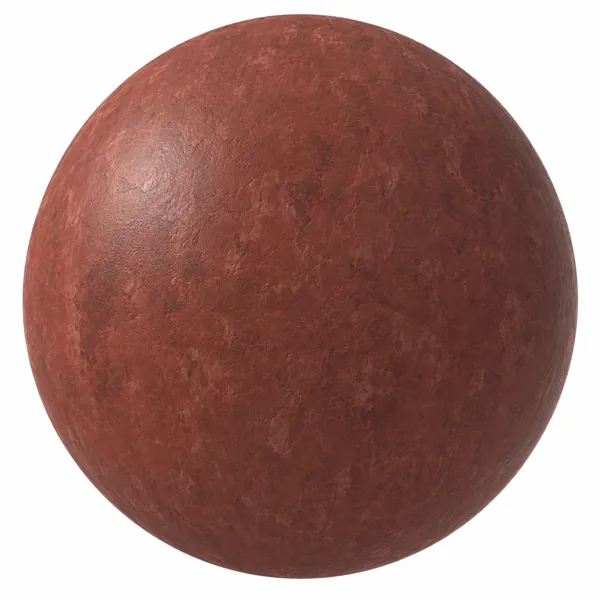
Plaster Walls Need Raking Light to Exist
Plaster is the surface most often blamed on the texture when the real problem is the lighting. A troweled plaster wall is defined almost entirely by relief. The trowel leaves shallow ridges and swirl…
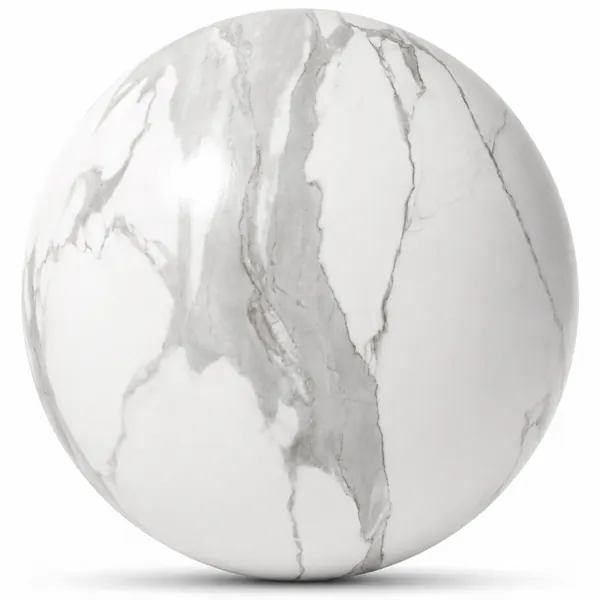
Tile Scale and Grout: What Makes Ceramic Read as Ceramic
A ceramic surface in a render usually fails for one of two reasons, and neither of them is the texture itself. The tile is the wrong size, or there are no joints at all. Tile size is a physical measu…
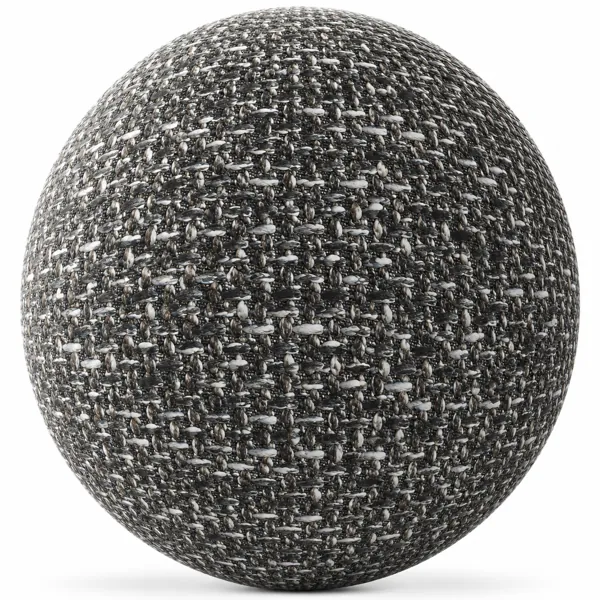
Fabric and Upholstery: Matching Textures to Furniture Models
Upholstery is usually where an otherwise good interior render gives itself away. The sofa is modelled correctly, the proportions are right, the lighting is fine, and the fabric still reads as painted…
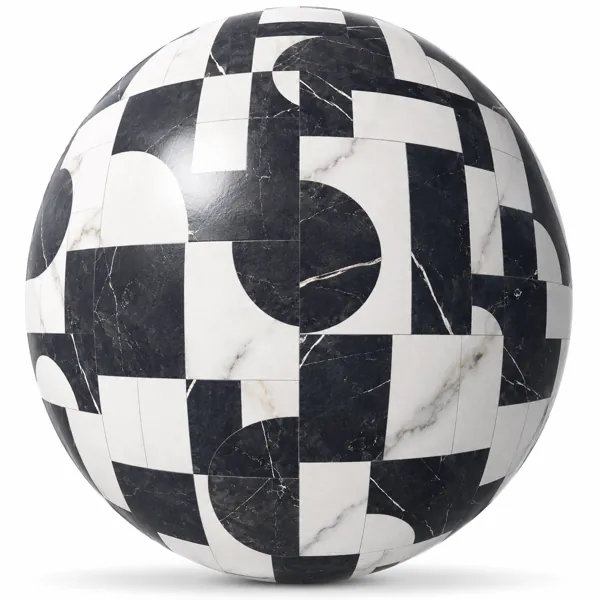
Texture Scale and Tiling: Why Your Surfaces Look Repeated
When a material looks wrong, most people reach for a better texture. Usually the texture was fine and the size was wrong. Scale and tiling cause more unconvincing surfaces in architectural renders th…
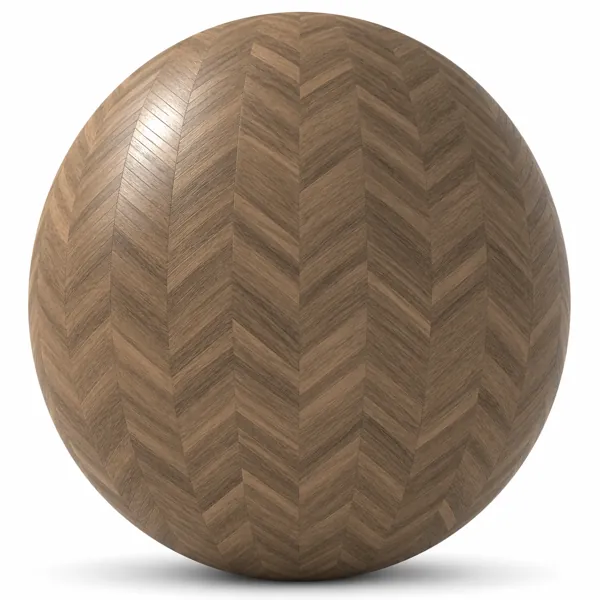
Parquet Patterns Explained: Herringbone, Chevron and Plank
Wood flooring covers more of an interior render than almost any other surface, and the pattern you lay it in does more work than the species you choose. A mediocre oak in the right pattern at the rig…
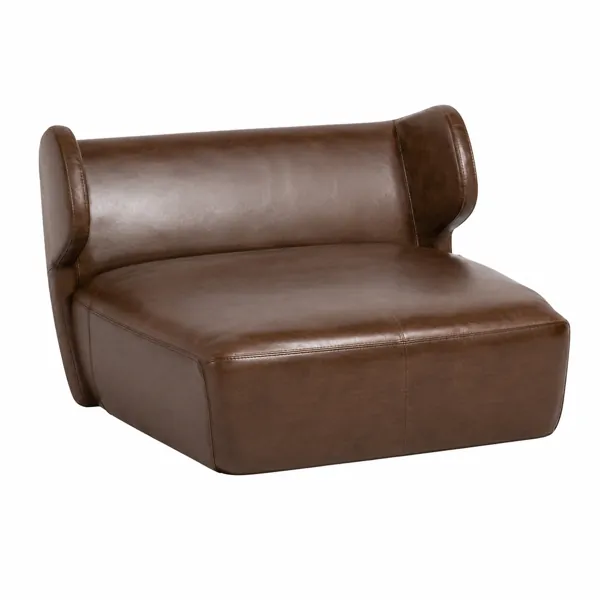
What's Inside a Laruus Model Archive
Before you spend credits on a model, it helps to know exactly what lands on your disk. Here is what a Laruus model archive contains and why it is packaged the way it is. The source scene Every model…
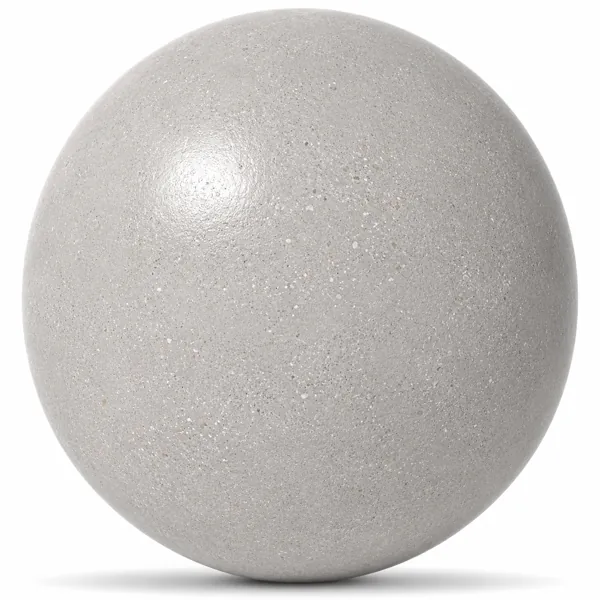
PBR Texture Maps Explained: What Each Map Actually Does
Open a texture set and you get a folder of images with names like albedo, normal, roughness and AO. Most guides explain what they are called. This one explains what happens in your render when you ge…
