
Texture Scale and Tiling: Why Your Surfaces Look Repeated
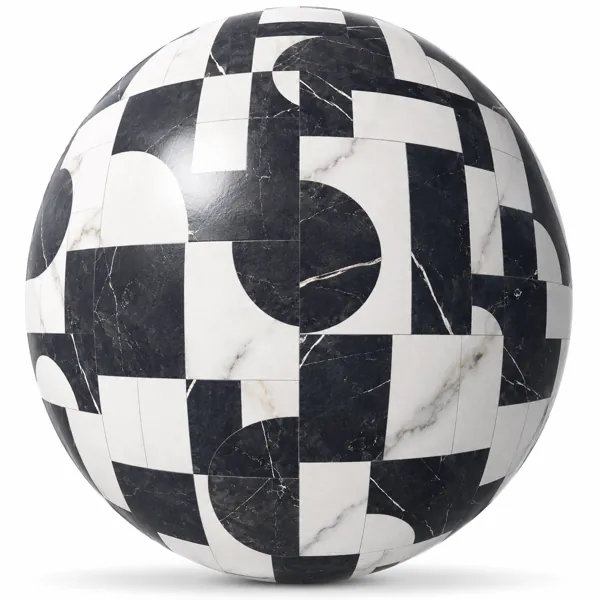
When a material looks wrong, most people reach for a better texture. Usually the texture was fine and the size was wrong. Scale and tiling cause more unconvincing surfaces in architectural renders than map quality ever does.
Start from the real dimension, not from the viewport
Every surface you are texturing has a real size. A ceramic tile is 600 millimetres. A brick is 215. A floorboard is 150. Set the texture so those features come out at that size in the scene, and then look at it. If it still looks too large or too small, the problem is your camera or your room, not the texture. Judging scale by eye works right up until you put two differently-guessed materials next to each other, and then nothing agrees.
The eye counts repeats, and it is very good at it
Tiling fails when there is something to count. A knot in the wood, a dark patch in the concrete, a chipped corner on a tile — the eye finds it, finds it again two metres away, and the surface collapses into a grid. This is why the most useful thing you can do when choosing a source texture is to look for distinctive features and avoid them. A slightly boring texture tiles invisibly. A characterful one announces itself.
Break the pattern where it is cheapest
There are three cheap fixes, roughly in order of effect. Randomise rotation and offset per tile where your renderer supports it. Blend two variations of the same material through a large, soft noise mask so the transition never resolves into an edge. And vary roughness rather than colour — reflections change as the camera moves, so a roughness break reads as genuine surface variation, while a colour break usually reads as a stain.
Grazing angles are where tiling gets caught
A floor seen from standing height compresses towards the horizon, stacking many repeats into a few pixels and making the rhythm obvious. The same floor seen from above looks fine. If your hero camera is low and looking down a long room, that is the shot that will expose the tiling, and it is worth checking early rather than discovering it at final render.
Mapping method matters as much as scale
Box mapping is fast and perfectly adequate for rough, non-directional surfaces such as plaster, concrete and most stone, where nobody can tell which way the pattern runs. It falls apart on anything with direction — wood grain, fabric weave, brushed metal — because the projection flips across the object and the grain changes axis mid-surface. Those materials want a real unwrap, or at least a planar projection aligned to the geometry.
Every Laruus texture set lists the maps it contains on the product page, so you can see what you have to work with before you start building the material.
138
Related assets from the catalogue
Ready-to-render models and seamless textures covering what this article discusses.
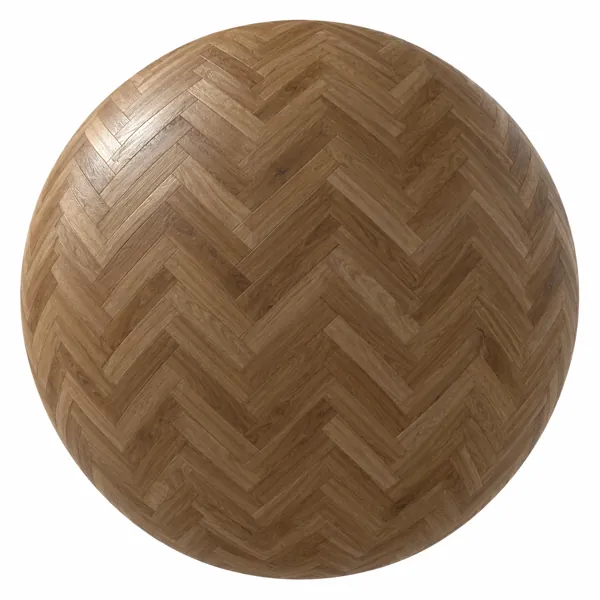
Warm Walnut Brown Herringbone Oak Parquet Texture
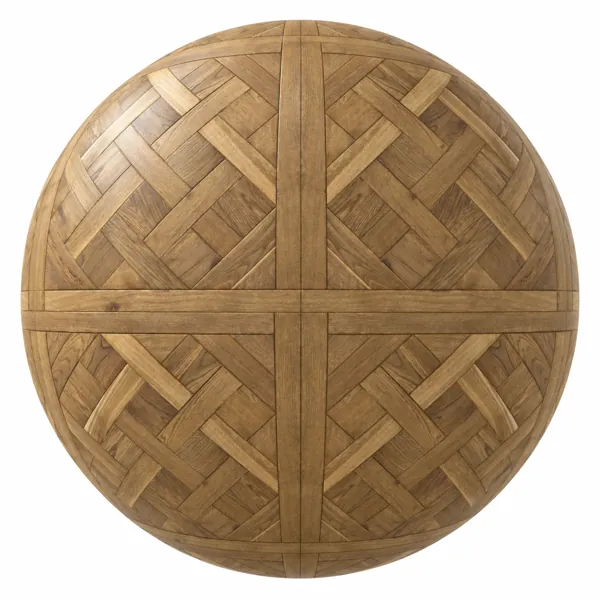
Warm Golden Basket Weave Oak Parquet Texture
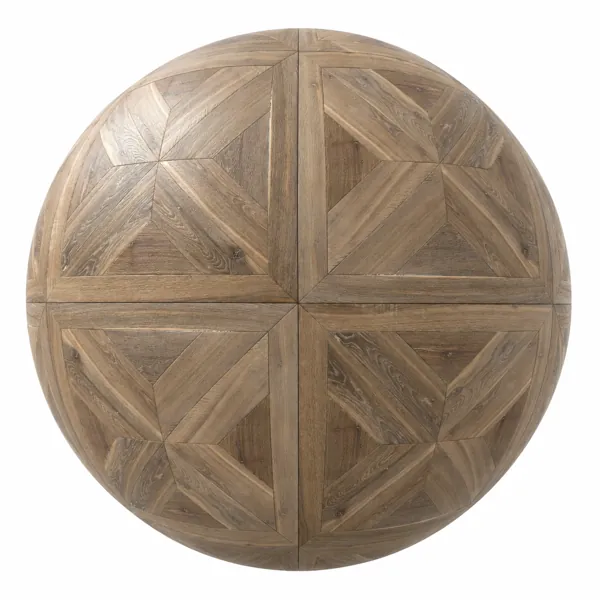
Weathered Geometric Oak Parquet Texture
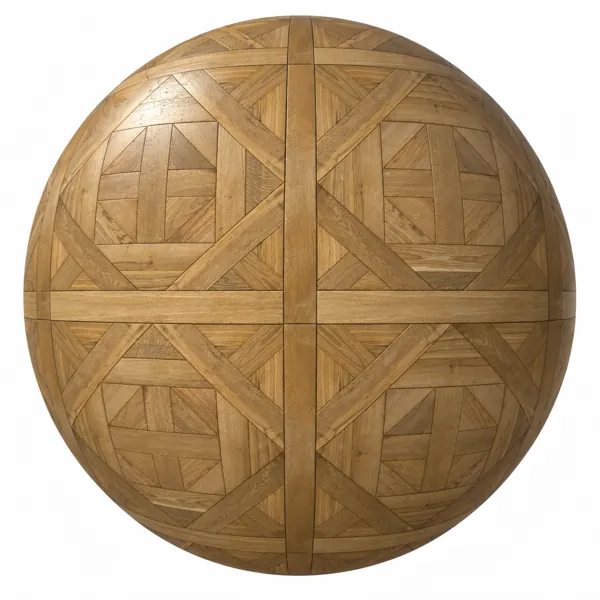
Golden Oak Geometric Panel Parquet Texture
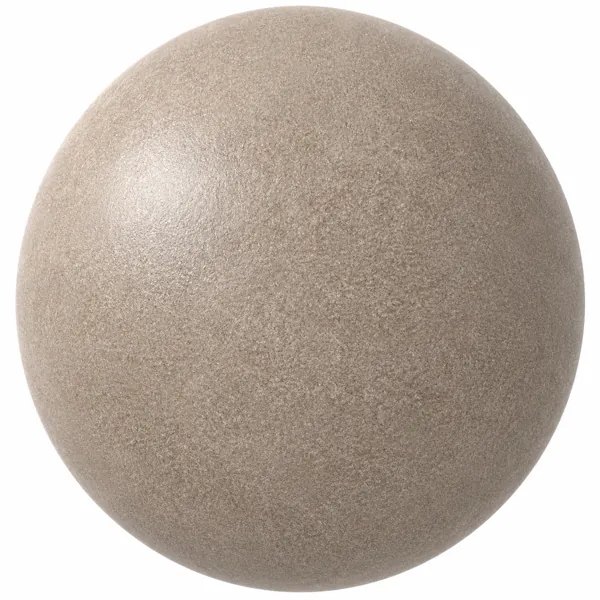
Warm Beige Fine Grain Mottled Concrete Texture
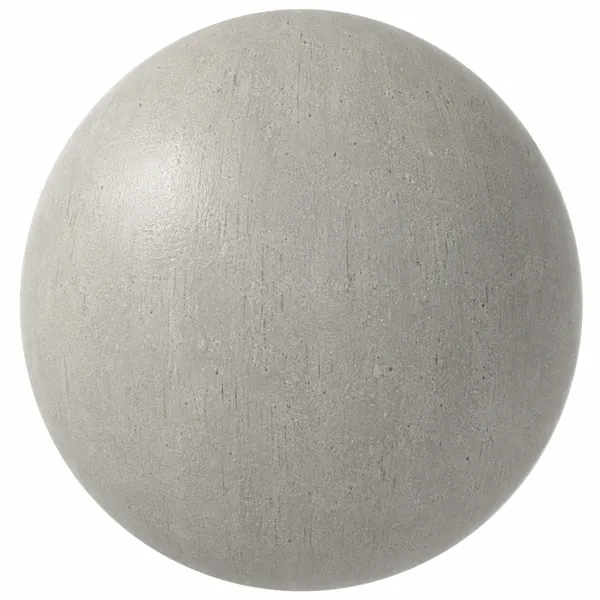
Warm Gray Vertical Grain Concrete Texture
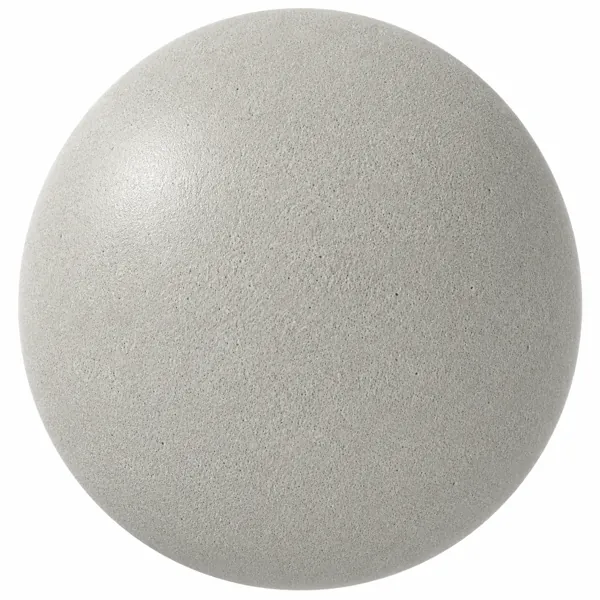
Pale Gray Fine Grain Concrete Texture
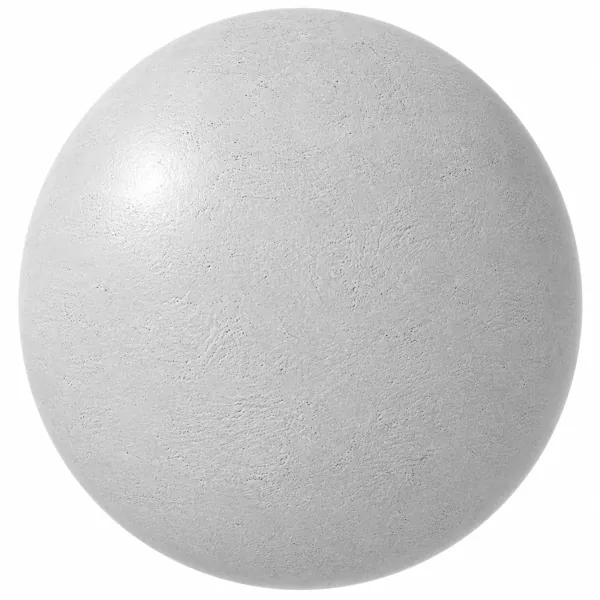
White Fine Pore Rough Concrete Texture