
Stone Textures
Free stone and masonry textures: hexagonal cut stone, beige limestone, rustic chiselled brick and rough reddish masonry walls. Each is supplied as a PBR set, so relief reads properly under raking light — which is the single biggest difference between a convincing stone wall and one that looks printed onto a flat plane.
62 texturesPBR mapsFree download
62 results
FreeNew
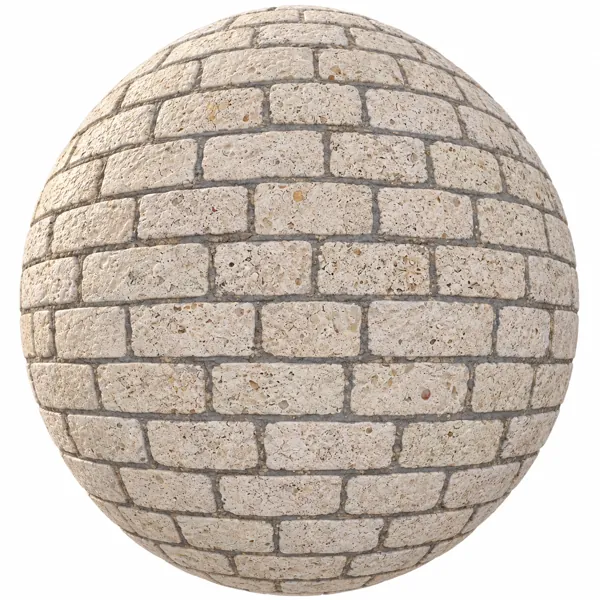
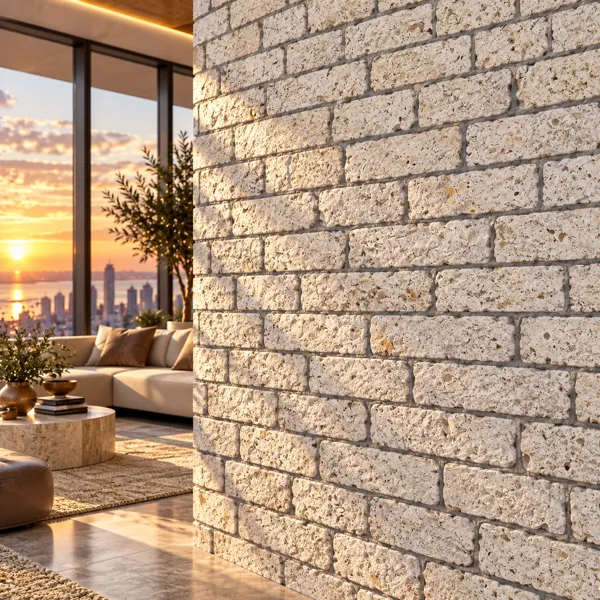
Warm Ivory Porous Rectangular Stone Brick Wall Texture
Laruus
Save
Wishlist
Free
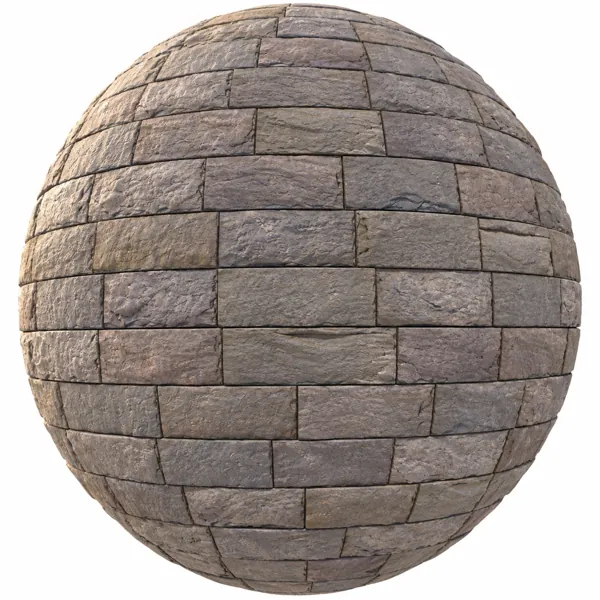
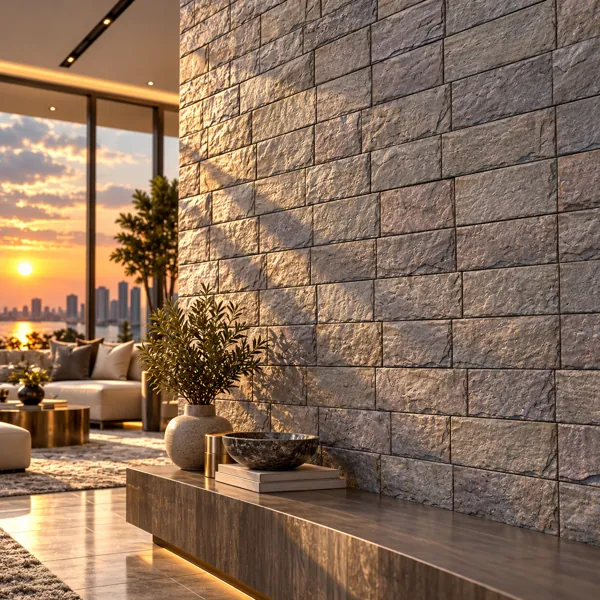
Muted Taupe Gray Rectangular Grid Stone Tile Texture
Laruus
Save
Wishlist
Free
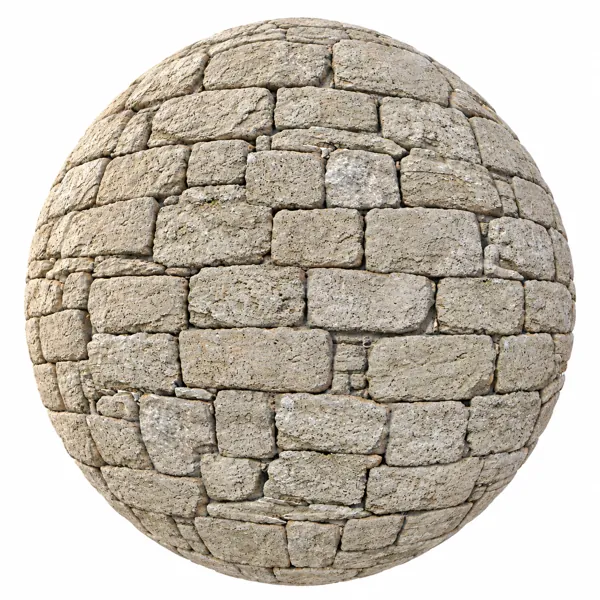
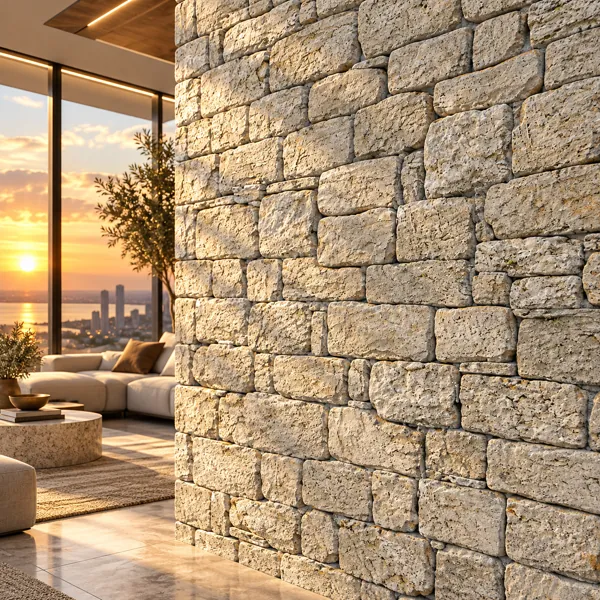
Weathered Pale Beige Rough Cut Stone Block Wall Texture
Laruus
Save
Wishlist
Free
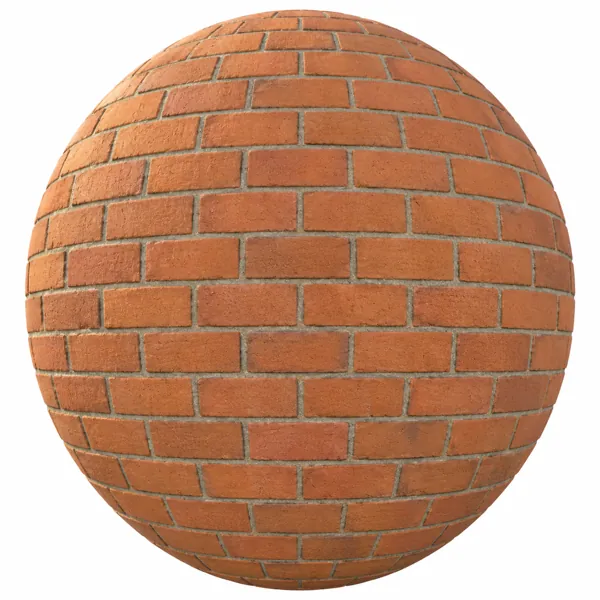
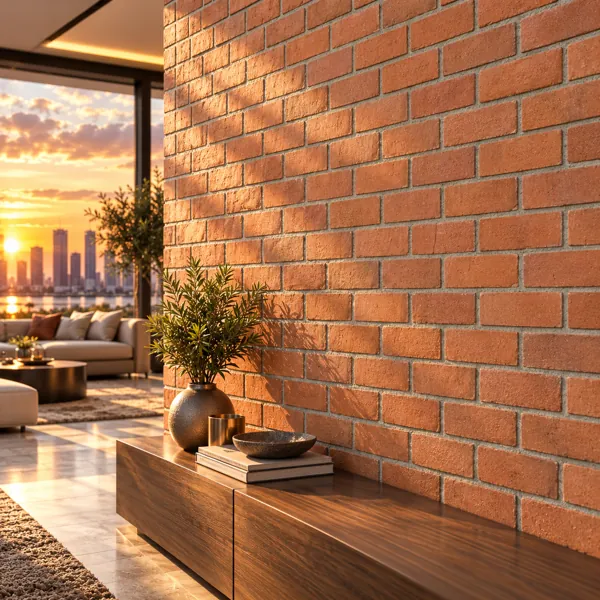
Warm Terracotta Orange Running Bond Stone Brick Texture
Laruus
Save
Wishlist
Free
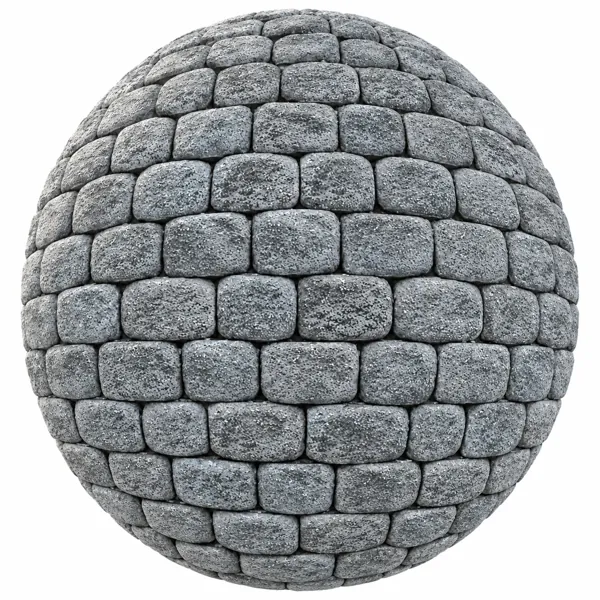
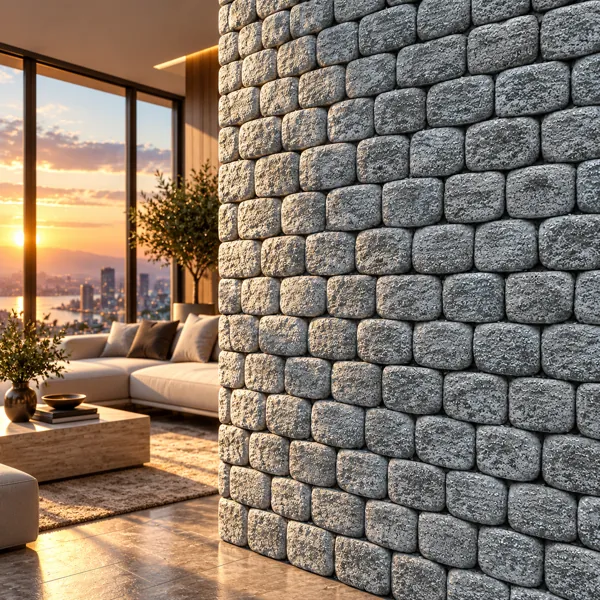
Cool Blue Gray Rounded Rough Stone Block Wall Texture
Laruus
Save
Wishlist
Free
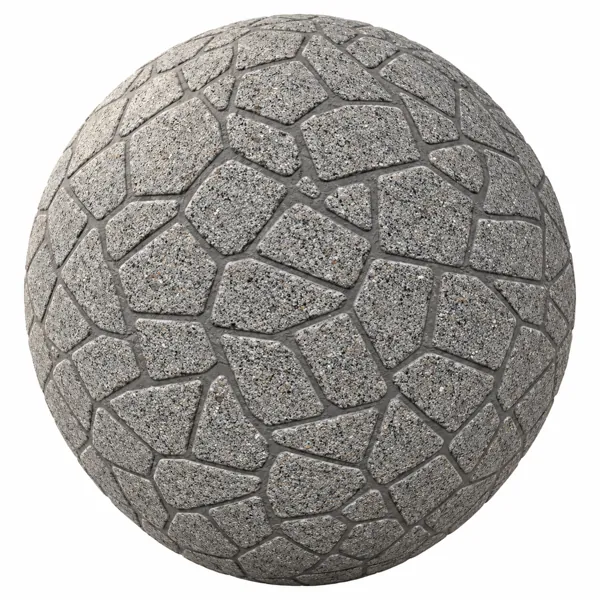
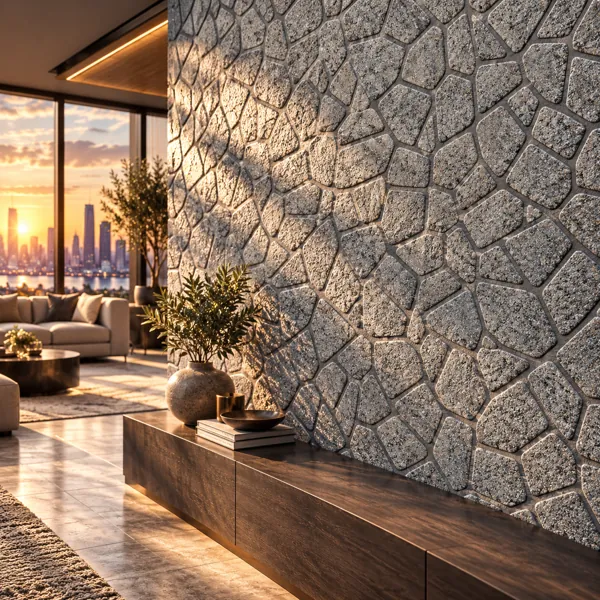
Cool Gray Irregular Mosaic Stone Paver Texture
Laruus
Save
Wishlist
Free
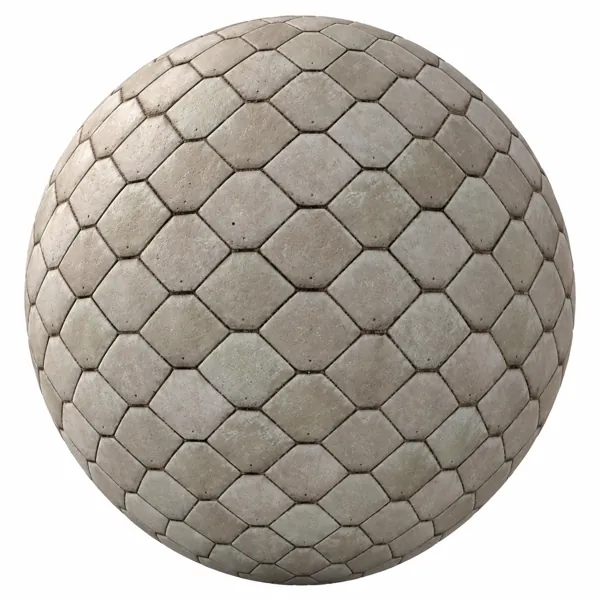
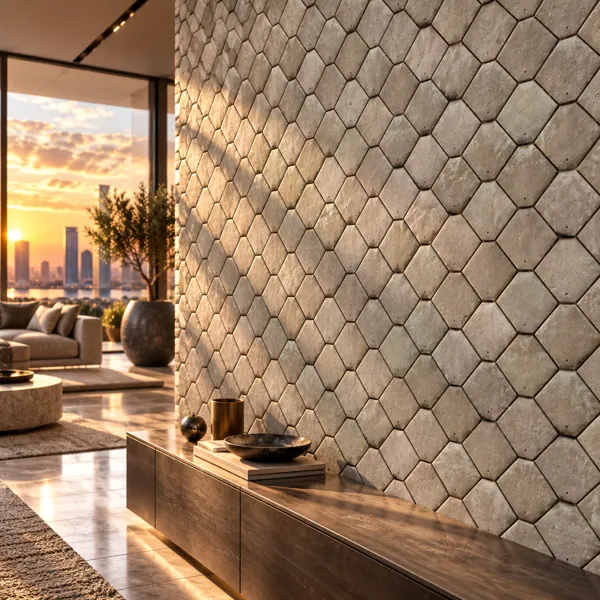
Warm Beige Diamond Grid Stone Paver Texture
Laruus
Save
Wishlist
Free
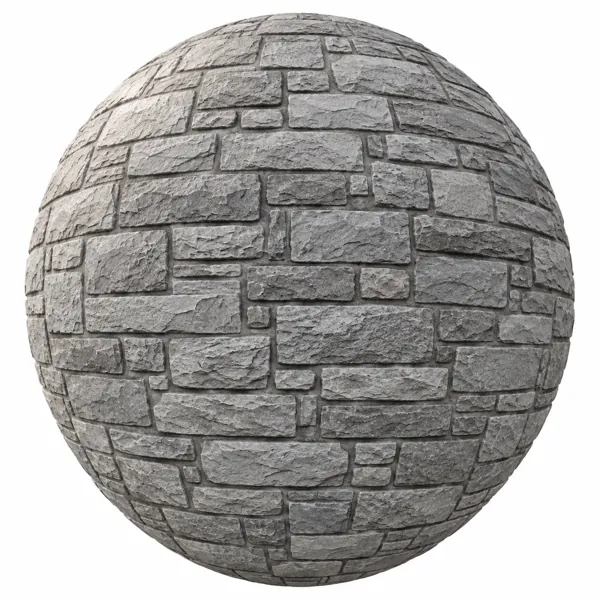
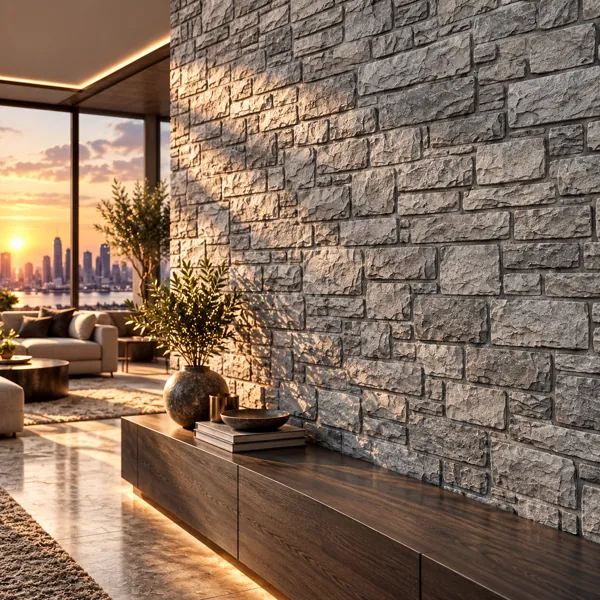
Ash Gray Rough Cut Stacked Stone Wall Texture
Laruus
Save
Wishlist
Free
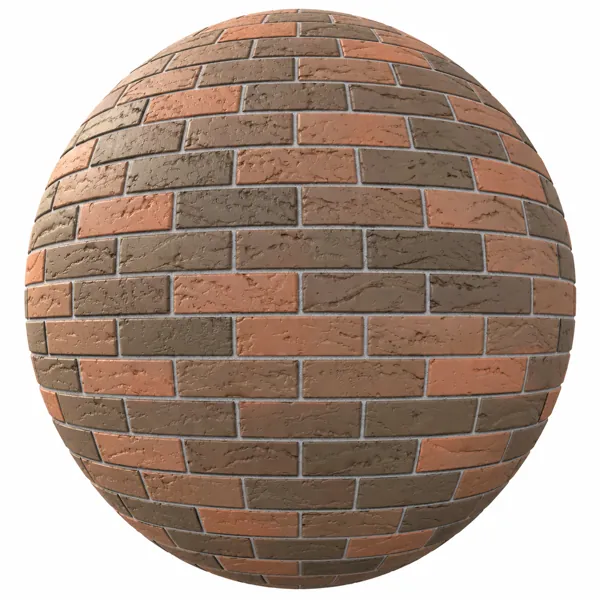
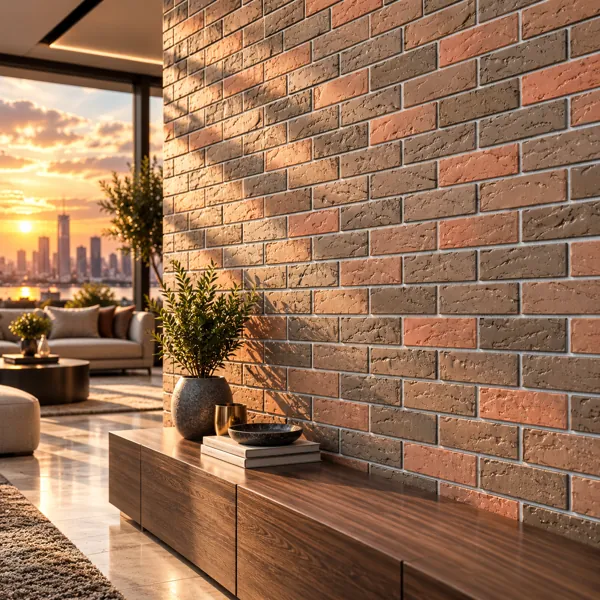
Warm Taupe Brown Rough Face Stone Brick Texture
Laruus
Save
Wishlist
Free
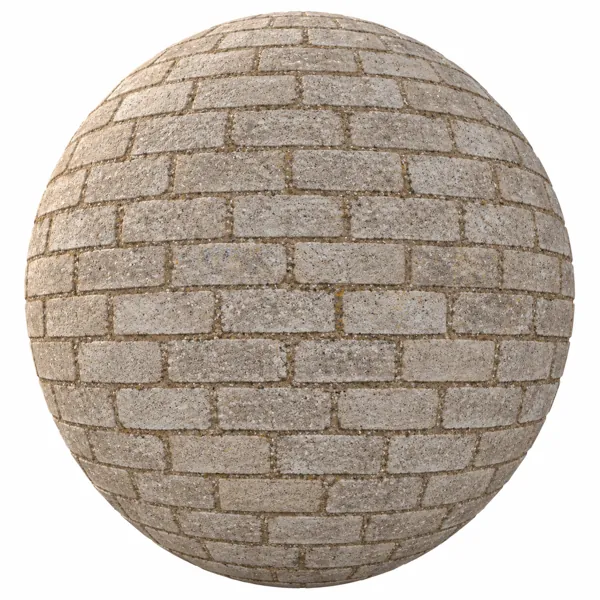
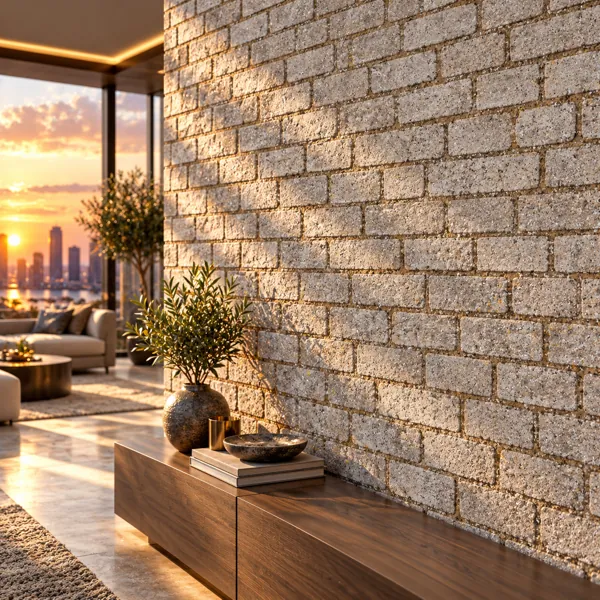
Weathered Sand Beige Running Bond Stone Brick Texture
Laruus
Save
Wishlist
Free
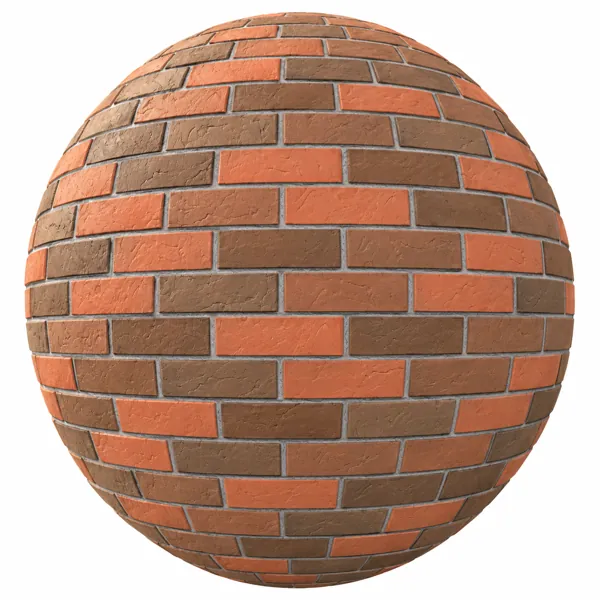
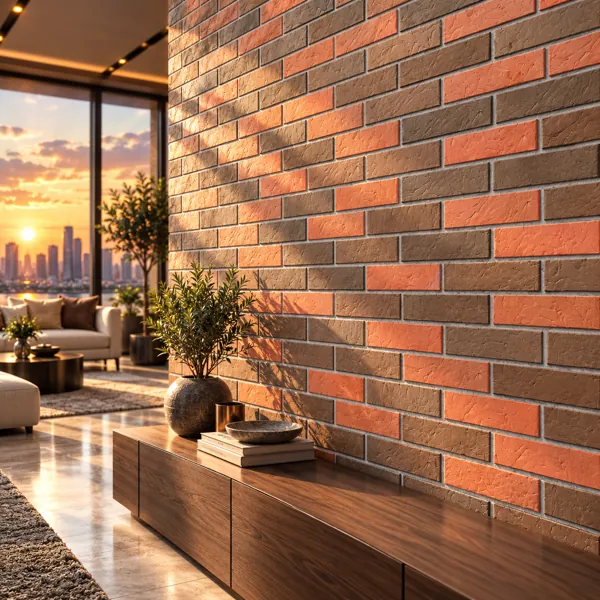
Terracotta Brown Staggered Brick Stone Wall Texture
Laruus
Save
Wishlist
Free
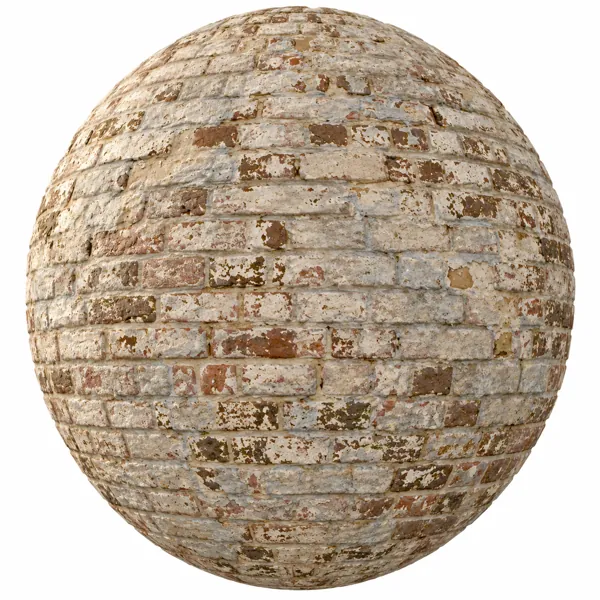
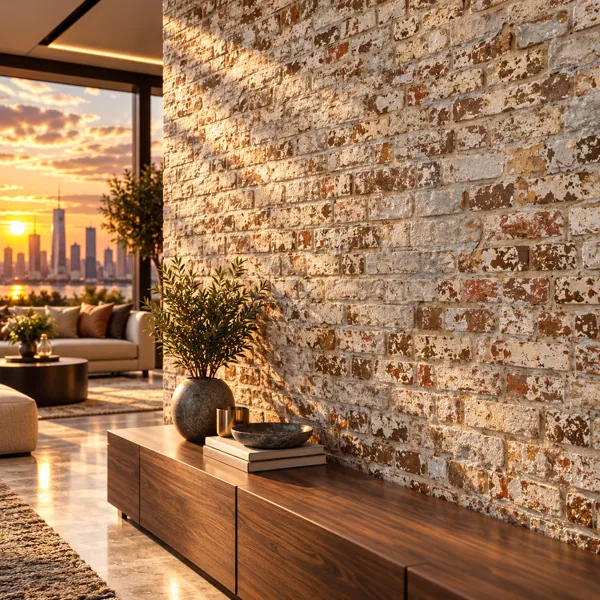
Weathered Whitewashed Brown Exposed Stone Brick Texture
Laruus
Save
Wishlist
Stone Textures for Architectural Visualization
Stone and masonry differ from most surfaces in a texture library in one important respect: they are not flat. A brick wall has real depth between the face and the mortar joint, and a fieldstone wall considerably more than that. How that depth is handled determines whether the wall reads as masonry or as a photograph of masonry glued to a plane.
For most viewing distances the height and normal maps carry it. Where the wall is close to the camera, or where it is lit from a sharp angle, they will not — the silhouette gives it away, because a real wall has an irregular edge and a mapped plane has a straight one. Displacement, or simply modelling the edge geometry where it is visible, is the difference in those cases.
Lighting angle matters more here than for any other surface type. Stone relief only reads when light rakes across it; lit head-on, a heavily textured masonry wall flattens into noise. Exterior scenes usually solve this automatically through sun angle, but interior feature walls often need a deliberately placed grazing light to bring the surface to life. If a stone wall looks disappointingly flat, the lighting is a more likely cause than the texture.
The range covers hexagonal cut stone, beige limestone, chiselled rustic brick, speckled grey stone brick with dark joints, irregular fieldstone mosaic and rough mixed masonry. Regular cut stone and brick carry a visible grid, which brings the usual repeat problem — on a long wall the pattern recurrence becomes obvious quickly, and breaking the run with planting, openings or a change of material is more effective than fighting it in the UVs. Irregular fieldstone hides its repeat far better and is the safer choice for large uninterrupted areas.
These surfaces are used on feature walls, façades, garden and outdoor scenes, entrance treatments and commercial interiors. The outdoor cases benefit from some tonal variation across the wall, since real stone weathers unevenly and a perfectly uniform façade reads as new in a way that is often unintended.
Full PBR sets are supplied — diffuse colour, normal, roughness, metallic, height, ambient occlusion and edge maps, with a packed variant. Roughness variation between the stone face and the mortar is what sells the distinction between the two materials; a single value across both makes them read as one moulded surface.