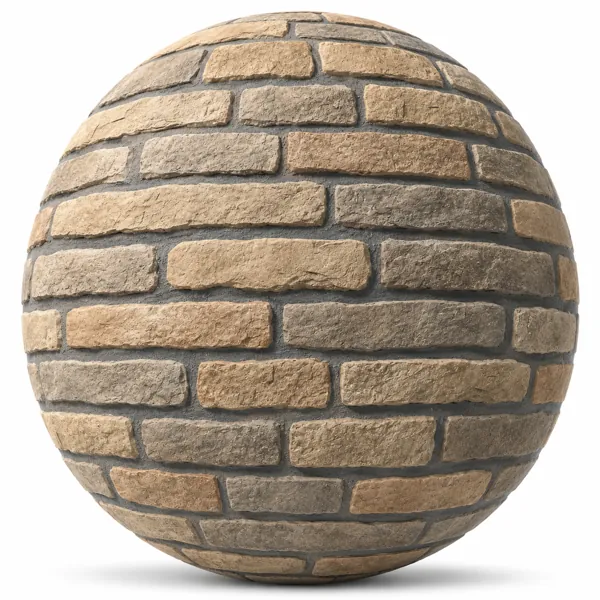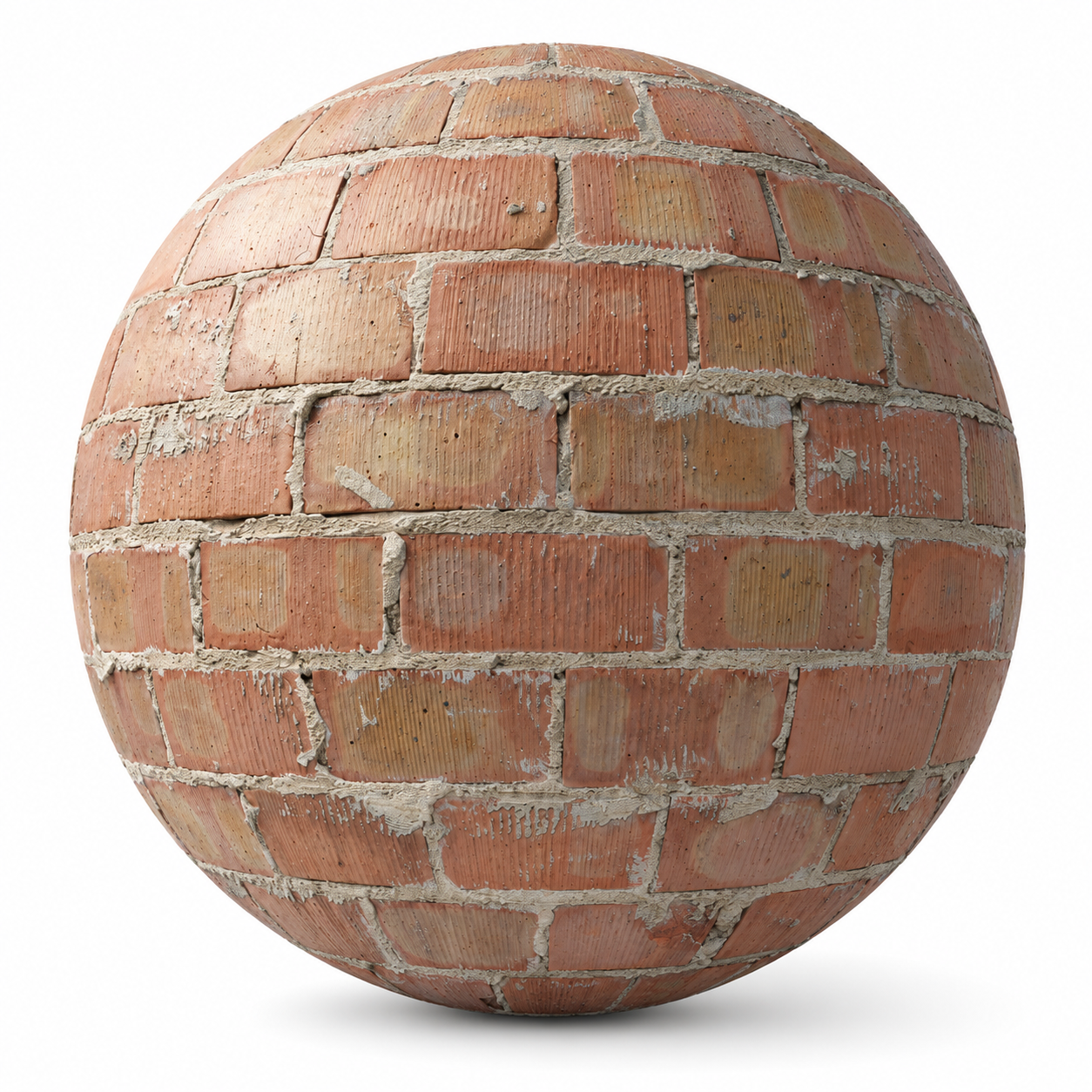
Weathered Terracotta Brick – Rough Mortar Texture
Stone No. 00004
FREE
Specifications
- Brand
- Laruus
- Style
- Modern
- Material
- Stone
- Suitable spaces
- Living Room, Cafe, Commercial, Kitchen, Garden, Outdoor, Entrance, Balcony
- Color
- OrangeBrownBeigeGray
- File types
- Albedo MapAlpha MapAO MapBump MapDiffuse Color MapEdge MapEmission MapHeight MapMetallic MapNormal MapPacked Texture MapRoughness Map
Weathered Terracotta Brick Masonry High Resolution Seamless PBR Textures
Description
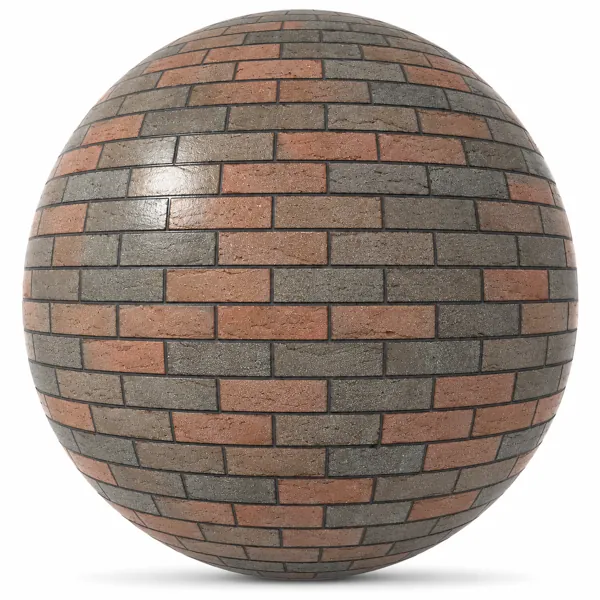
Weathered Terracotta Brick – Rough Mortar is a distinctive masonry surface defined by warm orange-brown brick tones, visibly ribbed faces, irregular beige-gray mortar joints, and scattered signs of wear. Rather than presenting the clean uniformity of newly installed brickwork, the surface has an aged, construction-worn character with chipped edges, mortar residue, stains, small pits, and noticeable tonal variation from brick to brick. Some units shift toward muted terracotta orange while others show deeper brown or pale ochre areas. This weathered terracotta appearance, combined with coarse mortar application, gives the material a recognizable identity for architectural surfaces where pristine brick would feel too controlled.
The masonry follows a predominantly horizontal running arrangement of rectangular bricks, but its visual character comes from imperfections rather than strict regularity. Individual brick faces show fine vertical ribbing or comb-like grooves, along with scratches, small cavities, discoloration, and adhered mortar fragments. The joints are comparatively thick and uneven, with excess mortar extending onto several brick faces and creating rough edges between courses. Brick dimensions and real-world scale cannot be verified from the supplied image, so exact measurements should not be inferred. Likewise, the specific brick composition cannot be confirmed visually; the description focuses on the observable terracotta-like color and masonry appearance while retaining Stone as the supplied material classification.
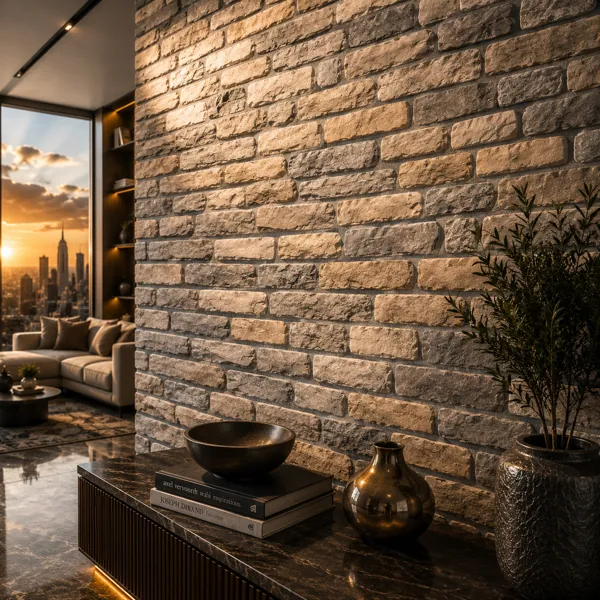
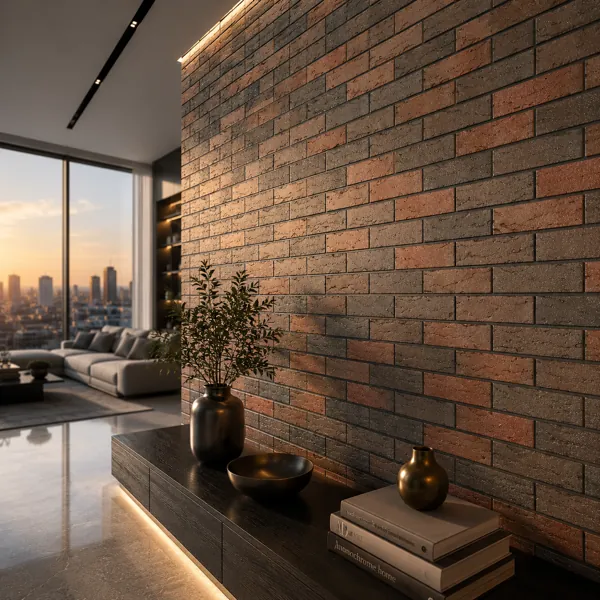
This weathered brick wall texture can suit exterior facades, garden walls, entrance features, balconies, courtyards, commercial spaces, cafes, and selected interior accent surfaces. Its unfinished visual language is particularly relevant to industrial-inspired interiors, renovation concepts, adaptive reuse scenes, rustic-modern environments, and architectural designs that intentionally expose masonry construction. In a living room or kitchen visualization, it can provide a contrasting feature wall against smoother cabinetry, plaster, glass, metal, or contemporary furniture. Outdoors, the worn brickwork can support boundary walls, secondary structures, aged facades, service areas, and landscape architecture where surface irregularity contributes to a believable setting.
For archviz and CGI workflows, the combination of ribbed brick faces, rough joints, mortar deposits, edge wear, and color variation offers useful visual information at both medium and relatively close camera distances. These irregularities can help break the repetitive appearance commonly associated with perfectly uniform digital brick materials. The supplied product information identifies 3ds Max and Corona Renderer, positioning the asset for architectural visualization workflows using that software combination. Exact texture resolution, UV configuration, map channels, displacement setup, geometry structure, and included files are not visible in the preview and therefore should not be assumed.
Within interior design contexts, the warm terracotta palette can introduce an earthy counterpoint to neutral walls and restrained modern materials. The coarse beige-gray mortar softens the repetition of the rectangular units while emphasizing the handmade, unfinished quality of the masonry. Visible residue and surface wear make this treatment particularly suitable when the design concept calls for authenticity, age, renovation, or exposed construction rather than a newly finished decorative brick wall.
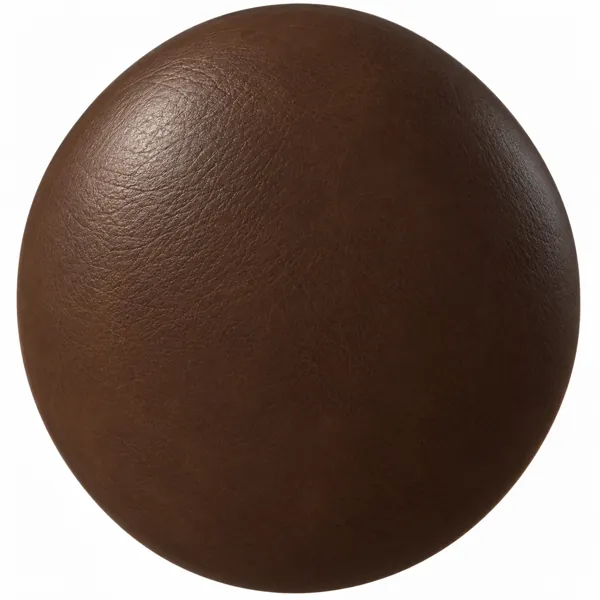
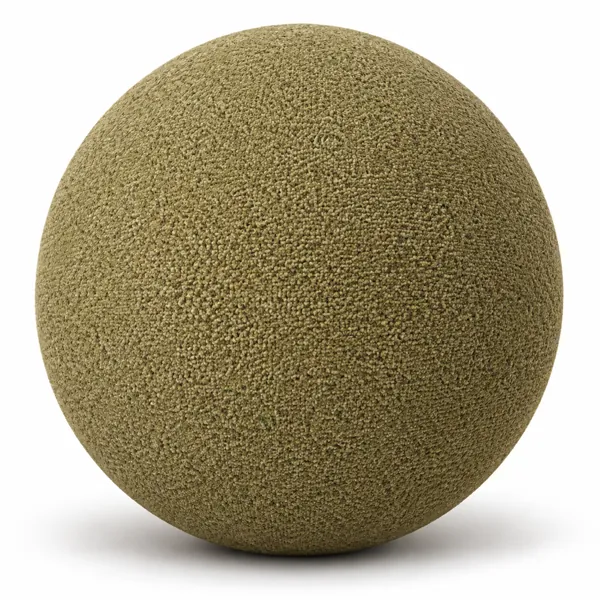
Lighting direction will significantly affect the perceived depth of the ribbed faces, rough mortar, chipped edges, and small surface defects. Grazing or lateral light can emphasize these details, while diffuse frontal lighting will produce a flatter and softer result. The preview displays the material on a curved test sphere, so its final appearance on architectural geometry will depend on mapping, scene scale, camera distance, lighting, and render settings. Seamless tiling, PBR maps, texture resolution, polygon count, physical dimensions, and specific map types cannot be confirmed from the image.
Frequently asked questions
Is this texture free?
Yes. You can download it with a free Laruus account. Free textures are limited to 5 downloads per day.
Which software can I use this texture in?
The maps are standard image files, so they work in any renderer with PBR materials, such as Corona or V-Ray in 3ds Max, Blender, SketchUp with V-Ray or Enscape, and Unreal Engine.
What do I get when I download it?
A 59.0 MB download. It was added to Laruus on June 24, 2026.
Which spaces is it suitable for?
It suits Living Room, Cafe, Commercial, Kitchen, Garden, Outdoor, Entrance, and Balcony projects. Style: Modern.