
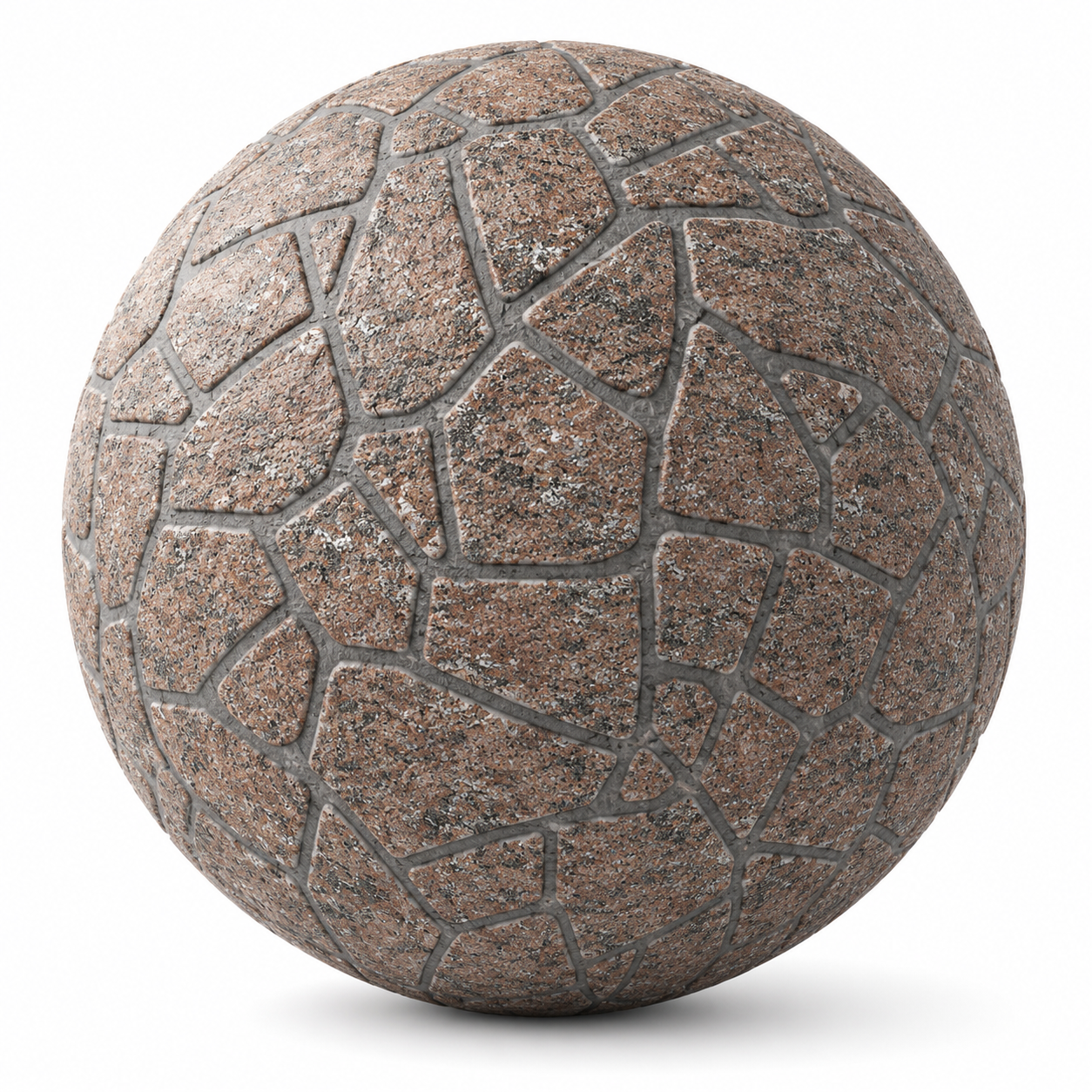
Reddish Brown Speckled Flagstone Texture
Stone No. 00003
FREE
Specifications
- Brand
- Laruus
- Style
- Modern
- Material
- Stone
- Suitable spaces
- Living Room, Commercial, Kitchen, Garden, Outdoor, Entrance, Balcony
- Color
- BrownGrayBlackWhite
- File types
- Albedo MapAlpha MapAO MapBump MapDiffuse Color MapEdge MapEmission MapHeight MapMetallic MapNormal MapPacked Texture MapRoughness Map
Irregular Speckled Flagstone Masonry High Resolution Seamless PBR Textures
Description
Reddish Brown Speckled Flagstone is a distinctive irregular stone surface built from polygonal slabs in warm brown and muted reddish tones, separated by pronounced dark gray joints. The individual pieces vary noticeably in shape and size, producing an organic random-layout pattern rather than a regular tiled grid. Dense black, gray, and pale mineral-like speckling is visible across the stone faces, giving each slab a granular visual character. Slightly softened edges and subtle surface unevenness reinforce the natural masonry appearance, while the reddish brown coloration makes this material clearly distinguishable from neutral gray or beige flagstone surfaces.
The visible construction resembles irregular flagstone or crazy paving assembled from differently proportioned stone pieces. Large polygonal slabs are mixed with narrow wedges, compact fragments, and medium-sized irregular forms, allowing the joints to branch naturally across the surface. The dark gray joint material creates strong separation between adjacent stones and emphasizes the mosaic-like arrangement. Surface coloration is not completely uniform; warmer brown areas alternate with darker mineral flecks and scattered light inclusions. Exact stone species, slab thickness, real-world dimensions, joint width, displacement depth, and physical scale cannot be verified from the preview, so these properties should not be inferred beyond what is visibly supported.
This irregular stone paving texture can suit garden paths, outdoor terraces, entrance areas, balconies, courtyards, landscape features, commercial spaces, and selected interior floors or feature surfaces. Its random polygonal geometry works especially well in designs that need a less formal alternative to rectangular stone tiles. In exterior architecture, the pattern can complement pathways, patios, pool-adjacent hardscape, garden walls, plazas, and transitional areas between buildings and landscaping. Indoors, the warm reddish brown stone can provide a textured counterpoint to smoother materials such as plaster, glass, metal, painted cabinetry, or contemporary furnishings.
For archviz and CGI workflows, the mixture of irregular outlines, contrasting joints, granular speckling, and tonal variation provides useful detail at medium and close camera distances. Because no two adjacent pieces appear identical in proportion, the surface has a visually varied rhythm that can help reduce the overly repetitive appearance associated with uniform digital paving patterns. The supplied product information identifies 3ds Max and Corona Renderer, positioning the asset for architectural visualization workflows using that software combination. Exact map channels, texture resolution, UV configuration, geometry topology, displacement settings, and included support files are not visible in the supplied image and therefore should not be assumed.
Within interior design, the warm stone palette can introduce an earthy architectural accent without relying on conventional rectangular flooring. The irregular dark gray joints make the individual slabs highly readable and add graphic contrast to the reddish brown surfaces. This combination can work in rustic-modern, contemporary, transitional, or nature-influenced spaces where stone is intended to remain visually prominent. The scattered black and pale mineral-like marks also contribute finer detail that becomes more noticeable at shorter viewing distances.
Lighting direction will influence how strongly the stone edges, granular surface, and recessed-looking joints are perceived. Grazing or side lighting can emphasize separation between pieces and reveal more surface relief, while diffuse frontal lighting will create a softer appearance. The preview shows the material on a curved test sphere, so its final result on architectural geometry will depend on mapping, scene scale, camera distance, lighting, and render settings. Seamless tiling, PBR maps, polygon count, physical dimensions, and specific texture resolutions cannot be confirmed from the image.
Frequently asked questions
Is this texture free?
Yes. You can download it with a free Laruus account. Free textures are limited to 5 downloads per day.
Which software can I use this texture in?
The maps are standard image files, so they work in any renderer with PBR materials, such as Corona or V-Ray in 3ds Max, Blender, SketchUp with V-Ray or Enscape, and Unreal Engine.
What do I get when I download it?
A 52.3 MB download. It was added to Laruus on June 24, 2026.
Which spaces is it suitable for?
It suits Living Room, Commercial, Kitchen, Garden, Outdoor, Entrance, and Balcony projects. Style: Modern.
You might also like

Similar products
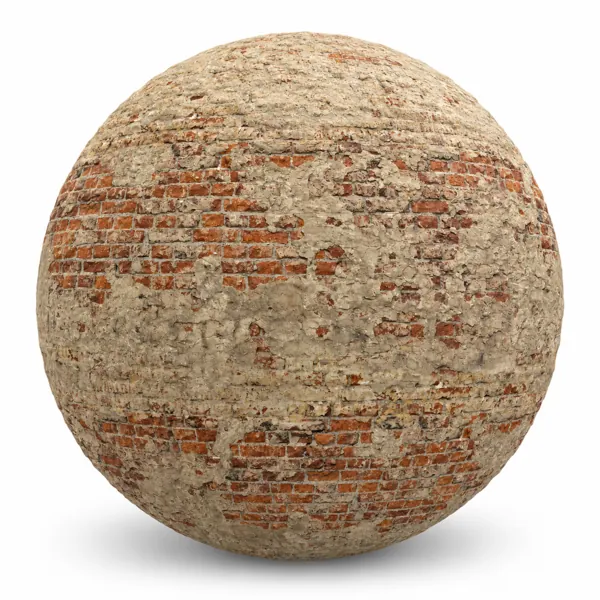
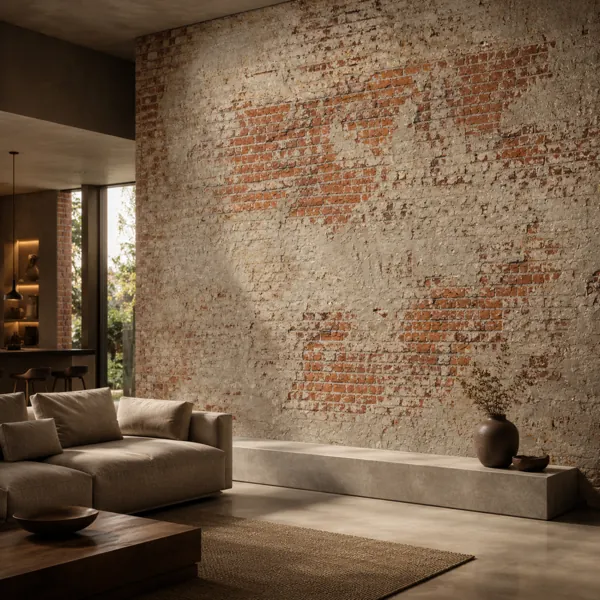
Weathered Red Brick Wall – Beige Plaster Residue
Laruus
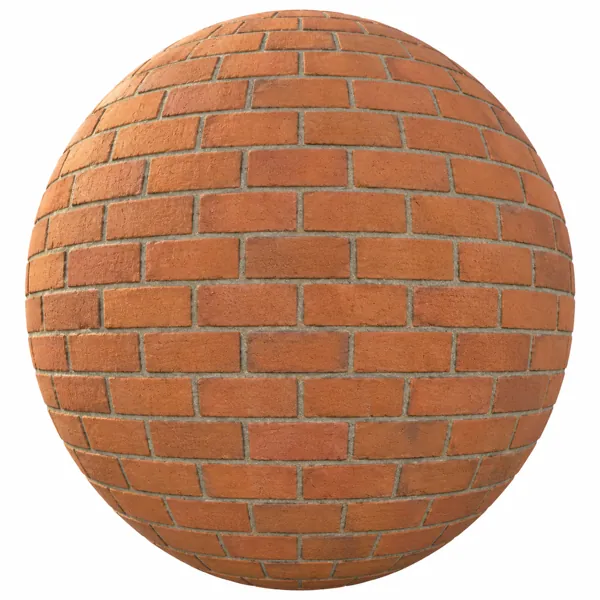
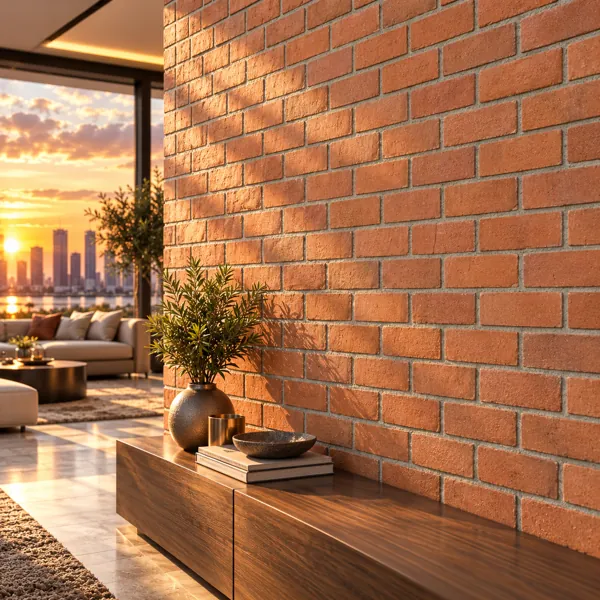
Warm Terracotta Orange Running Bond Stone Brick Texture
Laruus
Sage Green Stone Brick Texture – Rippled Face Beige Mortar Texture
Laruus
Weathered Dark Red Brick Stone Texture – Gray Mortar Texture
Laruus