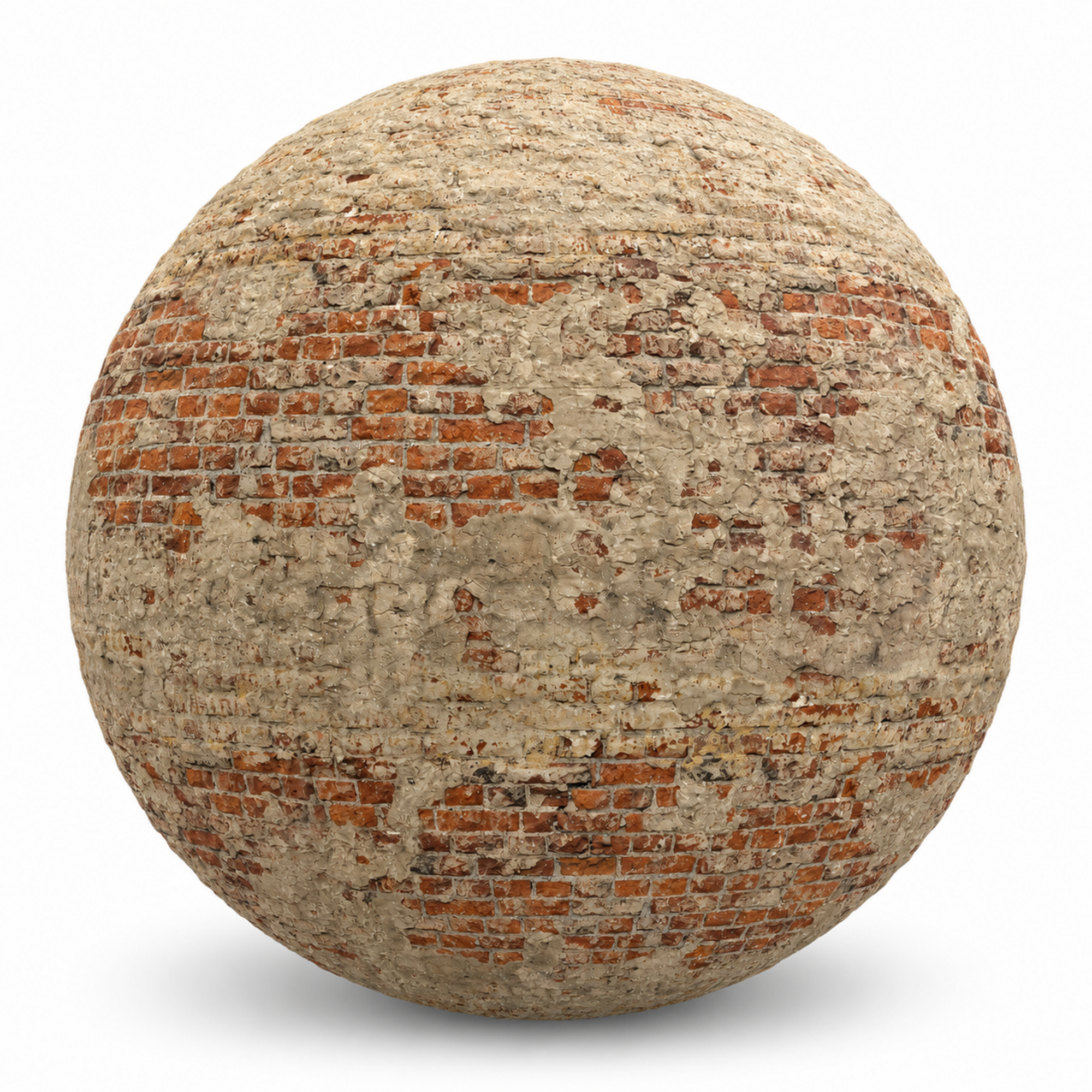
Weathered Red Brick Wall – Beige Plaster Residue
Stone No. 00028
FREE
Specifications
- Brand
- Laruus
- Style
- Modern
- Material
- Stone
- Suitable spaces
- Living Room, Office, Cafe, Commercial, Kitchen, Garden, Outdoor, Entrance
- Color
- BeigeBrownOrangeRed
- File types
- Albedo MapAlpha MapAO MapBump MapDiffuse Color MapEdge MapEmission MapHeight MapMetallic MapNormal MapPacked Texture MapRoughness Map
Weathered Brick, Layered Plaster Character
Description
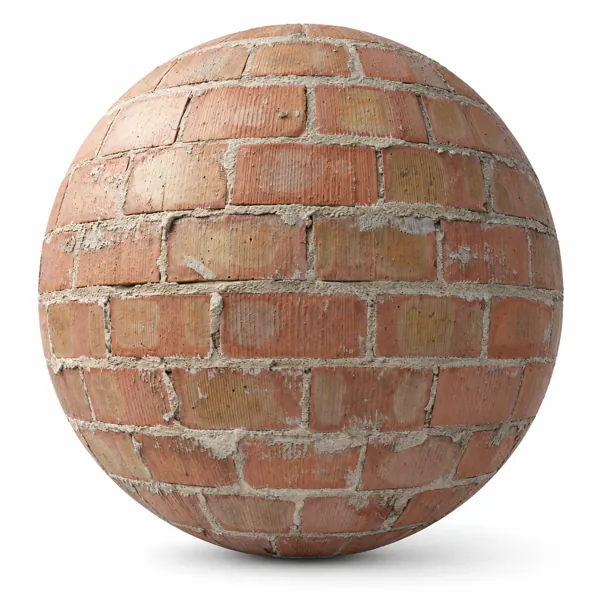
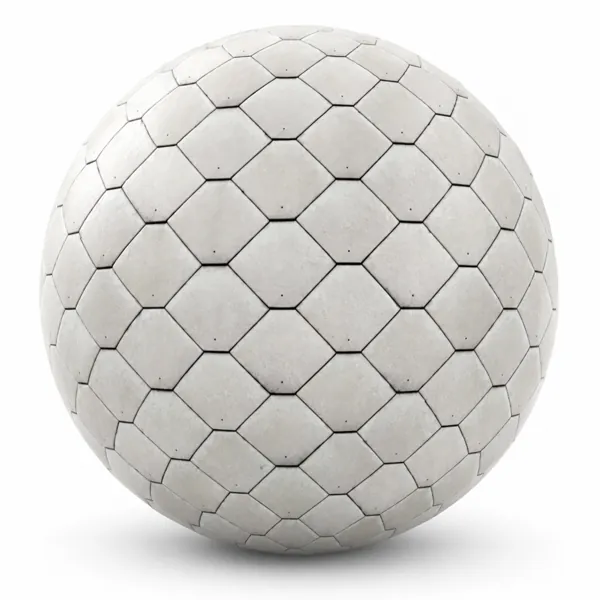
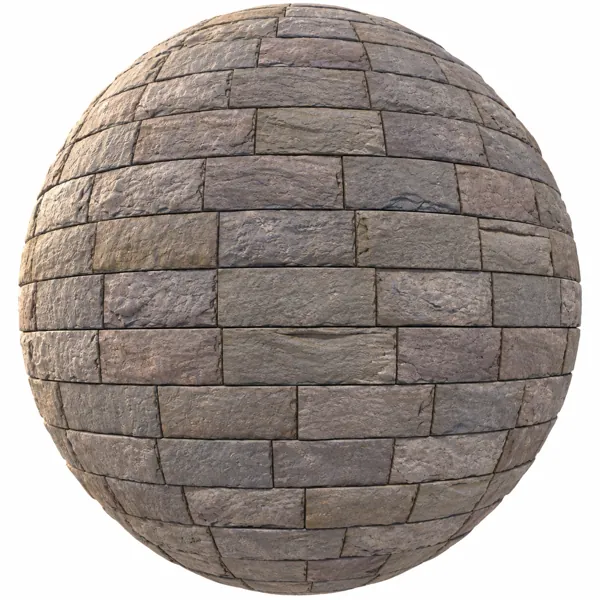
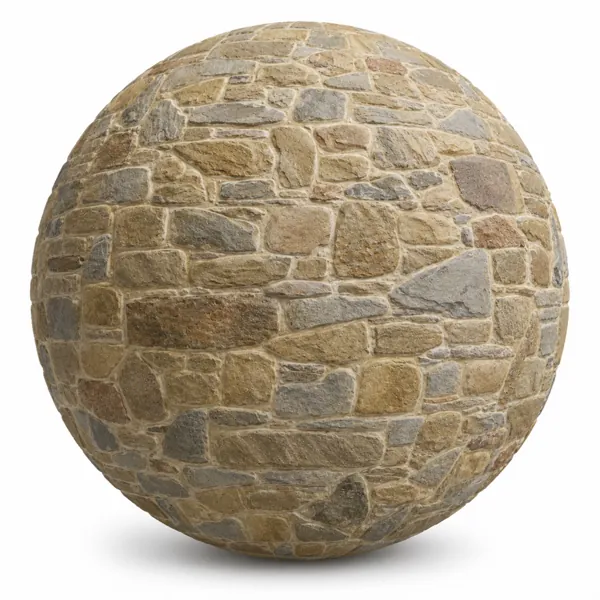
Weathered Red Brick Wall – Beige Plaster Residue is a heavily distressed masonry surface defined by exposed red-orange brick partially covered with thick, irregular beige plaster or render-like deposits. The visible brick courses remain readable beneath the worn coating, but large portions of the surface are obscured by rough patches, chipped areas and layered material buildup. This combination produces an aged architectural character rather than the clean repetition of a newly constructed brick wall. Warm red, orange and brown brick tones contrast with the pale beige covering, creating a distinctive weathered wall texture suitable for modern scenes that incorporate reclaimed, industrial or aged architectural surfaces.
The visible structure consists of small rectangular masonry units arranged mainly in horizontal courses, with varied exposure across the surface. Some areas reveal clearly defined brick faces and joints, while other sections are covered by dense, uneven plaster-like material with rough, broken edges. The coating appears granular and heavily textured, creating visible buildup over the underlying masonry. Individual brick faces also show worn coloration and irregular surface detail rather than a uniform finish. Exact brick dimensions, joint depth, coating thickness, physical wall scale and Mapping scale cannot be determined from the supplied image, so these measurements are intentionally not assumed.
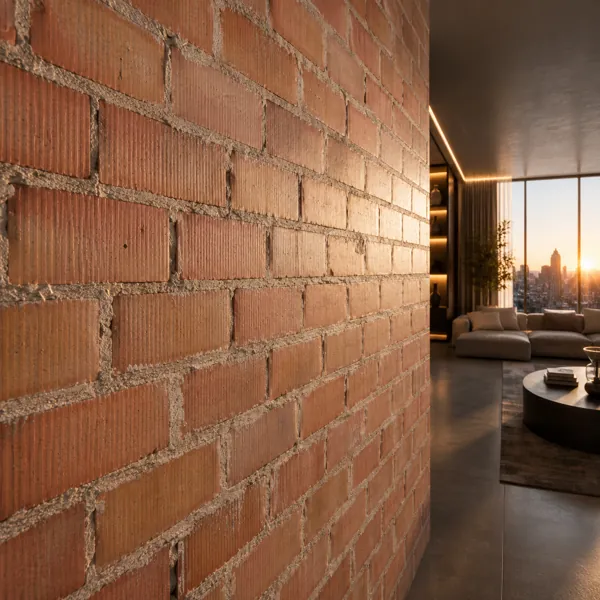
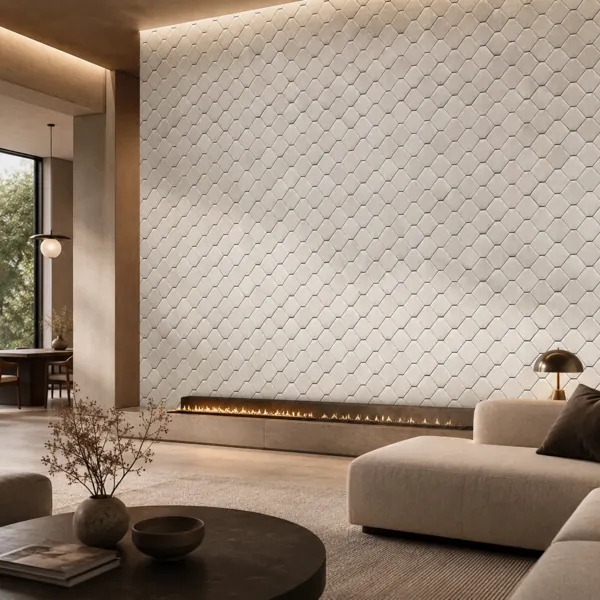
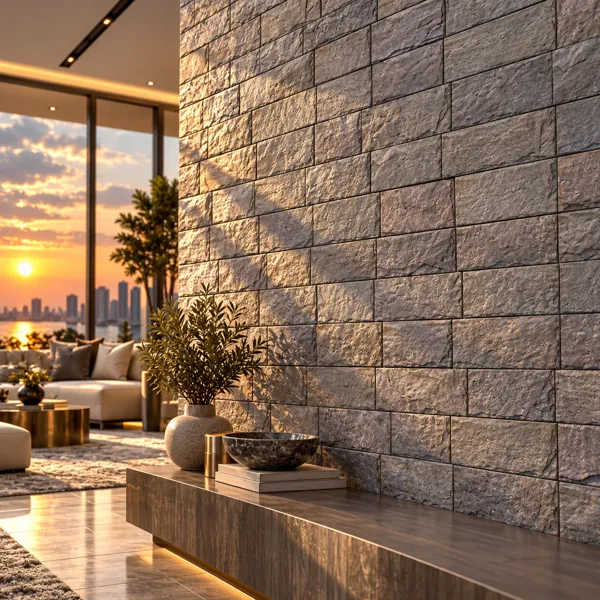
This distressed masonry appearance can work in residential and commercial environments where a visibly aged wall surface is desired. Potential uses include feature walls, cafe interiors, commercial spaces, reception areas, entrance walls, kitchen accent surfaces, exterior facades, courtyard walls, garden structures and other architectural backgrounds. Suitable environments include Living Room, Office, Cafe, Commercial, Kitchen, Garden, Outdoor and Entrance. The combination of Bej, Kahverengi, Turuncu and Kırmızı can coordinate naturally with Wood, Metal, concrete, dark frames, neutral finishes and warm lighting, particularly in interiors that mix contemporary forms with weathered materials.
For architectural visualization and CGI workflows, the contrast between exposed brick and irregular plaster residue provides useful detail at multiple viewing distances. Larger patches of beige coating and red masonry remain recognizable in wider compositions, while chipped edges, granular buildup and individual brick variation become more important in close-up renders. This makes the texture relevant to archviz scenes featuring renovated lofts, hospitality interiors, industrial-inspired spaces, old facade studies, adaptive reuse projects and atmospheric exterior environments. The supplied product information identifies 3ds Max and Corona Renderer as the intended software and rendering environment for the material.
From an interior and architectural design perspective, this surface offers a more expressive alternative to clean brickwork or evenly plastered walls. The exposed masonry suggests age and previous layers of finish, while the irregular beige covering breaks the repetitive brick grid and introduces a more organic visual rhythm. On large walls, the contrast between coated and exposed areas can become a focal feature; on smaller sections, the distressed texture adds material depth without requiring additional decorative elements. It can support industrial, rustic-modern, eclectic and renovation-focused design concepts where visible surface history is part of the intended atmosphere.
Technical characteristics that cannot be verified visually are intentionally left unspecified. Texture resolution, Map dimensions, Seamless Tiling, UV configuration, Displacement data, included Map channels and physical Mapping scale cannot be confirmed from the reference image. The visible evidence supports describing the material as weathered red-orange brick masonry with heavy beige plaster residue, chipped transitions and rough surface buildup. When used in 3ds Max with Corona Renderer, Mapping scale, Roughness, Bump, Displacement and related material settings should be adjusted according to the target surface dimensions, camera distance, lighting conditions and intended rendered appearance.
Frequently asked questions
Is this texture free?
Yes. You can download it with a free Laruus account. Free textures are limited to 5 downloads per day.
Which software can I use this texture in?
The maps are standard image files, so they work in any renderer with PBR materials, such as Corona or V-Ray in 3ds Max, Blender, SketchUp with V-Ray or Enscape, and Unreal Engine.
What do I get when I download it?
A 155 MB download. It was added to Laruus on June 28, 2026.
Which spaces is it suitable for?
It suits Living Room, Office, Cafe, Commercial, Kitchen, Garden, Outdoor, and Entrance projects. Style: Modern.