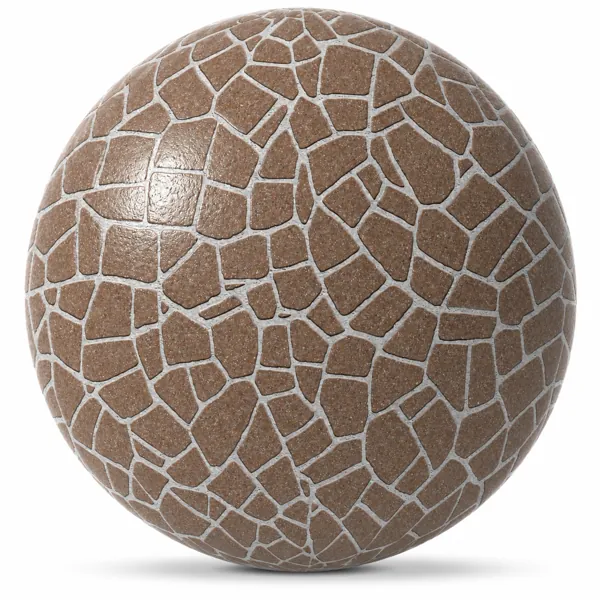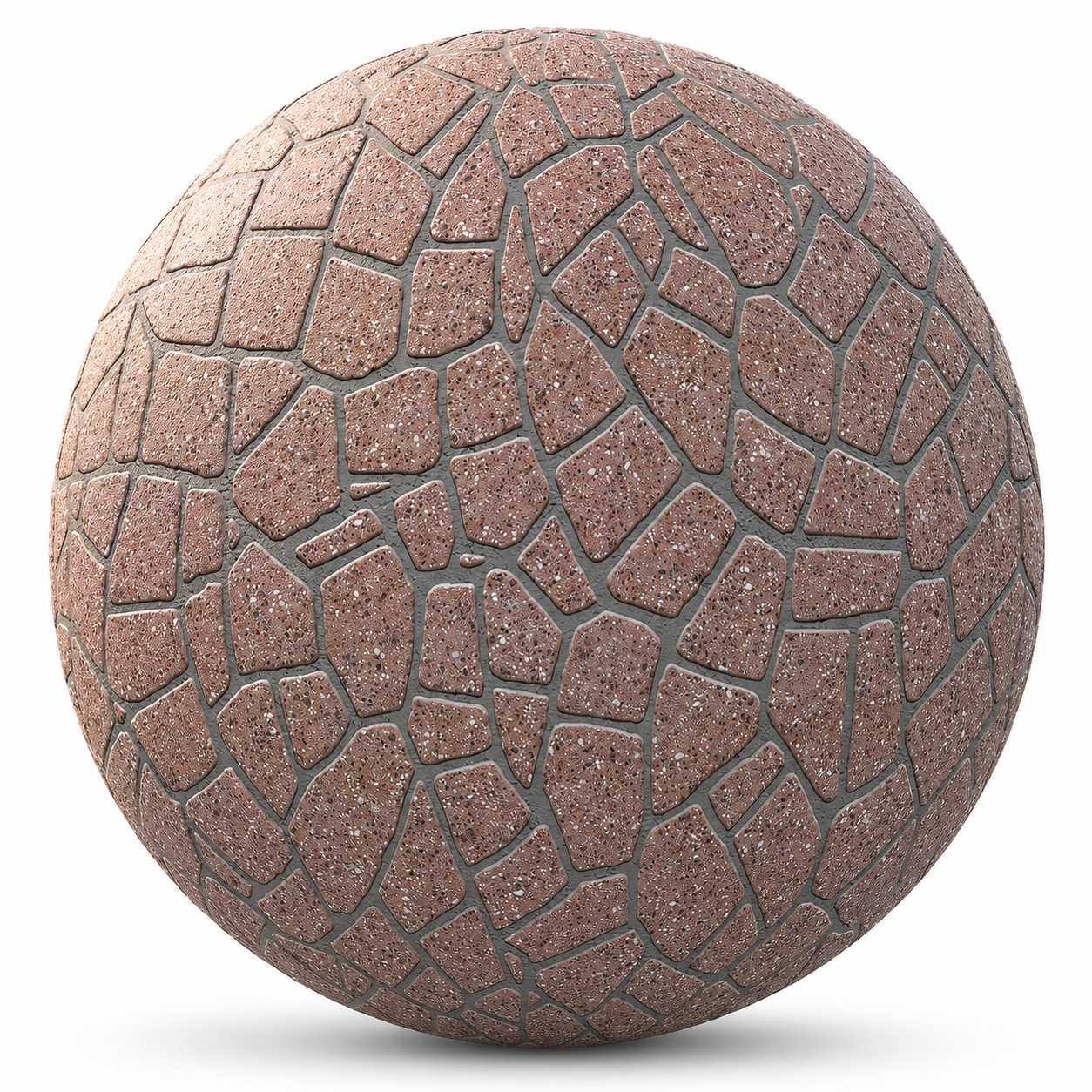
Terracotta Stone Mosaic Texture – Dark Gray Grout Texture
Stone No. 00019
FREE
Specifications
- Brand
- Laruus
- Style
- Modern
- Material
- Stone
- Suitable spaces
- Living Room, Cafe, Commercial, Kitchen, Garden, Outdoor, Entrance, Balcony
- Color
- RedBrownGrayWhite
- File types
- Albedo MapAlpha MapAO MapBump MapDiffuse Color MapEdge MapEmission MapHeight MapMetallic MapNormal MapPacked Texture MapRoughness Map
Terracotta Mosaic, Dark Grout High Resolution Seamless PBR Textures
Description
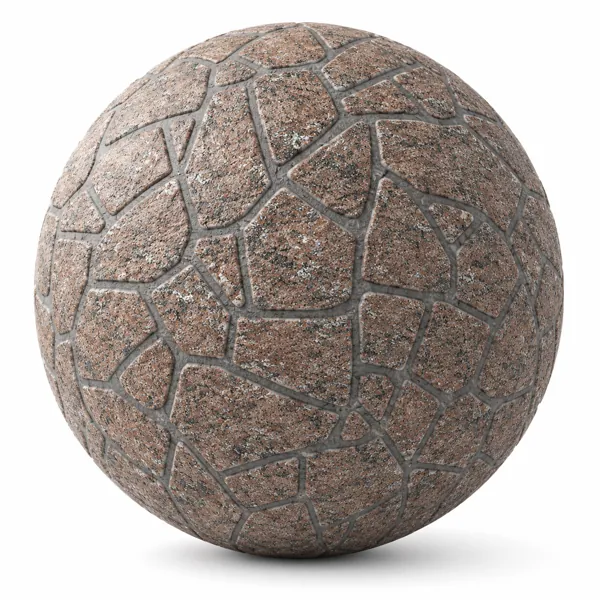
This terracotta stone mosaic texture is distinguished by irregular polygonal pieces, warm red-brown coloration, and clearly recessed dark gray grout lines. Unlike a regular tile grid, the surface uses varied stone shapes and sizes to create an organic, hand-laid mosaic rhythm. Individual pieces range from muted terracotta and dusty brick red to deeper brown-red tones, while small pale and dark speckles are visible across many faces. The contrast between the warm stone fragments and cool gray joints gives the material a strong visual identity that can be recognized even from medium viewing distances. Its irregular layout makes it suitable for contemporary projects that need natural variation without relying on a repetitive rectangular pattern.
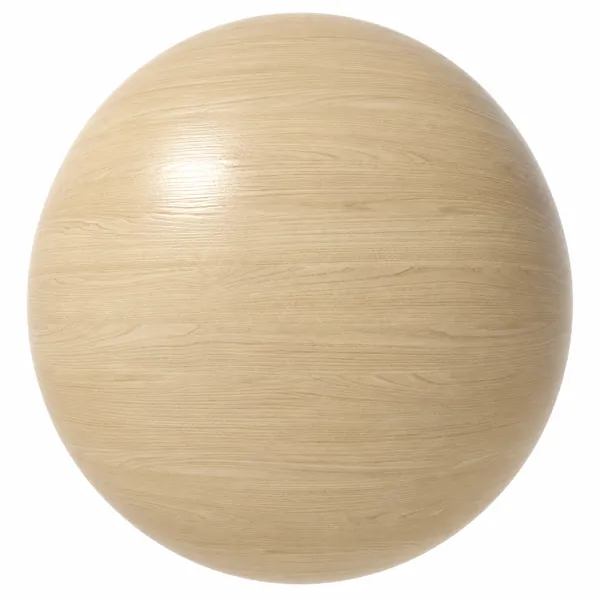
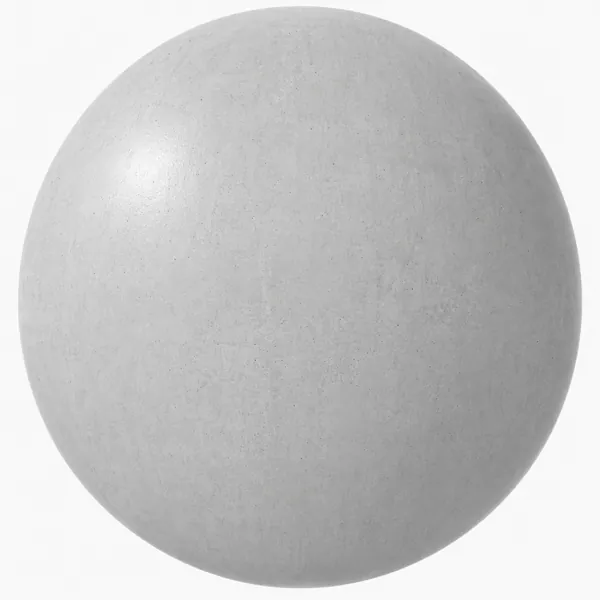
The spherical preview shows pronounced separation between the stone pieces and surrounding grout. Many fragments have softly rounded or slightly beveled edges, while the grout appears lower than the stone faces and creates visible depth around each unit. The surfaces themselves show fine pitting, scattered light inclusions, darker pores, and subtle tonal variation, producing a porous and tactile appearance. Exact stone dimensions, grout depth, physical relief, manufacturing method, geological composition, and real-world thickness cannot be confirmed from the image. The preview also does not establish whether the material is seamless, how large the original texture area is, or whether the visible depth is produced by geometry, displacement, bump, or another mapping method.
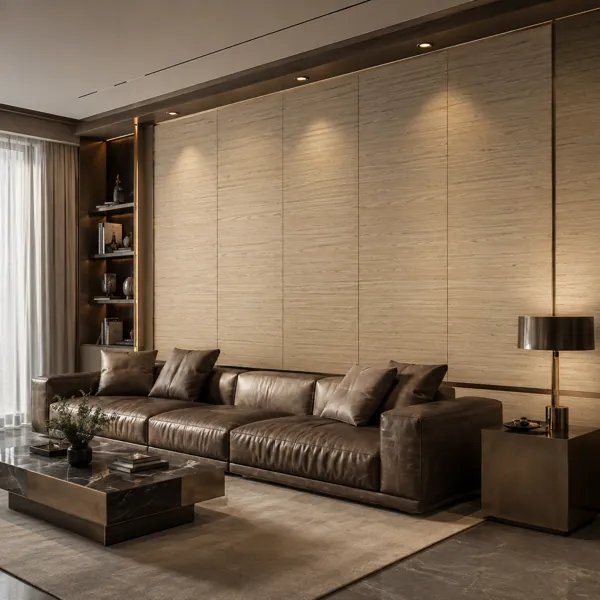
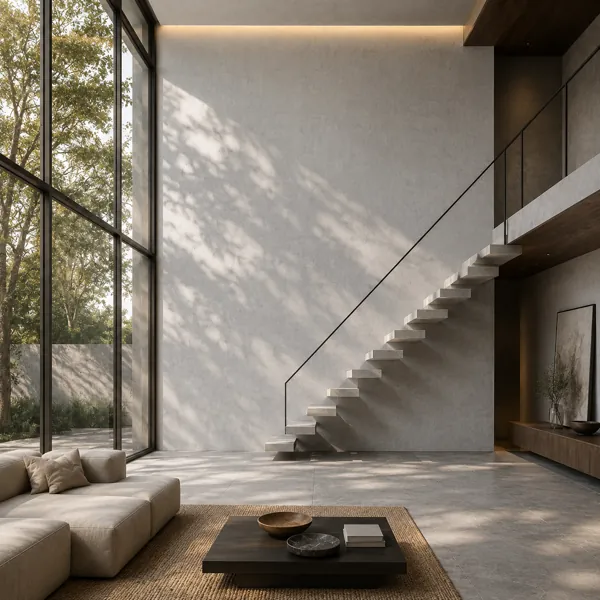
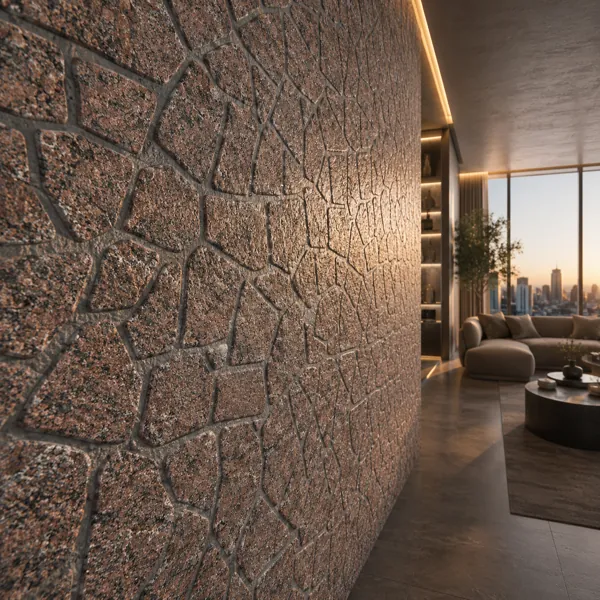
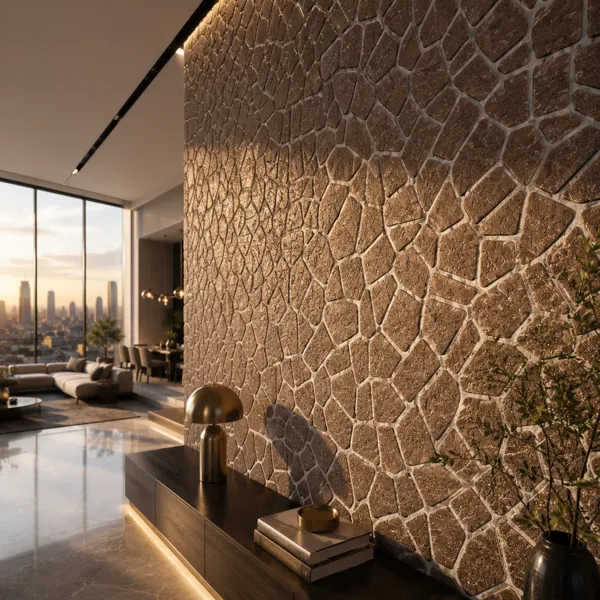
This stone mosaic texture can work in Living Room, Cafe, Commercial, Kitchen, Garden, Outdoor, Entrance, and Balcony environments where an irregular hard-surface pattern is appropriate. Possible applications include feature floors, exterior paving, decorative wall sections, courtyard surfaces, cafe interiors, entrance zones, garden paths, terrace areas, commercial accents, and architectural backdrop surfaces. The terracotta-red and brown palette combines naturally with Wood, black or dark Metal, neutral Stone, concrete-like finishes, Glass, and muted Fabric. Dark gray grout clearly separates the pieces and helps the mosaic pattern remain readable when used alongside furniture, landscaping, or architectural elements.
For architectural visualization and CGI workflows, the irregular polygon layout provides strong scale cues, making mapping proportion especially important. If the pieces appear too large or too small relative to doors, furniture, paving edges, or wall details, the material can quickly lose realism. Lighting that moves diagonally across the surface can help reveal the recessed grout, rounded edges, pores, and fine surface variation. In 3ds Max scenes rendered with Corona Renderer, natural daylight or angled area lighting can emphasize depth while preserving the warm terracotta coloration.
Within interior and exterior design, this surface works particularly well with contemporary rustic, Mediterranean-inspired, courtyard, urban, and natural-material schemes. Large applications create an expressive textured field, while smaller sections can introduce warmth and irregularity without dominating the composition. The variation in shape, tone, and speckling also reduces the visually repetitive effect often associated with regular tile layouts.
This asset belongs to the Stone Texture subcategory and is intended for 3D visualization workflows. The supplied software information identifies 3D's Max and Corona Renderer. Use the preview as the primary reference for color balance, mosaic arrangement, grout tone, edge character, porosity, and apparent relief. File extensions, texture resolution, PBR map configuration, seamless tiling support, UV method, bump strength, displacement values, polygon count, scan origin, and physical stone dimensions are not specified, so these technical properties should be verified directly from the actual asset rather than assumed.
Frequently asked questions
Is this texture free?
Yes. You can download it with a free Laruus account. Free textures are limited to 5 downloads per day.
Which software can I use this texture in?
The maps are standard image files, so they work in any renderer with PBR materials, such as Corona or V-Ray in 3ds Max, Blender, SketchUp with V-Ray or Enscape, and Unreal Engine.
What do I get when I download it?
A 46.6 MB download. It was added to Laruus on June 24, 2026.
Which spaces is it suitable for?
It suits Living Room, Cafe, Commercial, Kitchen, Garden, Outdoor, Entrance, and Balcony projects. Style: Modern.