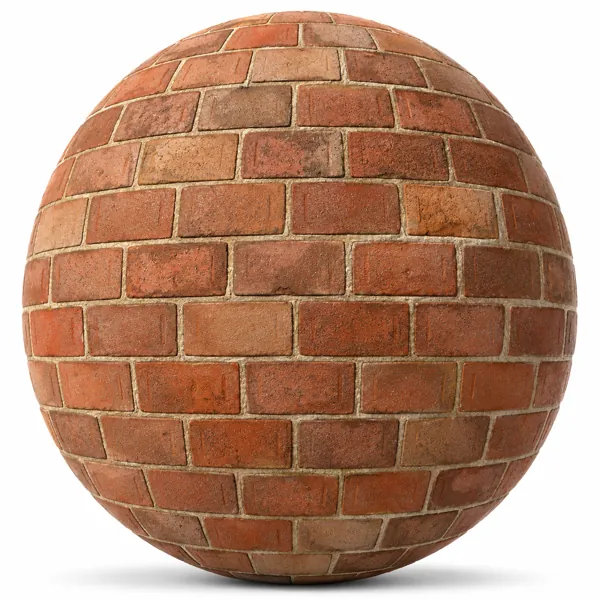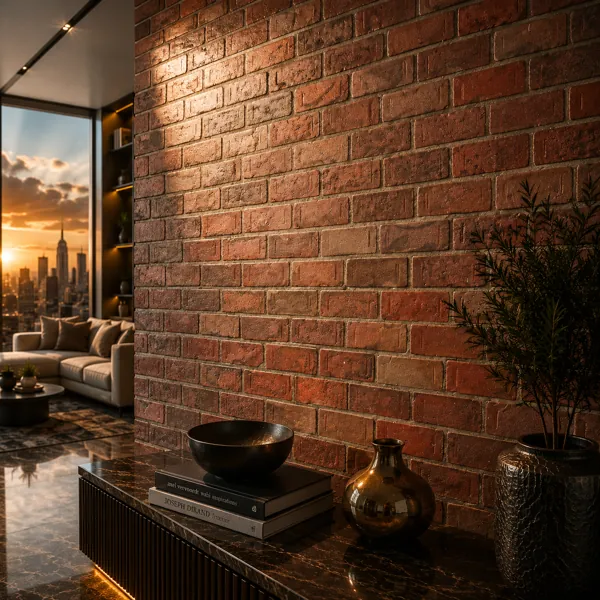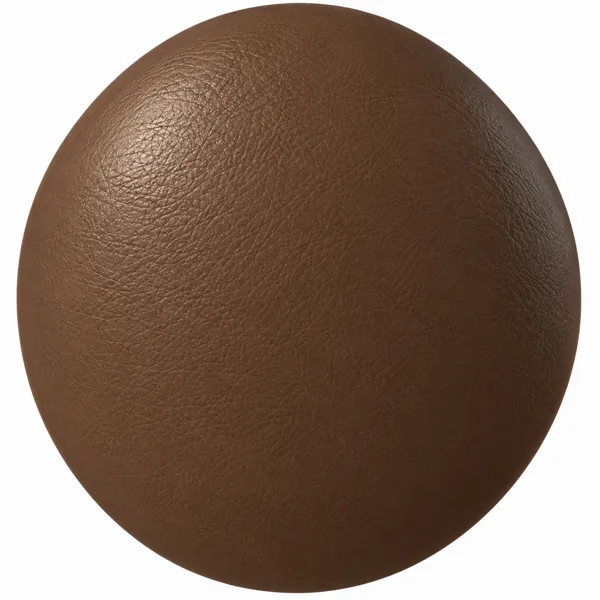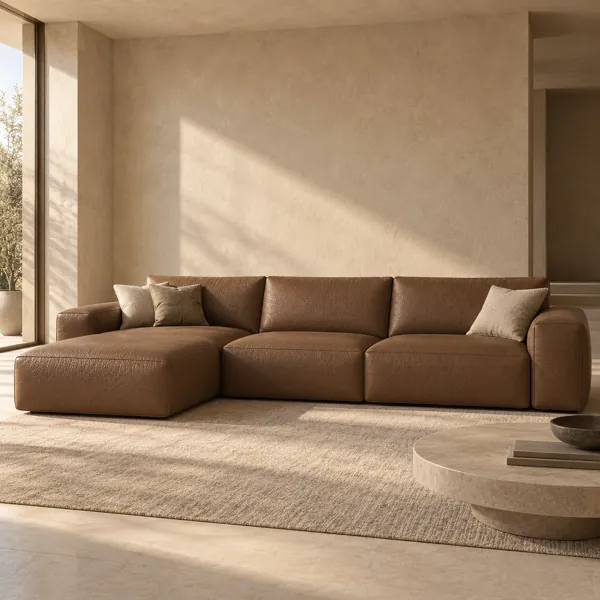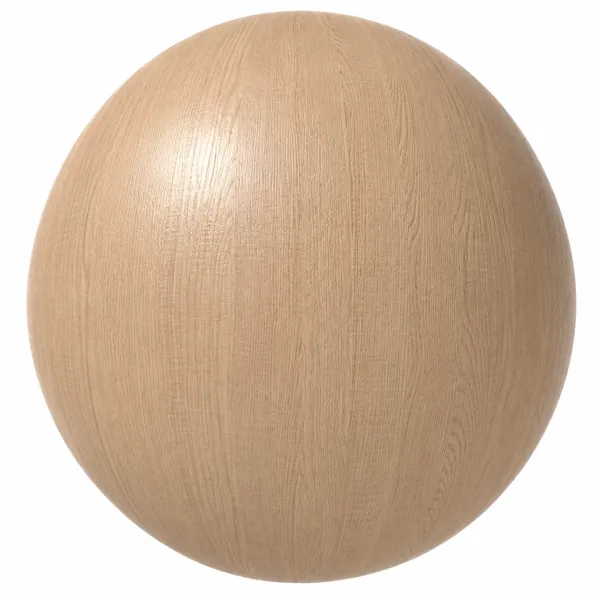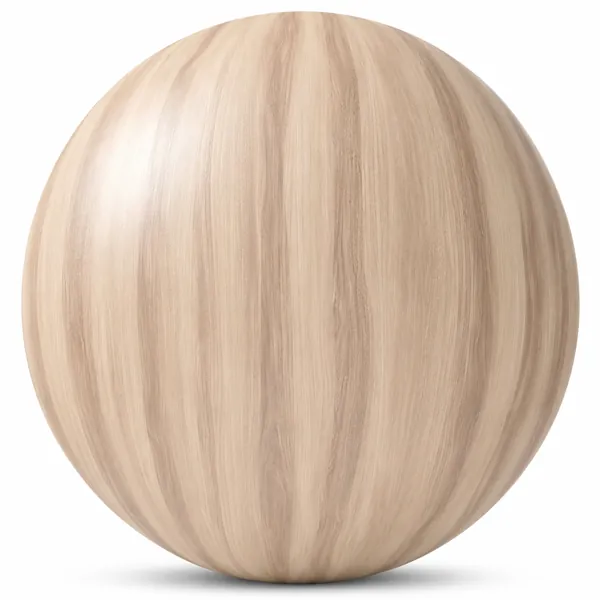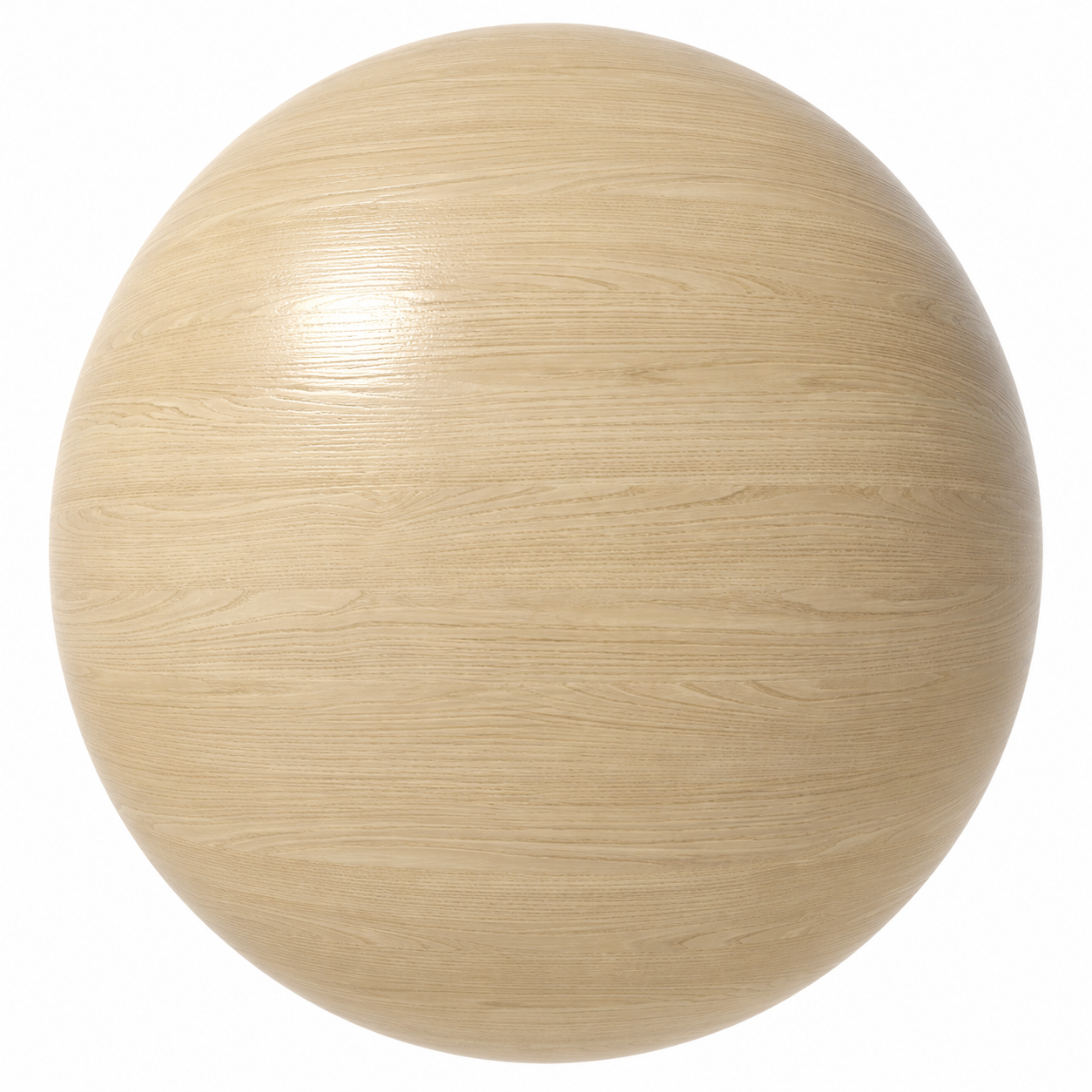
Light Beige Fine Linear Grain Wood Texture
Wood No. 00071
FREE
Specifications
- Brand
- Laruus
- Style
- Modern
- Material
- Wood
- Suitable spaces
- Living Room, Bedroom, Office, Cafe, Commercial, Kitchen, Entrance, Childroom
- Color
- BeigeBrown
- File types
- Albedo MapAlpha MapAO MapBump MapDiffuse Color MapEdge MapEmission MapHeight MapMetallic MapNormal MapPacked Texture MapRoughness Map
Light Beige Fine Linear Grain Wood Texture - High Resolution Seamless PBR Textures
Description
Light Beige Fine Linear Grain Wood Texture features a softly colored natural wood surface distinguished by closely spaced linear grain, gentle flowing formations, and restrained beige-to-light-brown tonal variation. The grain runs predominantly in a consistent horizontal direction across the visible material, creating an orderly appearance while retaining the organic irregularity associated with natural timber. Fine darker lines define the growth pattern against a pale beige base, while occasional curved and elongated formations introduce subtle visual movement. The overall character is clean, warm, and understated, making this wood texture particularly relevant to modern interiors and architectural surfaces that require natural detail without a strongly contrasting or rustic appearance.
The material's most recognizable characteristic is the combination of dense fine grain lines and broader flowing wood patterns. Narrow parallel markings appear throughout the surface, interrupted naturally by elongated arches, soft curves, and subtle variations in grain density. The color remains predominantly light beige with muted light-brown detailing rather than dramatic dark streaks. The supplied image does not provide enough evidence to identify the exact wood species with certainty, so no specific species is assigned. Instead, the product is differentiated by the characteristics that are clearly visible: its light beige tone, fine linear grain, restrained contrast, and gently flowing natural pattern. These qualities make it suitable for projects where a visually calm wood finish is required.
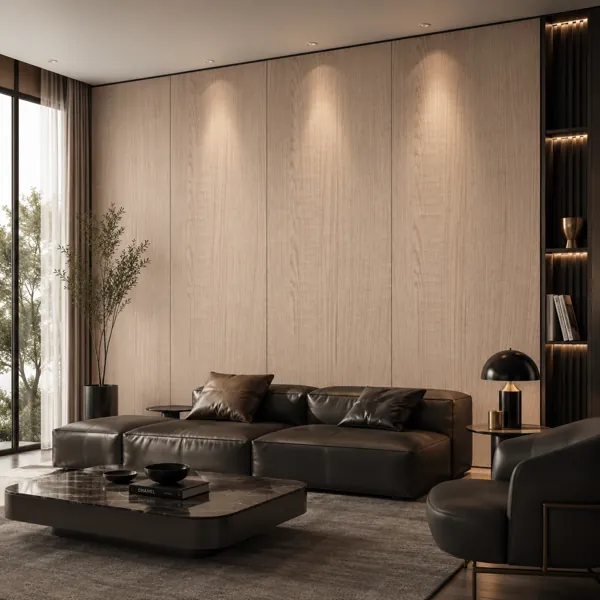
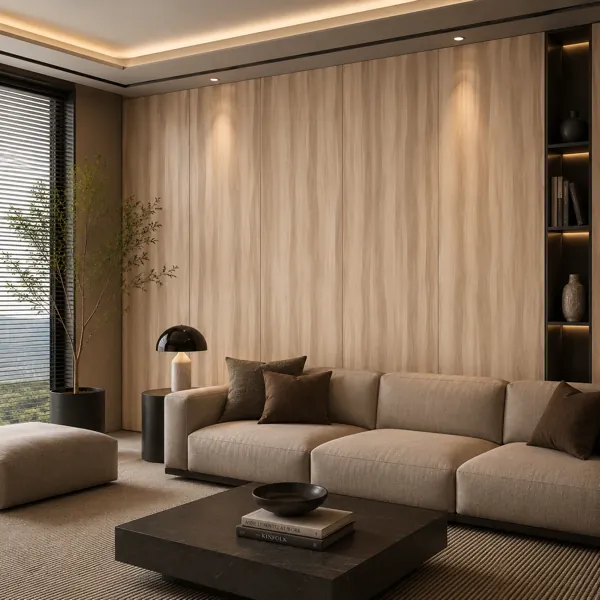
For interior design applications, this light wood texture can be used across wall panels, cabinetry, wardrobes, doors, shelving, built-in furniture, tables, reception surfaces, and other decorative architectural elements. It can work naturally in Living Room and Bedroom settings where light timber helps establish a warm neutral palette, while its controlled grain also suits Office, Cafe, Commercial, Kitchen, Entrance, and Childroom environments. The subtle coloration can be paired with Metal, Stone, Glass, Fabric, or darker wood accents, allowing designers to create contrast through surrounding materials while keeping the wood itself visually light and balanced.
In architectural visualization and CGI workflows, the directional grain makes material orientation particularly important. When applied to large panels, furniture fronts, doors, countertops, or elongated architectural components, the grain direction should follow the intended construction and design logic of the modeled surface. In 3ds Max, careful UV mapping and appropriate material scaling help retain the fine linear detail visible in the source. Avoid enlarging the grain excessively, as the closely spaced lines and delicate variations are central to the material's appearance. Correct mapping also helps prevent stretching and keeps the organic curves and linear formations proportional across different objects.
From an interior styling perspective, the texture works especially well with modern, minimalist, Scandinavian-inspired, warm contemporary, and neutral design schemes. Its pale beige base can visually brighten large surfaces, while the fine brown grain provides enough definition to prevent broad applications from appearing flat. On floor-to-ceiling wall cladding or expansive cabinetry, the linear structure can reinforce horizontal proportions and create a calm architectural rhythm. Soft daylight and controlled artificial illumination can reveal the grain naturally, while stronger directional lighting may emphasize the subtle differences between the lighter base and darker lines.
The supplied texture set lists Albedo, Alpha, AO, Bump, Diffuse Color, Edge, Emission, Height, Metallic, Normal, Packed Texture, and Roughness maps. These map types can support detailed PBR material construction according to the requirements of the selected rendering workflow. For convincing results, preserve the light beige base color, fine linear grain density, natural flowing formations, and subtle tonal contrast shown in the reference. Mapping scale, orientation, and surface response should be adjusted according to the target geometry while maintaining the recognizable visual character of this light wood texture.
Frequently asked questions
Is this texture free?
Yes. You can download it with a free Laruus account. Free textures are limited to 5 downloads per day.
Which software can I use this texture in?
The maps are standard image files, so they work in any renderer with PBR materials, such as Corona or V-Ray in 3ds Max, Blender, SketchUp with V-Ray or Enscape, and Unreal Engine.
What do I get when I download it?
A 104 MB download. It was added to Laruus on September 3, 2026.
Which spaces is it suitable for?
It suits Living Room, Bedroom, Office, Cafe, Commercial, Kitchen, Entrance, and Childroom projects. Style: Modern.
Are there 3D models that use this material?
Yes. Laruus has 3D models in the same material:
- Wood — 197Browse Armchairs (29)