
Wood Textures
Free seamless wood textures covering walnut, tan, blonde and dark brown tones, with fine wavy, narrow linear and ribbon grain patterns. Each texture ships as a full PBR set — albedo, normal, roughness, metallic, bump and edge maps — so the surface responds to light instead of reading as flat printed colour. For floor-specific laying patterns, see the Parquet category.
102 texturesPBR mapsFree download
102 results
FreeNew
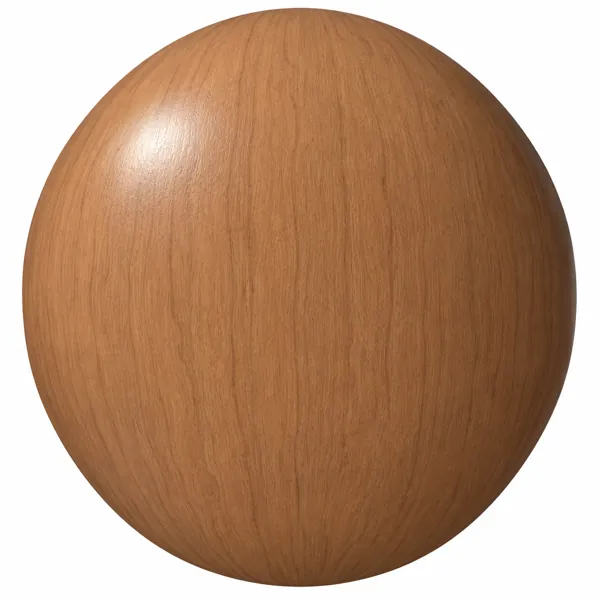
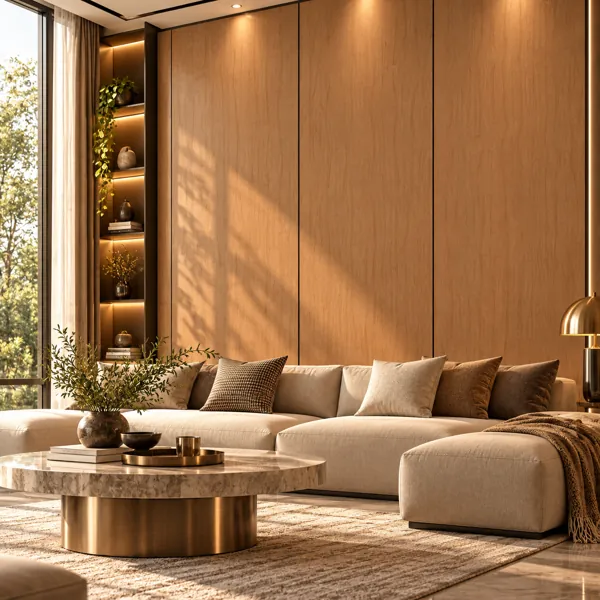
Warm Terracotta Brown Subtle Vertical Grain Wood Texture
Laruus
Save
Wishlist
Free
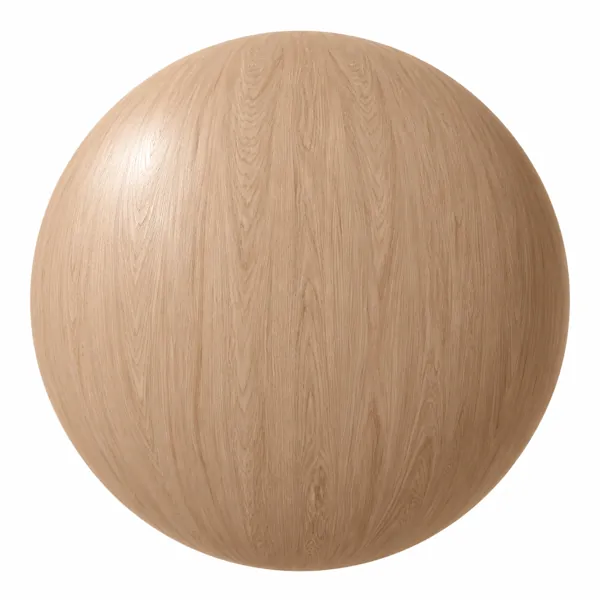
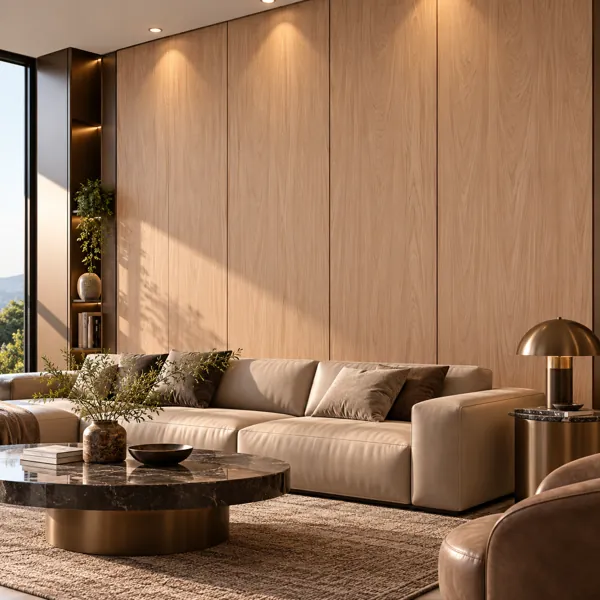
Warm Peach Beige Fine Grain Wood Texture
Laruus
Save
Wishlist
Free
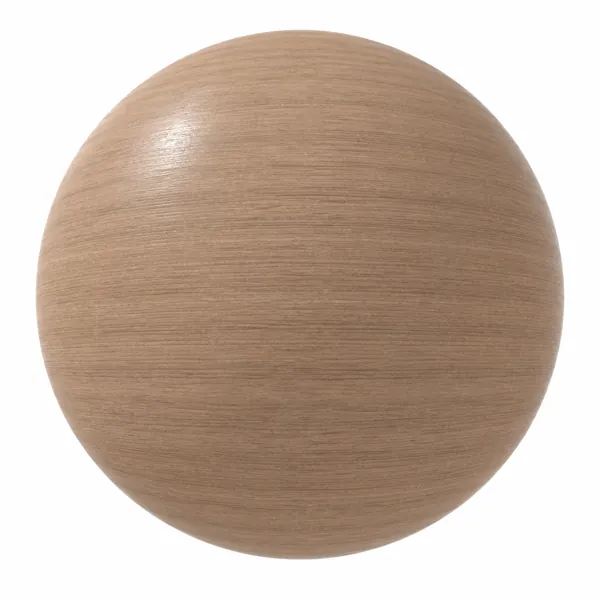
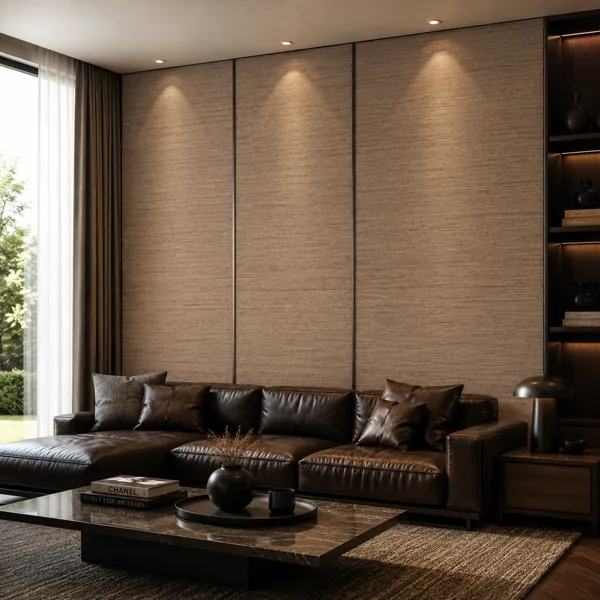
Light Taupe Fine Linear Grain Wood Texture
Laruus
Save
Wishlist
Free
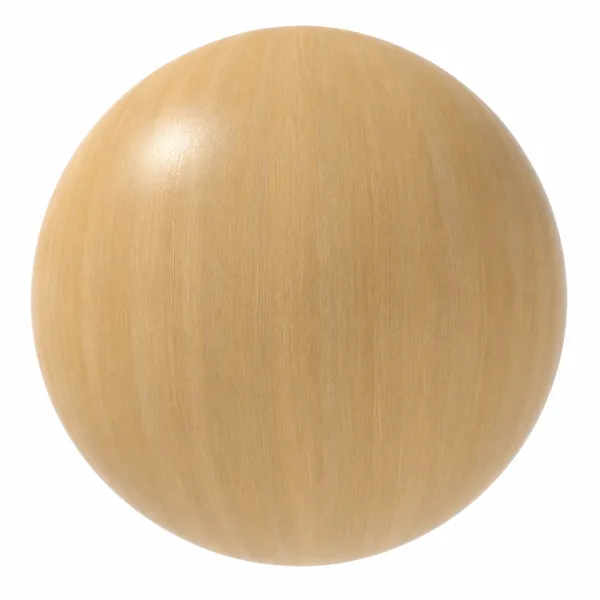
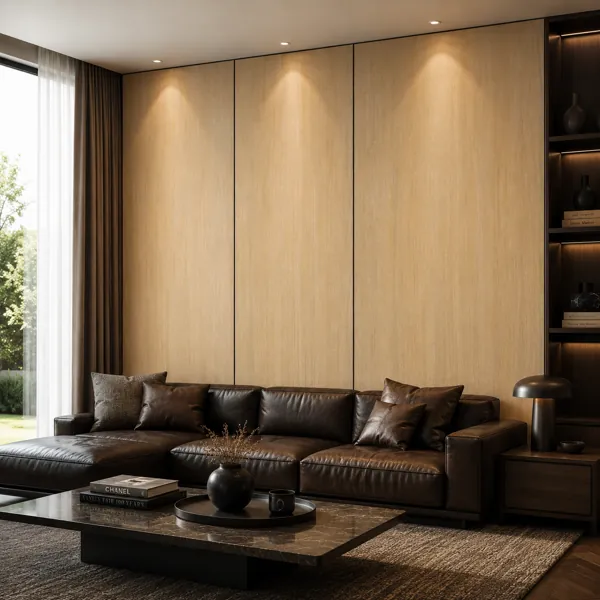
Light Golden Fine Linear Grain Wood Texture
Laruus
Save
Wishlist
Free
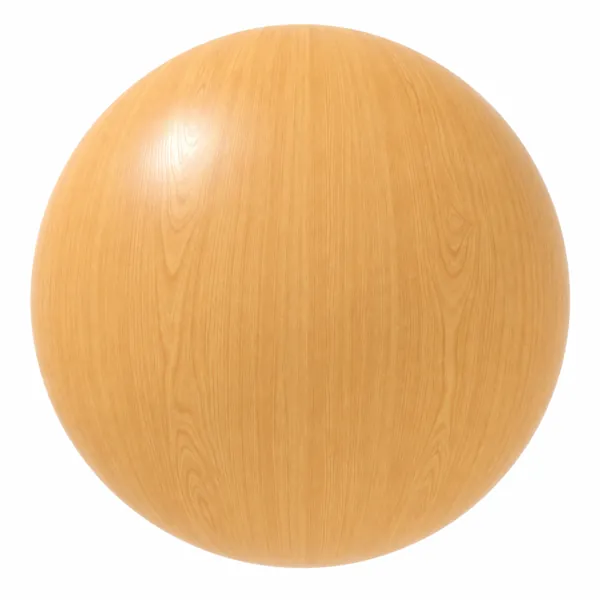
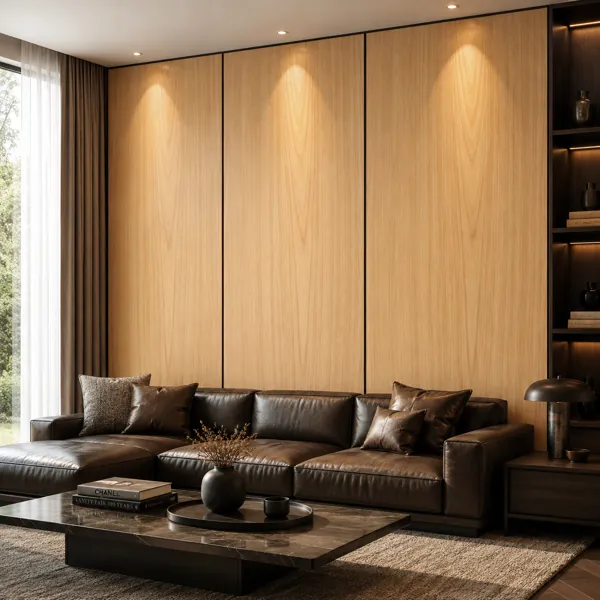
Warm Golden Fine Grain Wood Texture
Laruus
Save
Wishlist
Free
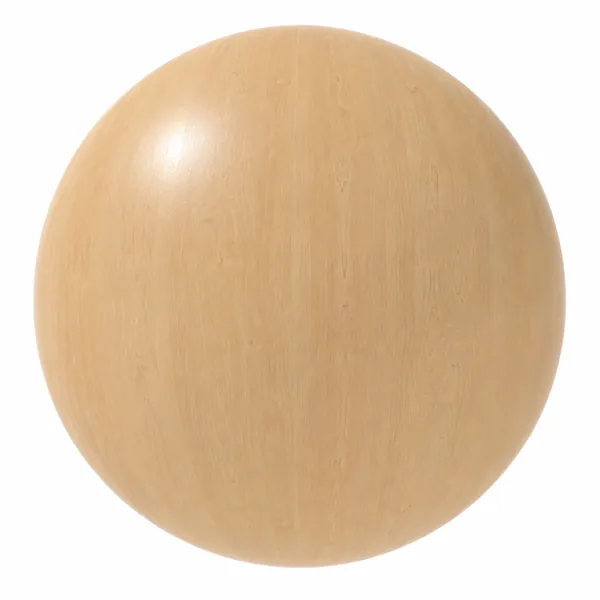
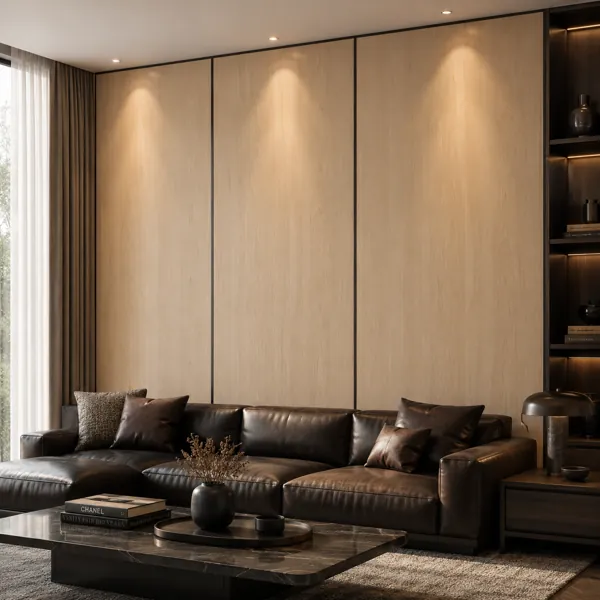
Light Blonde Fine Grain Natural Wood Texture
Laruus
Save
Wishlist
Free
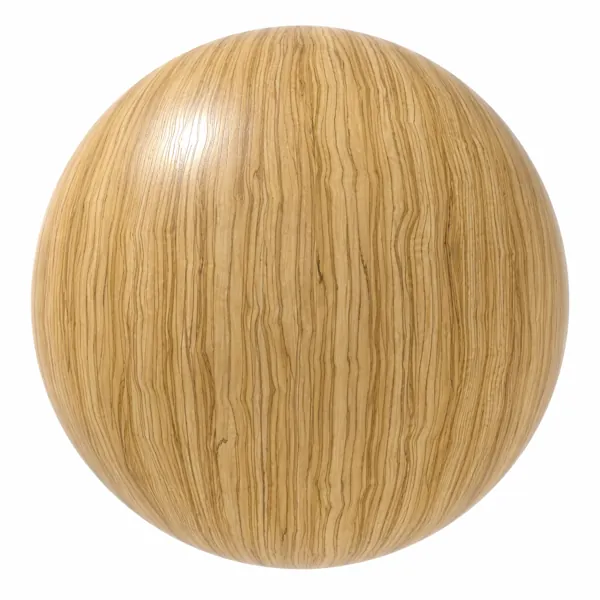
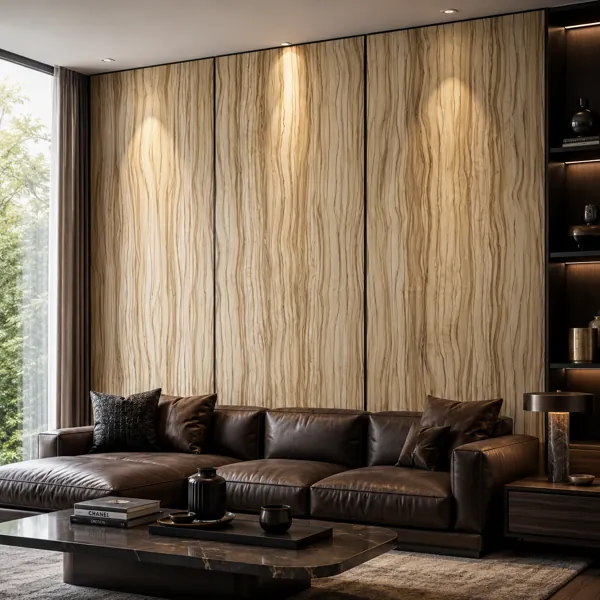
Warm Golden Wavy Grain Wood Texture
Laruus
Save
Wishlist
Free
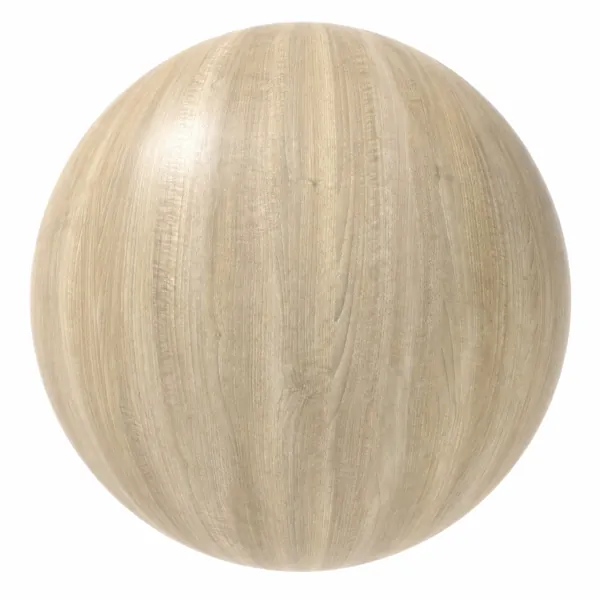
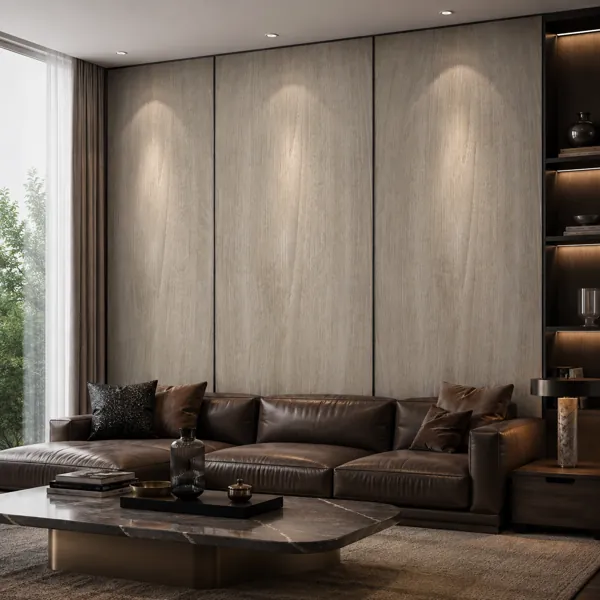
Pale Greige Fine Grain Wood Texture
Laruus
Save
Wishlist
Free
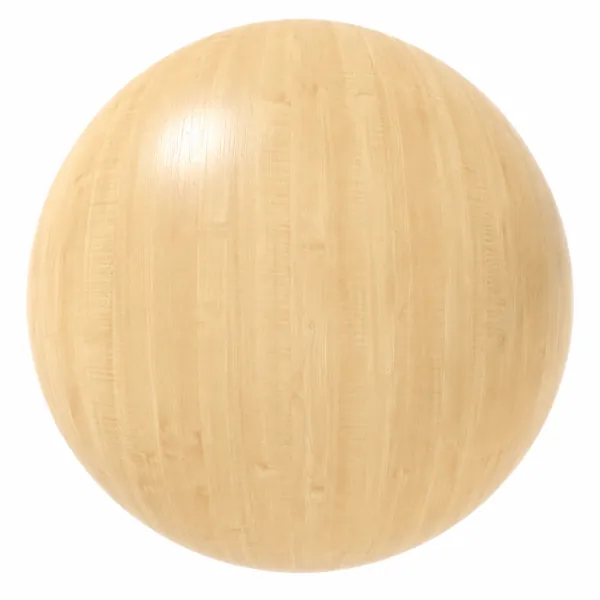
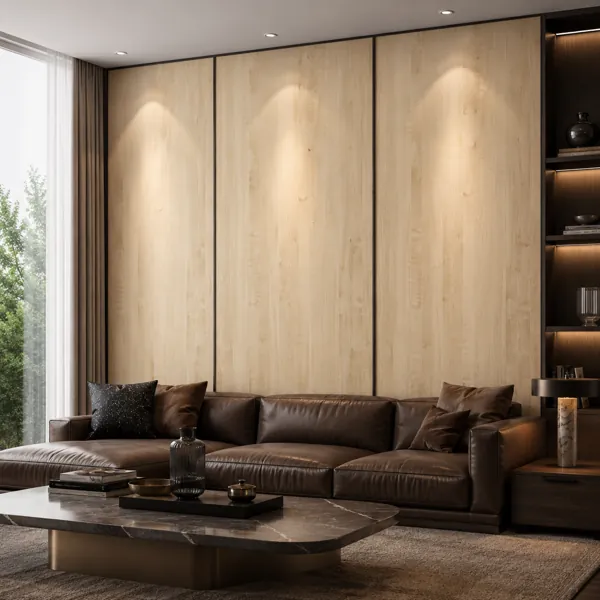
Pale Honey Straight Grain Wood Texture
Laruus
Save
Wishlist
Free
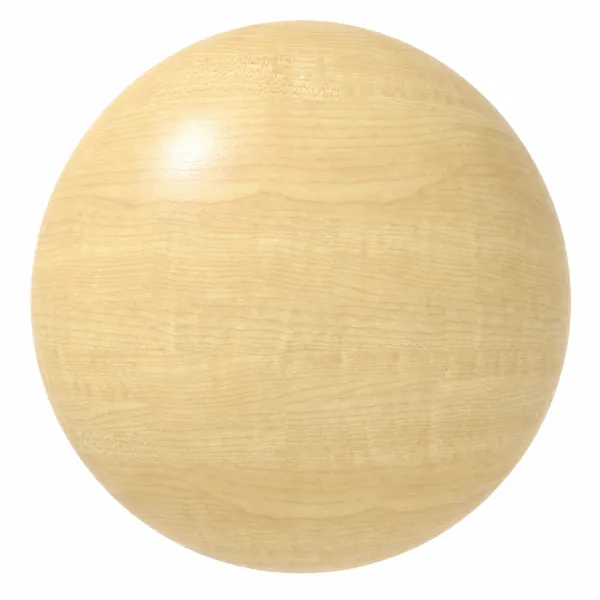
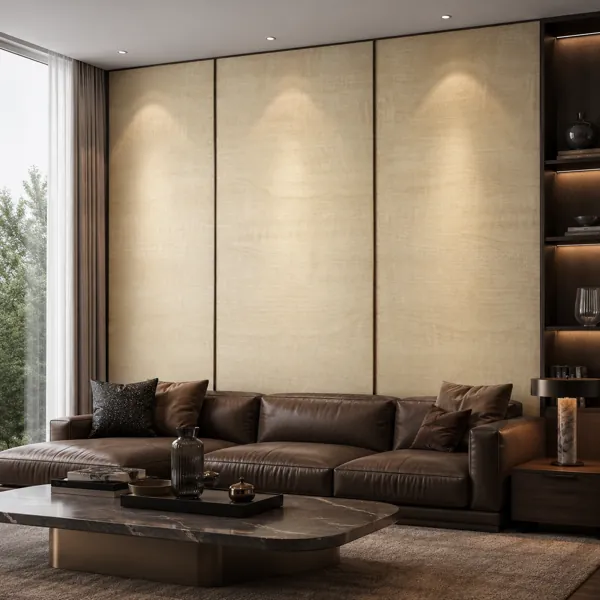
Pale Honey Fine Grain Wood Texture
Laruus
Save
Wishlist
Free
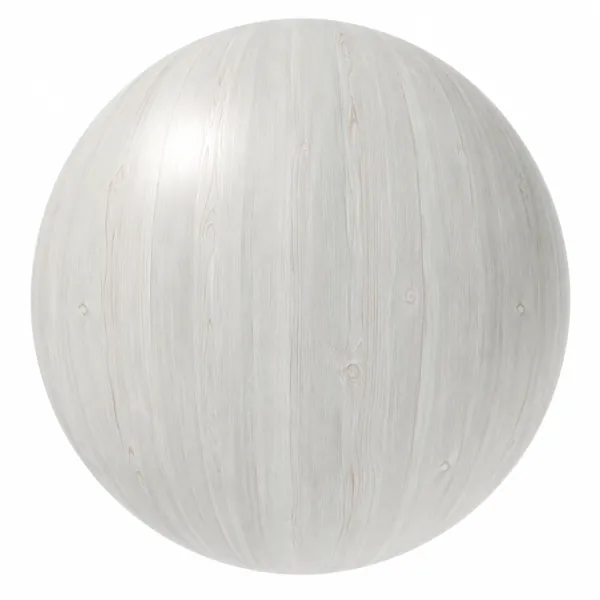
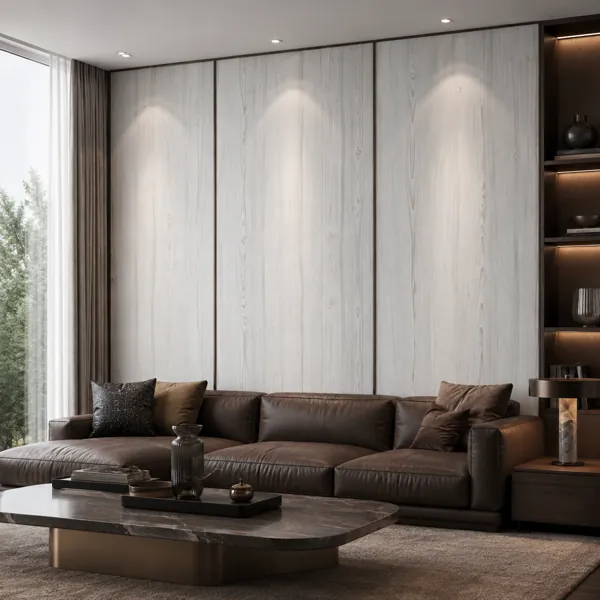
Whitewashed Fine Grain Wood Texture
Laruus
Save
Wishlist
Free
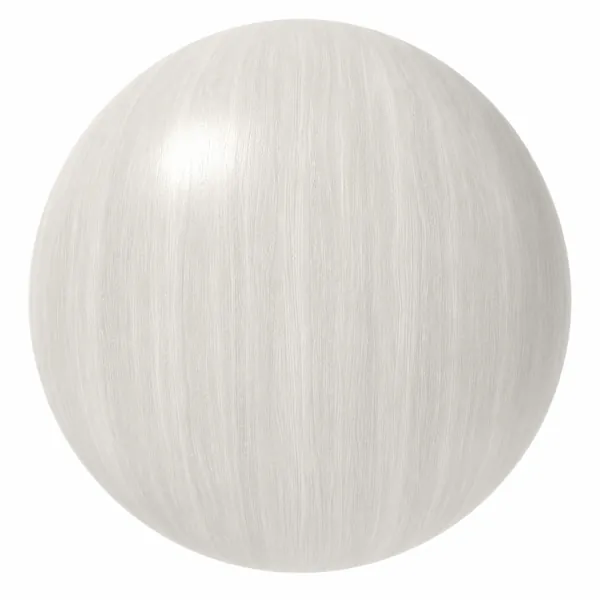
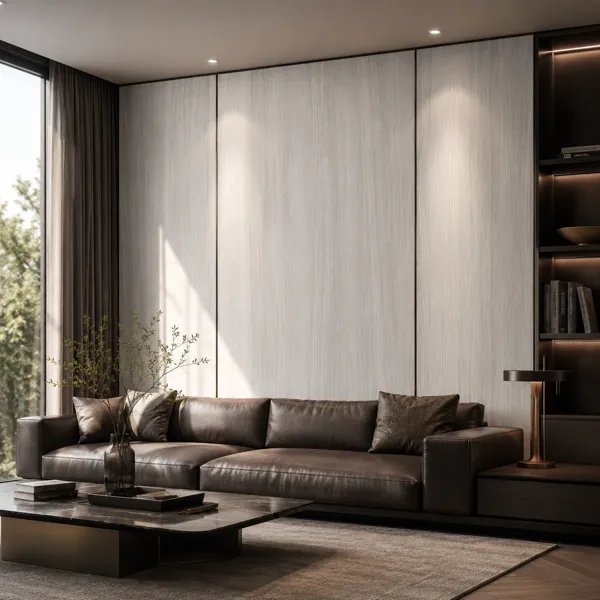
Whitewashed Fine Linear Grain Wood Texture
Laruus
Save
Wishlist
Wood Textures for Architectural Visualization
Wood is the surface most likely to be judged unconsciously. Viewers may not be able to say why a wooden panel looks wrong, but they will register it, because almost everyone has spent a lifetime looking at real timber.
Grain direction is the most common error and the easiest to avoid. Grain runs along the length of a board, and a table top with the grain running across its short axis reads as immediately wrong even to someone who has never worked with wood. When applying one of these textures to a model, checking that the UV orientation follows the object's long dimension is worth doing first, before any consideration of colour or scale.
Scale is the second issue. Grain has a real size — the distance between growth rings does not change because the object is larger. A texture applied at the same repeat to both a small side table and a full wall panel will make one of them look wrong, and usually the larger one, where the grain appears magnified into something closer to marble than timber.
The third consideration is variation. Real timber is assembled from separate boards, each with its own tone and figure. A large surface covered with a single repeated texture reads as printed laminate rather than wood, which is occasionally the intention but usually not. Where a wall or floor is meant to be individual boards, breaking it into separate pieces with slight tonal variation between them does more for realism than any single map improvement.
The range covers walnut, oak, ash, maple, tan and darker browns, with grain patterns from fine straight and narrow linear through soft vertical to broader wavy and ribbon figuring. Lighter species bounce light and open a room; darker species absorb it and need the scene lit accordingly.
Each texture ships as a complete PBR set — diffuse colour, normal, roughness, metallic, height, ambient occlusion and edge maps, plus a packed variant. Roughness is where wood finishes are distinguished from one another: the same oak grain reads as raw timber, oiled, satin lacquered or high gloss depending almost entirely on the roughness map and its variation. A uniform value produces the plastic look that is the usual giveaway.
For floor laying patterns — plank runs, herringbone, chevron — the parquet category covers those specifically. These wood surfaces apply directly to the furniture frames throughout the model catalogue.