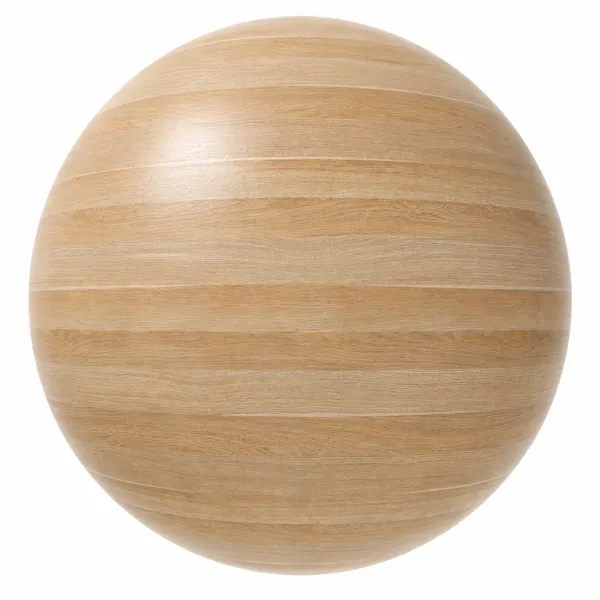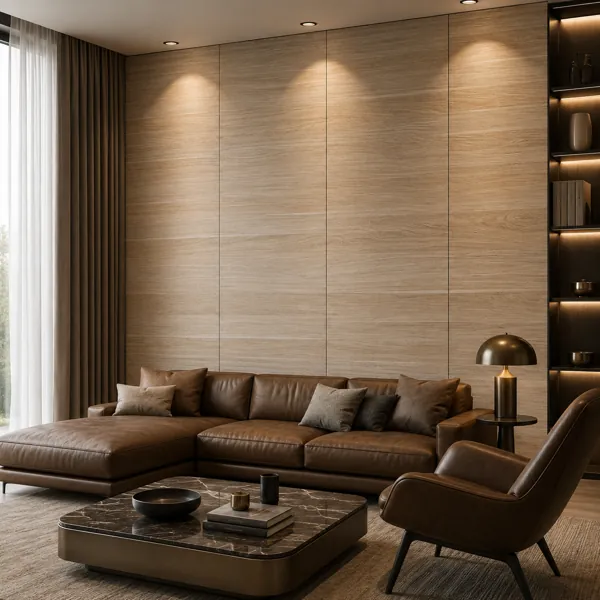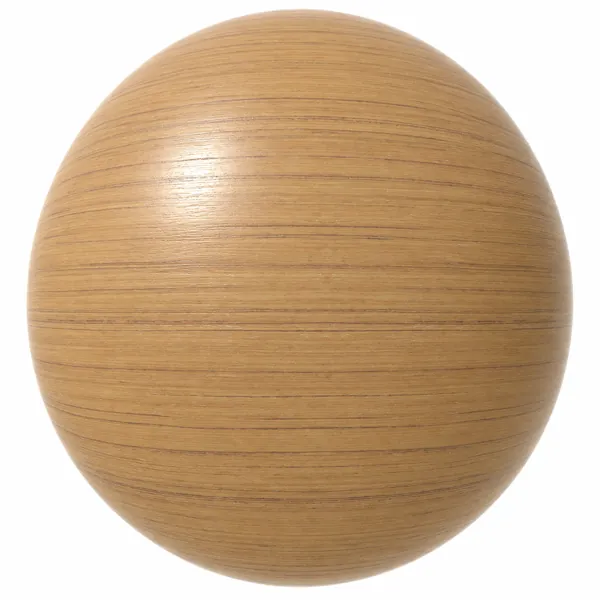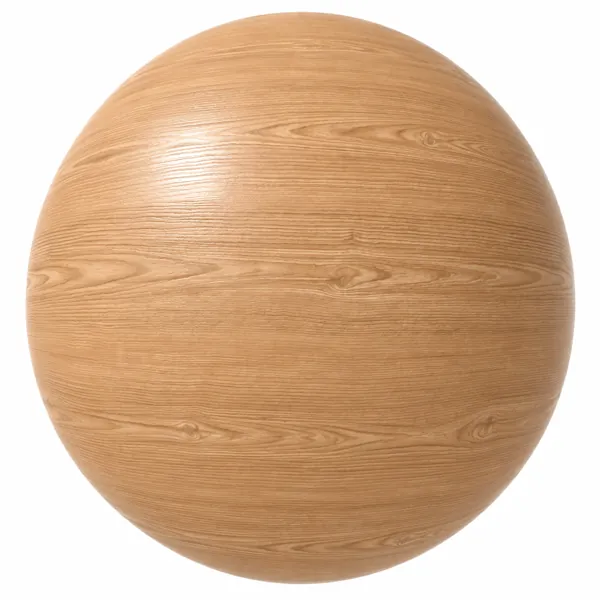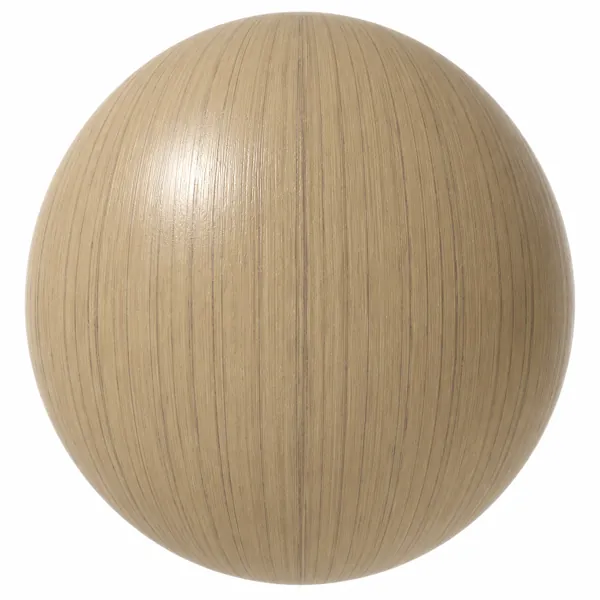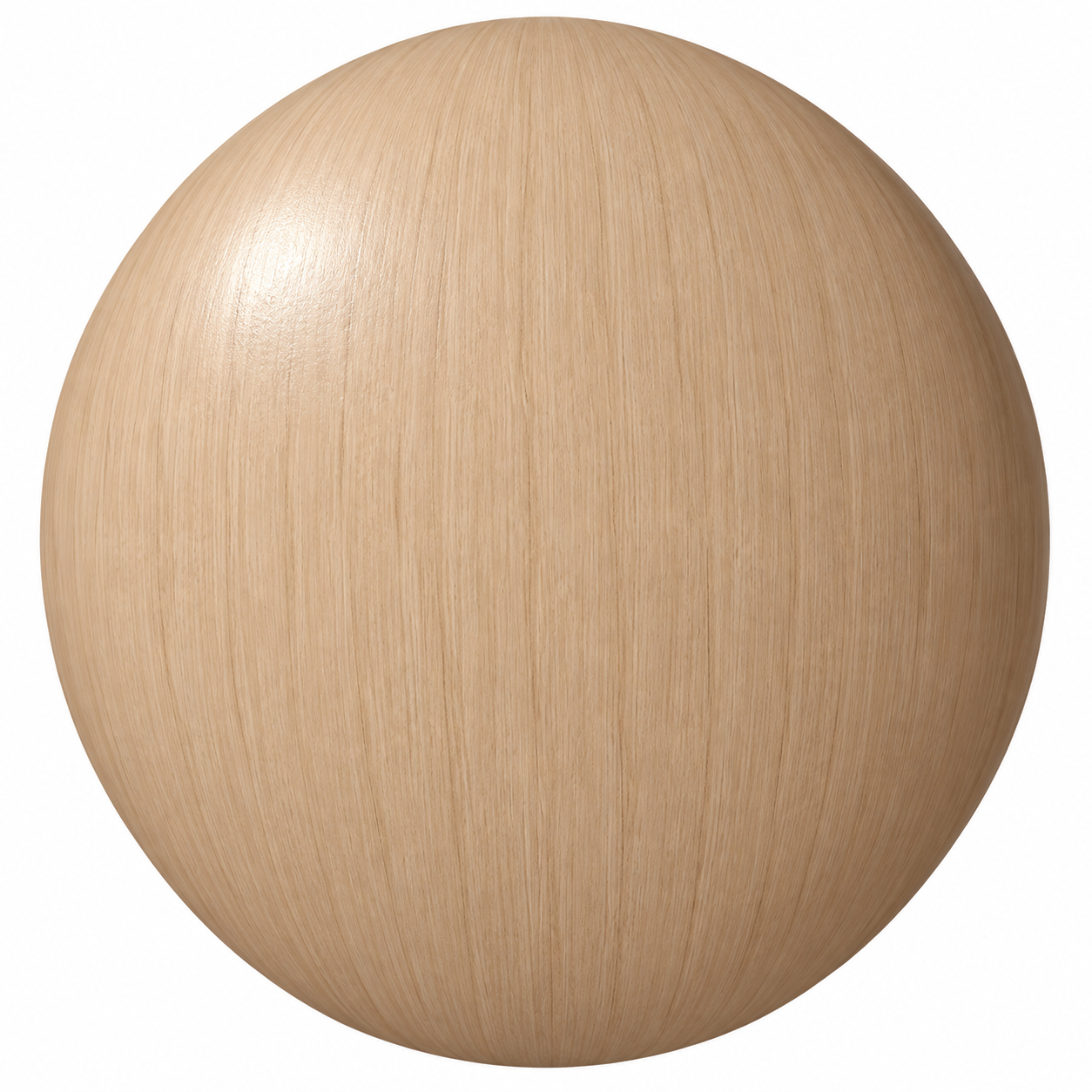
Warm Peach Beige Fine Straight Grain Wood Texture
Wood No. 00128
FREE
Specifications
- Brand
- Laruus
- Style
- Modern
- Material
- Wood
- Suitable spaces
- Living Room, Bedroom, Office, Cafe, Commercial, Kitchen, Entrance, Childroom
- Color
- BeigeBrown
- File types
- Albedo MapAlpha MapAO MapBump MapDiffuse Color MapEdge MapEmission MapHeight MapMetallic MapNormal MapPacked Texture MapRoughness Map
Warm Peach Beige Fine Straight Grain Wood Texture - High Resolution Seamless PBR Textures
Description
The Warm Peach Beige Fine Straight Grain Wood Texture features a soft, warm wood appearance distinguished by closely spaced vertical grain lines and a balanced peach beige color palette. Its most recognizable characteristic is the fine, predominantly straight grain that extends consistently across the image, creating a restrained linear pattern without large knots or dramatic swirling figures. Light beige forms the foundation of the surface, while gentle peach brown undertones introduce warmth and natural variation. The grain consists of numerous thin, slightly irregular lines that alternate between lighter and darker shades, producing a delicate striped effect. Rather than drawing attention through strong contrast, the texture establishes a calm visual rhythm that works naturally with modern and minimalist interiors. Its relatively uniform appearance makes it particularly useful when a subtle wood finish is preferred over highly figured timber. The exact botanical species cannot be identified reliably from the supplied image, so the material is described according to its visible coloration and grain characteristics.
The wood surface displays a dense arrangement of fine longitudinal fibers, with most lines running vertically from the upper to the lower edge. Although the overall direction is straight, individual strands show minor variations in thickness, spacing, and curvature, preventing the pattern from appearing mechanically uniform. The color transitions gradually between pale beige, warm peach beige, and muted light brown. These variations remain gentle throughout the image, with no pronounced dark knots, deep cracks, or strong boundaries between separate boards. Certain areas contain slightly denser groups of darker fibers, while others appear lighter and more open. This creates a subtle layered effect without disrupting the consistent linear character. The surface visually resembles finely grained decorative wood, but the image alone does not establish whether the original material is solid timber, veneer, engineered wood, or a digitally processed wood image. Physical dimensions, actual grain scale, surface coating, and manufacturing methods cannot be confirmed from the preview. The absence of obvious seams within the image also does not independently verify seamless edge-to-edge tiling.
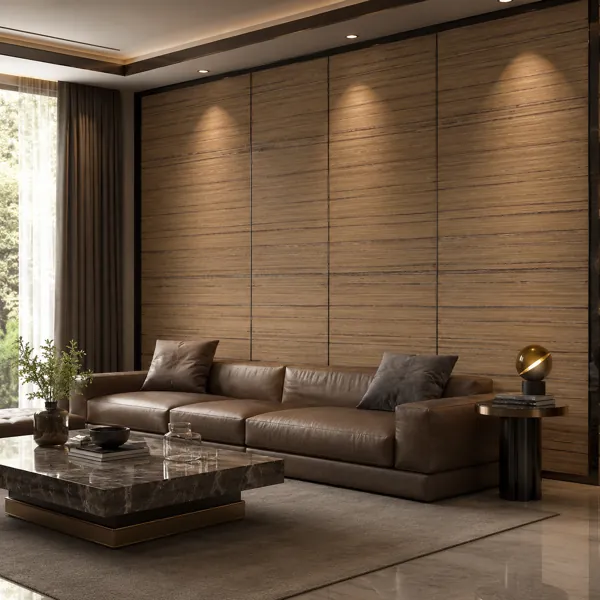
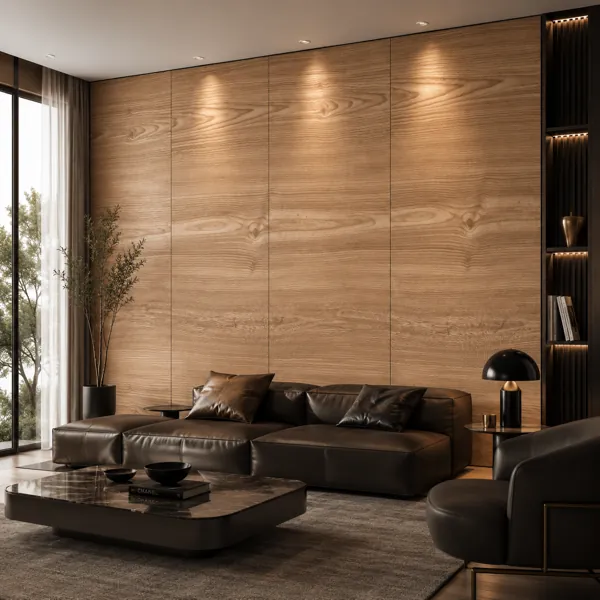
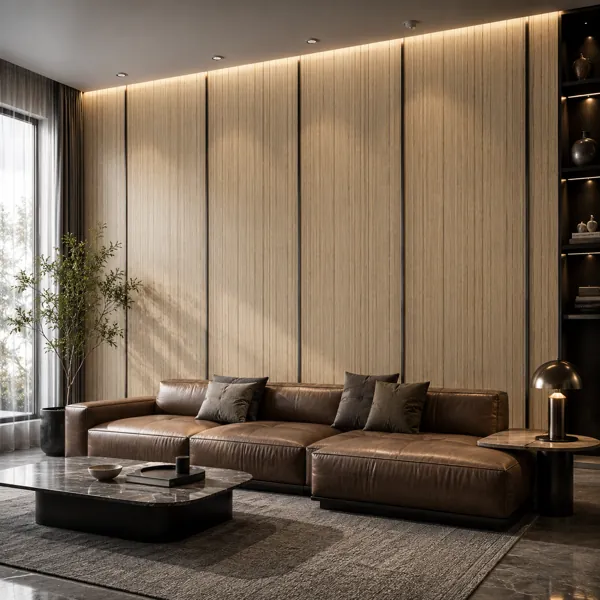
This warm peach beige wood texture can be considered for visualizing furniture panels, cabinet doors, shelving, interior wall cladding, decorative partitions, tabletops, and built-in storage systems. Its gentle coloration suits contemporary living rooms, bedrooms, offices, cafes, commercial interiors, and modern kitchen concepts. On tall cabinetry, the vertical grain orientation can reinforce the perceived height of doors and panels. On horizontal surfaces such as desks or dining tables, the texture may be rotated to align the fibers with the length of the furniture. Its fine pattern is also suitable for visualizing large uninterrupted panels where strongly contrasting knots might distract from the overall design. Bedroom furniture, reception counters, wardrobe systems, and minimalist shelving can all be explored using this type of wood appearance. These examples represent potential design applications rather than verified physical installation recommendations. Properties such as water resistance, abrasion resistance, fire performance, and structural suitability cannot be determined from the supplied color image.
In architectural visualization and CGI, the texture offers a restrained wood color reference for material development in 3ds Max and other compatible 3D applications. Its predominantly straight grain provides a clear directional structure that can be aligned with furniture geometry through UV mapping. When applied to cabinet fronts, consistent vertical alignment helps preserve the intended visual proportions. For long countertops, shelves, or horizontal wall panels, rotating the texture coordinates may produce a more convincing grain direction. Material scale should be adjusted according to the dimensions of the modeled object, since excessively enlarged fibers may appear unnatural and overly compressed details may lose definition. The relatively even distribution of grain can help maintain visual consistency across broad surfaces, although repeated areas and texture boundaries should still be inspected carefully. Lighting and shader settings also influence how the subtle differences between peach, beige, and light brown appear in the final rendering.
Within modern interior design, the warm peach beige palette introduces a gentle natural character without the stronger yellow coloration associated with some golden wood finishes. The surface can complement off-white walls, cream upholstery, warm gray textiles, pale stone, and matte metal details. Its delicate vertical lines work particularly well alongside simple cabinetry, clean architectural profiles, and furniture with understated geometry. In minimalist residential interiors, similar wood appearances can create a visual connection between wall panels, storage units, and freestanding furniture. The warm undertones can soften spaces dominated by neutral materials, while the fine grain adds detail without creating a visually busy background. Under warm artificial lighting, the peach brown notes may become more pronounced, whereas neutral daylight can emphasize the lighter beige foundation. Evaluating the texture under different lighting conditions is therefore useful when coordinating material colors in an interior scene.
The supplied image confirms a warm peach beige color range, dense fine grain, predominantly vertical fiber orientation, and subtle tonal variation. It does not confirm the exact wood species, physical dimensions, surface finish, or seamless tiling performance. The product information lists Albedo, Alpha, AO, Bump, Diffuse Color, Edge, Emission, Height, Metallic, Normal, Packed Texture, and Roughness maps, but the contents and technical properties of these individual maps cannot be verified from the single provided color preview. In a PBR material workflow, available and validated maps can be connected to their appropriate shader inputs to control base color, surface roughness, normal detail, and height information. Metallic and emission values should only be used when technically relevant to the intended material. Before final rendering, review UV orientation, grain scale, repeated patterns, texture seams, and the interaction between the wood color and scene illumination.
Frequently asked questions
Is this texture free?
Yes. You can download it with a free Laruus account. Free textures are limited to 5 downloads per day.
Which software can I use this texture in?
The maps are standard image files, so they work in any renderer with PBR materials, such as Corona or V-Ray in 3ds Max, Blender, SketchUp with V-Ray or Enscape, and Unreal Engine.
What do I get when I download it?
A 32.5 MB download. It was added to Laruus on October 24, 2026.
Which spaces is it suitable for?
It suits Living Room, Bedroom, Office, Cafe, Commercial, Kitchen, Entrance, and Childroom projects. Style: Modern.
Are there 3D models that use this material?
Yes. Laruus has 3D models in the same material:
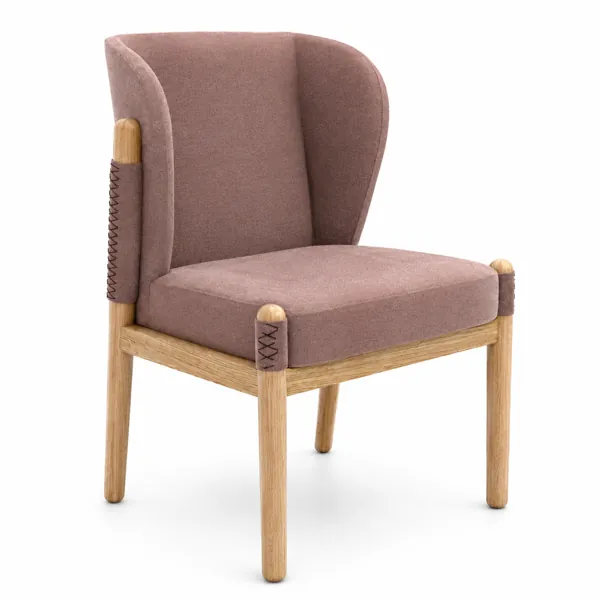
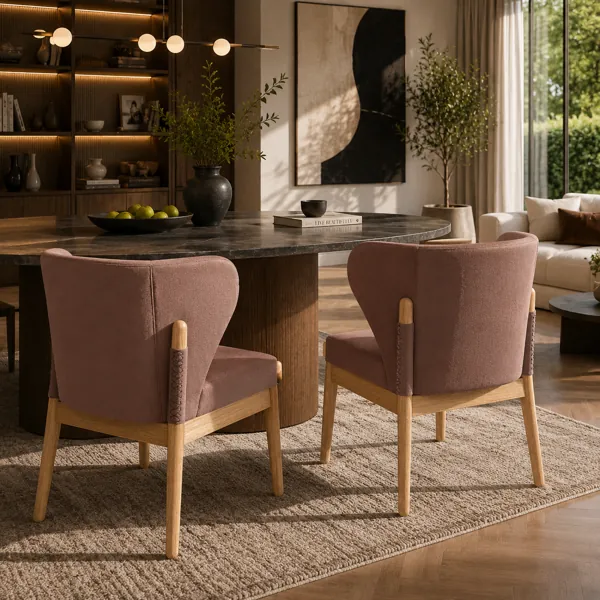
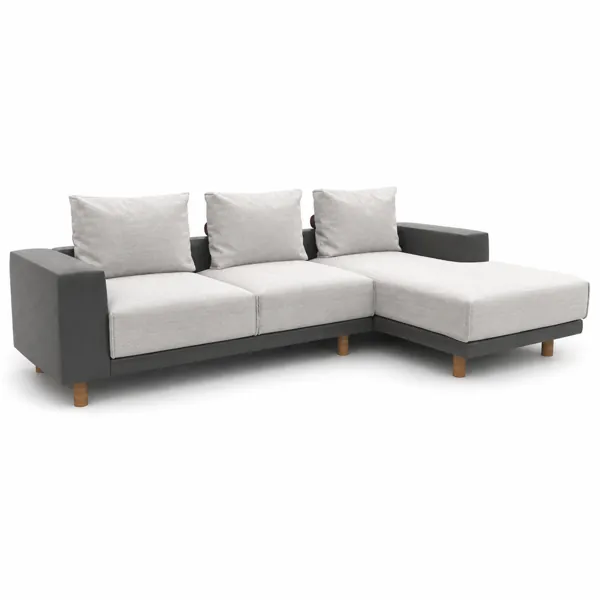
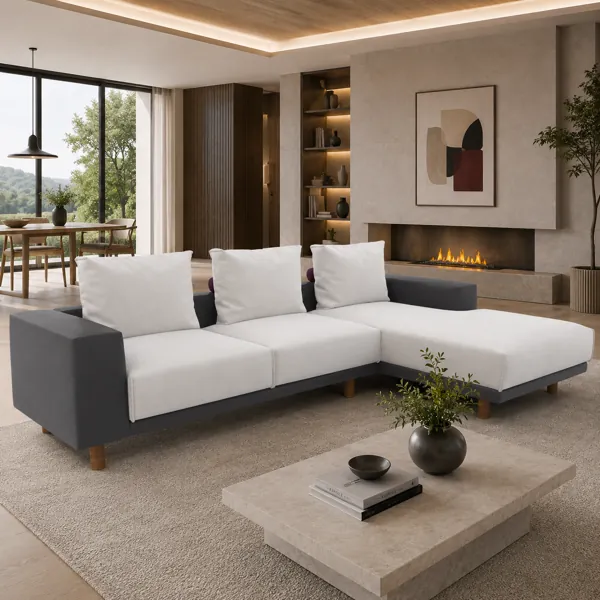
- Wood — 210Browse Armchairs (29)