
Armchairs 3D Models
Free armchairs and accent seating for living rooms, lounges and hotel interiors: tub chairs, button-tufted club chairs, spindle-frame sling seats and sculptural lounge forms. Fabric, velvet, leather and woven upholstery over wood or metal frames. Each model is a full 3ds Max scene with Corona Renderer materials, so the chair renders correctly the moment it is merged in.
55 models3ds Max · Corona Renderer · FBXFree download
55 results
Free
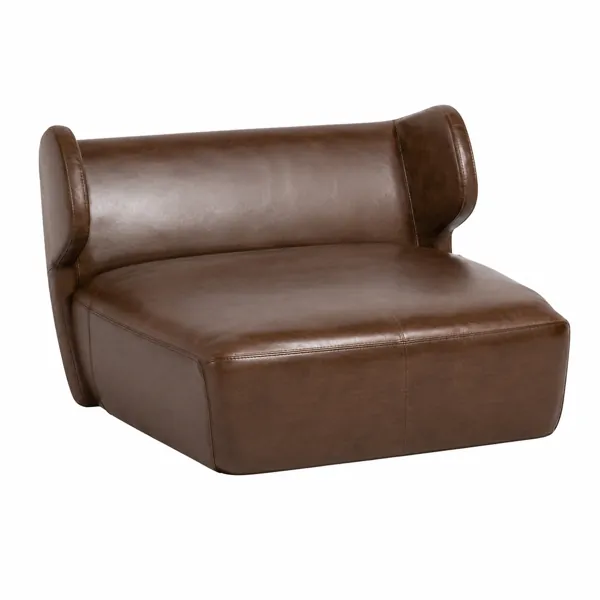
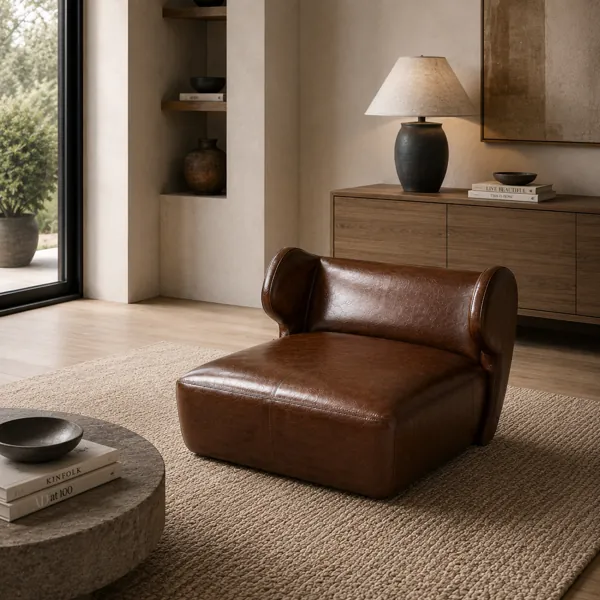
Brown Curved Leather Lounge Chair 3D Model
Laruus
Save
Wishlist
Free
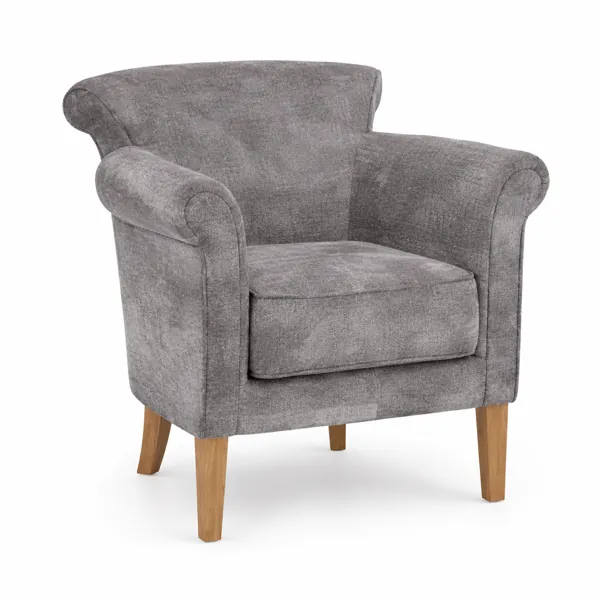
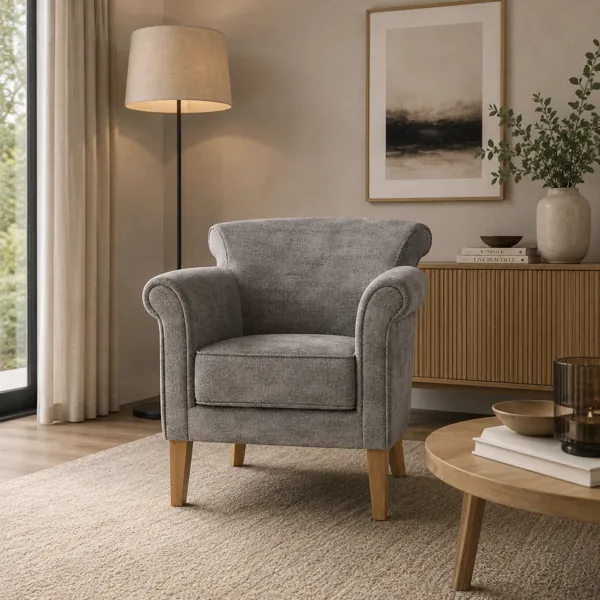
Light Gray Fabric Armchair with Wooden Legs 3D Model
Laruus
Save
Wishlist
Free
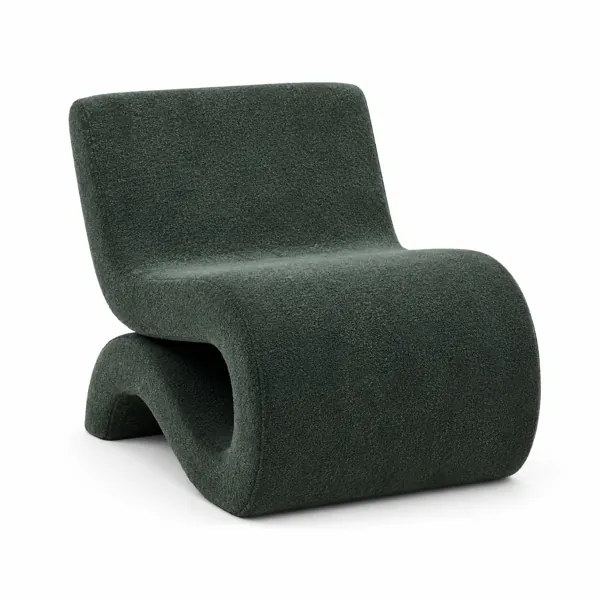
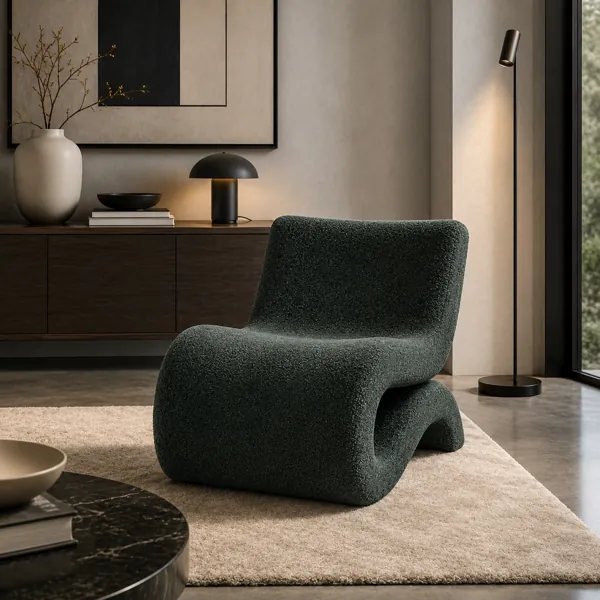
Dark Green Bouclé Sculptural Lounge Chair 3D Model
Laruus
Save
Wishlist
Free
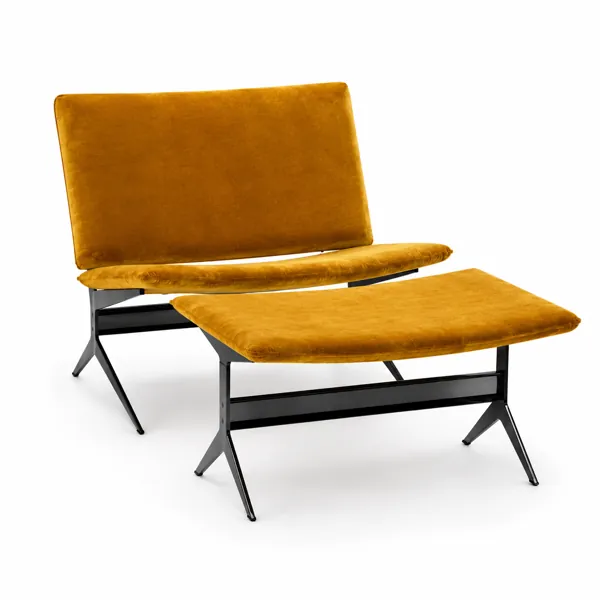
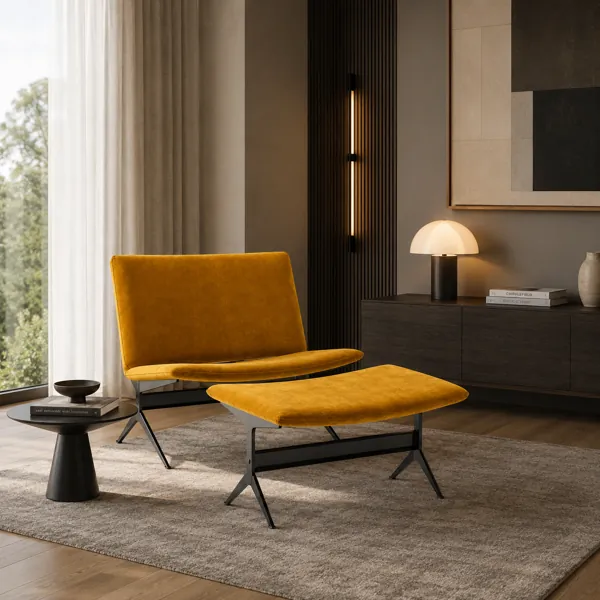
Modern Mustard Velvet Lounge Chair with Ottoman 3D Model
Laruus
Save
Wishlist
Free
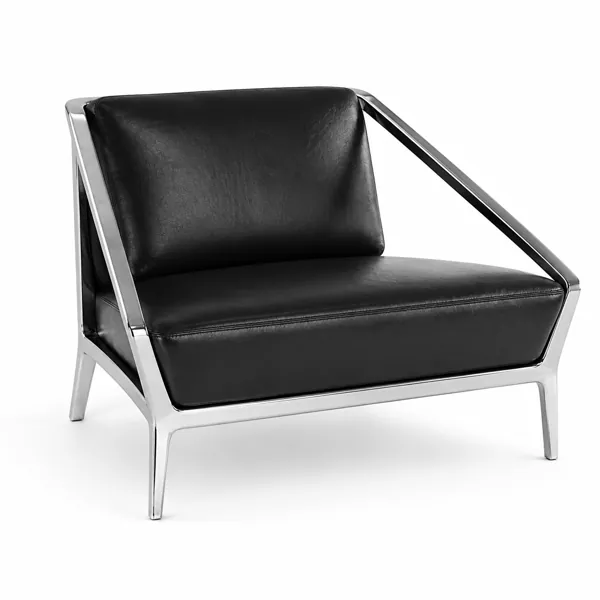
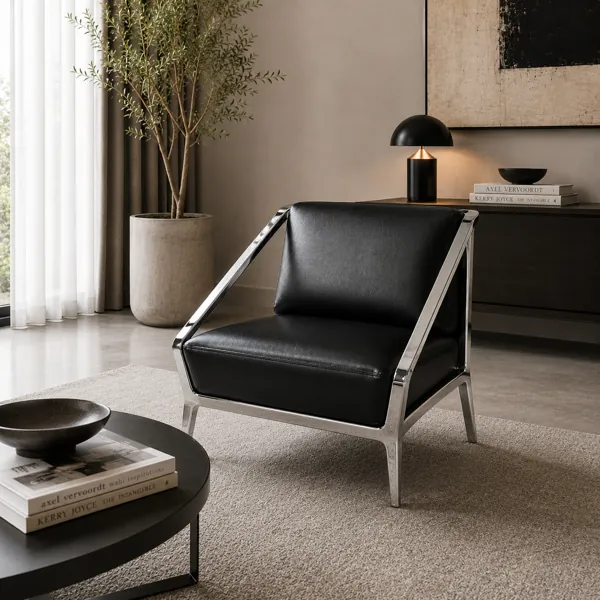
Modern Black Leather Lounge Armchair with Chrome Frame 3D Model
Laruus
Save
Wishlist
Free
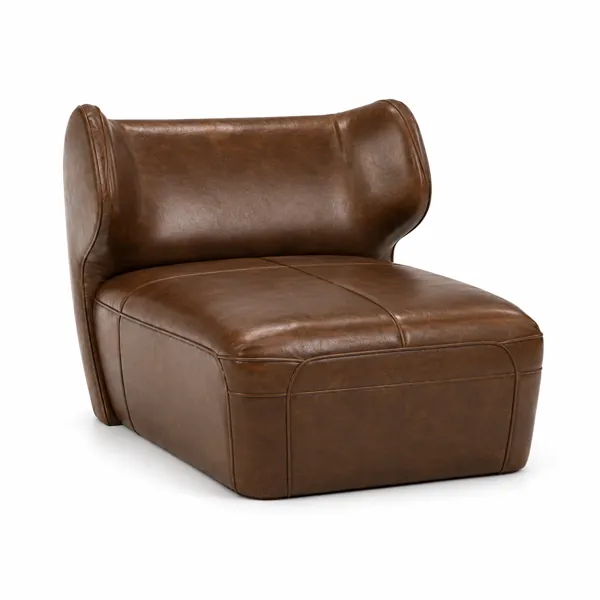
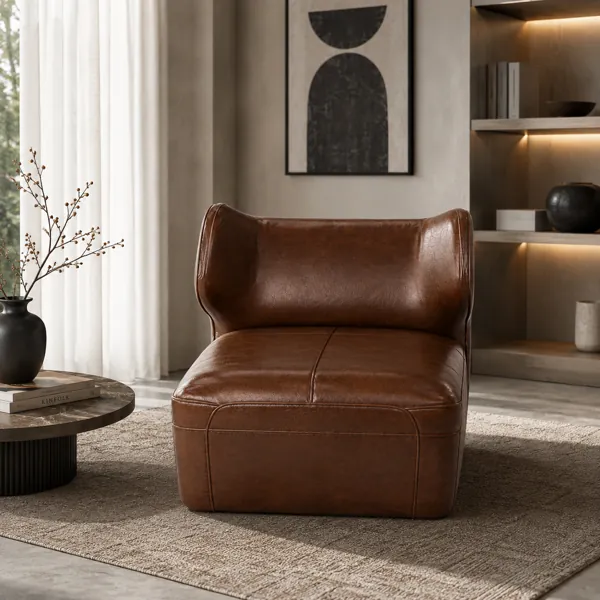
Modern Cognac Leather Curved Lounge Armchair 3D Model
Laruus
Save
Wishlist
Free
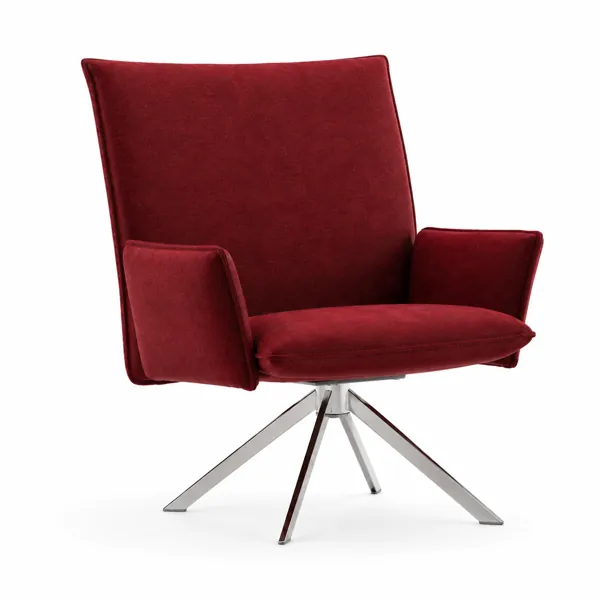
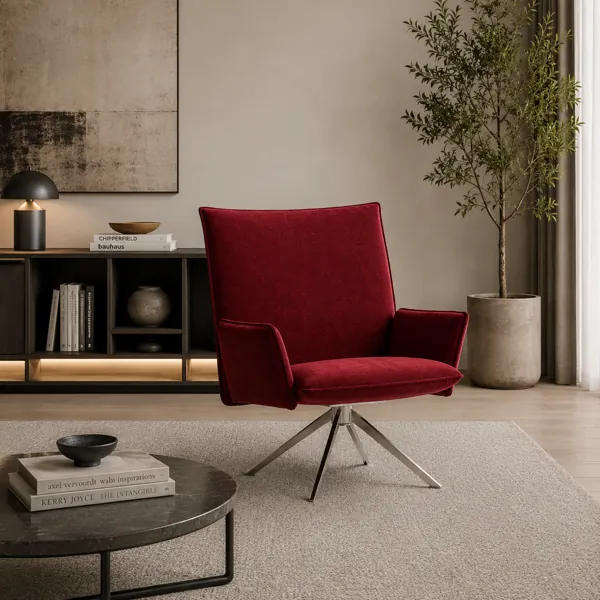
Modern Burgundy Fabric Swivel Lounge Armchair 3D Model
Laruus
Save
Wishlist
Free
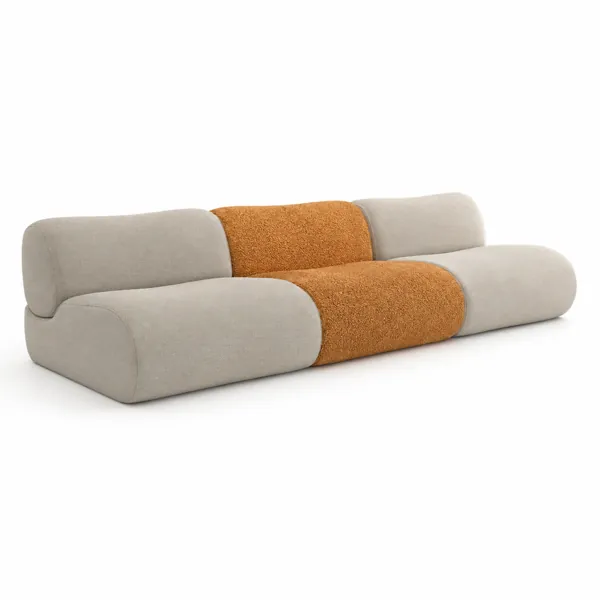
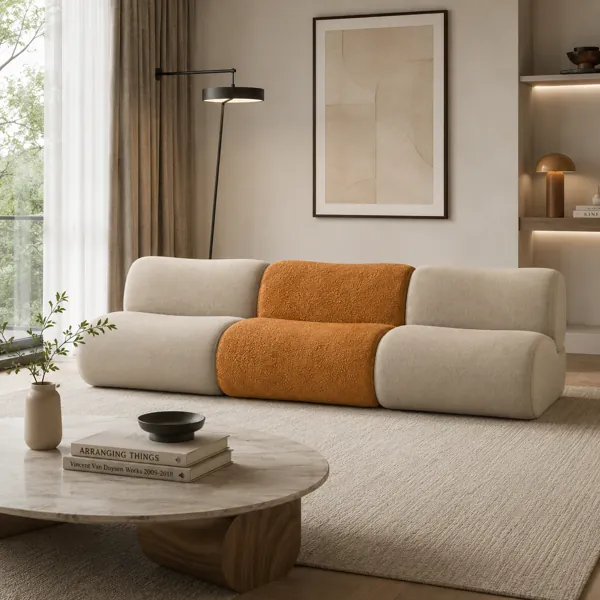
Modern Beige Camel Fabric Modular Lounge Sofa 3D Model
Laruus
Save
Wishlist
Free
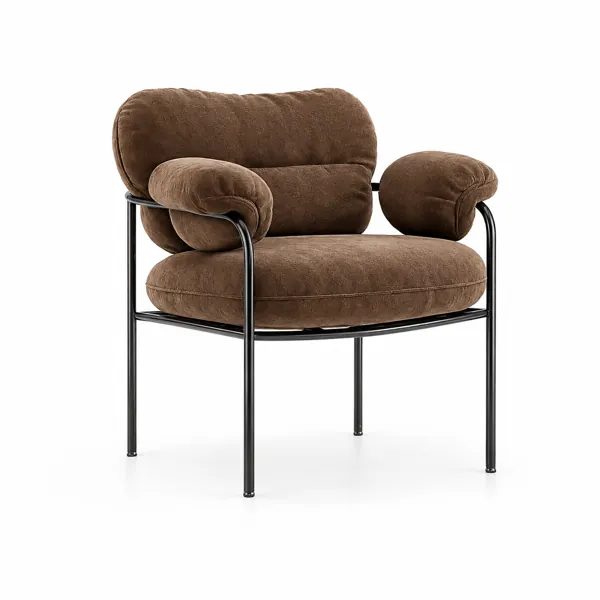
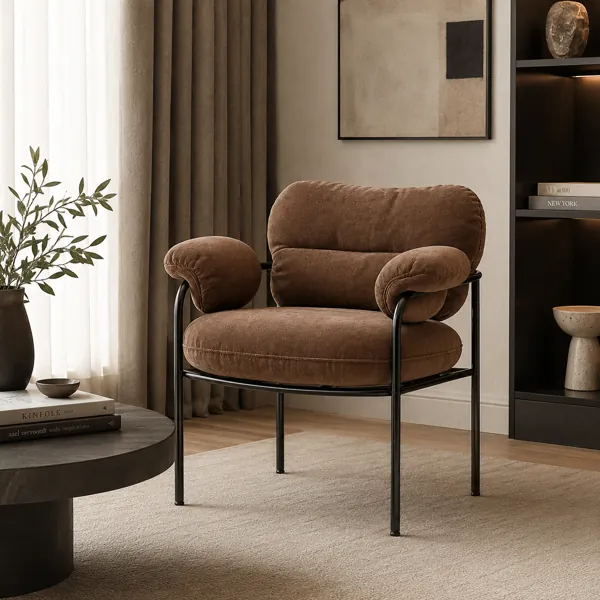
Modern Mocha Fabric Lounge Armchair with Black Metal Frame 3D Model
Laruus
Save
Wishlist
Free
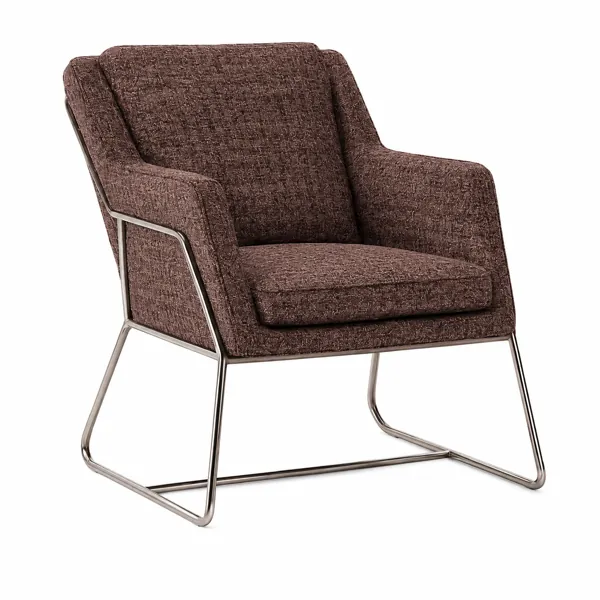
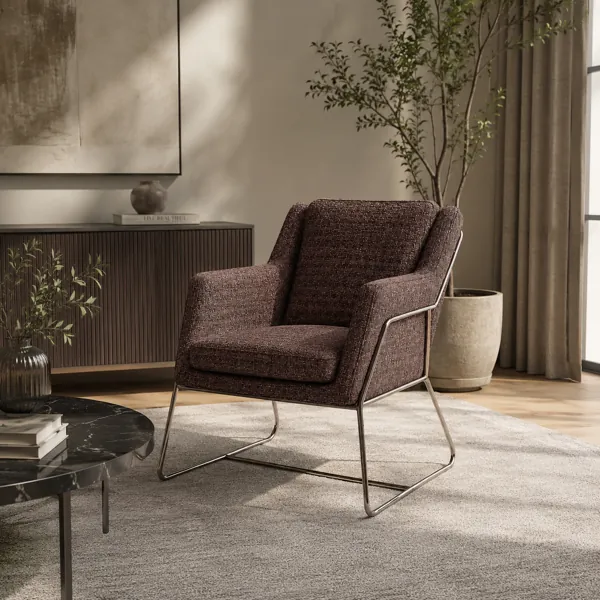
Brown Fabric Armchair with Sled Metal Frame 3D Model
Laruus
Save
Wishlist
Free
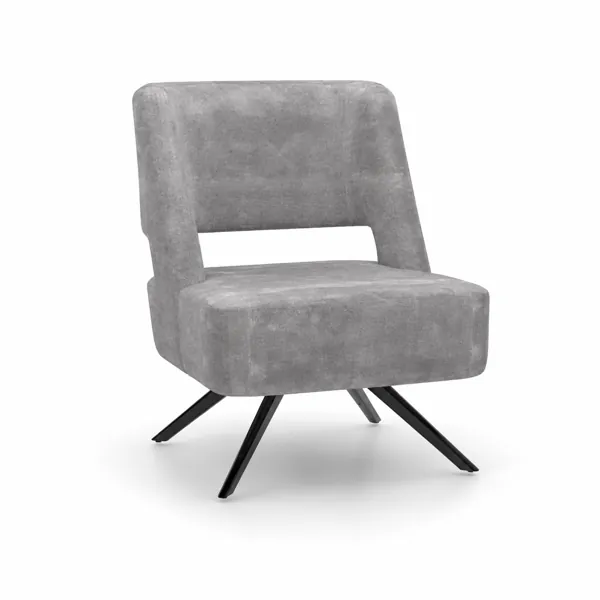
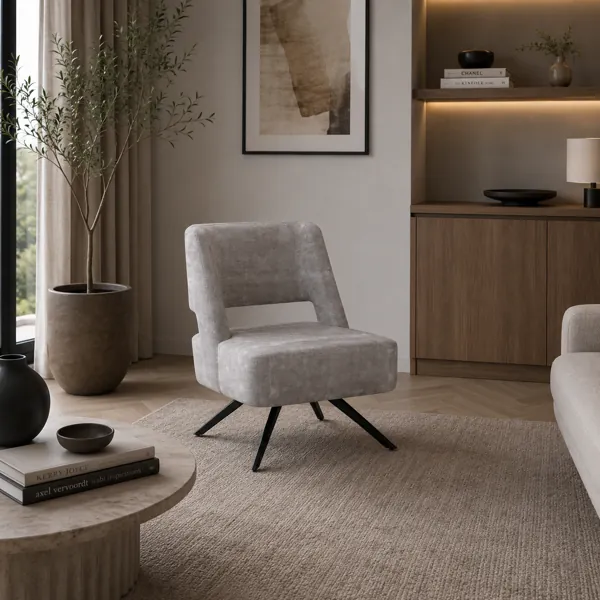
Gray Upholstered Armchair – Open Back & Black Splayed Legs 3D Model
Laruus
Save
Wishlist
Free
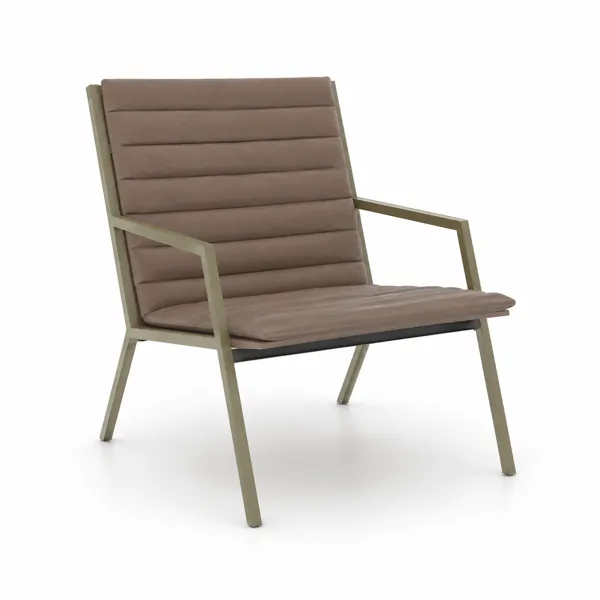
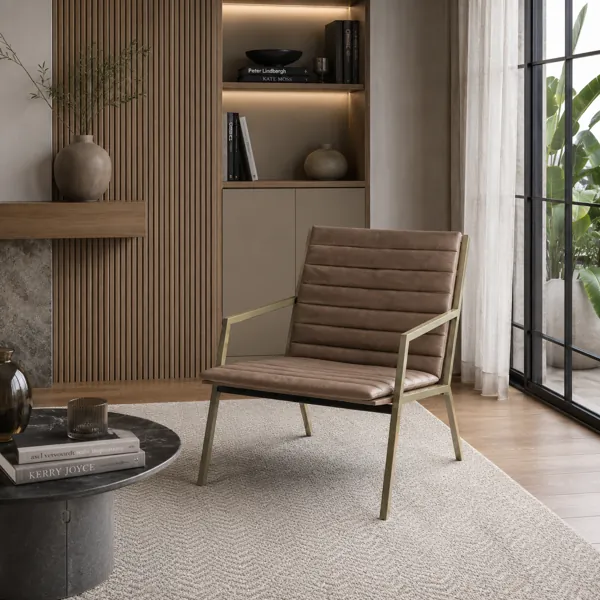
Taupe Channel-Padded Armchair – Olive Metal Frame 3D Model
Laruus
Save
Wishlist
Armchairs 3D Models for Architectural Visualization
An armchair earns its place in a render by being the object a viewer's eye lands on second — after the sofa, before the coffee table. That makes it the piece most worth getting right in the foreground and the one most safely simplified in the background.
The forms here divide by how much volume they occupy. Tub and club chairs enclose the sitter and read as heavy; they anchor a corner and hold their shape at any distance. Spindle-frame and sled-base chairs are largely negative space, which makes them useful when a room is already visually crowded — they occupy floor area without blocking the view through. Sculptural and winged-back forms sit between the two and tend to photograph well in isolation, which is why they work as the single accent piece in an otherwise restrained scheme.
Frame material changes the lighting problem more than the silhouette does. Wood frames are forgiving. Metal frames — particularly chrome and polished brass — need something in the environment to reflect, or they go dead grey. A chair with a chrome sled base rendered against an empty white studio backdrop will look wrong no matter how good the model is; it needs a room, or at minimum an HDRI with some structure in it.
Upholstery runs through fabric, velvet, leather and woven textiles. Leather deserves particular attention on tufted pieces: the button pulls create compression creases that catch light, and if the roughness map is uniform across the surface those creases vanish and the tufting reads as an embossed pattern rather than real deformation. Varying roughness slightly in the recessed areas restores it.
These models are used in living rooms, hotel lobbies, cafés, offices and entrance vignettes. In commercial scenes they are frequently duplicated, which introduces the usual repetition problem — rotating each copy a few degrees and varying the cushion compression breaks up the pattern far more effectively than swapping colours does.
Delivery is a 3ds Max scene with Corona Renderer materials, alongside FBX, OBJ, 3DS and MTL. Geometry and UVs transfer cleanly to other packages; material assignments will need rebuilding in the target renderer.
Fabric, velvet and leather surfaces from the texture library apply directly to these frames when a specific upholstery is needed rather than the one supplied.