Specifications
- Brand
- Laruus
- Style
- Modern
- Material
- Wood, Fabric, Metal
- Suitable spaces
- Living Room, Bedroom, Office, Cafe, Commercial
- Color
- GrayBlackBrown
- File types
- 3D's MaxCorona Rendererfbxmtl3dsMapjpegobj
Clean Lines, Warm Wood Accents 3D Model 3D's Max Corona Renderer
Description
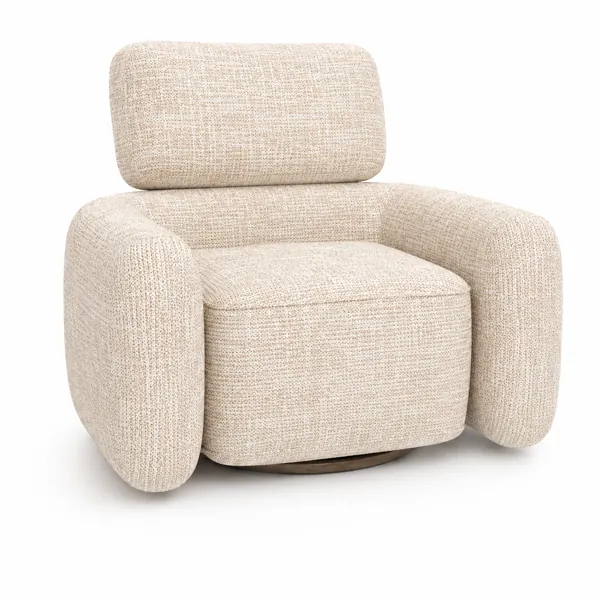
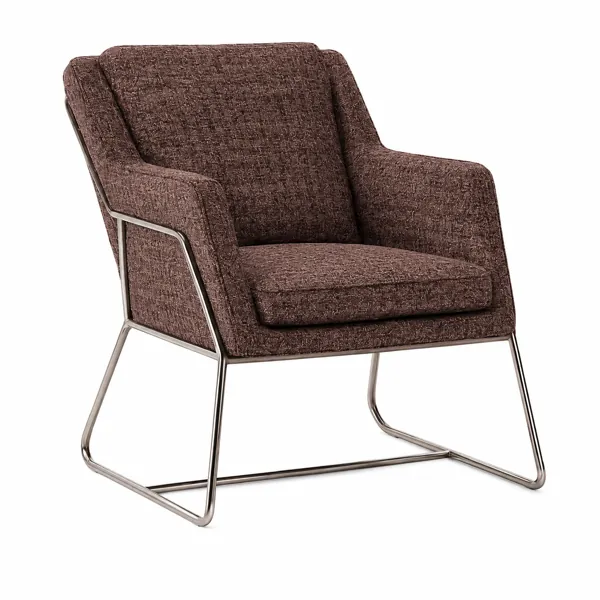
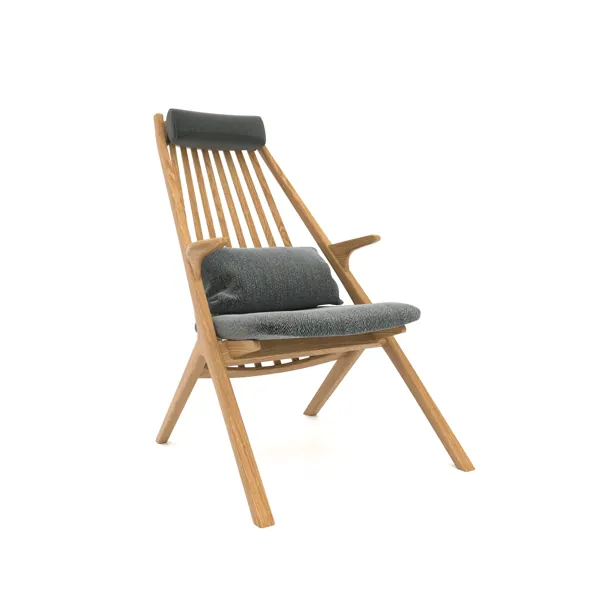
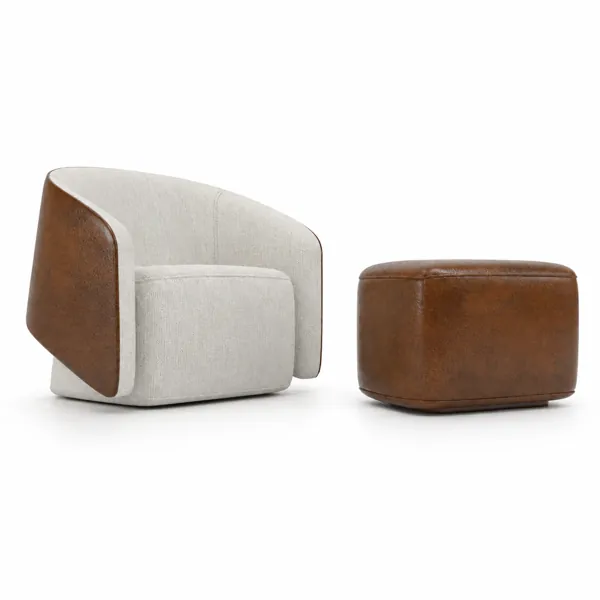
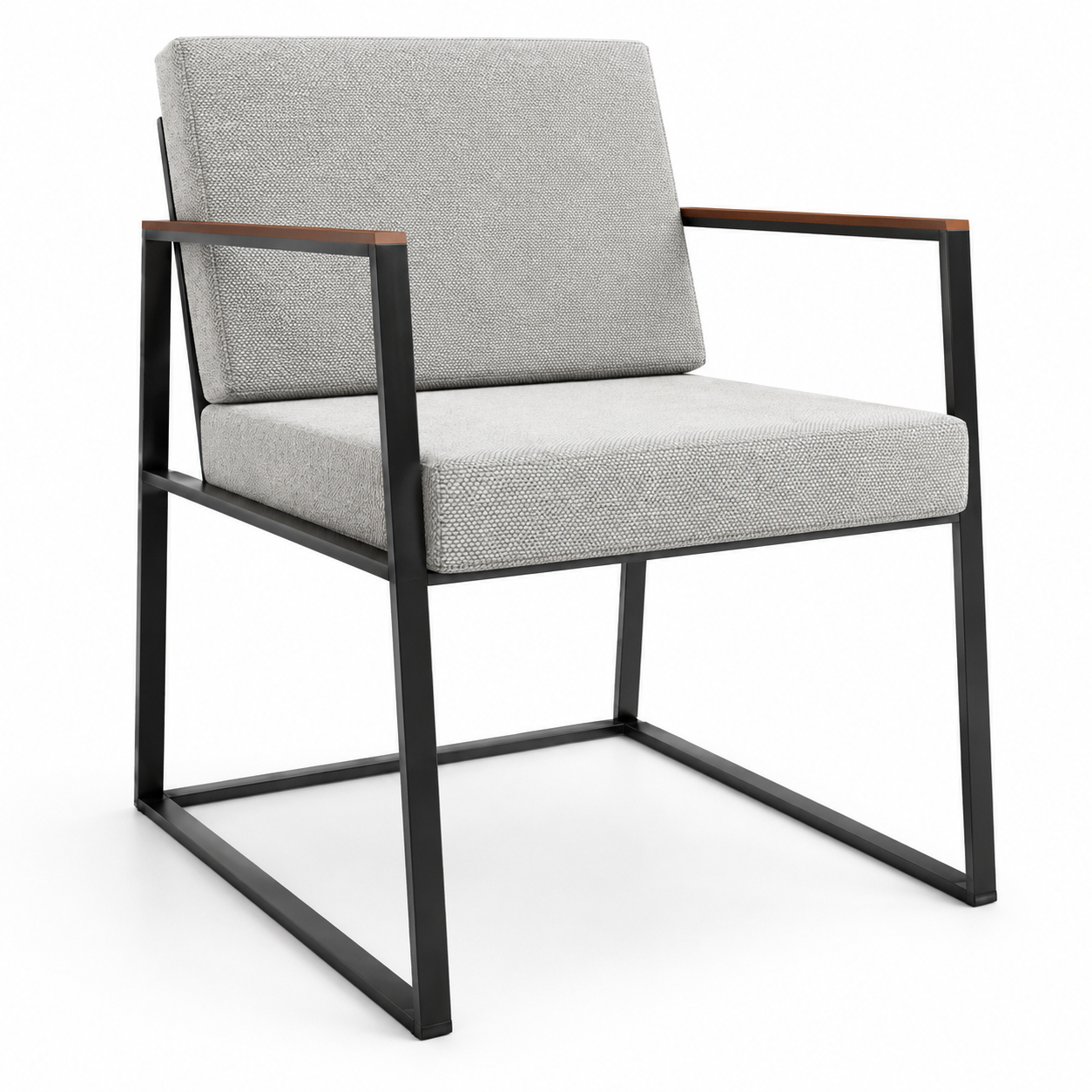
This light gray metal frame armchair with wood armrests is a modern seating design defined by its open rectangular structure, upholstered seat and back cushions, and warm wood accents along the arm tops. The finely textured light gray Fabric gives the chair a soft visual character, while the black Metal frame creates a precise architectural outline around the upholstered elements. Narrow brown wood strips on the armrests introduce a warmer natural detail without interrupting the clean geometry. The combination of pale cushions, dark structural lines and contrasting wood makes the chair easy to distinguish from fully upholstered lounge chairs and gives it a clear contemporary identity.
The armchair is specified with Wood, Fabric and Metal as its main materials. A broad upholstered seat cushion rests inside the rigid frame, while a large rectangular back cushion rises above it with a slight rearward inclination. Both cushions have softly rounded edges that contrast with the straight, angular frame. The black Metal structure uses slender rectangular sections that form the front legs, rear supports, side rails and lower perimeter in one visually continuous system. The wooden armrest surfaces sit directly along the upper horizontal members, adding a tactile accent to the otherwise dark frame. Its seat appears generously proportioned without becoming oversized, while the elevated open base keeps the overall form visually light.
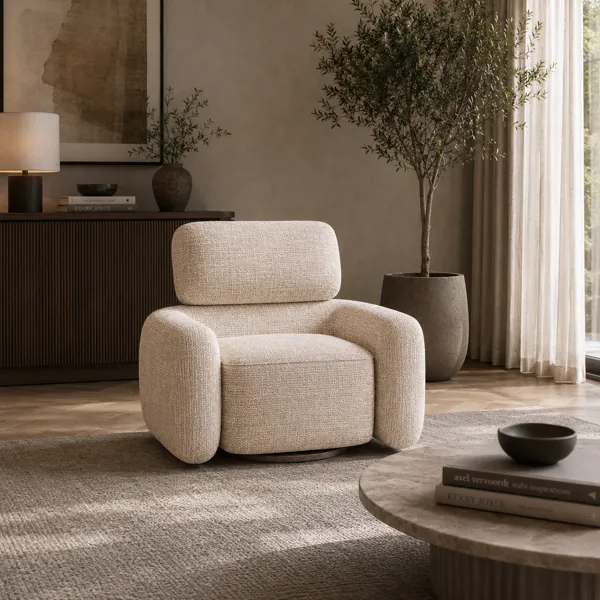
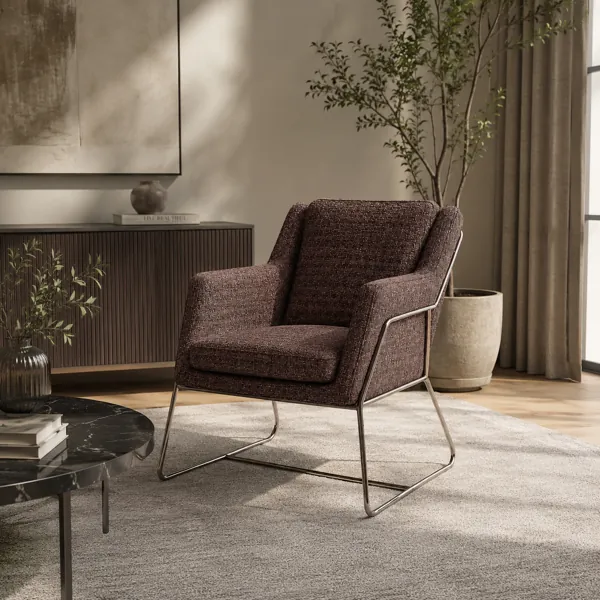
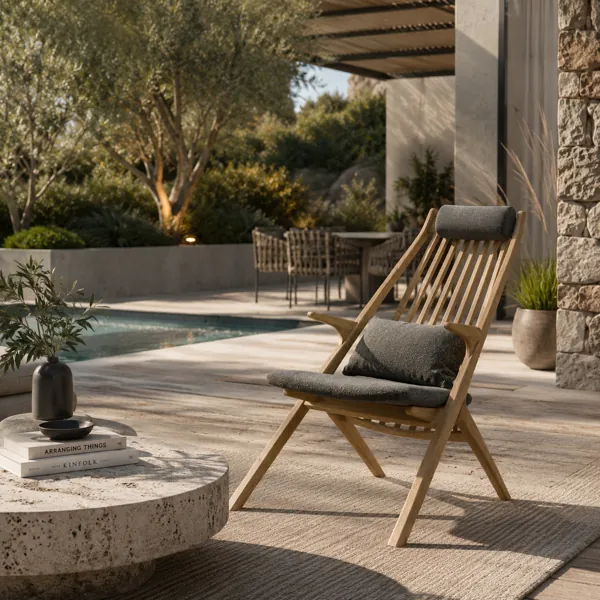
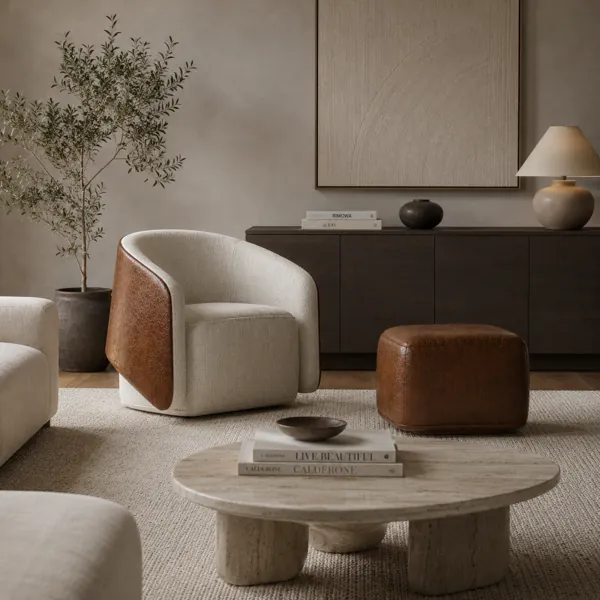
Its neutral palette and straightforward proportions make this modern armchair suitable for Living Room, Bedroom, Office, Cafe and Commercial interiors. It can function as an individual reading chair, an accent seat beside a sofa, or part of a pair arranged around a coffee or side table. In offices and hospitality environments, the exposed frame and upright lounge posture can work well in reception areas, waiting zones, informal meeting spaces and quiet breakout areas. Light gray upholstery coordinates naturally with concrete, stone, timber, neutral textiles and dark architectural finishes, allowing the chair to fit both warm and cooler contemporary schemes.
For architectural visualization, this armchair 3D model offers a useful balance of soft upholstery and clearly articulated structural geometry. The textured Fabric cushions can show subtle shading changes under daylight, Area Lights or directional interior illumination, while the black Metal frame creates crisp edges and recognizable negative space around the seat. The brown wood armrests add another material response that can help break up the dark frame in closer camera views. Its open construction is especially effective in frontal and three-quarter compositions, where both the cushions and supporting frame remain clearly readable.
Within interior design compositions, the light gray upholstery provides a restrained foundation that does not compete with stronger materials or decorative elements. The black frame introduces a graphic linear quality that can connect with metal lighting, shelving, window profiles or contemporary tables, while the brown armrests visually relate to timber flooring, cabinetry and wood accessories. This mix of soft and rigid surfaces works particularly well in modern interiors built around clean lines, exposed structure and controlled material contrast.
The model is intended for use with 3ds Max and Corona Renderer. Visually identifiable features include textured Fabric cushions, a black rectangular Metal frame, exposed open sides, slim structural legs and brown Wood armrest caps. These elements provide useful variation in geometry, silhouette and material response for realistic interior rendering and CGI compositions. No additional file formats, dimensions, polygon counts or other technical specifications are supplied, so requirements beyond the stated software and renderer should be verified according to the intended archviz workflow.
Frequently asked questions
Is this 3D model free?
Yes. You can download it with a free Laruus account.
Which software can I use this 3D model in?
It is prepared for 3ds Max with Corona Renderer. Via FBX and OBJ, it can be opened in Blender, Cinema 4D and Maya. Via 3DS, it can be imported into SketchUp. Corona Renderer materials need to be set up again in other programs.
What do I get when I download it?
A 32.8 MB download with 3ds Max (Corona Renderer), FBX, OBJ + MTL, and 3DS files. Texture images are included. It was added to Laruus on June 2, 2026.
Which spaces is it suitable for?
It suits Living Room, Bedroom, Office, Cafe, and Commercial projects. Style: Modern.
Are there textures that go with it?
Yes. Laruus has textures in the same materials:
- Wood — 202Browse Wood Texture (102)
- Fabric — 142Browse Carpet Texture (92)
- Metal — 50Browse Metal Texture (50)