
Metal Textures
Free metal textures covering brushed and satin steel, graphite and deep black, through to warm copper, antique brass and aged bronze patina. The range runs from clean reflective finishes to heavily oxidised, pitted and cast surfaces, with scratched and hammered variants in between. Complete PBR map sets.
50 texturesPBR mapsFree download
50 results
Free
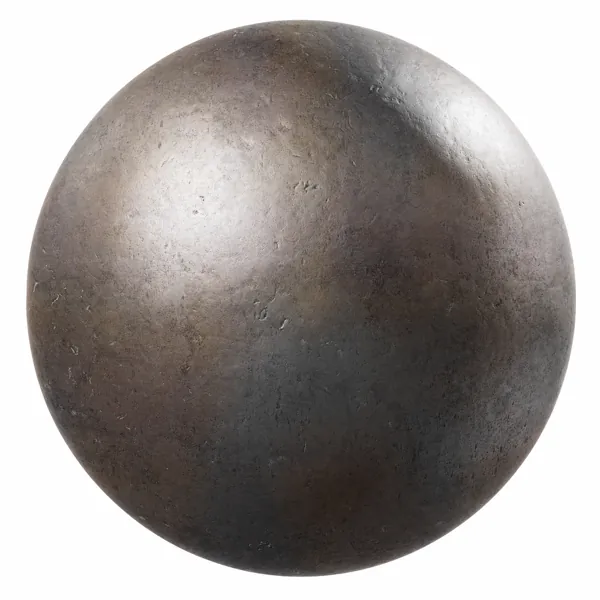
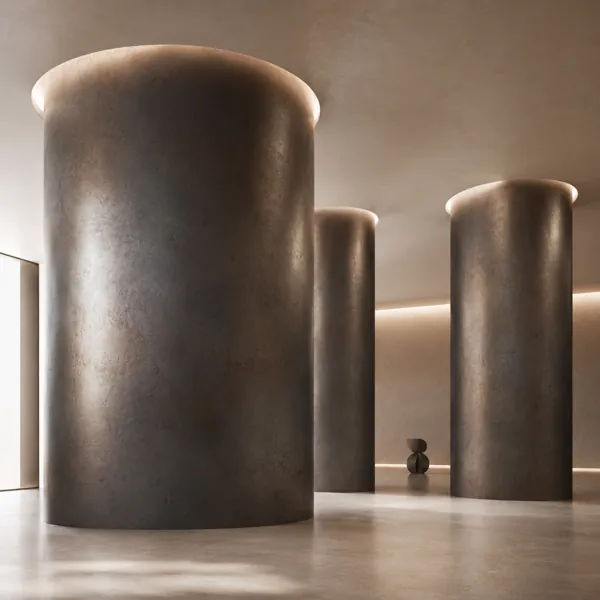
Dark Aged Pitted Cast Iron Metal Texture
Laruus
Save
Wishlist
Free
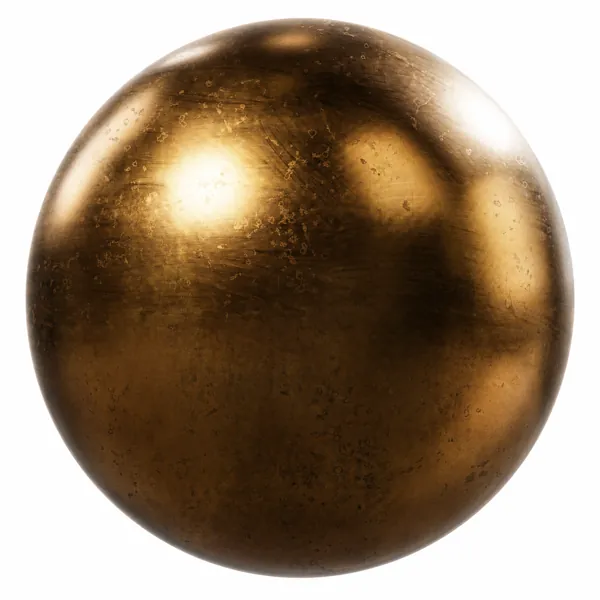
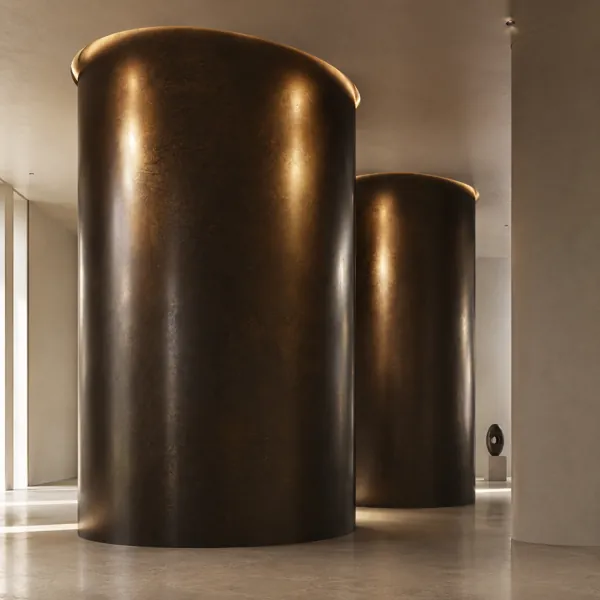
Aged Golden Bronze Patina Metal Texture
Laruus
Save
Wishlist
Free
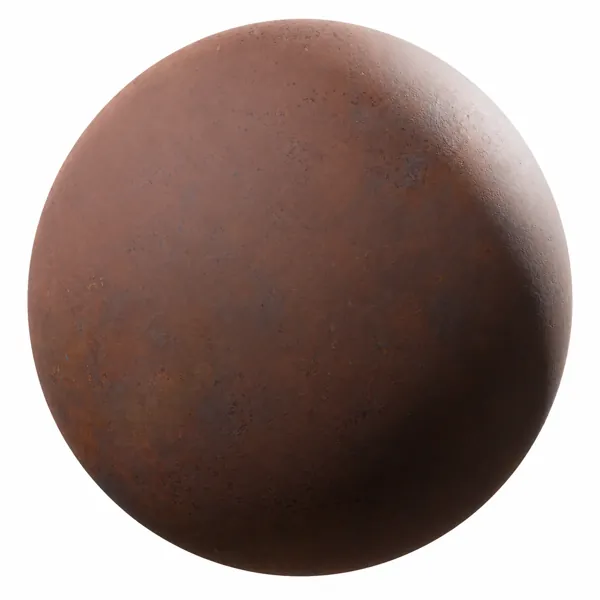
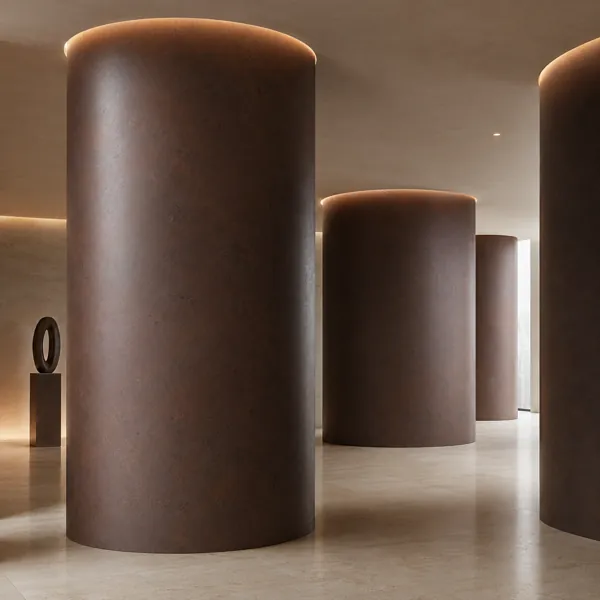
Reddish Brown Oxidized Metal Texture
Laruus
Save
Wishlist
Free
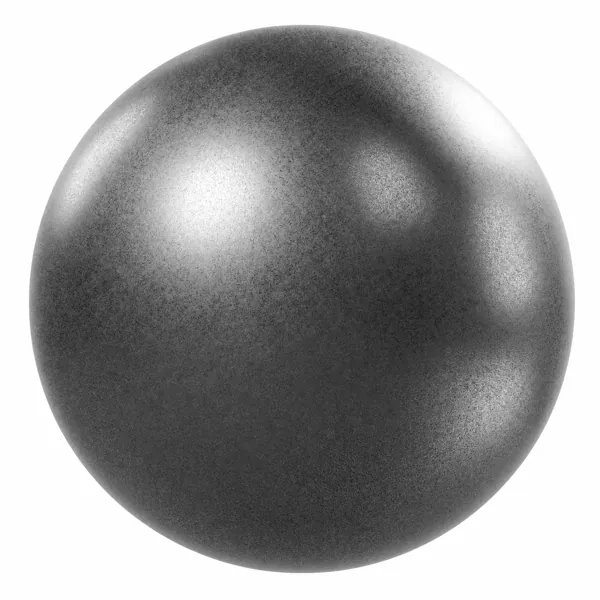
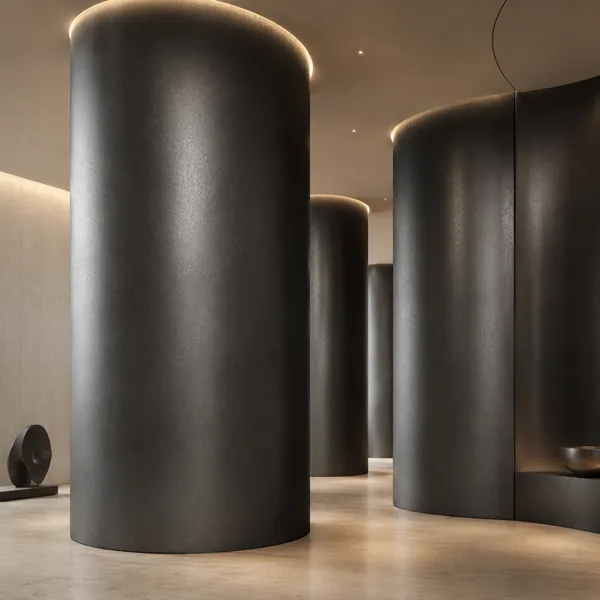
Dark Graphite Fine Grain Satin Metal Texture
Laruus
Save
Wishlist
Free
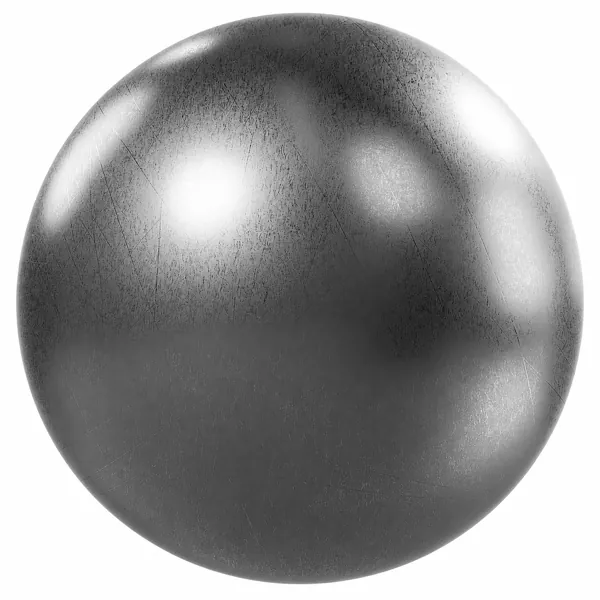
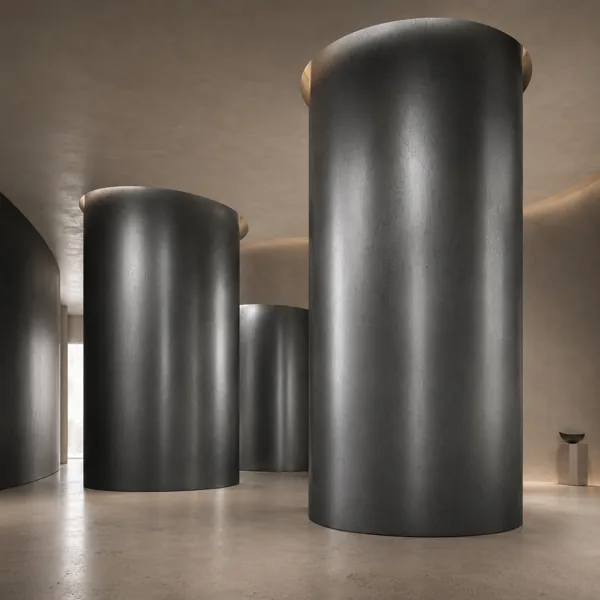
Dark Gray Fine Scratched Metal Texture
Laruus
Save
Wishlist
Free
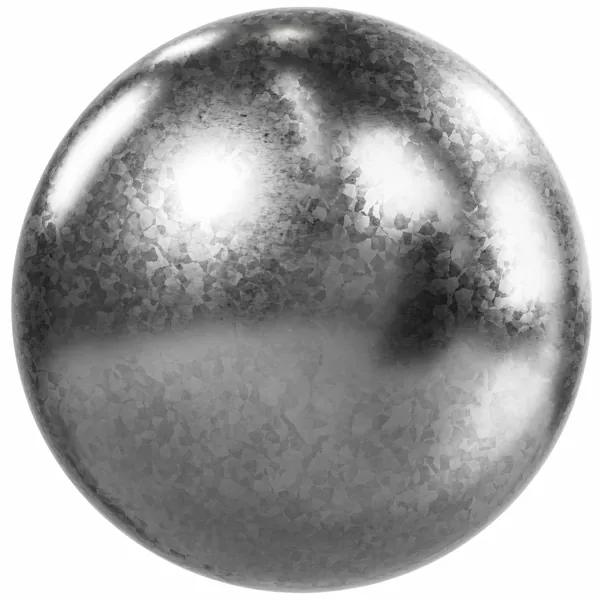
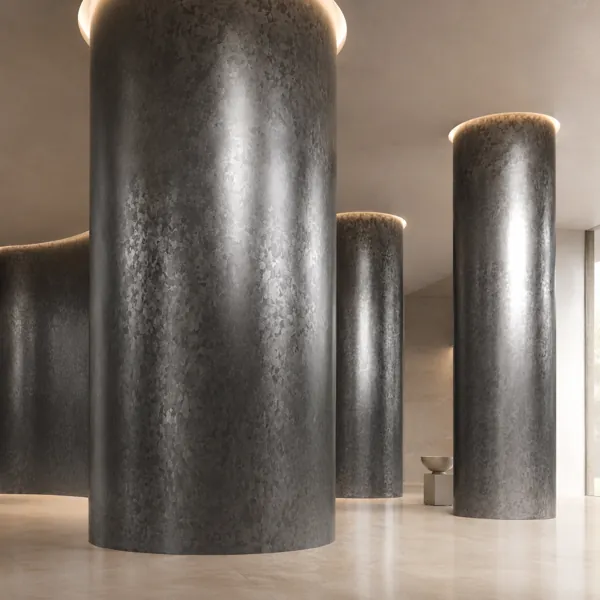
Silver Crystalline Galvanized Metal Texture
Laruus
Save
Wishlist
Free
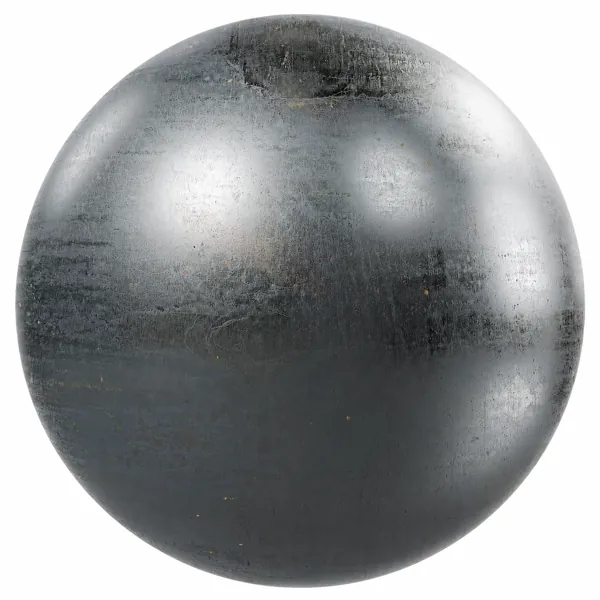
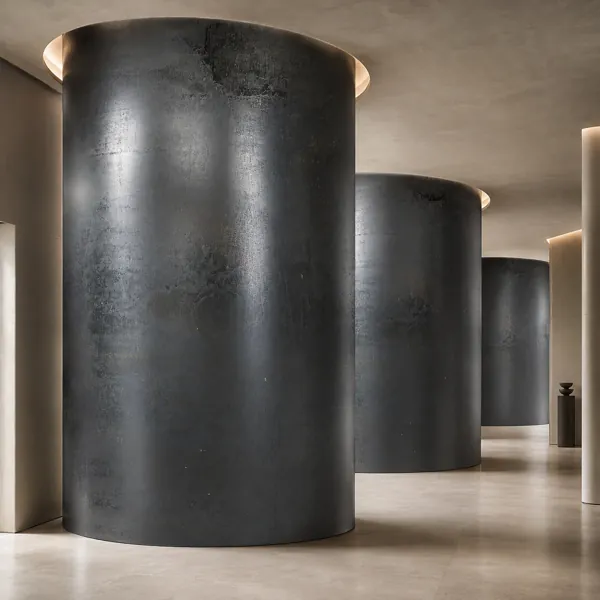
Dark Gray Weathered Metal Texture
Laruus
Save
Wishlist
Free
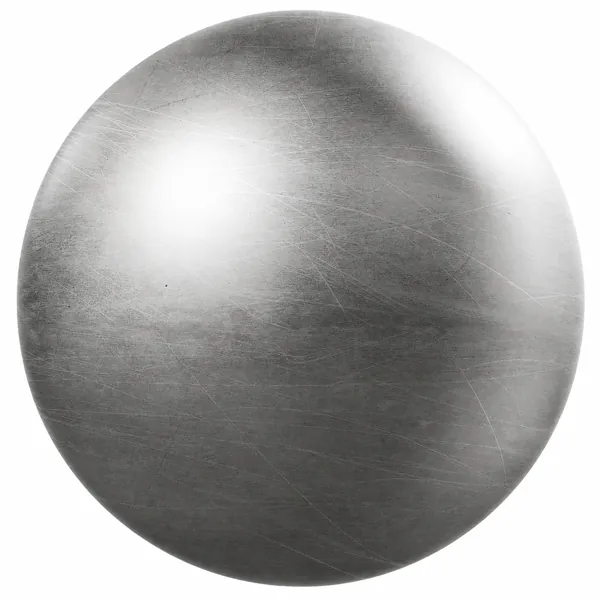
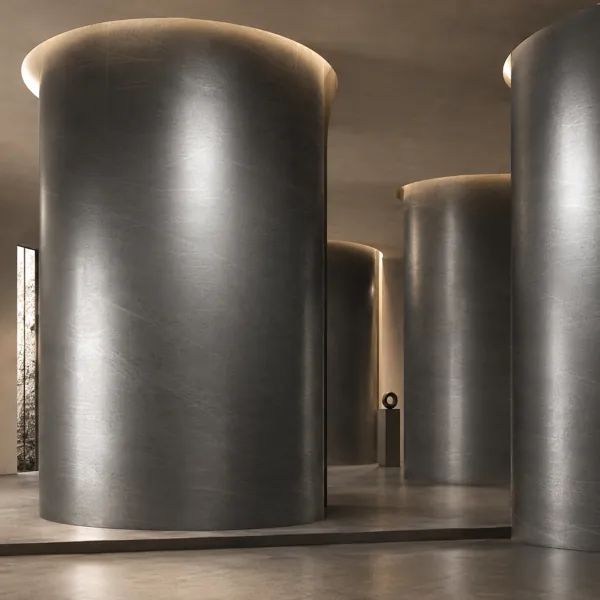
Scratched Silver Brushed Metal Texture
Laruus
Save
Wishlist
Free
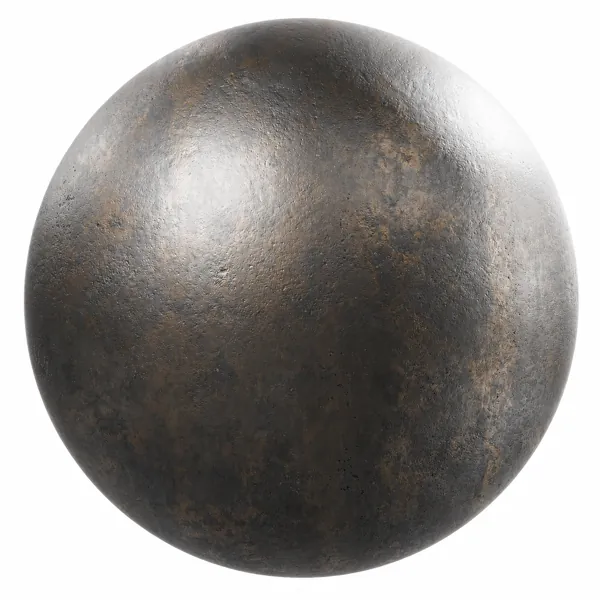
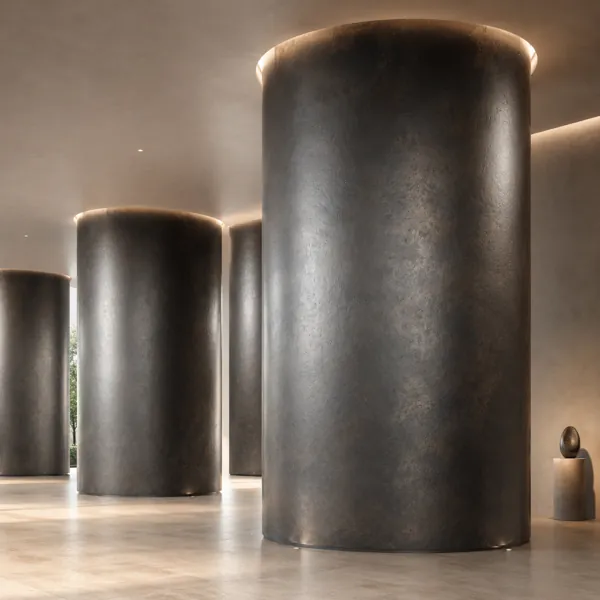
Bronze Mottled Charcoal Metal Texture
Laruus
Save
Wishlist
Free
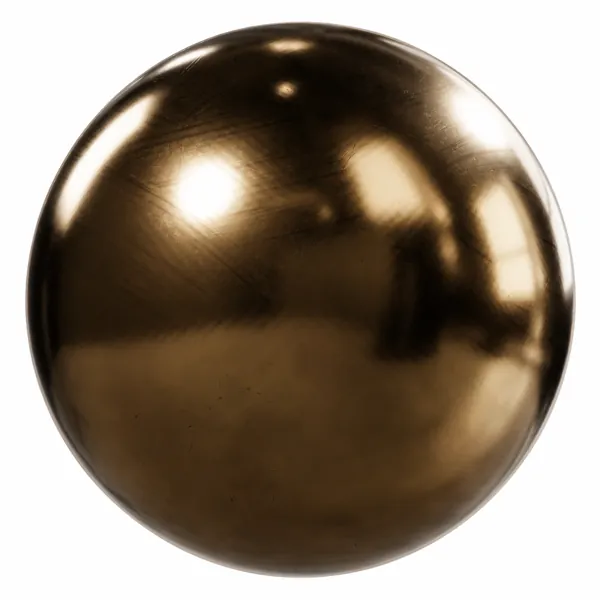
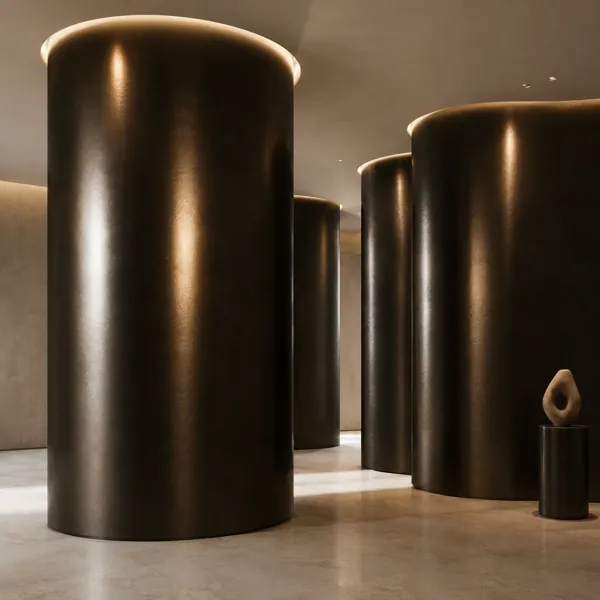
Dark Antique Bronze Polished Metal Texture
Laruus
Save
Wishlist
Free
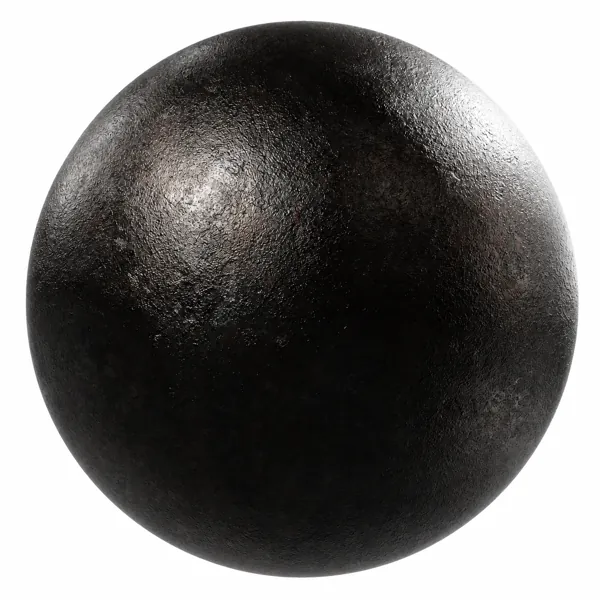
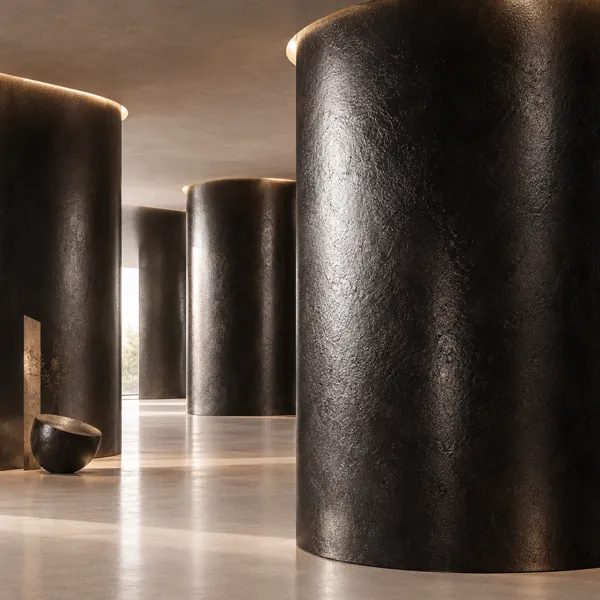
Deep Black Rough Cast Metal Texture
Laruus
Save
Wishlist
Free
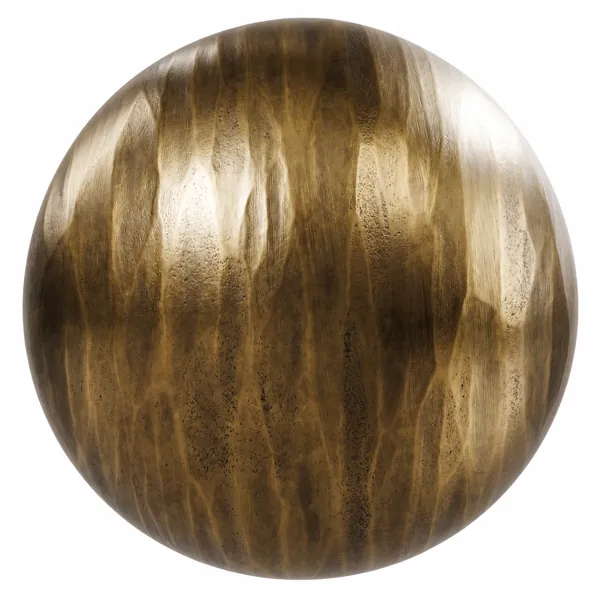
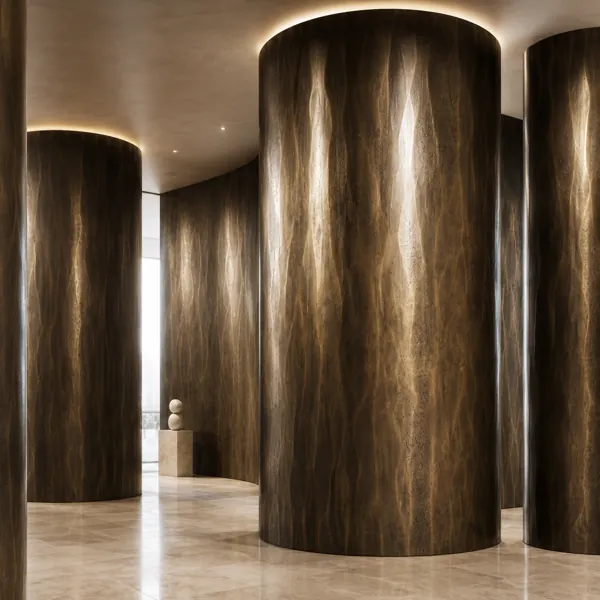
Antique Golden Brass Vertical Patina Metal Texture
Laruus
Save
Wishlist
Metal Textures for Architectural Visualization
Metal is the one common surface family where the metallic map does real work. For most materials it stays at zero and exists only for completeness; here it is the difference between a surface that behaves like metal and one that behaves like grey plastic. It is also closer to a binary decision than a dial — a surface is either metal or it is not, and intermediate values usually mean that a coating, dust layer or patina should have been handled in the roughness map instead.
Reflection is the second requirement, and it is the one that catches people out. A polished or satin metal has almost no colour of its own; nearly everything it shows is the environment around it. Rendered in a bare scene with a single plain light source, a beautifully made metal texture has nothing to reflect and collapses into a flat grey shape. The fix is rarely the texture — it is putting something in the room worth reflecting, or using an environment image with real structure in it. Brushed and heavily weathered finishes are far more forgiving and are the safer choice when the surrounding scene is sparse.
Direction matters for the brushed and streaked finishes. The grain runs one way, and rotating the texture ninety degrees changes how the surface catches light along its length. On a tall element such as a column, a door pull or a slim frame, aligning the grain with the long axis is usually what the real fabrication would have done, and a mismatch reads as wrong without being identifiable.
Aged and oxidised surfaces need the same scene consistency that weathered plaster does. Deep pitting, rust bloom and heavy patina imply age and exposure, and they look applied rather than real when the surrounding geometry is pristine.
Scale runs finer than people expect. Brush lines and fine scratches are small enough to become narrower than a pixel at distance, where they either vanish or shimmer. Checking a metal surface at final output resolution rather than in the viewport is worth the extra pass, particularly on background elements.
These finishes pair with the stone, concrete and wood ranges, and with the lighting, kitchen and bathroom model categories where metal fittings usually sit.