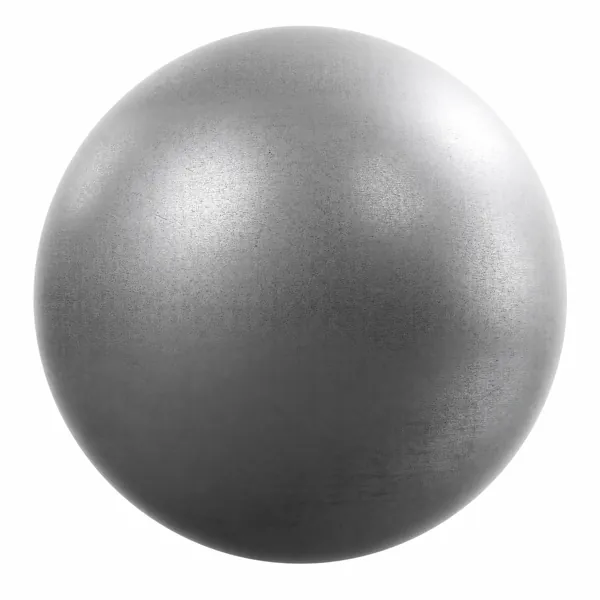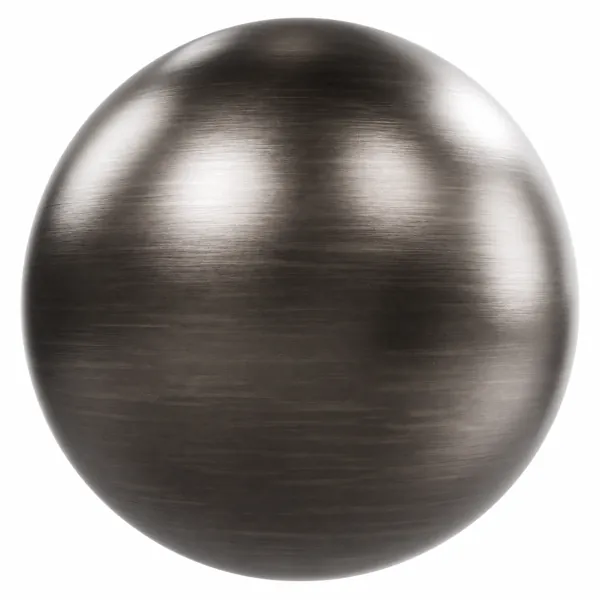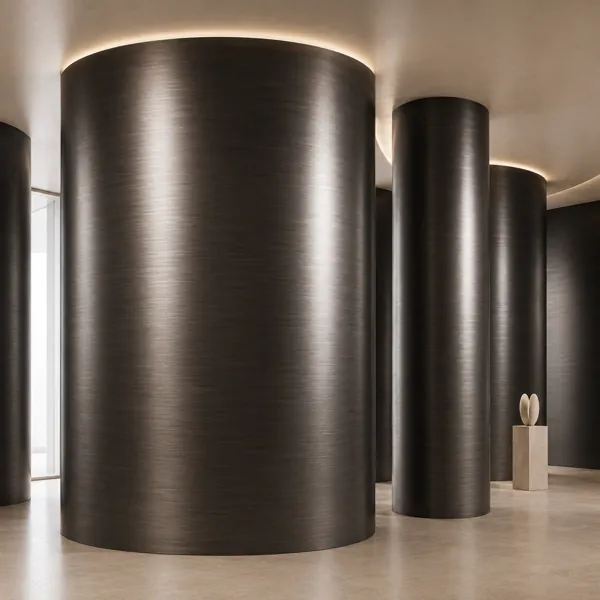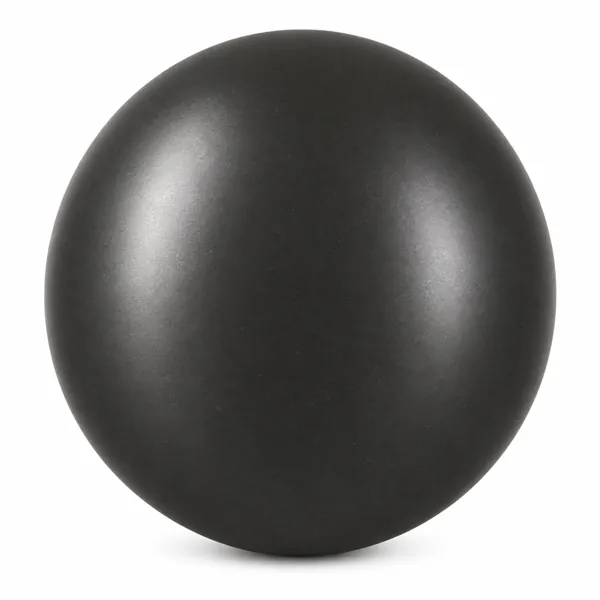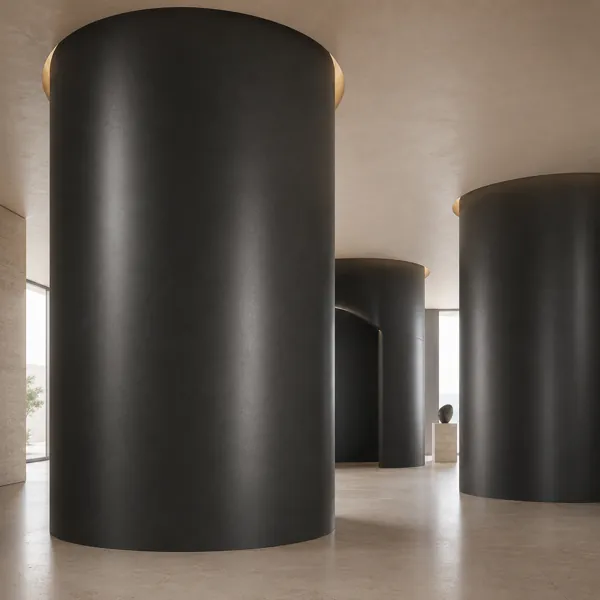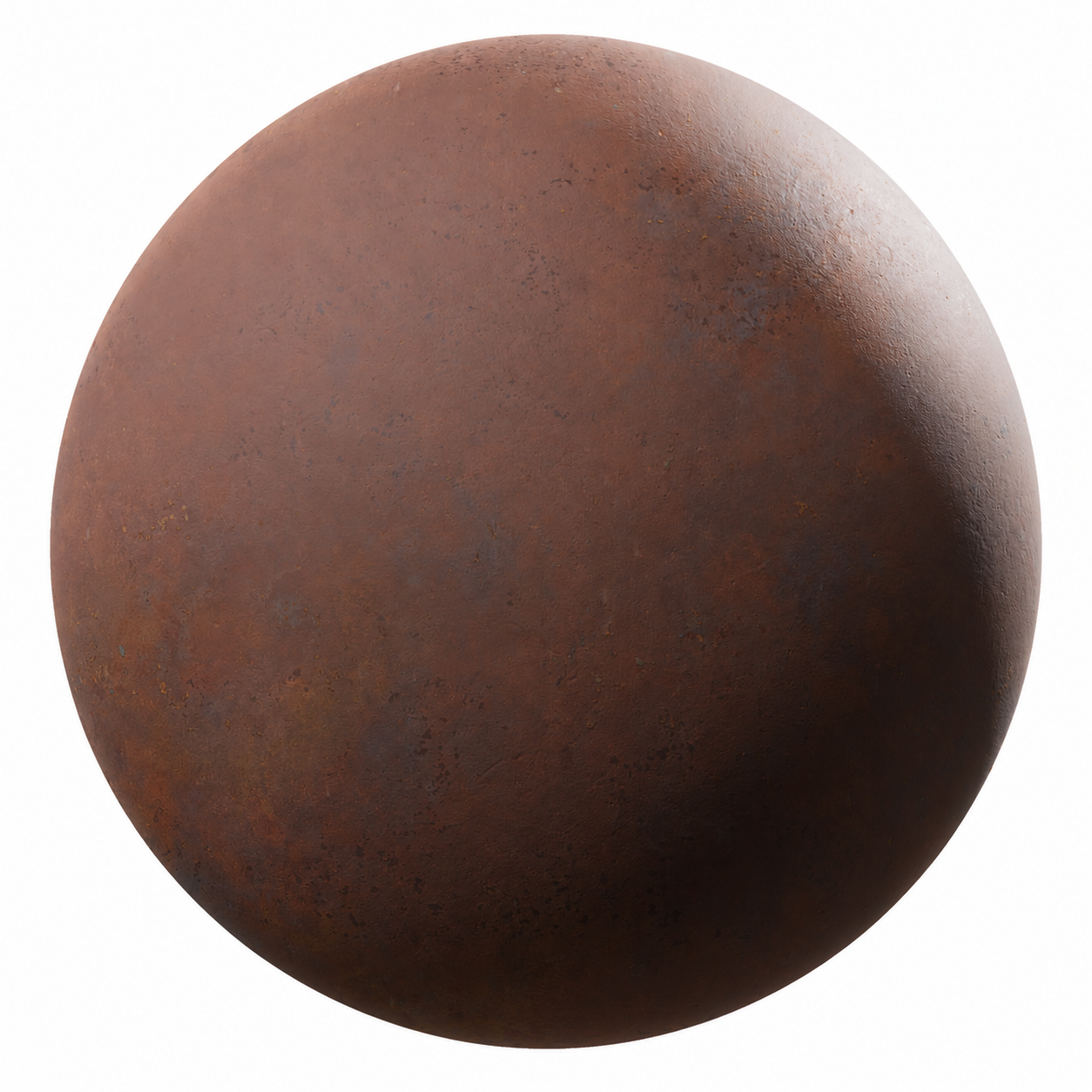
Reddish Brown Oxidized Metal Texture
Metal No. 00048
FREE
Specifications
- Brand
- Laruus
- Style
- Modern
- Material
- Metal
- Suitable spaces
- Living Room, Office, Cafe, Commercial, Kitchen, Garden, Outdoor, Entrance
- Color
- BrownRed
- File types
- Albedo MapAlpha MapAO MapBump MapDiffuse Color MapEdge MapEmission MapHeight MapMetallic MapNormal MapPacked Texture MapRoughness Map
Reddish Brown Oxidized Metal Texture - High Resolution Seamless PBR Textures
Description
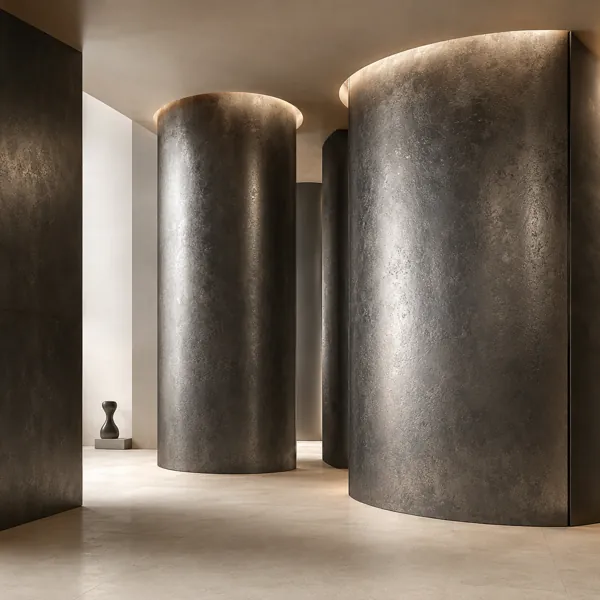
Reddish Brown Oxidized Metal Texture presents a warm, dark metal surface defined by earthy red-brown coloration, restrained mottling and fine irregular surface detail. The visible finish combines muted reddish areas with deeper brown and near-charcoal variations, creating a naturally aged appearance without an overly dramatic pattern. Its understated tonal transitions give the material visual depth while maintaining a relatively consistent overall character, making it suitable for modern architectural surfaces where weathered metal is intended to contribute warmth and texture rather than dominate the entire composition.
The material is visually characterized by a dense metal base with small-scale imperfections and scattered darker markings across the surface. There is no pronounced directional grain or regular geometric pattern visible in the preview, which helps the finish work across both broad surfaces and smaller objects. The fine texture scale allows it to remain convincing when applied to architectural panels, columns, cladding, metal furniture components and decorative elements. Its combination of brown and muted red tones distinguishes it from clean steel, silver aluminum and uniform painted metal while retaining a clearly mineral, industrial visual language.
This reddish brown metal texture can support a wide range of interior and exterior design concepts. In living rooms and entrance areas, it can be used for feature panels, fireplace surrounds, shelving details or sculptural metal elements. Offices, cafes and commercial interiors can incorporate the material on reception counters, wall cladding, partitions or custom architectural features. It is also visually appropriate for kitchens when used selectively on metal accents or cabinetry details. For garden and outdoor visualization, the weathered color palette can complement concrete, stone, timber, vegetation and neutral architectural finishes.
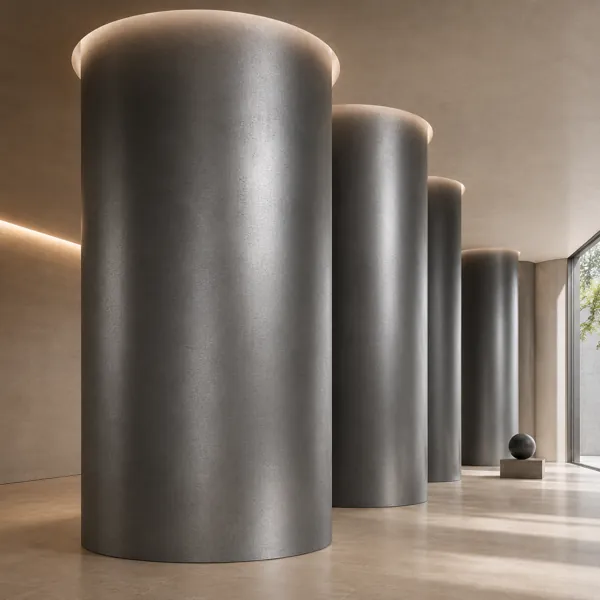
Within archviz and CGI workflows, the texture provides a useful surface for introducing controlled aging and material contrast into otherwise minimal scenes. Its subdued variation can help large modeled surfaces avoid looking digitally uniform while preserving the overall geometry as the main visual element. On curved objects, cylinders or sculptural forms, realistic lighting can reveal the fine surface character through gradual highlight and shadow transitions. On planar architecture, the mottled coloration adds depth without requiring an exaggerated pattern that could distract from the composition.
In interior design contexts, the warm oxidized appearance pairs naturally with beige stone, grey concrete, dark wood, black metal, neutral fabrics and clear glass. It can establish an industrial or contemporary accent within restrained palettes, while its earthy coloration also works in warmer modern environments. Designers can use the material as a focal finish on a limited architectural area or repeat it across coordinated metal elements to create continuity throughout a scene. The irregular dark marks and subtle color shifts are especially effective under soft directional or grazing illumination.
The supplied texture package includes Albedo Map, Alpha Map, AO Map, Bump Map, Diffuse Color Map, Edge Map, Emission Map, Height Map, Metallic Map, Normal Map, Packed Texture Map and Roughness Map. These maps provide a flexible basis for building a PBR metal material in compatible 3D rendering workflows. When configuring the shader, preserve the visible reddish brown base tone and fine-scale variation rather than exaggerating bump or roughness values. Balanced reflections, physically appropriate metal response and controlled lighting will help reproduce the oxidized surface character visible in the reference while keeping the material suitable for realistic architectural visualization.
Frequently asked questions
Is this texture free?
Yes. You can download it with a free Laruus account. Free textures are limited to 5 downloads per day.
Which software can I use this texture in?
The maps are standard image files, so they work in any renderer with PBR materials, such as Corona or V-Ray in 3ds Max, Blender, SketchUp with V-Ray or Enscape, and Unreal Engine.
What do I get when I download it?
A 44.1 MB download. It was added to Laruus on September 2, 2026.
Which spaces is it suitable for?
It suits Living Room, Office, Cafe, Commercial, Kitchen, Garden, Outdoor, and Entrance projects. Style: Modern.
Are there 3D models that use this material?
Yes. Laruus has 3D models in the same material:
- Metal — 275Browse Armchairs (26)
You might also like
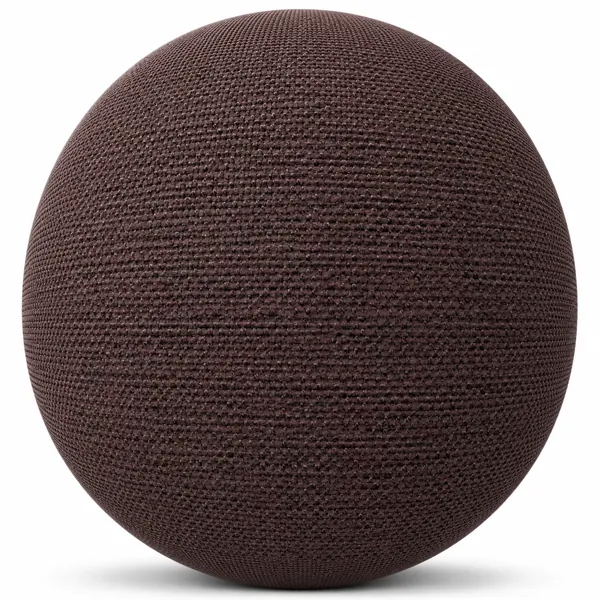
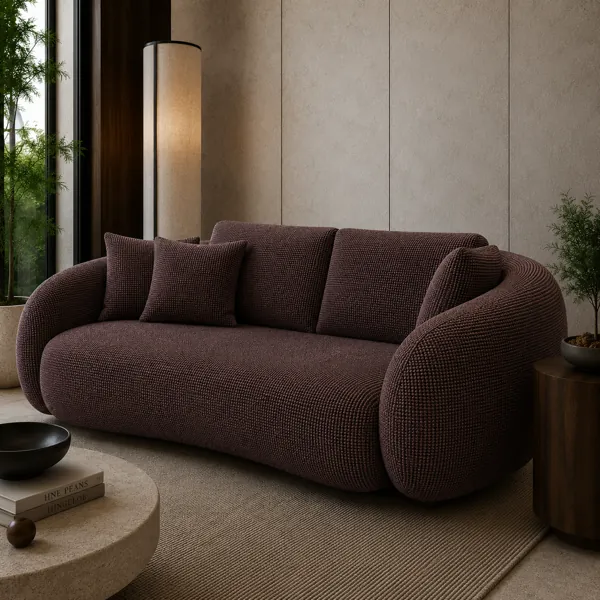
Dark Brown Woven Fabric Texture – Dense Pebbled Loop Weave
Laruus
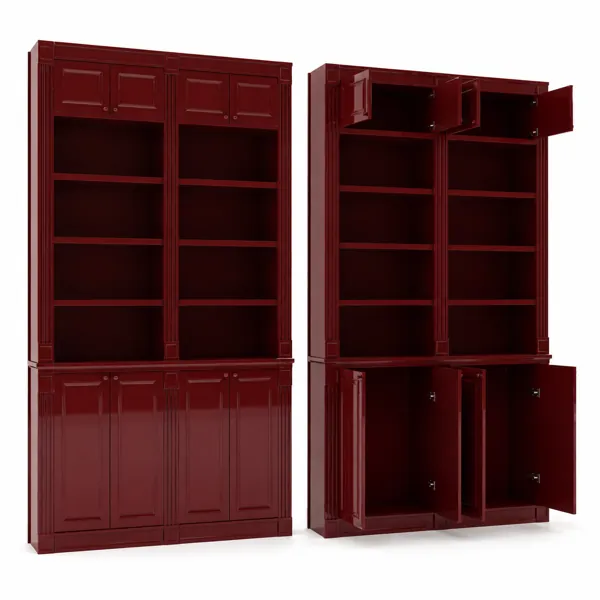
Burgundy Tall Display Cabinet – Open Shelves & Fluted Trim 3D Model
Laruus
Light Gray Armchair with Dark Platform Frame 3D Model
Laruus
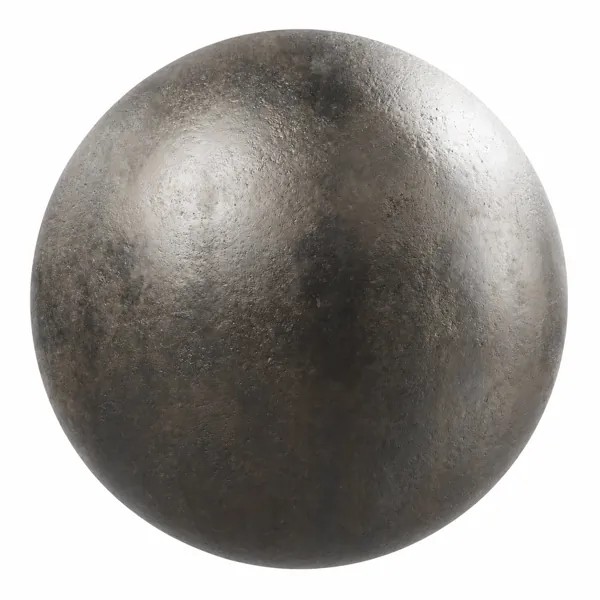
Dark Bronze Mottled Cast Metal Texture
Laruus