
Beds 3D Models
Free upholstered beds are the largest single group in the Laruus catalogue — channel-tufted, panel, grid-headboard and low-platform frames in fabric, velvet and leather. The range runs from tall statement headboards that dominate a bedroom wall to minimal platform bases, in ivory, beige, grey, charcoal, deeper greens and browns. That spread means a frame can usually be matched to an existing palette without retexturing.
73 models3ds Max · Corona Renderer · FBXFree download
73 results
Free
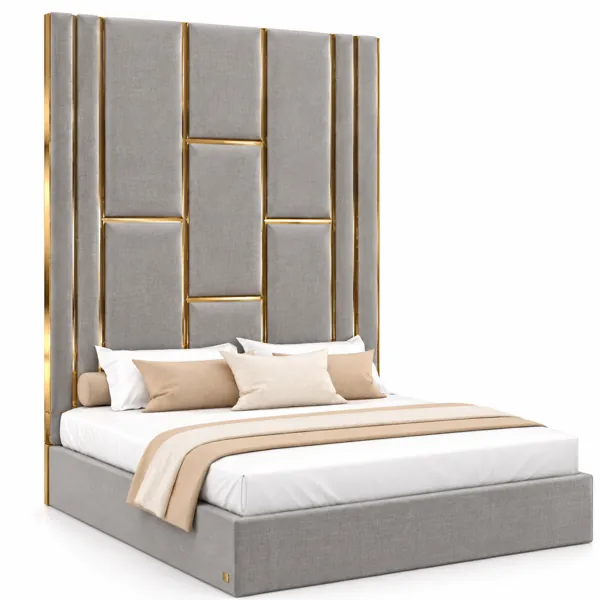
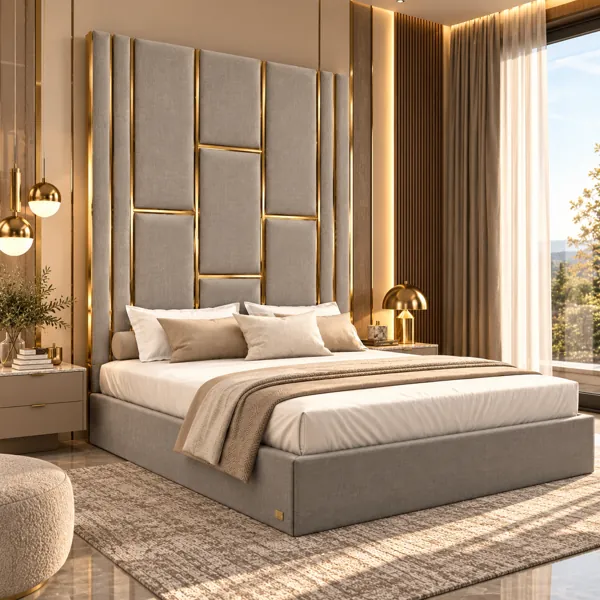
Beige Gold Trim Tall Headboard Bed 3D Model
Laruus
Save
Wishlist
Free
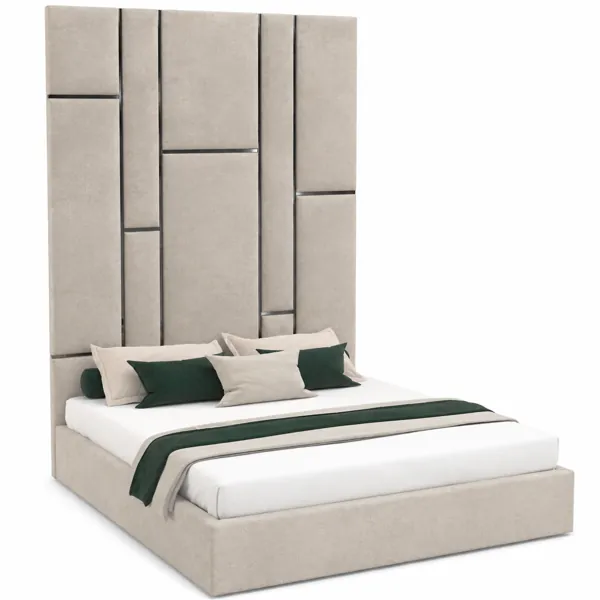
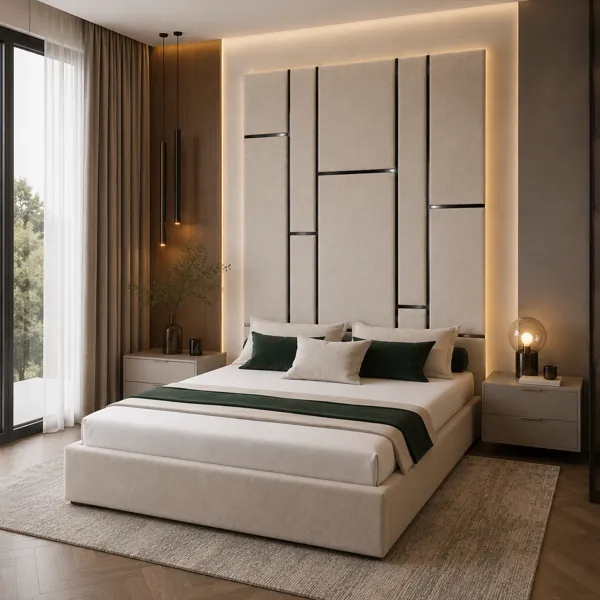
Beige Modern Upholstered Bed 3D Model
Laruus
Save
Wishlist
Free
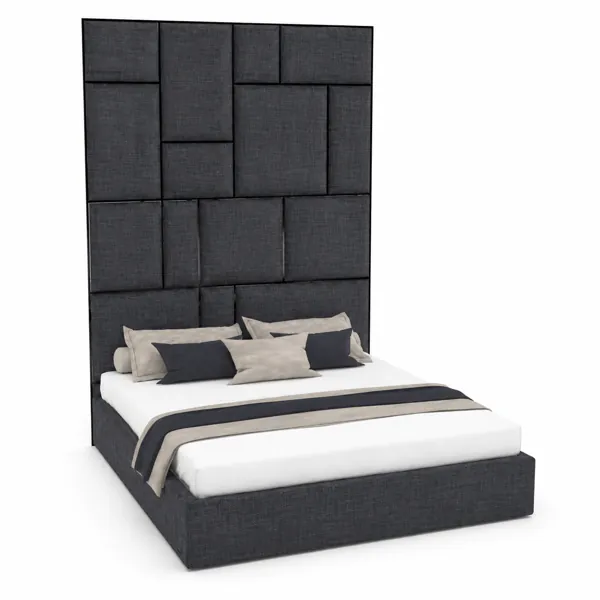
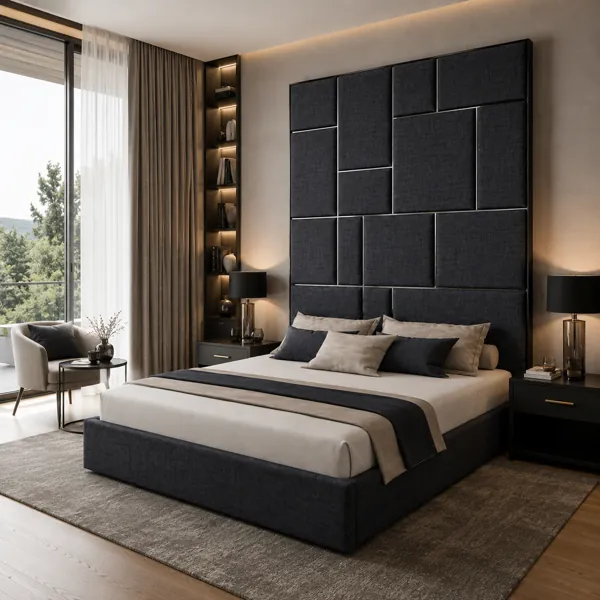
Charcoal Modern Upholstered Bed 3D Model
Laruus
Save
Wishlist
Free
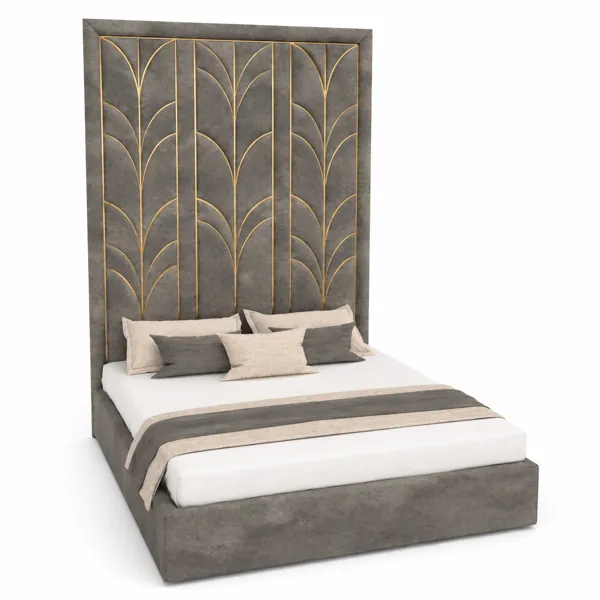
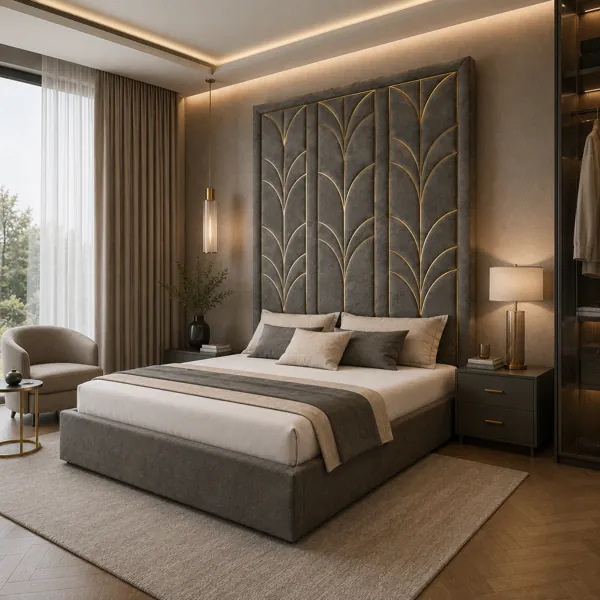
Grey Upholstered Bed 3D Model
Laruus
Save
Wishlist
Free
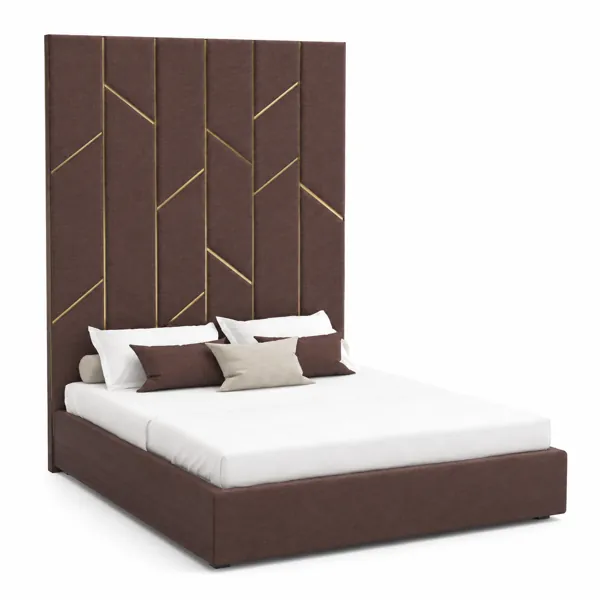
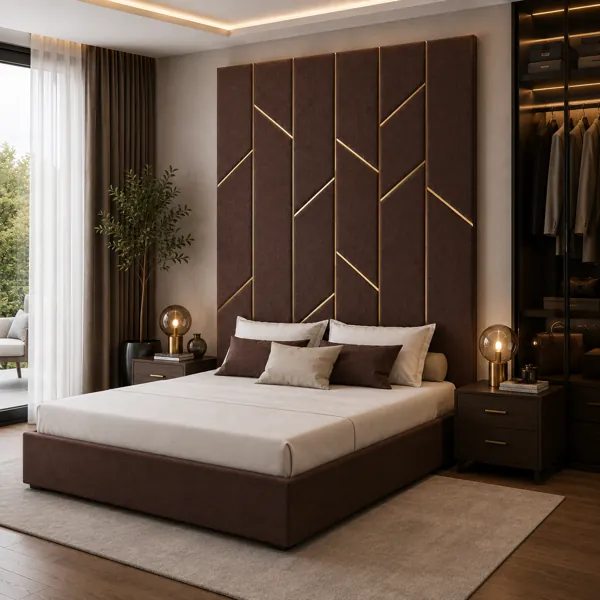
Tall Brown Upholstered Bed 3D Model
Laruus
Save
Wishlist
Free
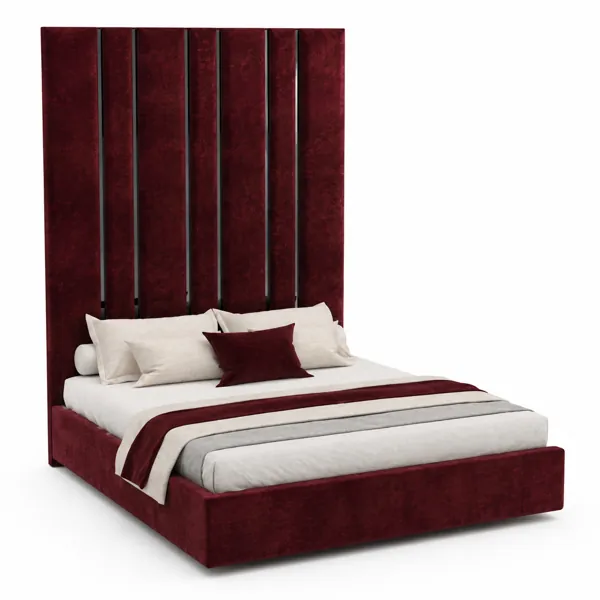
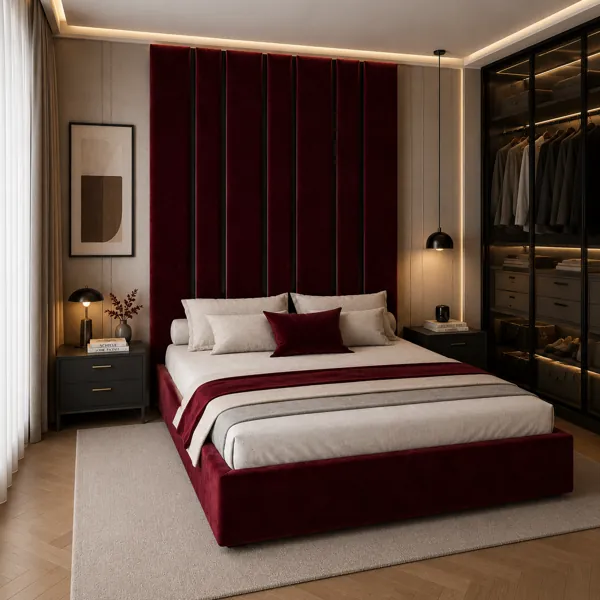
Tall Panel Bed with Brass Line Headboard 3D Model
Laruus
Save
Wishlist
Free
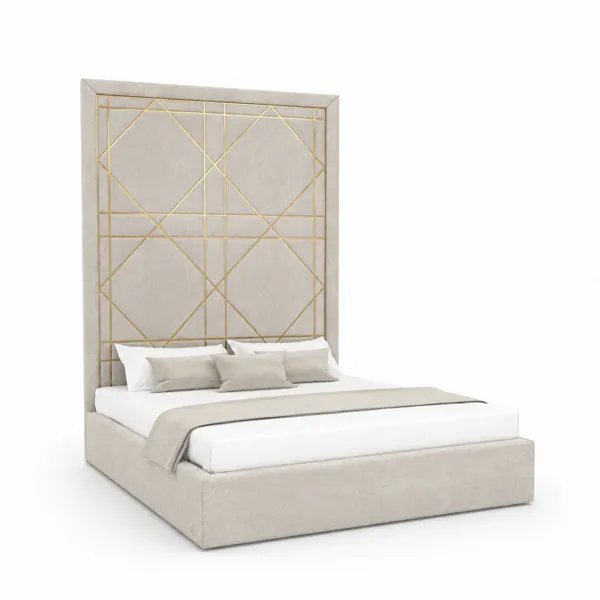
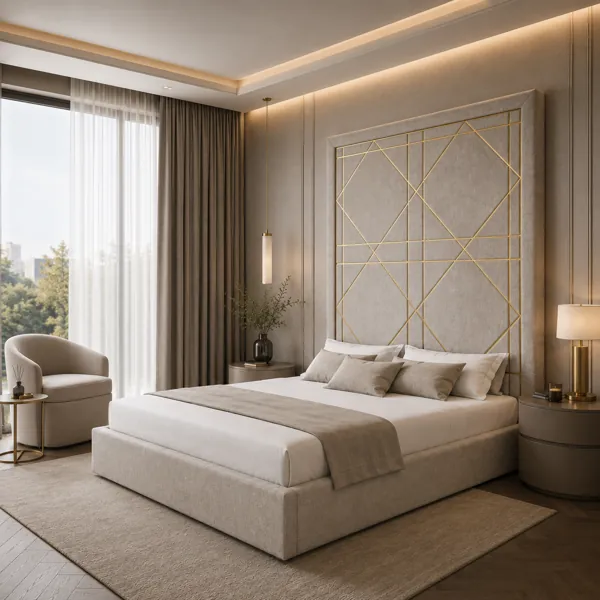
Grid Headboard Ivory Upholstered Bed 3D Model
Laruus
Save
Wishlist
Free
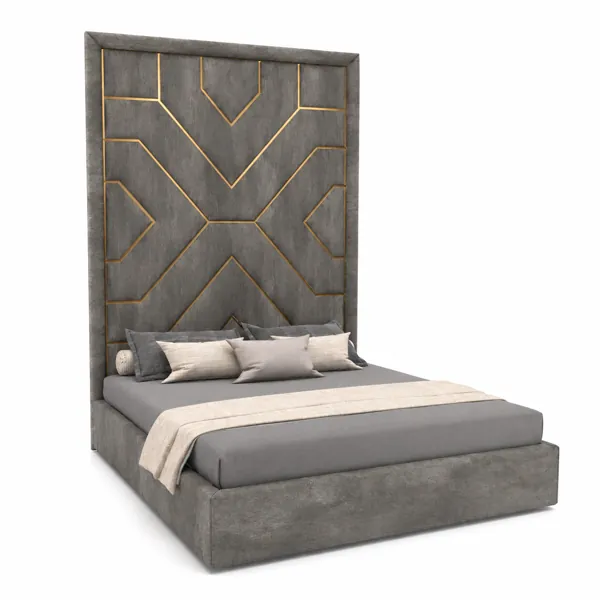
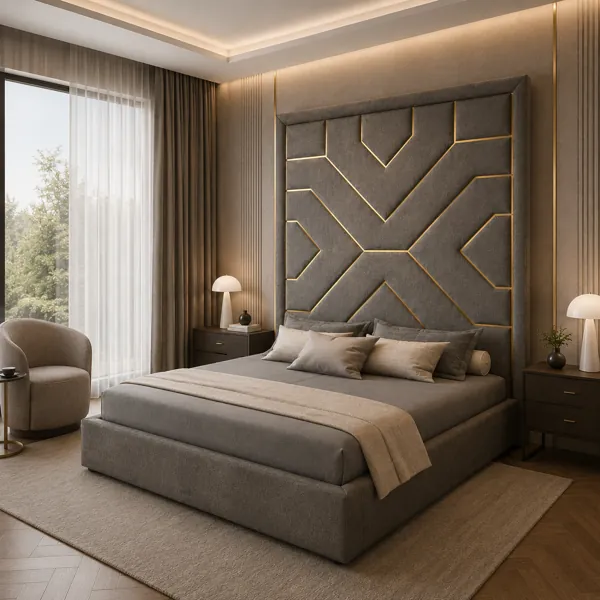
Geometric Gold Inlay Gray Bed 3D Model
Laruus
Save
Wishlist
Free
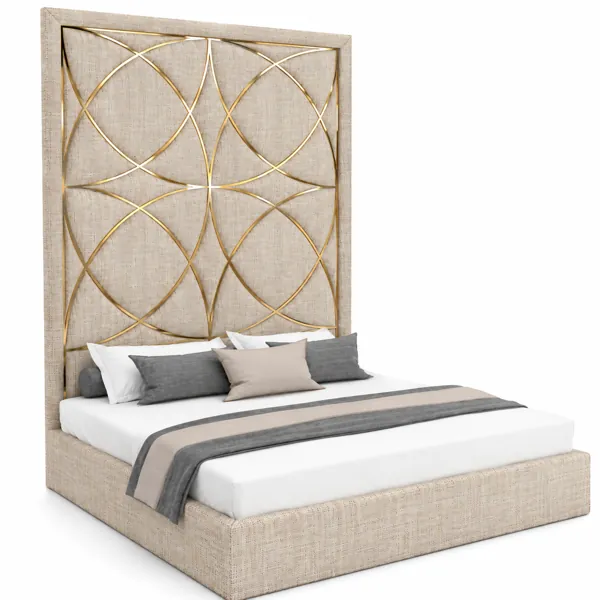
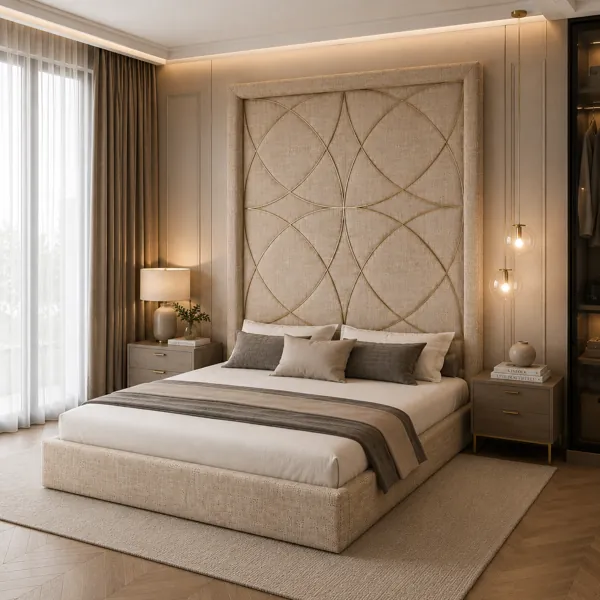
Beige Woven Fabric Bed 3D Model
Laruus
Save
Wishlist
Free
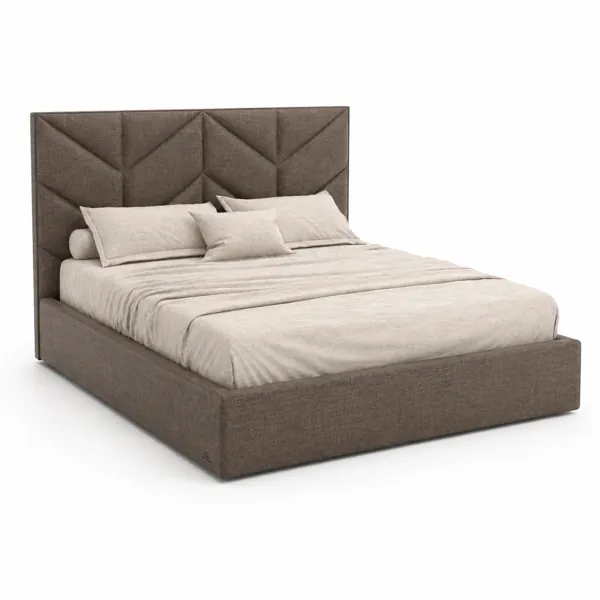
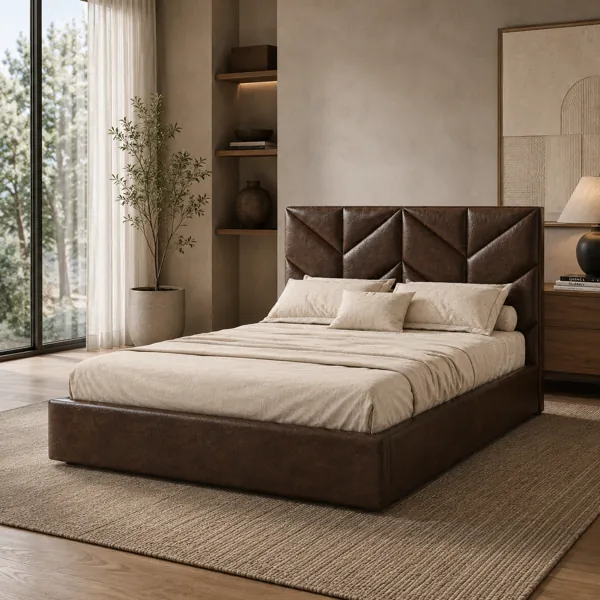
Taupe Geometric Panel Upholstered Bed 3D Model
Laruus
Save
Wishlist
Free
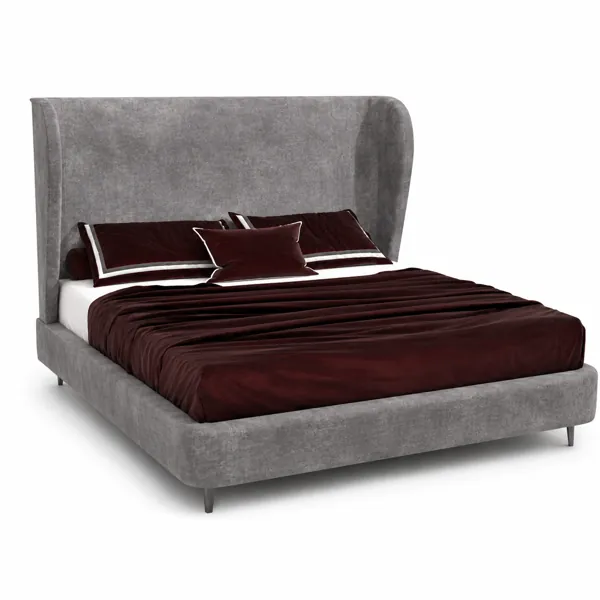
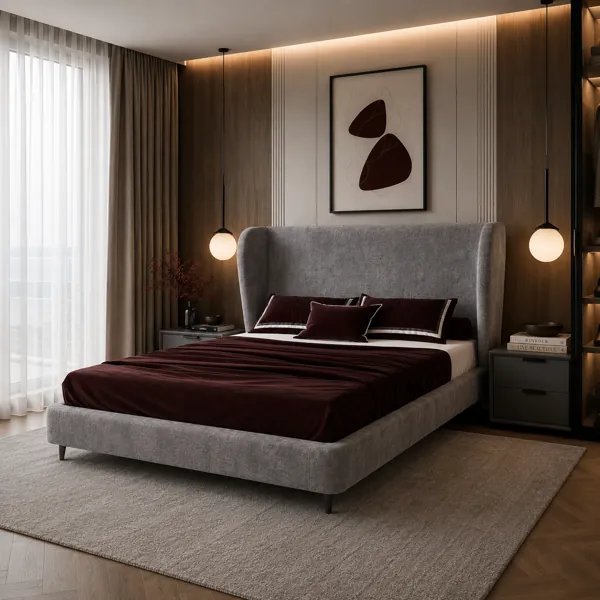
Gray Wingback Upholstered Bed 3D Model
Laruus
Save
Wishlist
Free
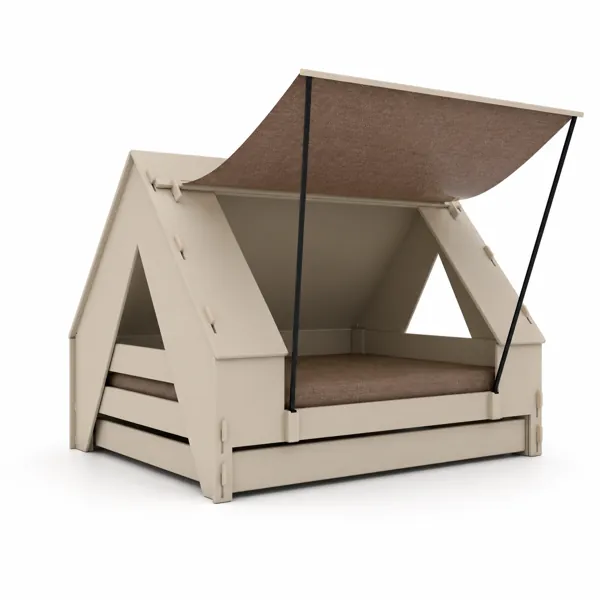
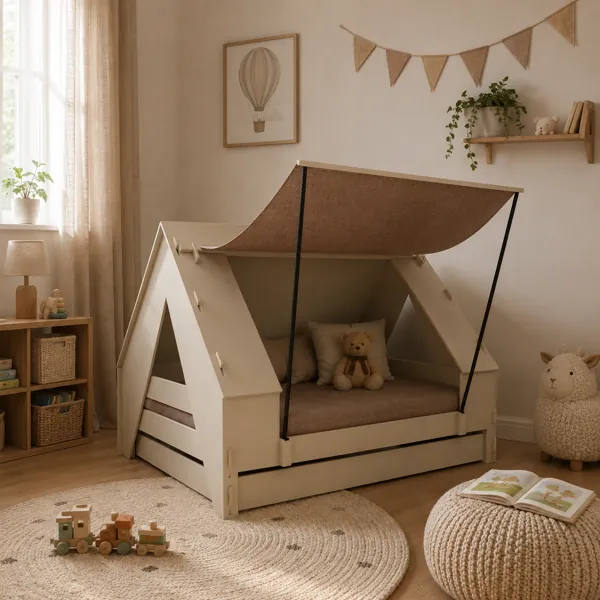
Beige House Bed with Brown Canopy – Tent Style 3D Model
Laruus
Save
Wishlist
Beds 3D Models for Architectural Visualization
A bed is usually the largest single object in a bedroom render, and it fails in a specific way: the frame is fine, but the bedding reads as plastic. Most of the work in placing one of these models is therefore not the frame at all — it is the soft goods on top of it.
The frames here fall into four broad families, and they behave differently in a scene. Channel-tufted and panel headboards carry strong horizontal or vertical rhythm, which reads well when the camera is square to the wall but can fight a diagonal composition. Grid and grid-quilted headboards hold shadow in their seams, so they need a light source with some direction to them; under flat ambient light the pattern disappears entirely. Low platform bases do the opposite — they contribute almost nothing visually and are the right choice when the wall behind is doing the work. Canopy and tent frames are the exception: they enclose volume, and they change how light reaches the rest of the room.
Upholstery is fabric, velvet, leather and occasional shearling over wood or metal. Velvet is the one to watch. It relies on a sheen response that reads as backwards compared to most materials — brightest where the surface curves away from the camera — and if that is lost, a velvet bed reads as flat matte cotton. When swapping a fabric texture onto one of these frames, the roughness and normal maps matter more than the albedo; the colour can be adjusted afterwards, the surface character cannot.
Scale is worth checking before anything else. Bed sizes are not standardised across regions, and a frame modelled to one convention placed in a room laid out to another will look subtly wrong in a way that is hard to diagnose from the render alone. Measuring the mattress plane against the room rather than eyeballing the proportion takes a moment and saves a re-render.
Each model arrives as a 3ds Max scene with Corona Renderer materials already assigned, plus FBX, OBJ, 3DS and MTL for other pipelines. The FBX and OBJ routes carry geometry and UVs reliably; renderer-specific material setup does not transfer, so plan on reassigning materials when moving into a different engine.
For bedroom scenes these pair naturally with the wardrobe, bedside and soft seating categories, and with fabric and wood surfaces from the texture library.