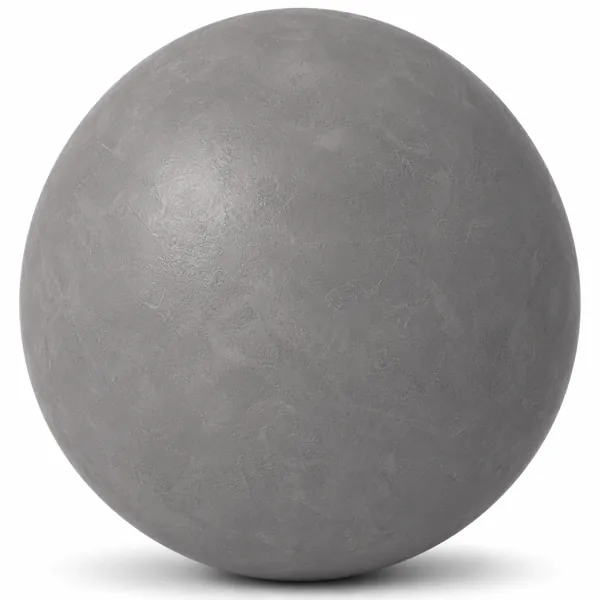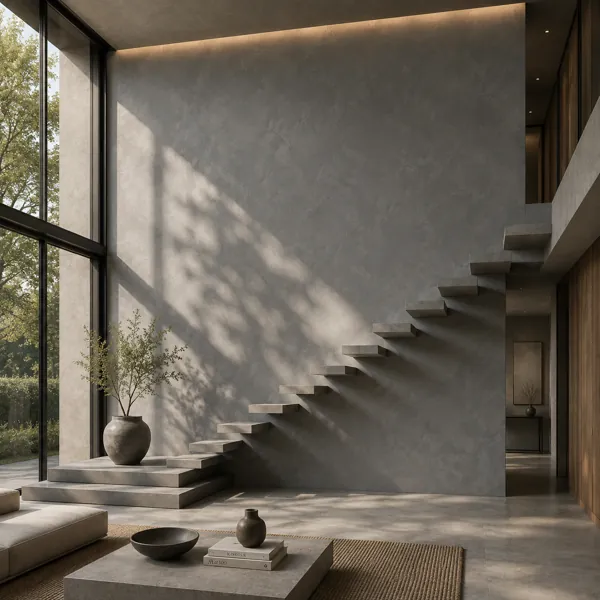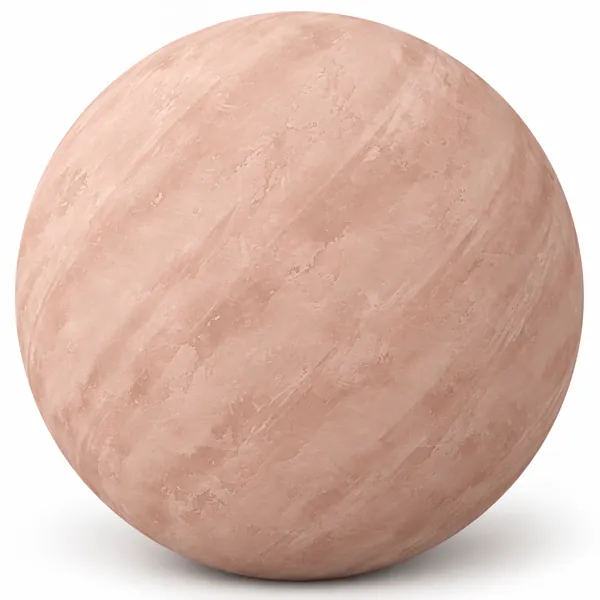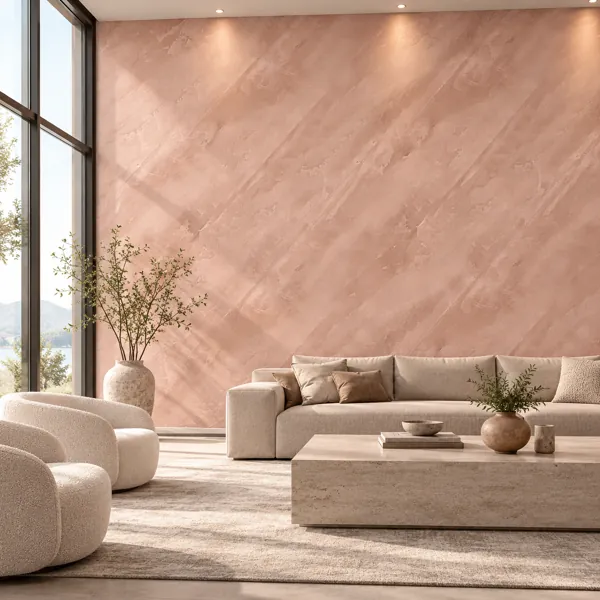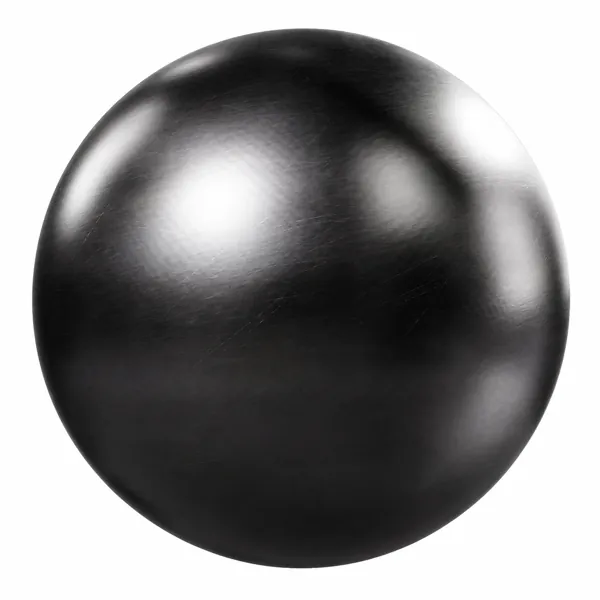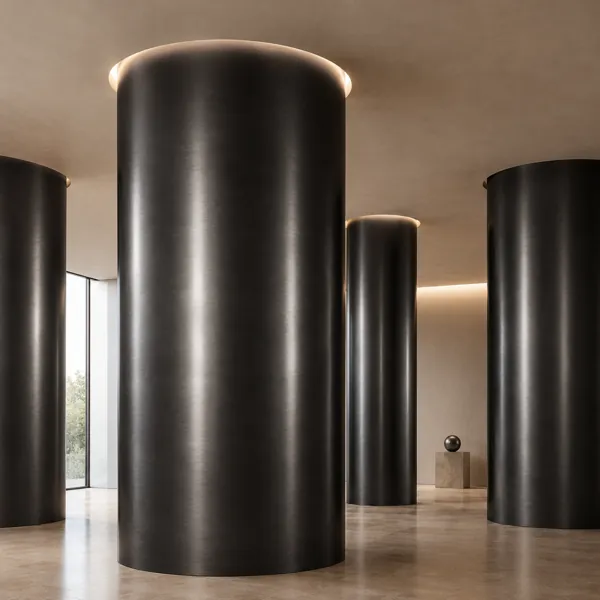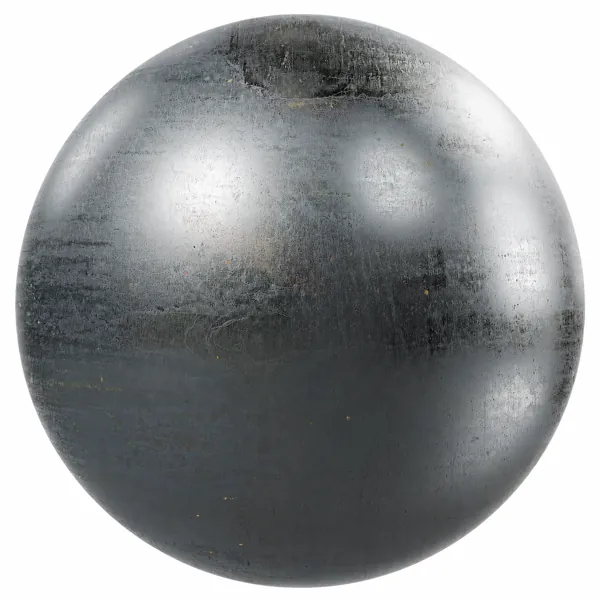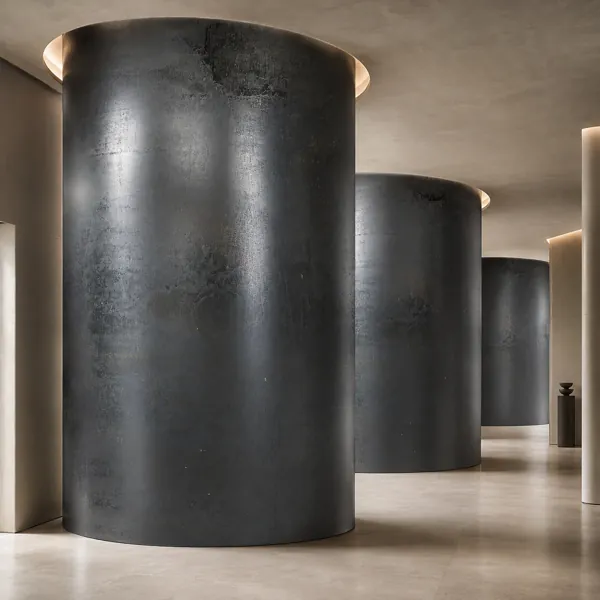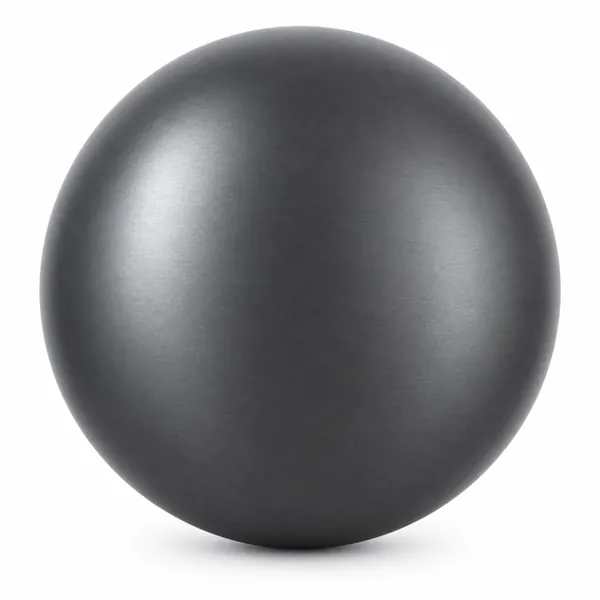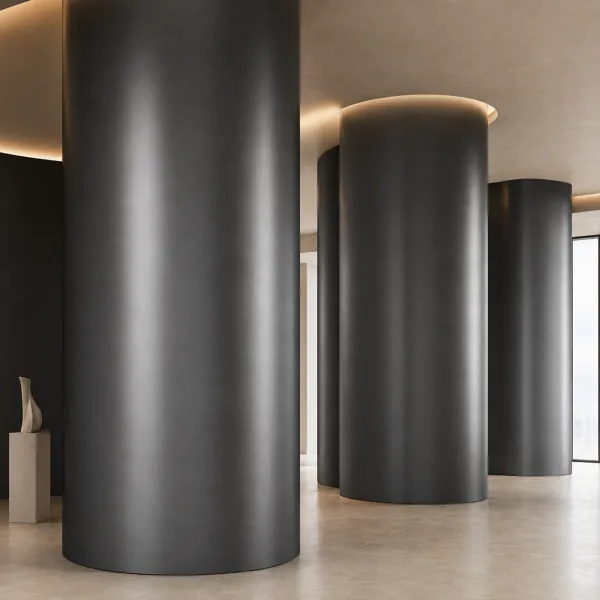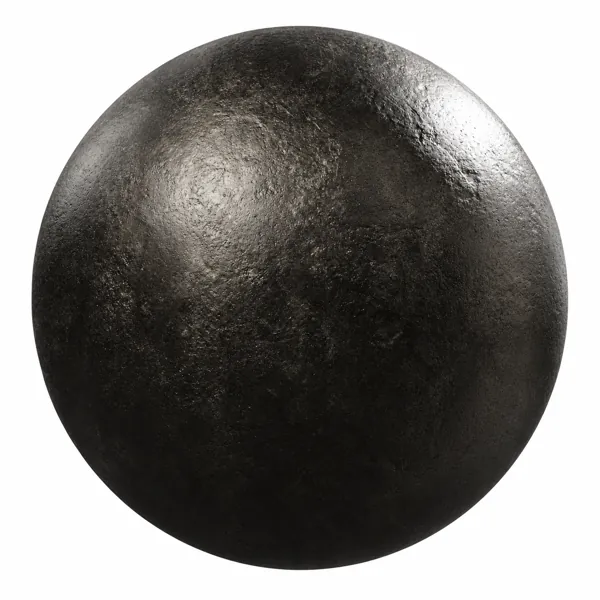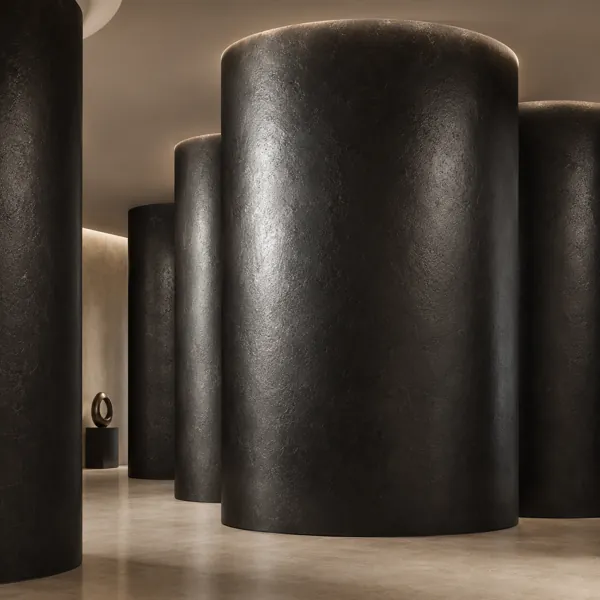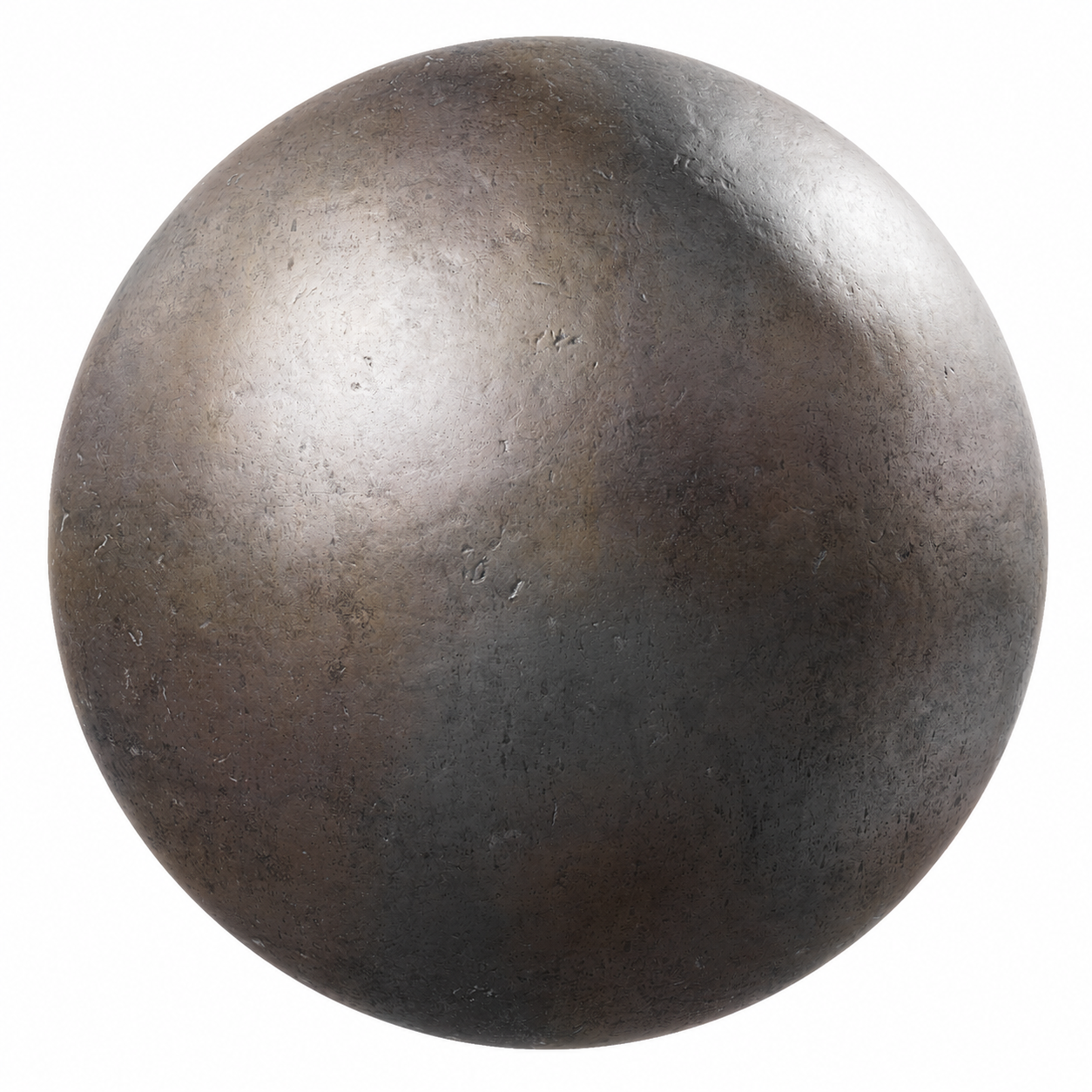
Dark Aged Pitted Cast Iron Metal Texture
Metal No. 00050
FREE
Specifications
- Brand
- Laruus
- Style
- Modern
- Material
- Metal
- Suitable spaces
- Living Room, Bedroom, Office, Cafe, Commercial, Kitchen, Garden, Outdoor, Entrance, Balcony
- Color
- GrayBrownBlack
- File types
- Albedo MapAlpha MapAO MapBump MapDiffuse Color MapEdge MapEmission MapHeight MapMetallic MapNormal MapPacked Texture MapRoughness Map
Dark Aged Pitted Cast Iron Metal Texture - High Resolution Seamless PBR Textures
Description
Dark Aged Pitted Cast Iron Metal Texture presents a deep charcoal-grey metallic surface distinguished by muted brown undertones, irregular tonal variation and naturally scattered pitted details. Its weathered appearance gives the material a substantial, industrial character without relying on a uniform decorative pattern. The combination of darker areas, softened grey highlights and restrained brown coloration makes the texture suitable for contemporary, industrial and historically influenced visualization where clean new metal would appear too pristine.
The visible surface character is defined by fine irregular marks, shallow pits, subtle depressions and softly mottled coloration distributed across the metal. Rather than displaying directional brushed lines or a polished mirror finish, the material has an aged, slightly uneven appearance that helps communicate the density and visual weight associated with cast metal. Small-scale imperfections create additional depth while remaining restrained enough for application across both compact objects and larger architectural elements. The dark grey and brown palette also responds naturally to changes in illumination, allowing raised and recessed areas to become more apparent under grazing light.
This cast iron metal texture can support a broad range of architectural and interior applications, including structural columns, metal wall surfaces, fireplace surrounds, doors, partitions, decorative panels, furniture components, counters and custom fabricated details. It can work particularly well in commercial interiors, cafes, offices and entrance areas where darker metal provides contrast against stone, wood, concrete or neutral plaster. In residential visualization, the material can introduce an aged industrial accent to living rooms, kitchens, bedrooms and balconies. It may also be considered for garden and outdoor visualization when the design concept calls for dark weathered metal surfaces.
For archviz and CGI workflows, the texture provides a visually descriptive base for creating convincing metal materials under different lighting conditions. The irregular pitting and tonal changes can help prevent broad surfaces from appearing digitally flat, especially in close and medium-distance camera views. Directional or grazing illumination can emphasize the fine relief, while softer ambient lighting retains the dark, understated overall appearance. This makes the material useful for product visualization, architectural detail renders, interior scenes and material studies where realistic surface response is an important part of the composition.
Within an interior design palette, the dark aged cast iron appearance pairs naturally with warm timber, pale stone, concrete, leather, glass and subdued mineral finishes. Its brown-grey undertones can bridge warm and cool materials, while the charcoal areas create visual depth without requiring a pure black surface. On large architectural forms, the mottled finish can introduce subtle variation; on smaller objects, the visible pitting can reinforce the impression of cast or aged metal construction. The result suits modern industrial, minimalist and material-focused environments.
The supplied texture set includes Albedo Map, Alpha Map, AO Map, Bump Map, Diffuse Color Map, Edge Map, Emission Map, Height Map, Metallic Map, Normal Map, Packed Texture Map and Roughness Map. These maps provide options for building a PBR material and controlling surface color, relief, metallic response and roughness within compatible 3D rendering workflows. For the most convincing result, maintain realistic texture scale and evaluate the material under neutral lighting before adapting roughness or displacement intensity to the specific scene, object size and camera distance.
Frequently asked questions
Is this texture free?
Yes. You can download it with a free Laruus account. Free textures are limited to 5 downloads per day.
Which software can I use this texture in?
The maps are standard image files, so they work in any renderer with PBR materials, such as Corona or V-Ray in 3ds Max, Blender, SketchUp with V-Ray or Enscape, and Unreal Engine.
What do I get when I download it?
A 59.1 MB download. It was added to Laruus on September 2, 2026.
Which spaces is it suitable for?
It suits Living Room, Bedroom, Office, Cafe, Commercial, Kitchen, Garden, Outdoor, Entrance, and Balcony projects. Style: Modern.
Are there 3D models that use this material?
Yes. Laruus has 3D models in the same material:
- Metal — 275Browse Armchairs (26)