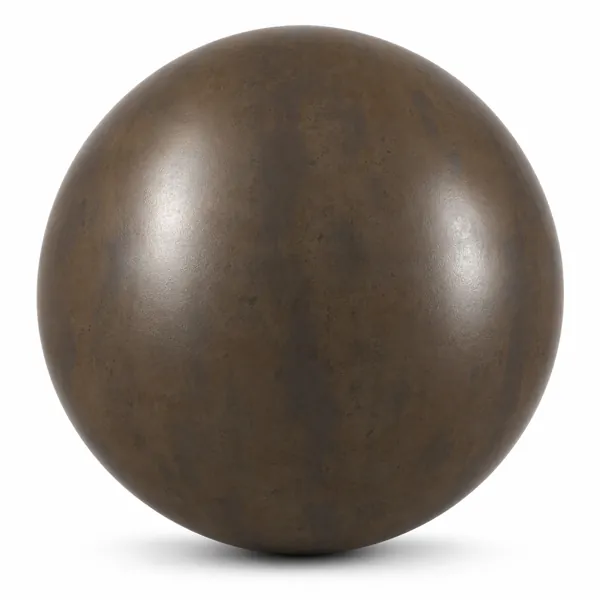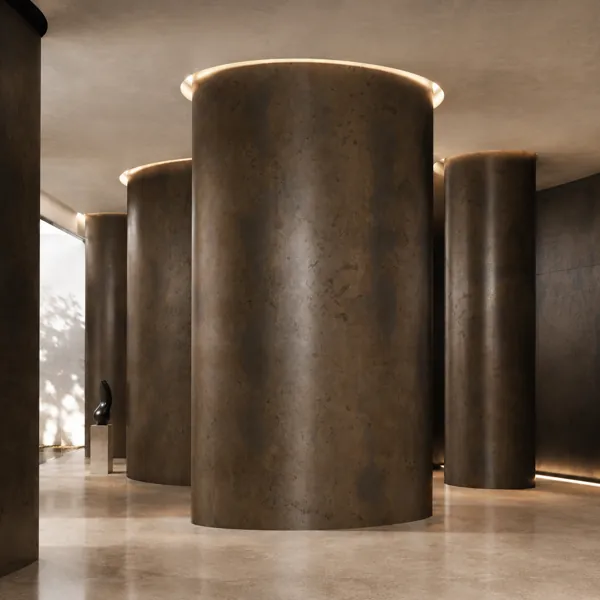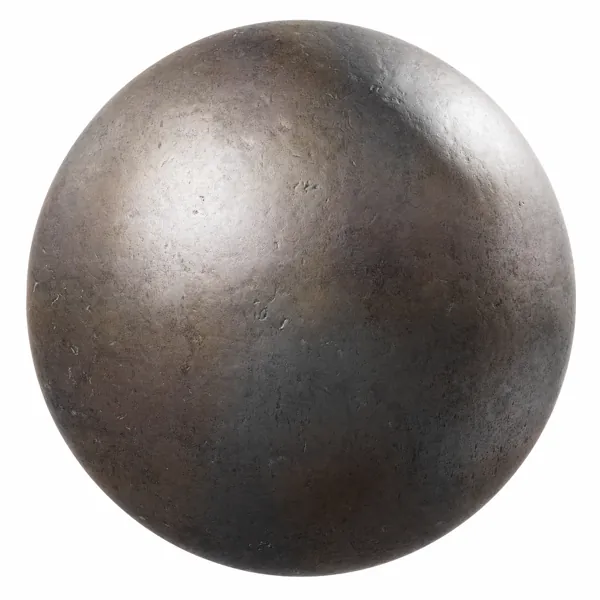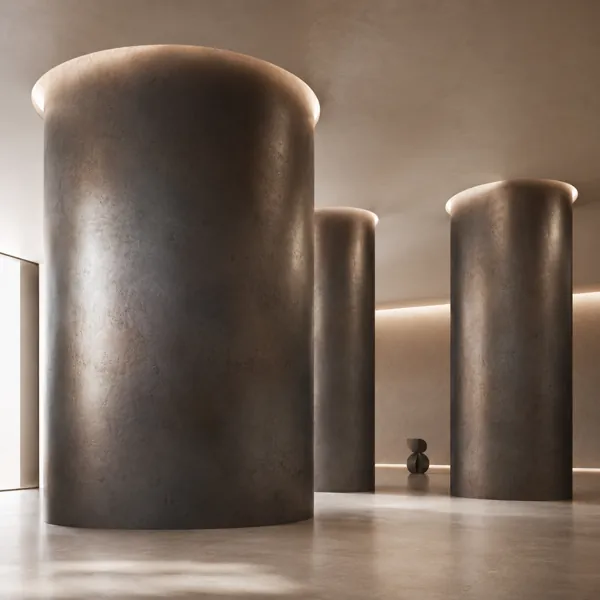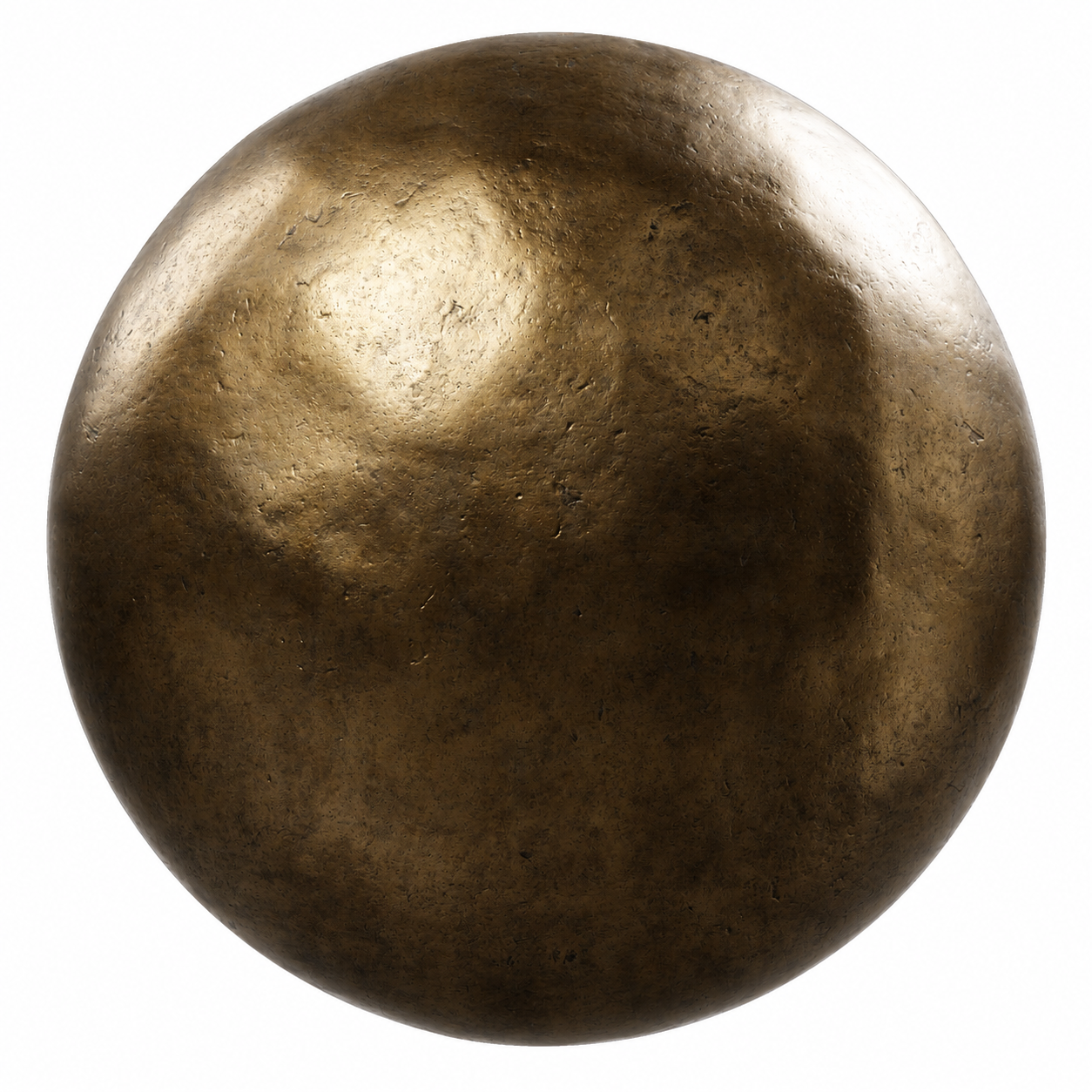
Aged Dark Bronze Patina Metal Texture
Metal No. 00017
FREE
Specifications
- Brand
- Laruus
- Style
- Modern
- Material
- Metal
- Suitable spaces
- Living Room, Bedroom, Office, Cafe, Commercial, Kitchen, Entrance
- Color
- BrownGold
- File types
- Albedo MapAlpha MapAO MapBump MapDiffuse Color MapEdge MapEmission MapHeight MapMetallic MapNormal MapPacked Texture MapRoughness Map
Aged Dark Bronze Patina Metal Texture - High Resolution Seamless PBR Textures
Description
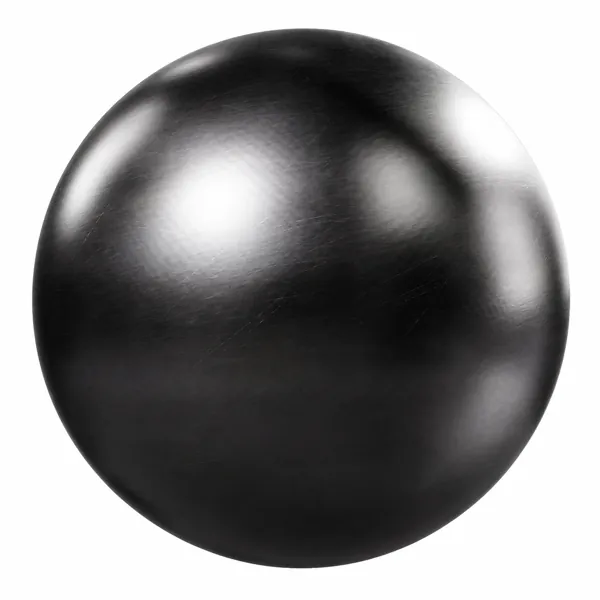
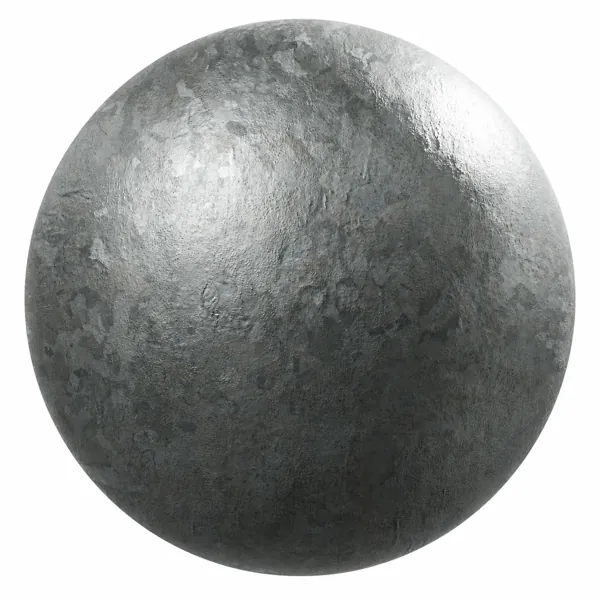
Aged Dark Bronze Patina Metal Texture features a deep brown-bronze color palette with warm golden undertones and naturally mottled surface variation. The visible finish combines darker oxidized-looking areas with lighter bronze highlights, giving the material an aged and visually layered character without relying on a regular directional pattern. Fine pits, scattered marks and irregular tonal changes create an authentic weathered-metal appearance that works especially well in contemporary, industrial and decorative architectural contexts. Its non-uniform coloration provides enough visual complexity for prominent surfaces while maintaining a cohesive overall bronze identity.
The material is defined by Metal as its primary surface category, with a dense distribution of small-scale imperfections visible across the preview. Rather than displaying polished, mirror-like metal or mechanically brushed lines, the surface has an irregular patinated character. Fine depressions, subtle abrasion-like details and scattered dark marks break up the warm brown and gold-toned base. These characteristics make the texture suitable for both broad architectural elements and smaller decorative objects, where changing illumination can reveal different portions of its surface detail. The visual structure is organic and non-directional, allowing it to adapt naturally to curved, planar and sculptural forms.
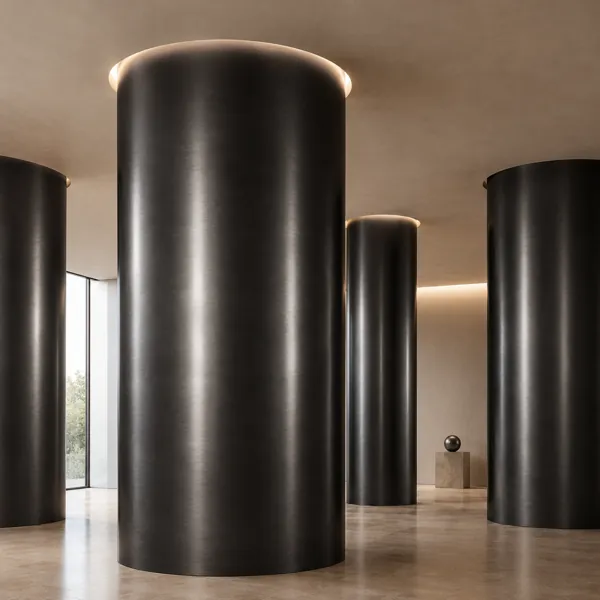
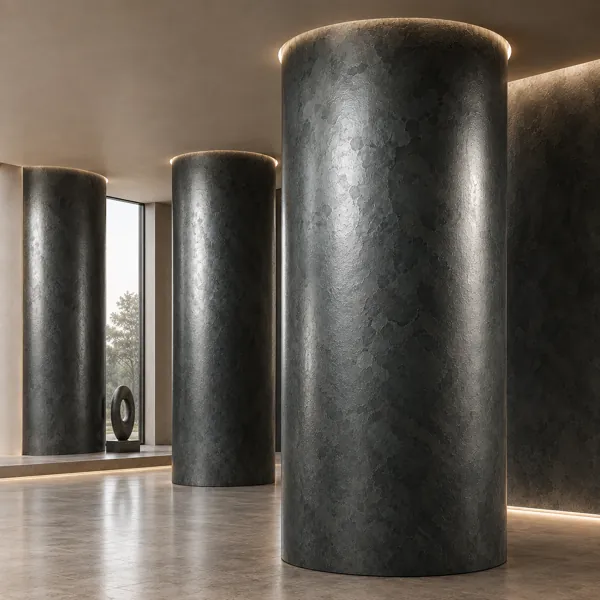
In interior design applications, this aged bronze metal texture can complement Living Room, Bedroom, Office, Cafe, Commercial, Kitchen and Entrance environments. It can be considered for decorative metal panels, feature walls, reception elements, counters, architectural trims, columns, display structures and custom metal objects. The warm brown-bronze coloration pairs naturally with neutral stone, dark wood, glass, black accents and restrained beige interiors. Because the surface contains both darker areas and warmer metallic-looking highlights, it can provide contrast without introducing a strongly patterned graphic element into the space.
For architectural visualization and CGI workflows, the texture is particularly useful when a clean uniform metal would appear too sterile. Its aged patina and fine irregularities can introduce believable material variation into close-up shots as well as wider interior compositions. In 3ds Max workflows, artists can use the supplied texture maps to build a physically based material and control how the bronze surface responds to scene lighting. Directional lights, soft studio sources and grazing illumination can emphasize the fine relief and tonal variation, while softer ambient lighting can produce a more restrained aged-metal appearance.
The texture also supports material-driven visualization where bronze is intended to become a focal finish. On large architectural surfaces, its mottled distribution can help prevent visually flat results, while on furniture details or decorative objects it can add depth at closer camera distances. The warm metallic character works particularly well with modern interiors that combine mineral surfaces, natural materials and understated architectural lighting. Its irregular surface language can also support industrial-inspired spaces where signs of age and material variation are intentionally retained as part of the design expression.
The provided map set includes Albedo Map, Alpha Map, AO Map, Bump Map, Diffuse Color Map, Edge Map, Emission Map, Height Map, Metallic Map, Normal Map, Packed Texture Map and Roughness Map. These maps provide multiple channels for configuring the material response according to the chosen renderer and scene requirements. Roughness, relief and metallic behavior should be adjusted in relation to the actual render lighting and object scale rather than exaggerated. This approach helps preserve the visible aged dark bronze patina, fine surface irregularities and warm tonal balance shown in the reference while producing convincing results in archviz and product visualization.
Frequently asked questions
Is this texture free?
Yes. You can download it with a free Laruus account. Free textures are limited to 5 downloads per day.
Which software can I use this texture in?
The maps are standard image files, so they work in any renderer with PBR materials, such as Corona or V-Ray in 3ds Max, Blender, SketchUp with V-Ray or Enscape, and Unreal Engine.
What do I get when I download it?
A 70.8 MB download. It was added to Laruus on September 1, 2026.
Which spaces is it suitable for?
It suits Living Room, Bedroom, Office, Cafe, Commercial, Kitchen, and Entrance projects. Style: Modern.
Are there 3D models that use this material?
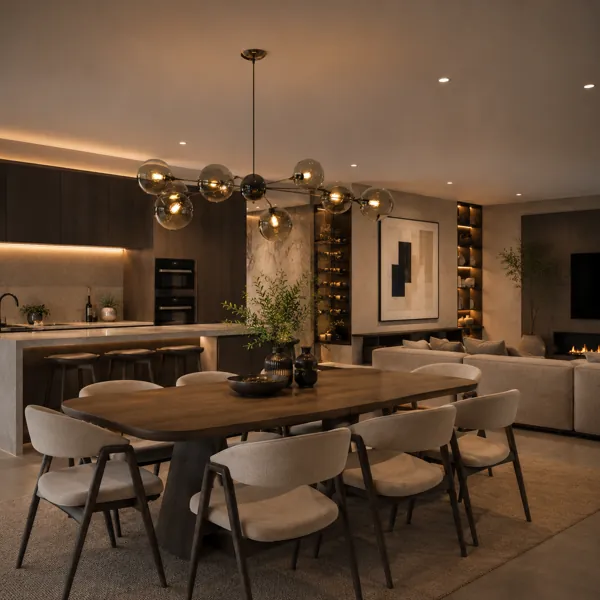
Yes. Laruus has 3D models in the same material:
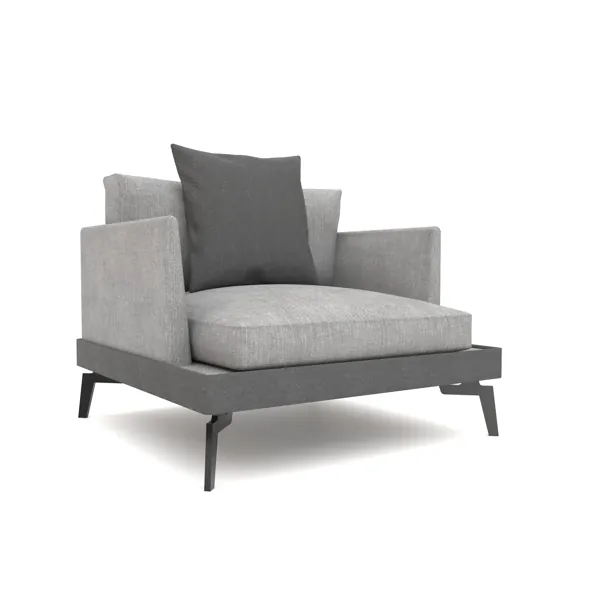
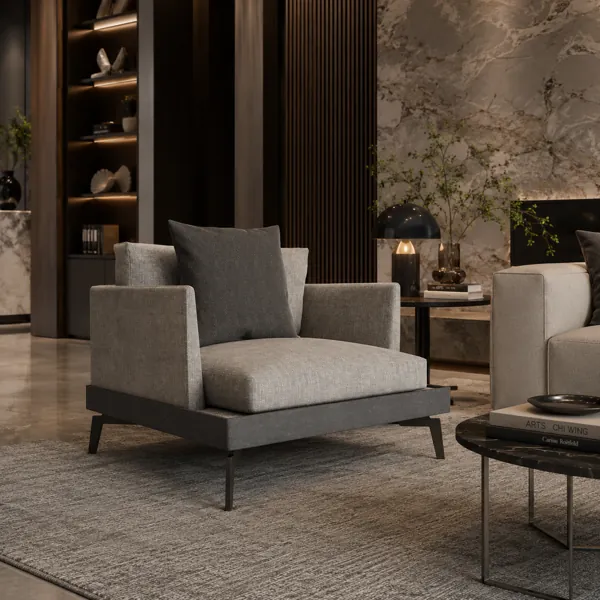
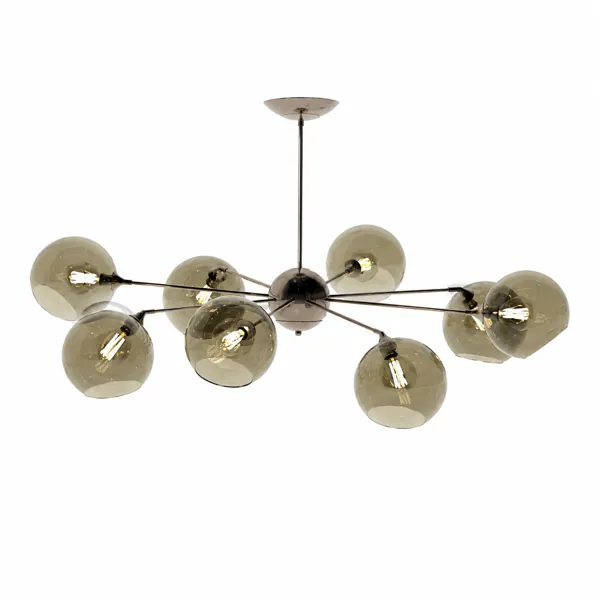
- Metal — 275Browse Armchairs (26)