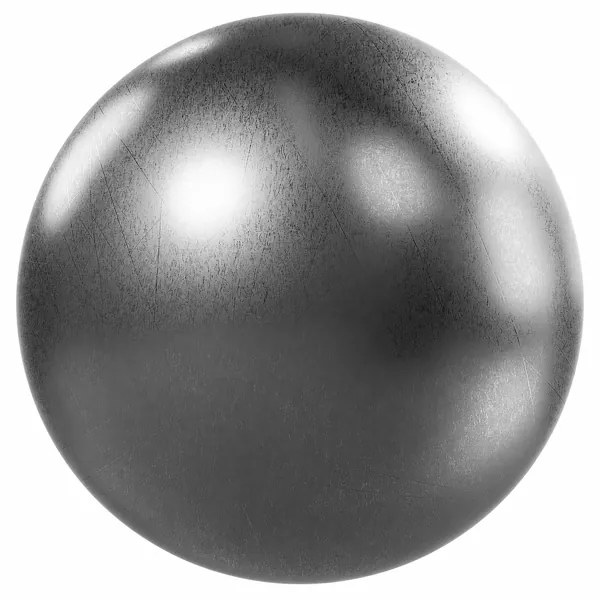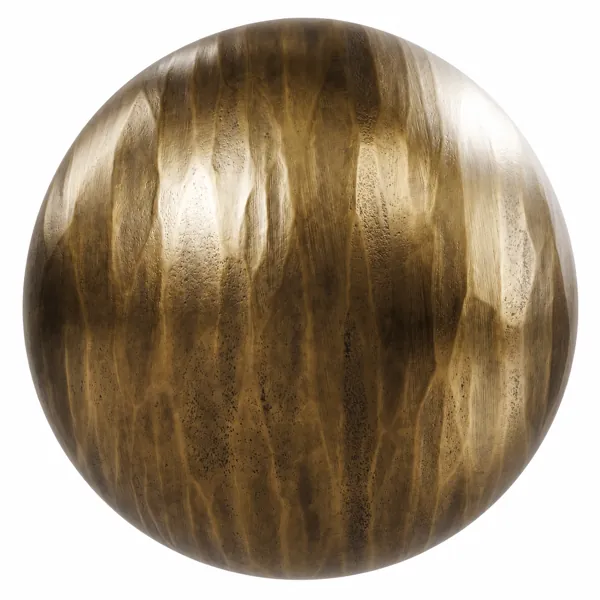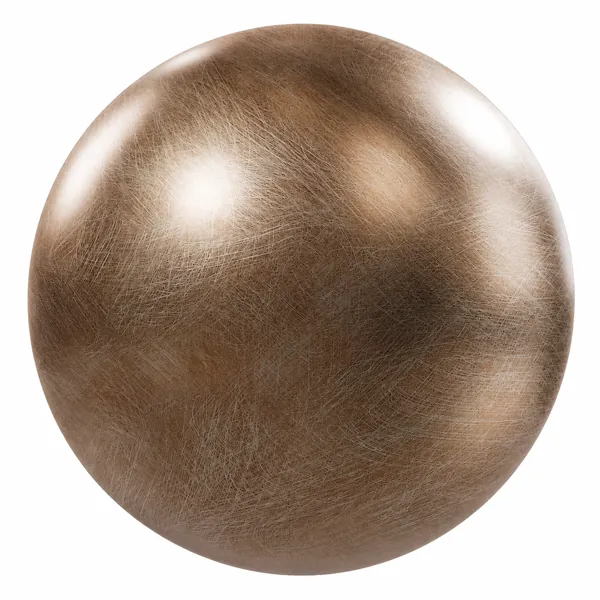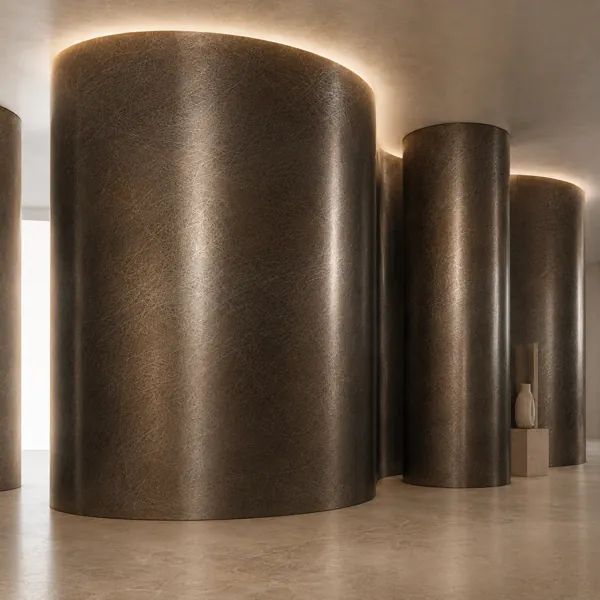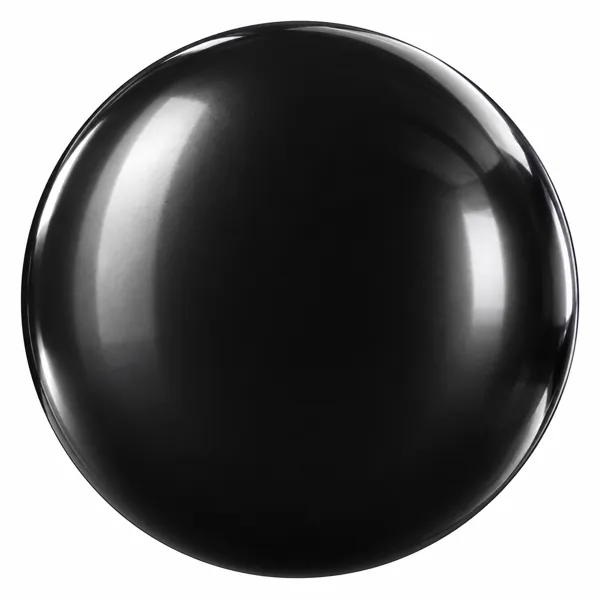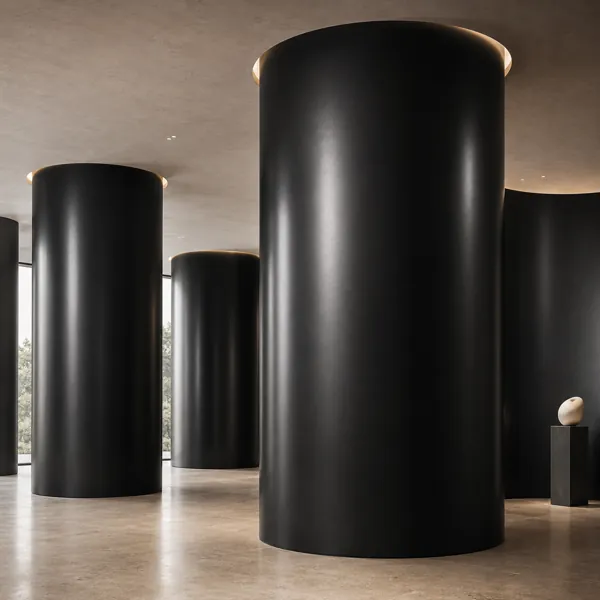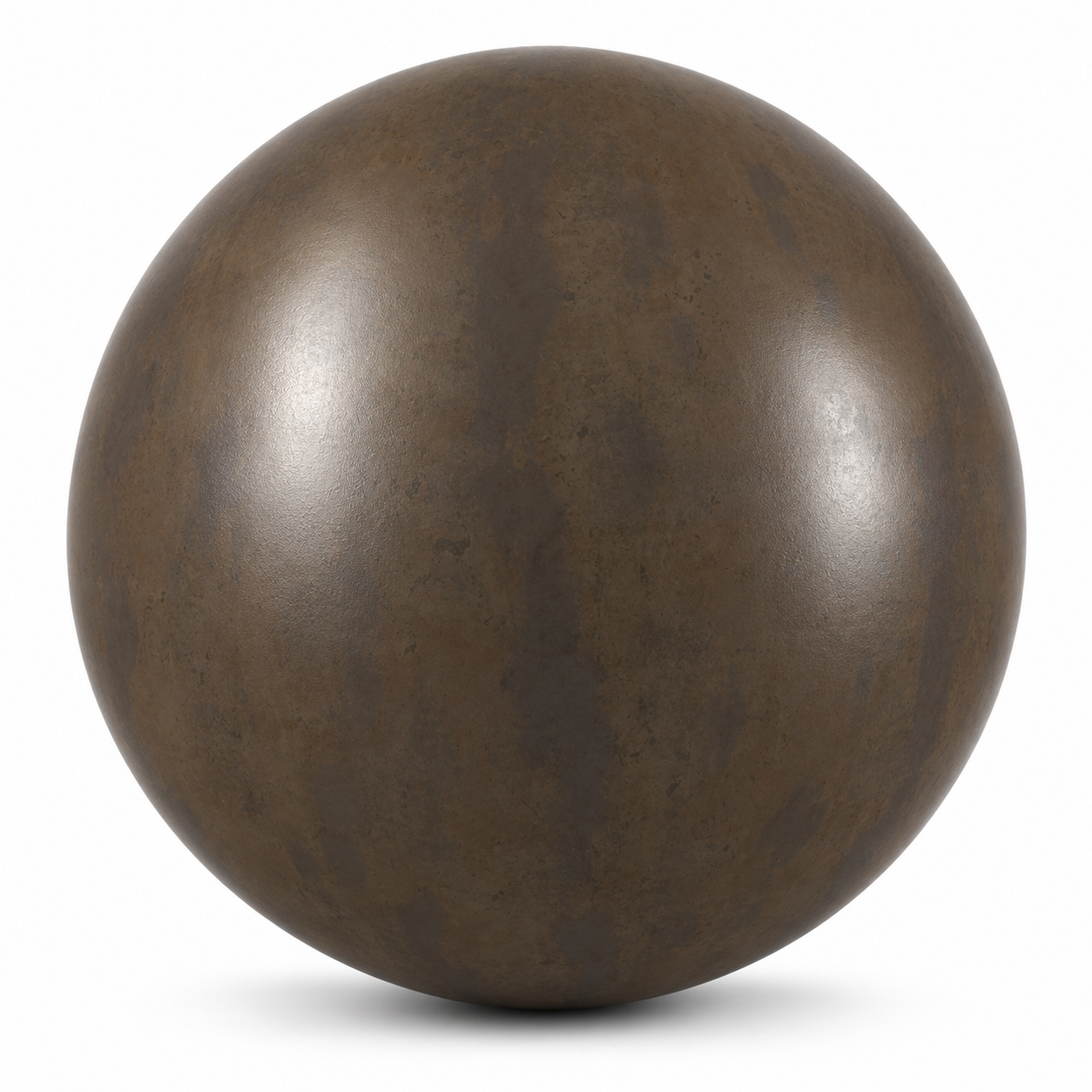
Warm Brown Mottled Worn Metal Texture
Metal No. 00002
FREE
Specifications
- Brand
- Laruus
- Style
- Modern
- Material
- Metal
- Suitable spaces
- Living Room, Bedroom, Office, Cafe, Commercial, Kitchen, Garden, Outdoor, Entrance, Balcony
- Color
- BrownGray
- File types
- Albedo MapAlpha MapAO MapBump MapDiffuse Color MapEdge MapEmission MapHeight MapMetallic MapNormal MapPacked Texture MapRoughness Map
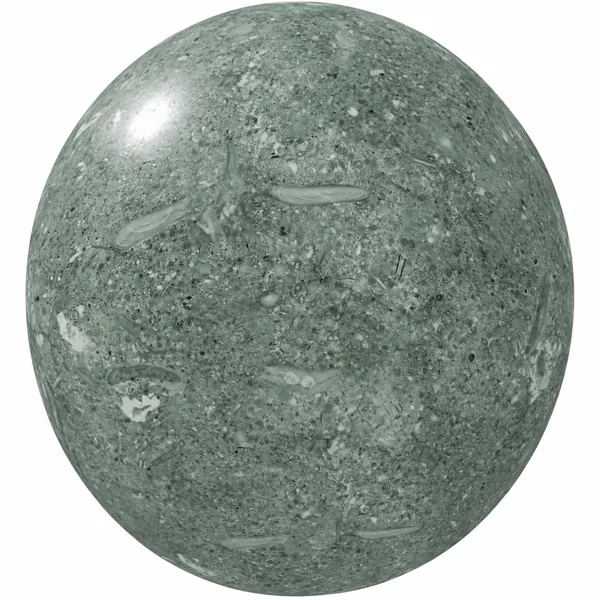
Warm Brown Mottled Worn Metal Texture - High Resolution Seamless PBR Textures
Description
Warm Brown Mottled Worn Metal Texture features an aged metallic surface defined by earthy brown coloration, irregular darker patches and finely scattered surface markings. The visible material combines muted warm brown areas with subdued grey-brown variations, creating a naturally weathered appearance without relying on a repetitive geometric pattern. Its mottled distribution gives the surface visual depth while maintaining a cohesive overall character. Small marks, subtle tonal transitions and organically shaped darker regions distinguish this texture from clean or uniformly finished metals, making it particularly suitable for designs that require a worn, time-developed metal aesthetic.
The material is based on Metal, and its defining visual quality comes from the relationship between the warm brown base, darker irregular areas and fine surface variation. Rather than displaying directional brushed lines or a polished mirror finish, the texture has a more diffuse, aged character. The visible pattern varies gradually across the surface, with broad tonal clouds complemented by much smaller marks and speckled details. This combination can remain readable on large architectural surfaces while providing additional visual information in close-up renders. The relatively restrained scale of the markings also makes the material adaptable to objects and architectural components of different proportions.
This worn brown metal texture can be used across contemporary, industrial-influenced and material-focused interiors. Potential applications include architectural wall panels, metal cladding, feature surfaces, reception elements, doors, partitions, shelving, cabinetry accents, decorative structures and custom metal components. Its warm coloration can create an effective contrast with pale Stone, Marble, Glass, dark Wood and neutral interior finishes. It can also complement Cafe, Commercial, Office, Entrance and residential environments where designers want metal to contribute texture and warmth rather than the colder appearance associated with clean silver or polished metallic surfaces.
For Archviz and CGI workflows, the irregular tonal distribution provides useful visual complexity across both wide architectural views and detailed material studies. On large surfaces, the broad brown and grey-brown variations can prevent the material from appearing artificially uniform, while closer camera positions reveal the smaller mottled markings and aged surface character. The supplied map selection supports a flexible PBR workflow in compatible 3D software and rendering systems. Albedo, Diffuse Color, Metallic, Roughness, Normal, Bump, Height, AO, Alpha, Edge, Emission and Packed Texture Maps can be incorporated according to the requirements of the chosen material setup and rendering pipeline.
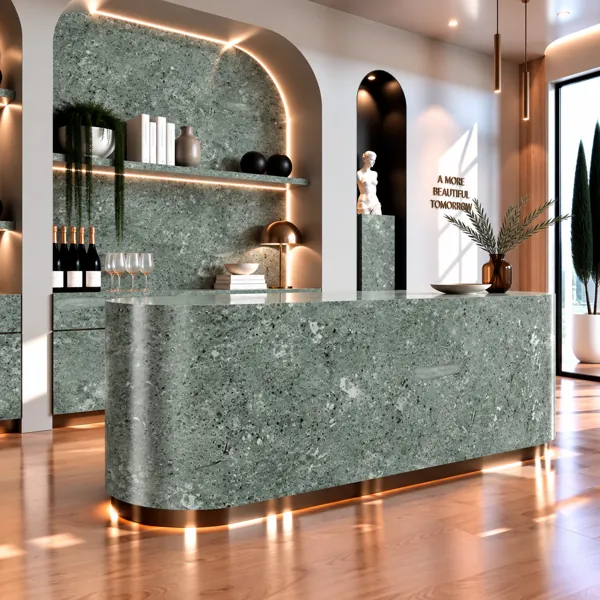
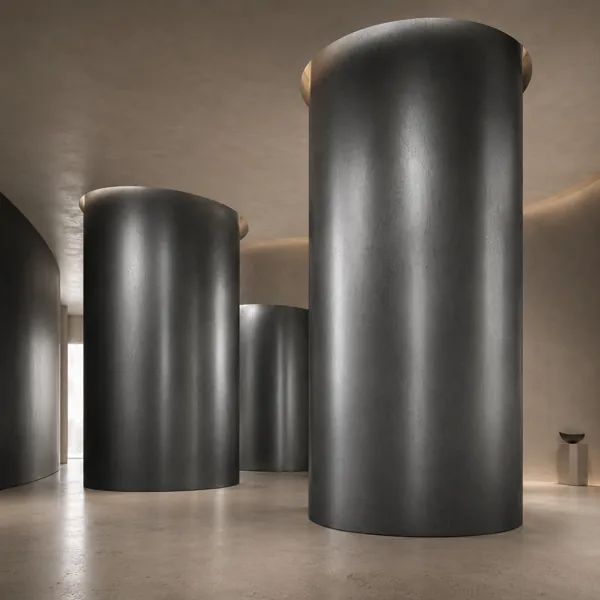
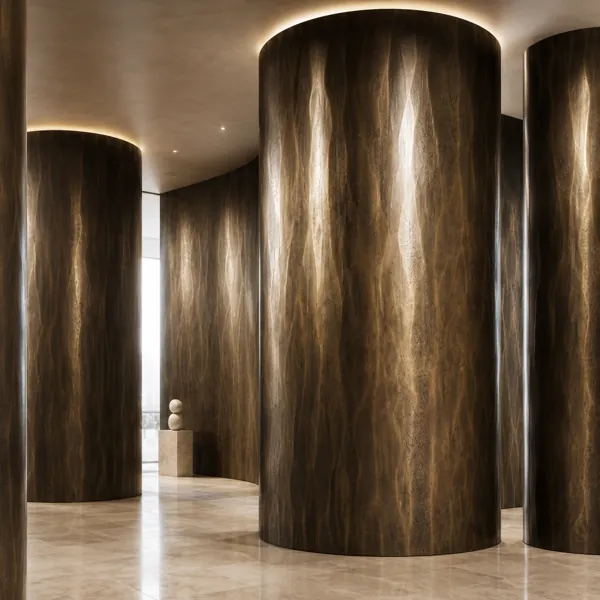
Within interior design compositions, this texture works particularly well as a contrasting surface against restrained neutral architecture. Warm mineral floors, beige walls, natural stone, smoked or clear Glass and dark furnishings can all provide complementary surroundings for its earthy metallic coloration. Curved architectural elements can emphasize changing reflections across the worn surface, while broad flat panels can showcase the irregular mottled pattern more directly. Because the texture already contains noticeable tonal variation, surrounding materials can remain comparatively simple, allowing the aged metal character to become a focal material without introducing unnecessary decorative complexity.
For rendering, Metallic Map and Roughness Map can control metallic response and reflection behavior where supported, while Normal, Bump and Height Maps can contribute surface definition. These channels should be adjusted according to scene scale and camera distance rather than exaggerated, since excessive relief could alter the visible character of the reference. Accurate UV Mapping and consistent texture scale are important when applying the material to large architectural geometry. In 3ds Max and compatible physically based rendering workflows, balanced illumination and realistic reflection settings can help retain the warm brown mottling, darker aged areas and fine surface details visible in the reference.
Frequently asked questions
Is this texture free?
Yes. You can download it with a free Laruus account. Free textures are limited to 5 downloads per day.
Which software can I use this texture in?
The maps are standard image files, so they work in any renderer with PBR materials, such as Corona or V-Ray in 3ds Max, Blender, SketchUp with V-Ray or Enscape, and Unreal Engine.
What do I get when I download it?
A 47.4 MB download. It was added to Laruus on September 1, 2026.
Which spaces is it suitable for?
It suits Living Room, Bedroom, Office, Cafe, Commercial, Kitchen, Garden, Outdoor, Entrance, and Balcony projects. Style: Modern.
Are there 3D models that use this material?
Yes. Laruus has 3D models in the same material:
- Metal — 275Browse Armchairs (26)