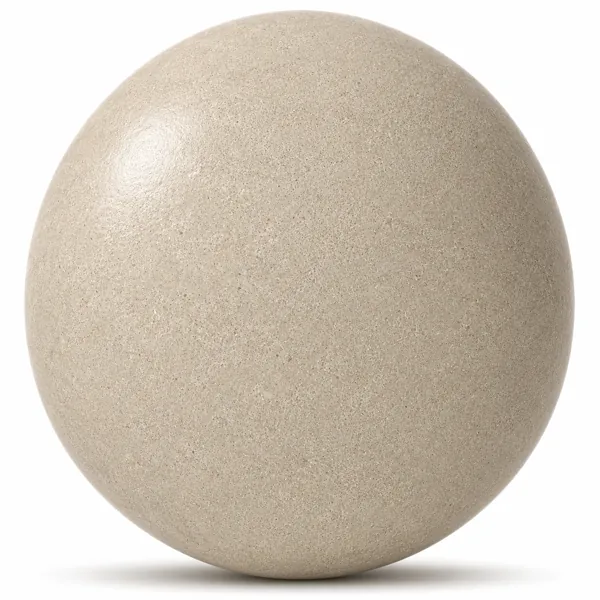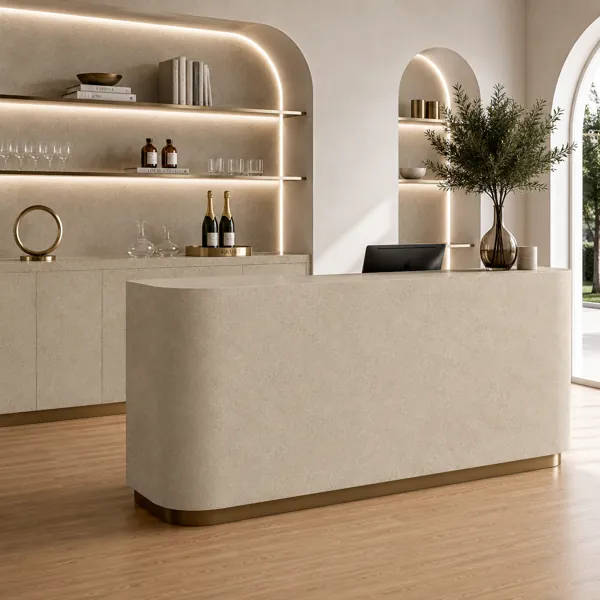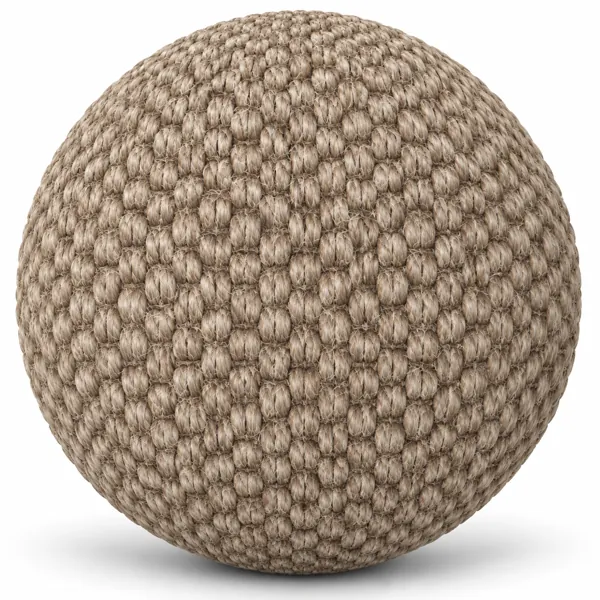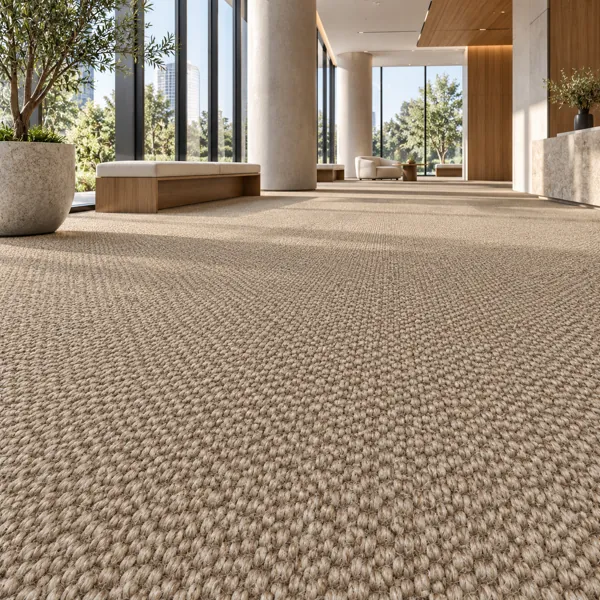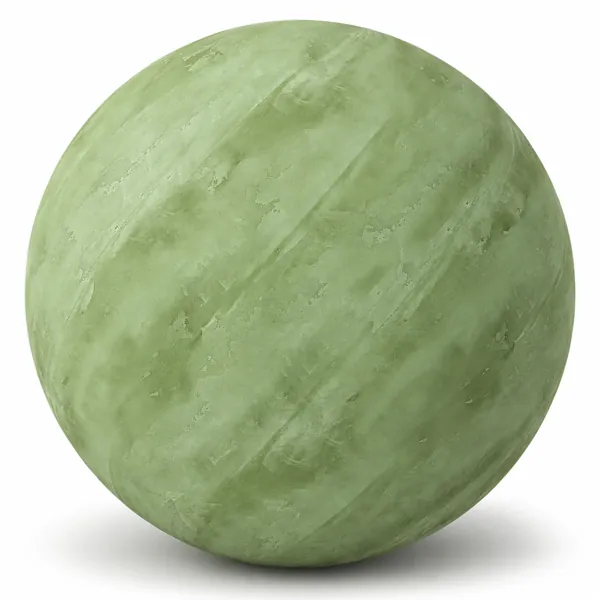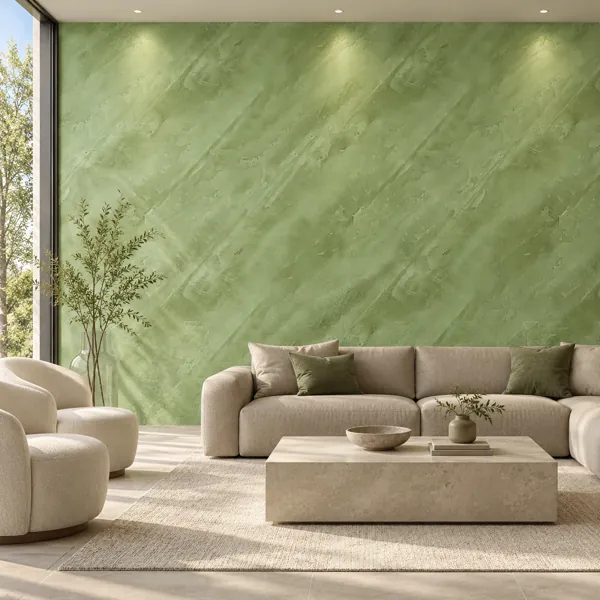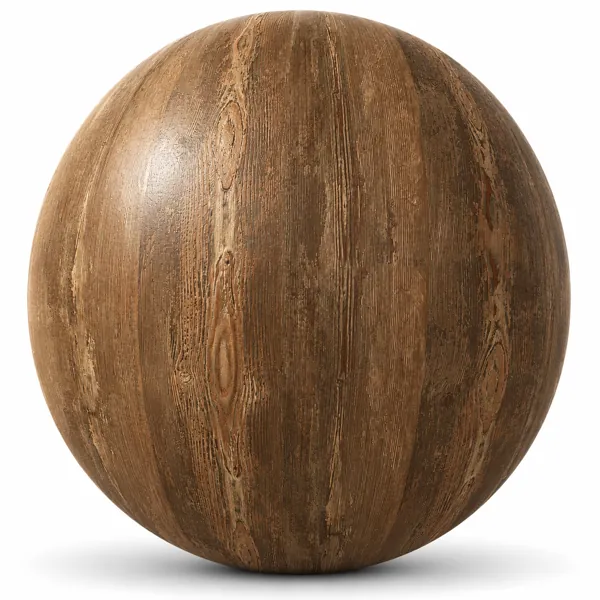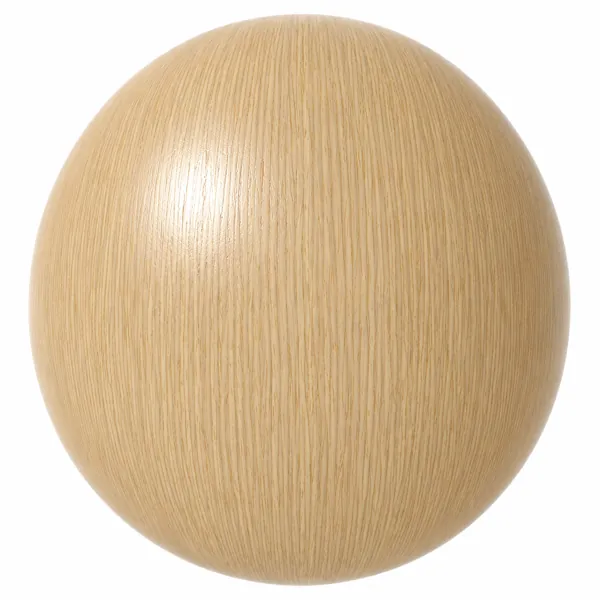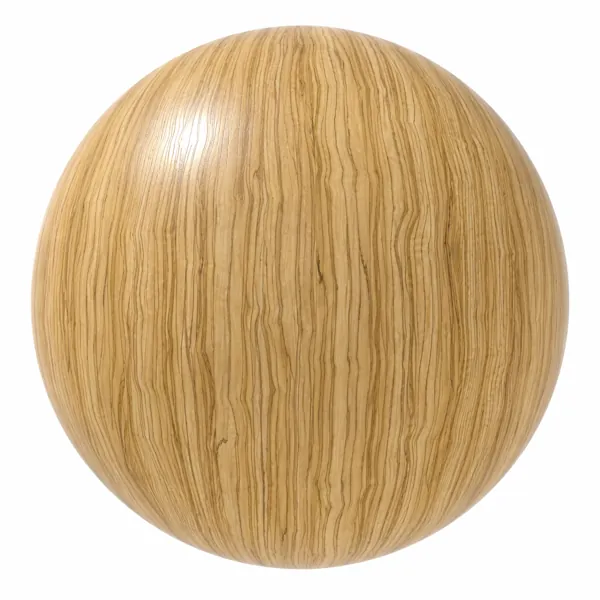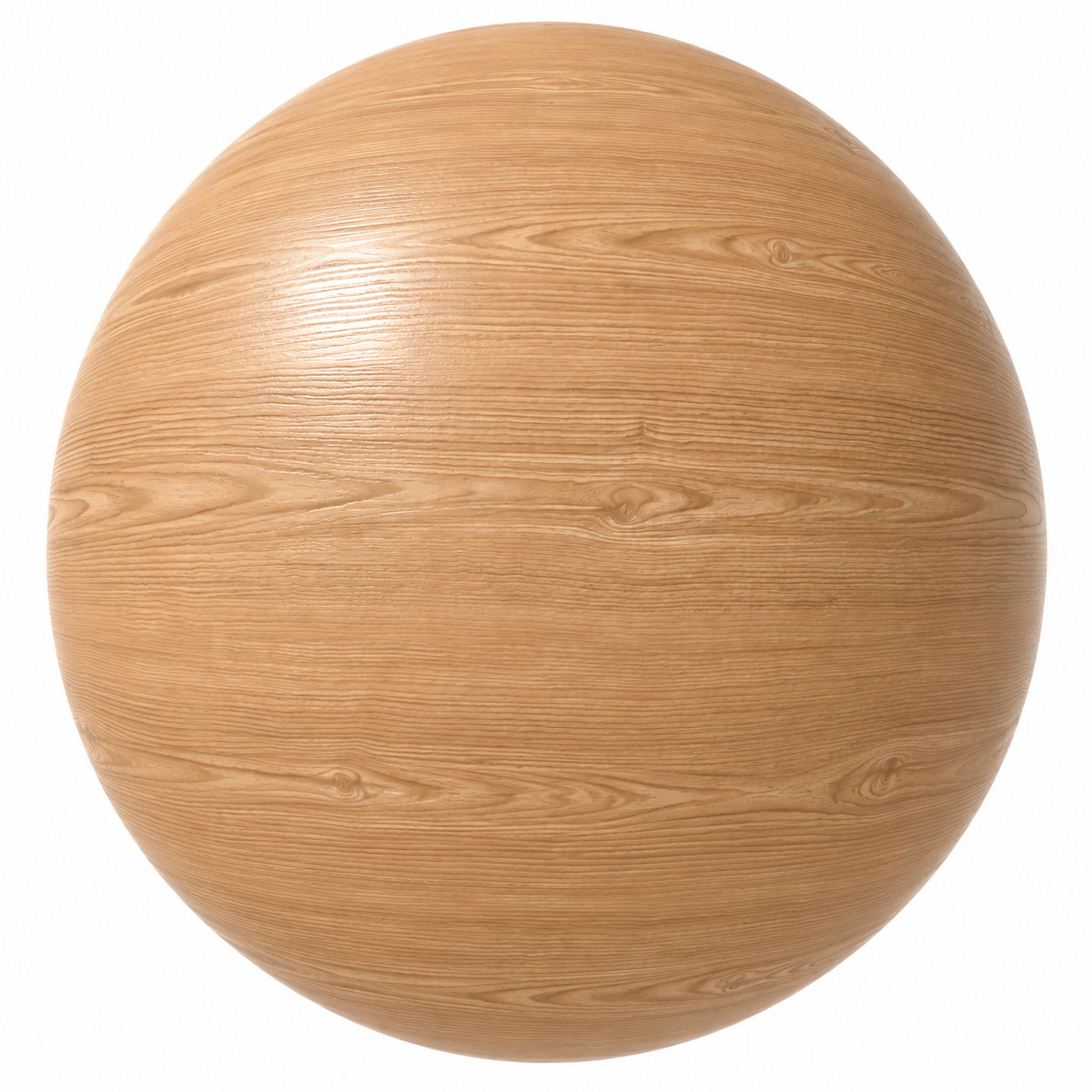
Warm Caramel Linear Grain Wood Texture
Wood No. 00077
FREE
Specifications
- Brand
- Laruus
- Style
- Modern
- Material
- Wood
- Suitable spaces
- Living Room, Bedroom, Office, Cafe, Commercial, Kitchen, Entrance, Childroom
- Color
- BrownBeige
- File types
- Albedo MapAlpha MapAO MapBump MapDiffuse Color MapEdge MapEmission MapHeight MapMetallic MapNormal MapPacked Texture MapRoughness Map
Warm Caramel Linear Grain Wood Texture - High Resolution Seamless PBR Textures
Description
Warm Caramel Linear Grain Wood Texture presents a medium-light brown wood surface distinguished by its warm caramel coloration, closely spaced linear grain, and occasional flowing natural formations. The visible pattern combines long parallel fibers with gently undulating lines and several more pronounced grain features, creating a surface that feels organic without becoming visually chaotic. Subtle variations between lighter golden-beige areas and deeper brown lines add definition throughout the material. This balanced contrast makes the texture particularly suitable for modern interiors where natural warmth and recognizable wood character are required while maintaining a clean architectural appearance.
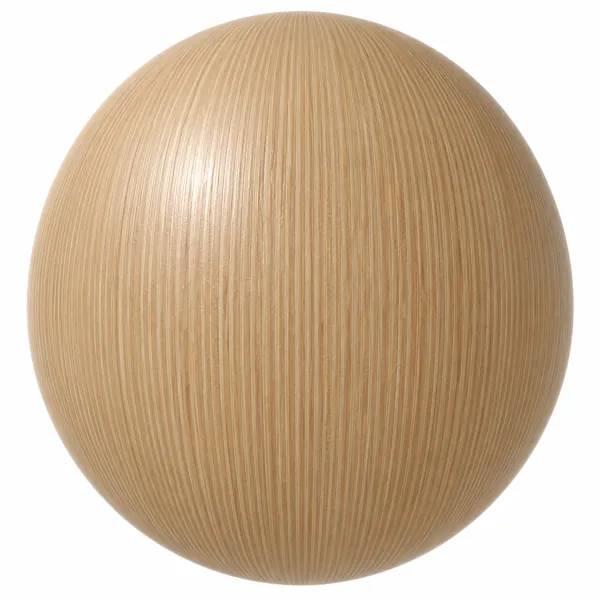
The surface structure is dominated by elongated grain running consistently in one primary direction. Fine lines appear in dense groups, interrupted by broader sweeping patterns and occasional knot-like formations that create identifiable focal points. These natural irregularities help prevent the material from appearing mechanically uniform. The relatively consistent overall tone allows it to cover larger surfaces while retaining visual continuity. When applied to architectural elements or furniture, the directional character should be mapped according to the geometry so that the grain follows realistic construction logic. Correct scale is especially important on panels, cabinetry, doors, shelving, tables, counters, and other surfaces where the dimensions of the wood pattern remain clearly visible.
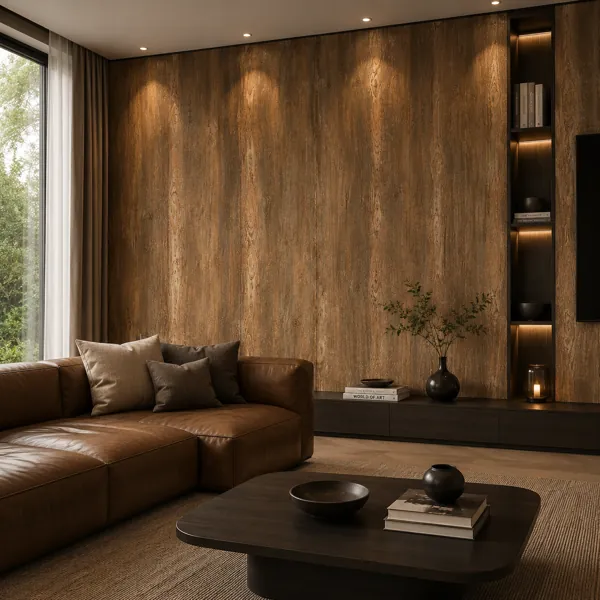
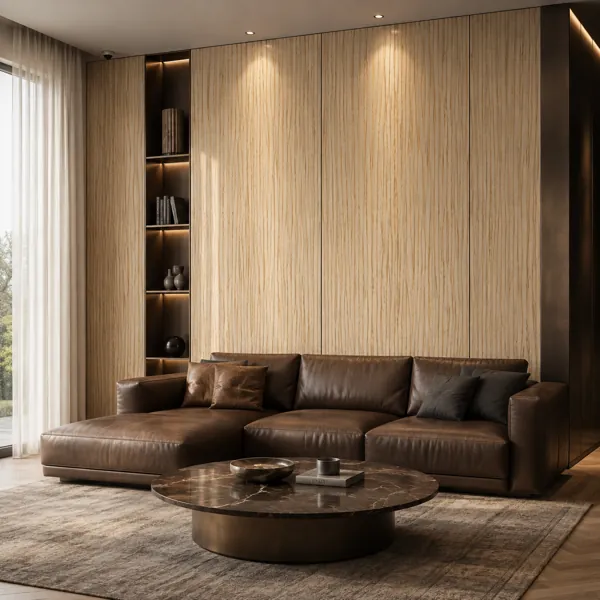
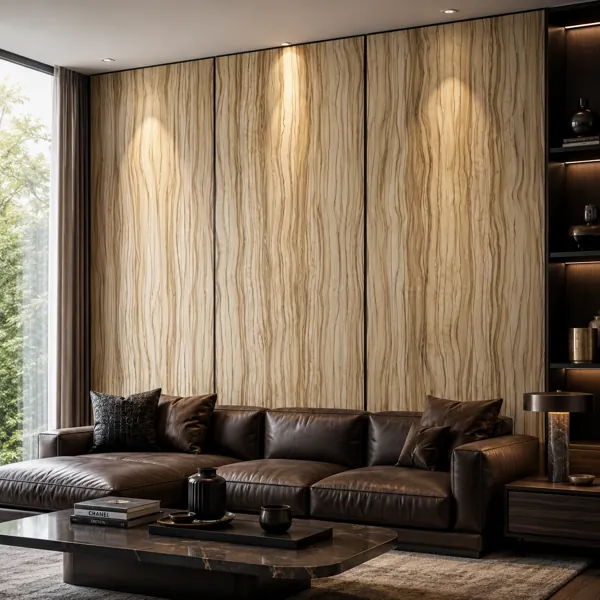
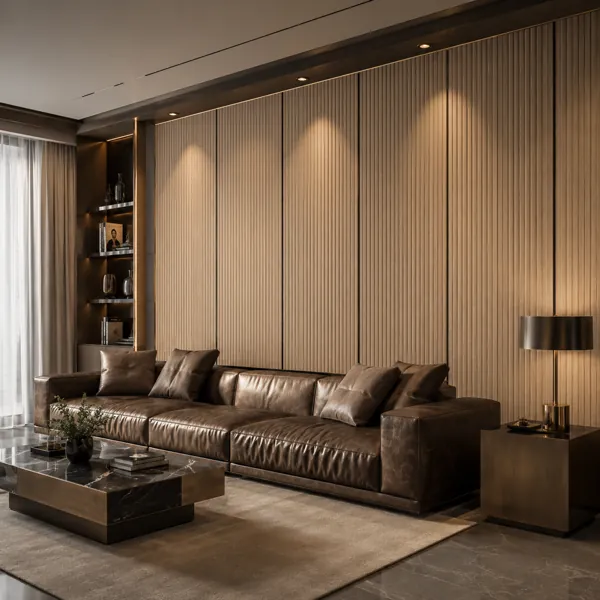
This warm caramel wood texture can work across Living Room, Bedroom, Office, Cafe, Commercial, Kitchen, Entrance, and Childroom settings. Its brown and beige palette coordinates naturally with neutral Fabric, dark or brushed Metal, Leather, Glass, Stone, and Ceramic finishes. Used on wall cladding, it can introduce warmth to minimalist spaces without relying on decorative ornament. On cabinetry and built-in furniture, the linear grain creates a structured visual flow. The material is also suitable for contemporary residential interiors, hospitality projects, reception areas, retail environments, and workspaces where natural wood tones are used to soften clean architectural forms.
For architectural visualization and CGI production, the clearly defined grain provides useful visual information for checking UV direction, mapping scale, continuity, and surface response under different lighting conditions. In a 3D's Max workflow, the supplied texture maps can be assigned according to the requirements of the chosen PBR material setup. Soft daylight can reveal the transition between caramel and lighter beige tones, while controlled artificial lighting can emphasize the finer grain structure and subtle surface relief. Close-up renders benefit from careful UV placement because incorrect stretching or oversized grain can quickly make a wood material appear unrealistic.
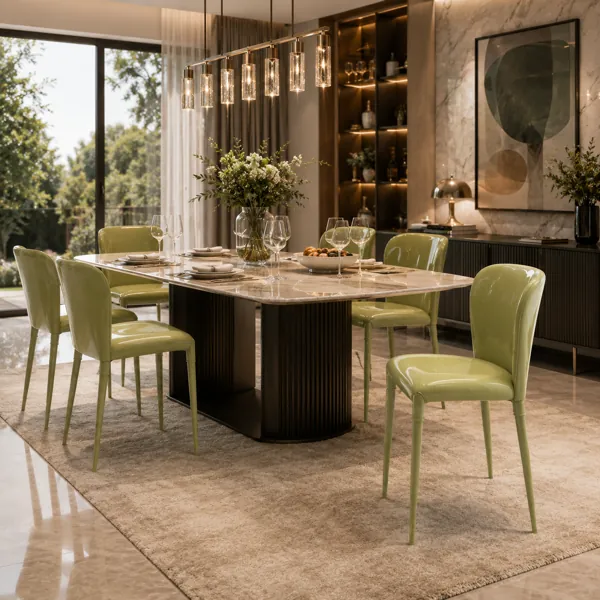
Within an interior composition, this texture can function as either a dominant finish or a supporting natural material. Large wall panels can emphasize the long grain pattern, while kitchen fronts, wardrobes, desks, shelving systems, reception counters, doors, and custom joinery can use its consistent warm coloration to establish visual continuity. Pairing the wood with black or dark bronze Metal creates stronger contrast, while cream upholstery, pale Stone, warm neutral walls, and clear Glass produce a softer palette. The visible grain remains detailed enough for material-focused imagery while still supporting restrained modern design schemes.
The included Albedo Map, Alpha Map, AO Map, Bump Map, Diffuse Color Map, Edge Map, Emission Map, Height Map, Metallic Map, Normal Map, Packed Texture Map, and Roughness Map provide multiple channels for compatible PBR rendering workflows. These maps can contribute to color, shading, relief, and surface response according to the renderer and material configuration. For realistic results, preserve the original grain proportions, maintain consistent directional mapping, avoid excessive texture scaling, and evaluate the final material under the actual camera distance and lighting conditions of the visualization.
Frequently asked questions
Is this texture free?
Yes. You can download it with a free Laruus account. Free textures are limited to 5 downloads per day.
Which software can I use this texture in?
The maps are standard image files, so they work in any renderer with PBR materials, such as Corona or V-Ray in 3ds Max, Blender, SketchUp with V-Ray or Enscape, and Unreal Engine.
What do I get when I download it?
A 156 MB download. It was added to Laruus on September 3, 2026.
Which spaces is it suitable for?
It suits Living Room, Bedroom, Office, Cafe, Commercial, Kitchen, Entrance, and Childroom projects. Style: Modern.
Are there 3D models that use this material?
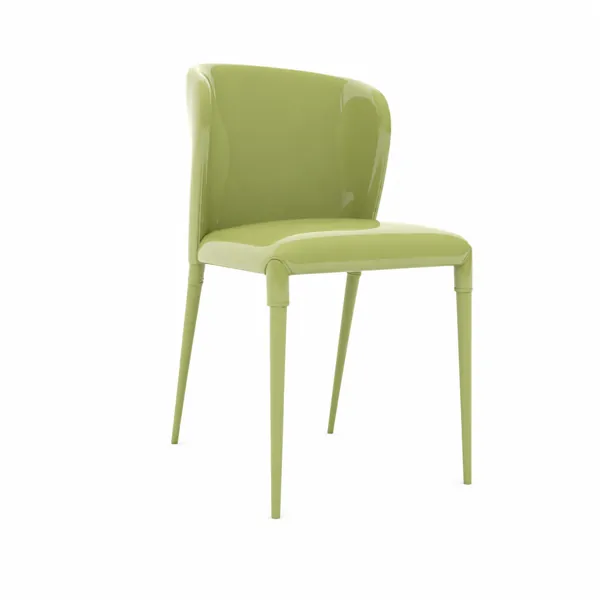
Yes. Laruus has 3D models in the same material:
- Wood — 197Browse Armchairs (29)