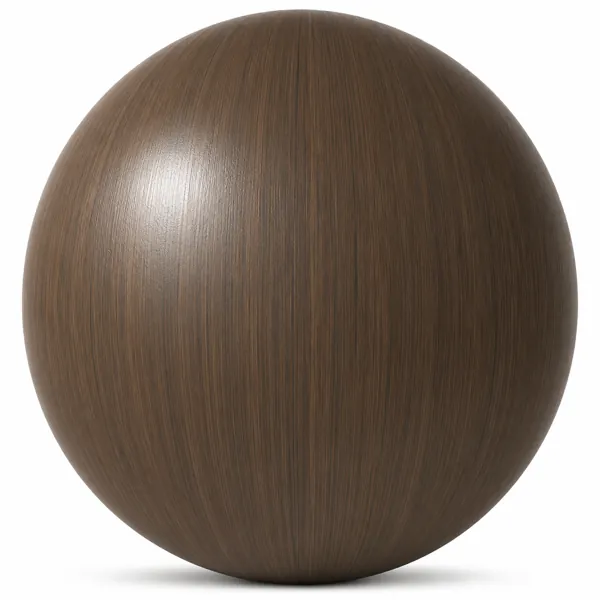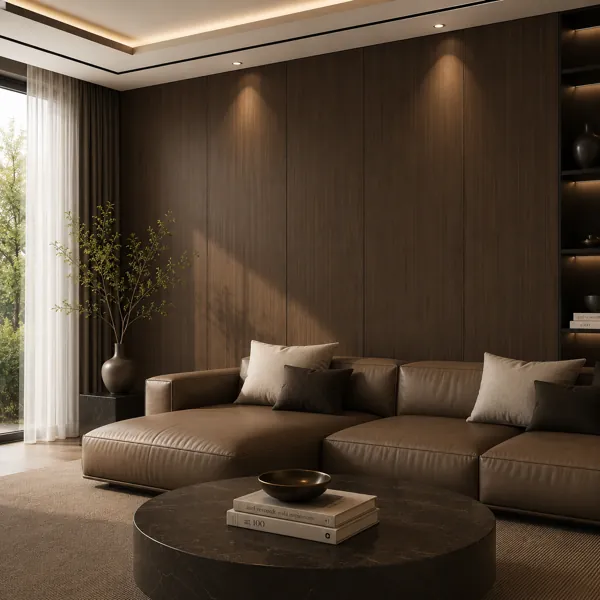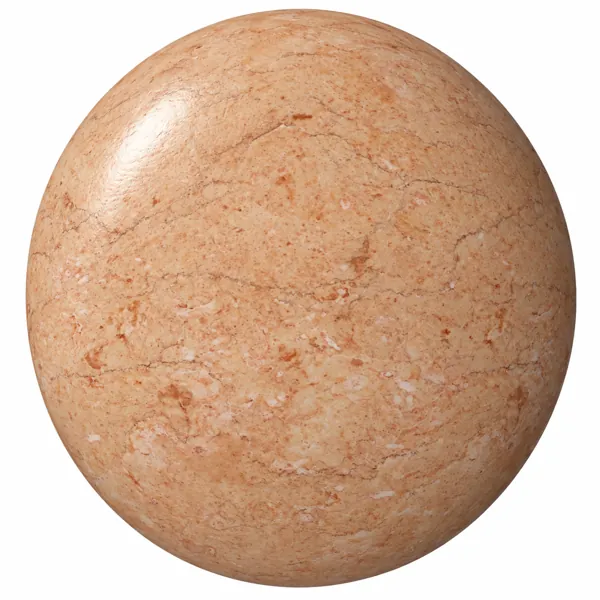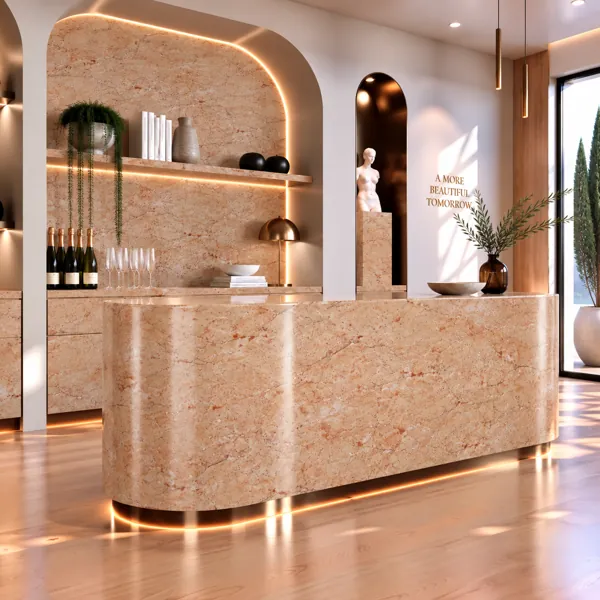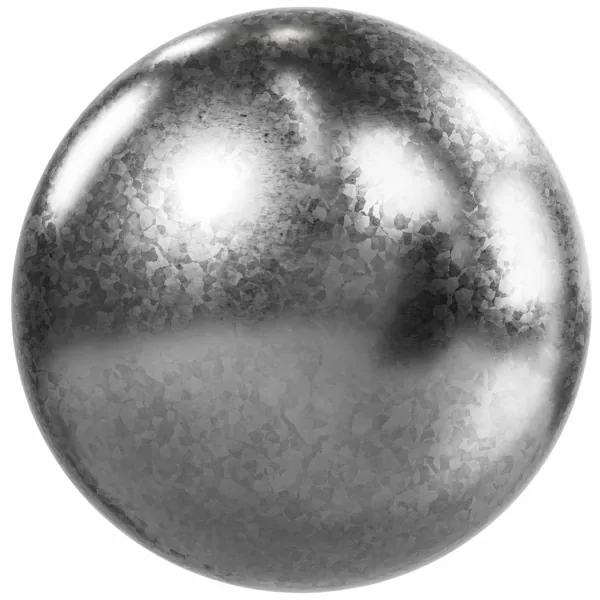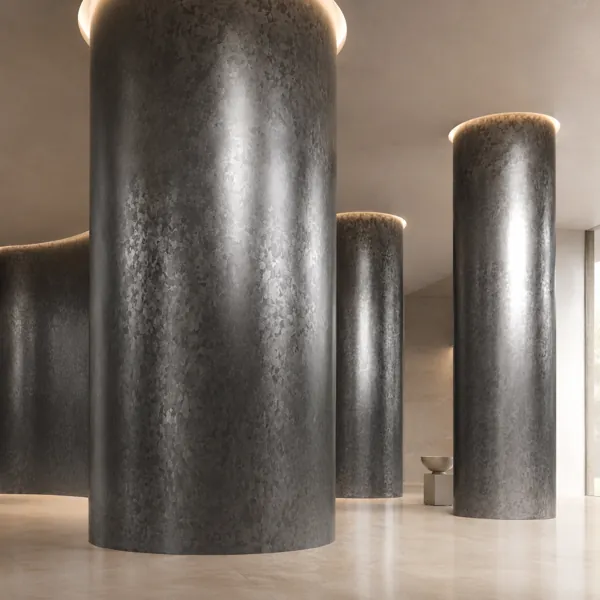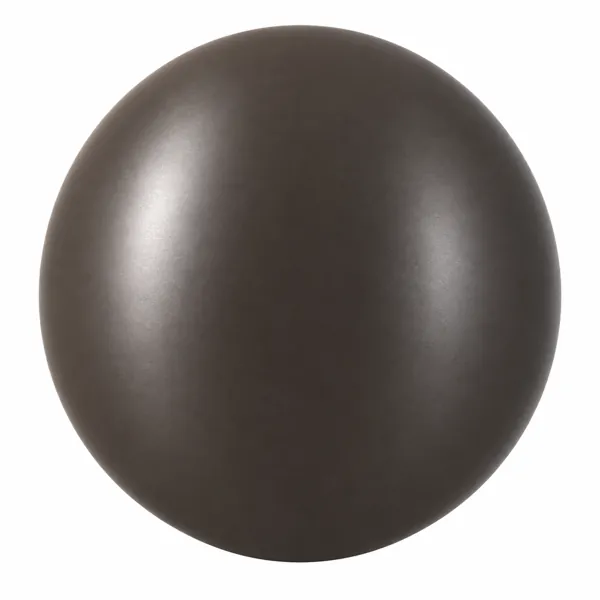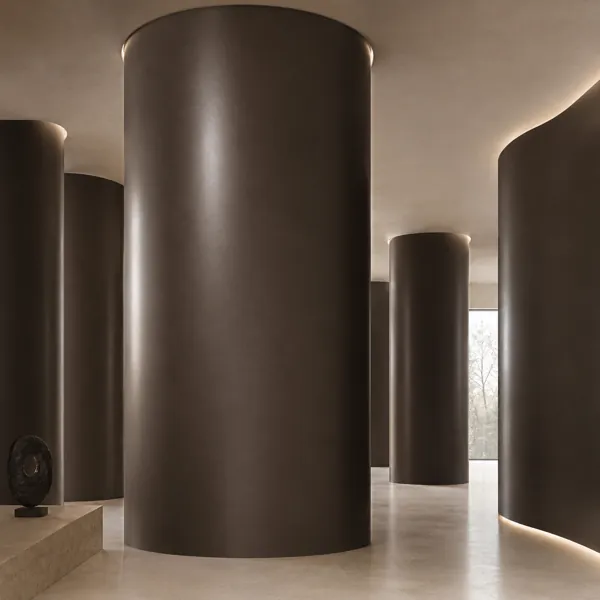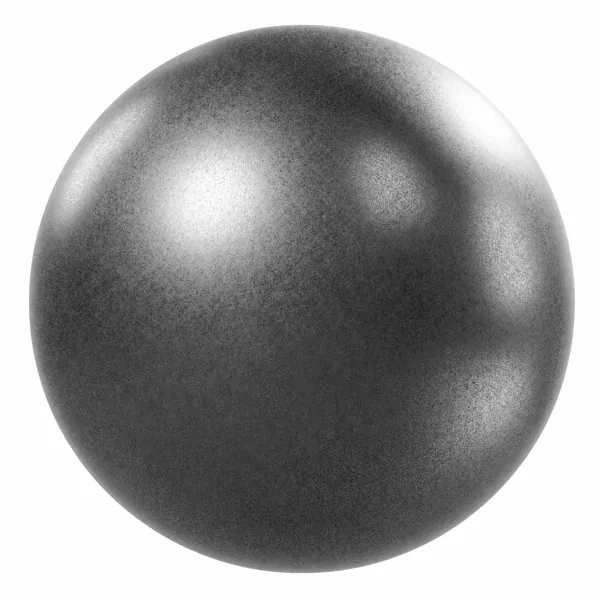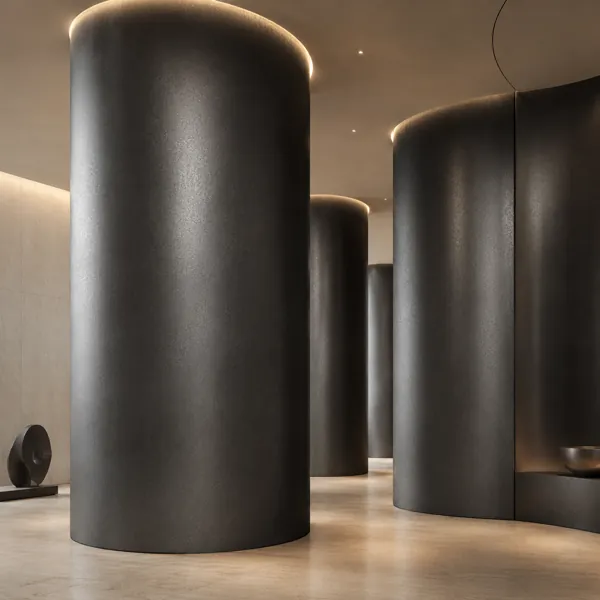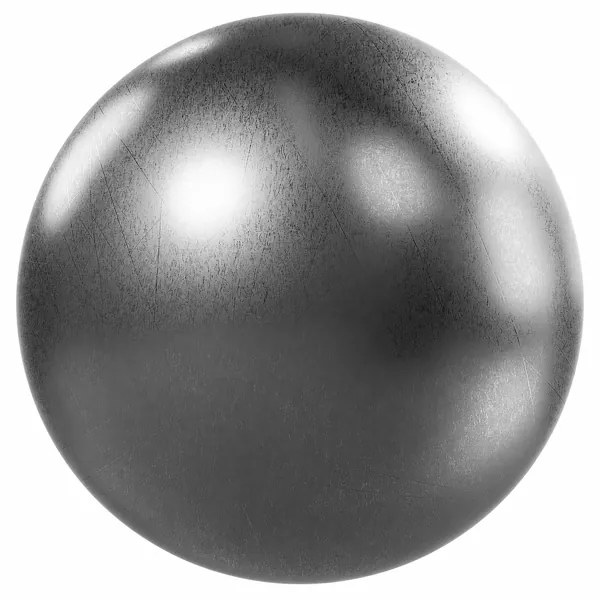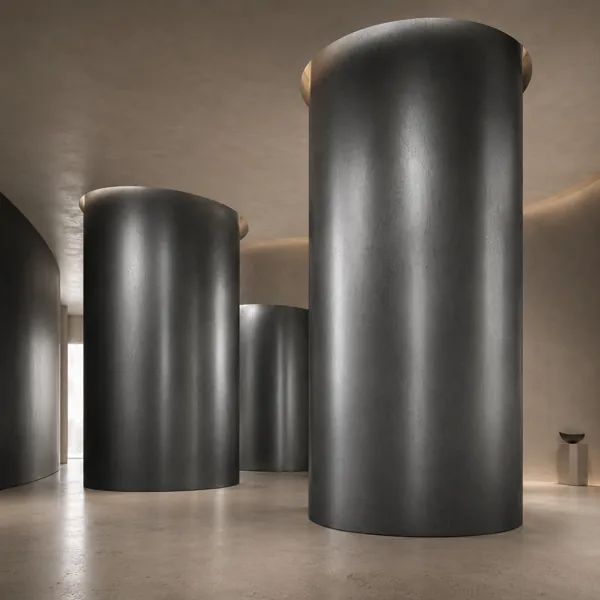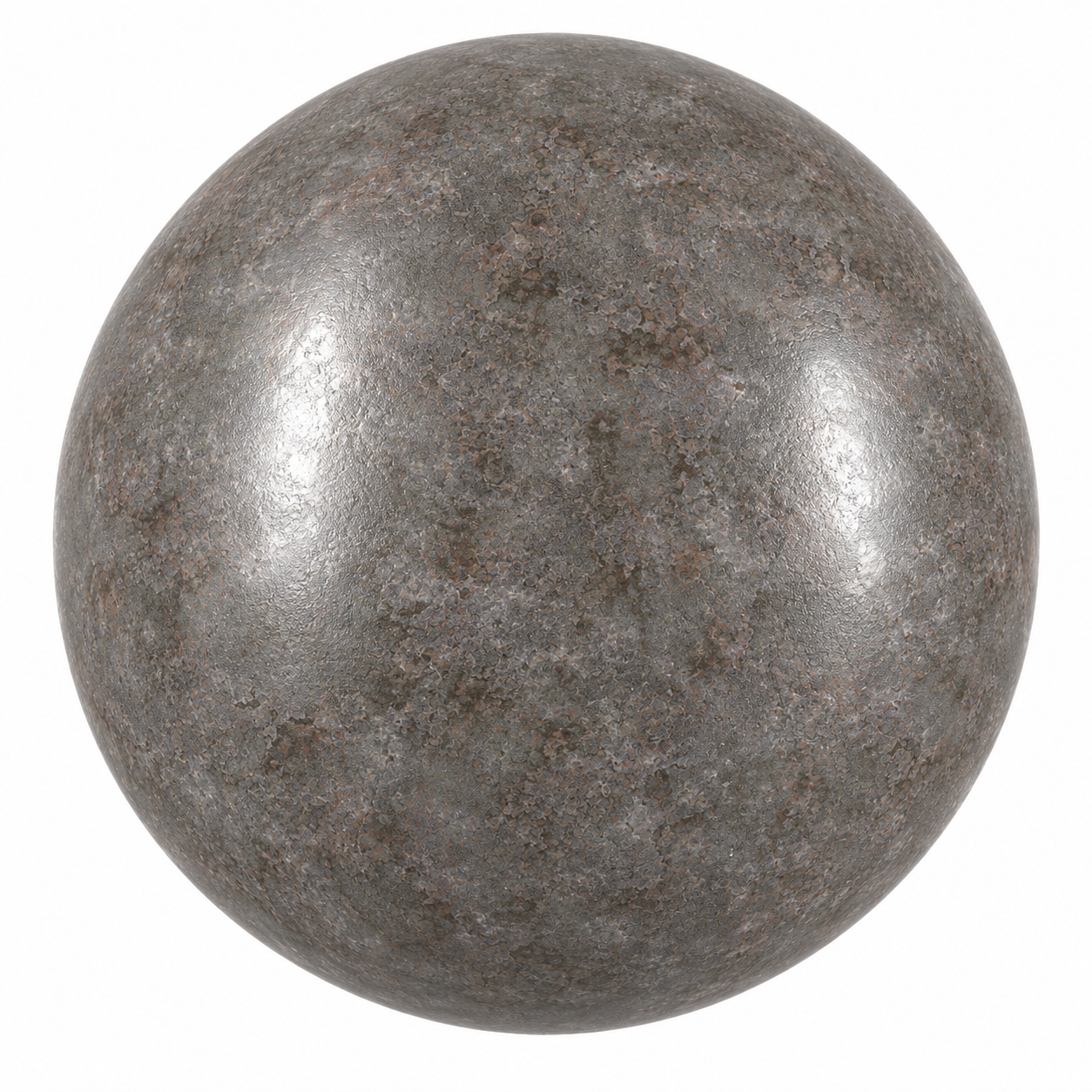
Weathered Gray Rust Speckled Metal Texture
Metal No. 00006
FREE
Specifications
- Brand
- Laruus
- Style
- Modern
- Material
- Metal
- Suitable spaces
- Living Room, Office, Cafe, Commercial, Kitchen, Garden, Outdoor, Entrance
- Color
- GrayBrownOrange
- File types
- Albedo MapAlpha MapAO MapBump MapDiffuse Color MapEdge MapEmission MapHeight MapMetallic MapNormal MapPacked Texture MapRoughness Map
Weathered Gray Rust Speckled Metal Texture - High Resolution Seamless PBR Textures
Description
Weathered Gray Rust Speckled Metal Texture presents a densely mottled metallic surface defined by layered gray coloration, irregular brown areas and restrained rust-orange accents. The visible pattern has an aged, naturally weathered character rather than a clean industrial finish, giving the material a distinctive identity for contemporary architectural visualization and product rendering. Fine tonal transitions, scattered pale areas and darker mineral-like formations create visual depth without relying on a repetitive directional pattern. This combination makes the texture particularly useful when a surface needs to communicate age, variation and material complexity.
The material appearance is dominated by cool and medium gray tones interspersed with earthy brown patches and fine orange traces. Across the surface, these colors form irregular clusters of different sizes, producing an organic distribution with no obvious linear grain. The preview also reveals substantial small-scale detail throughout the metal, from granular-looking areas to softer cloudy transitions. Because the pattern contains both concentrated and quieter zones, it can remain visually interesting across broad architectural elements while still offering enough detail for closer camera views. Its non-directional appearance also gives designers flexibility when applying it to differently oriented geometry.
This weathered metal texture can support a wide range of interior and exterior design contexts. It is particularly suitable for feature walls, metal panels, reception areas, entrance elements, decorative architectural surfaces, counters, display structures and custom metal objects. In commercial interiors, cafes and offices, the gray and brown palette can provide a grounded contrast to glass, wood, neutral plaster or restrained modern furnishings. For outdoor and garden visualization, its naturally aged appearance can complement industrial architecture, landscape structures and weathered metal details where visible surface variation is part of the intended design language.
Within archviz and CGI workflows, the texture can be used to introduce believable variation to metal surfaces that would otherwise appear overly uniform. The supplied PBR map set includes Albedo Map, Alpha Map, AO Map, Bump Map, Diffuse Color Map, Edge Map, Emission Map, Height Map, Metallic Map, Normal Map, Packed Texture Map and Roughness Map. These map types provide options for building a physically based material setup while retaining control over color, relief, reflectivity and surface response according to the requirements of the renderer and scene. The texture can be integrated into 3D's Max material workflows and adapted to the scale of the modeled object.
In contemporary interiors, this surface works especially well as a deliberate contrast material. Pale stone, warm wood, transparent glass and simple neutral finishes can emphasize its complex weathered pattern, while darker surroundings can produce a more restrained industrial atmosphere. The scattered orange-brown markings add warmth to the predominantly gray base and help the material interact naturally with beige, brown and other earthy palettes. Used selectively, it can become a focal surface; applied across larger forms, it can establish a strong aged-metal identity without requiring additional decorative elements.
For rendering, the visible surface character should be preserved through appropriate UV scale and careful material calibration. Bump, Normal Map and Height Map channels can be adjusted according to viewing distance rather than exaggerated, while Roughness Map and Metallic Map data can define the reflective response required by the scene. Lighting from broad sources can help reveal the irregular detail and tonal structure without washing out the subtle brown and orange variations. Maintaining the original pattern density is especially important for close-up product visualization, architectural details and realistic material studies.
Frequently asked questions
Is this texture free?
Yes. You can download it with a free Laruus account. Free textures are limited to 5 downloads per day.
Which software can I use this texture in?
The maps are standard image files, so they work in any renderer with PBR materials, such as Corona or V-Ray in 3ds Max, Blender, SketchUp with V-Ray or Enscape, and Unreal Engine.
What do I get when I download it?
A 76.2 MB download. It was added to Laruus on September 1, 2026.
Which spaces is it suitable for?
It suits Living Room, Office, Cafe, Commercial, Kitchen, Garden, Outdoor, and Entrance projects. Style: Modern.
Are there 3D models that use this material?
Yes. Laruus has 3D models in the same material:
- Metal — 275Browse Armchairs (26)