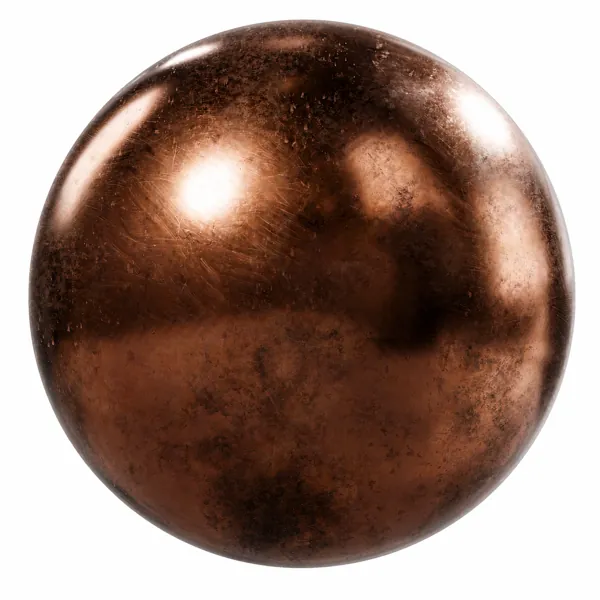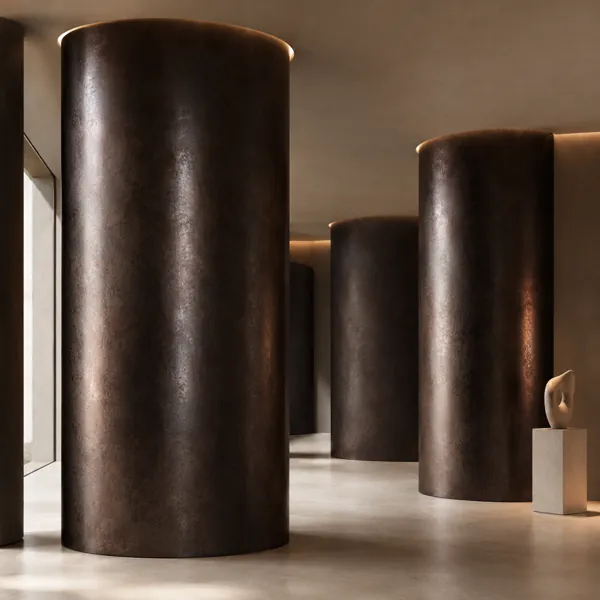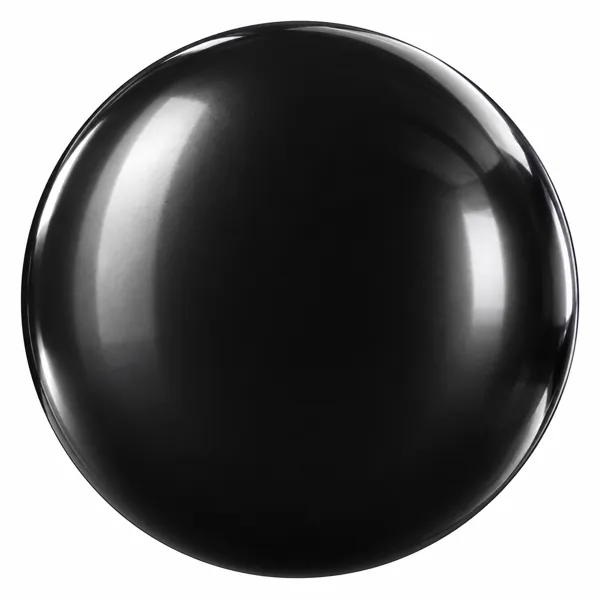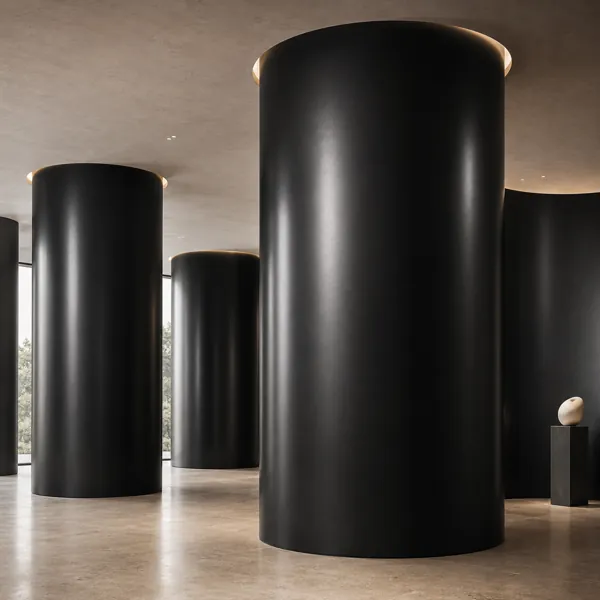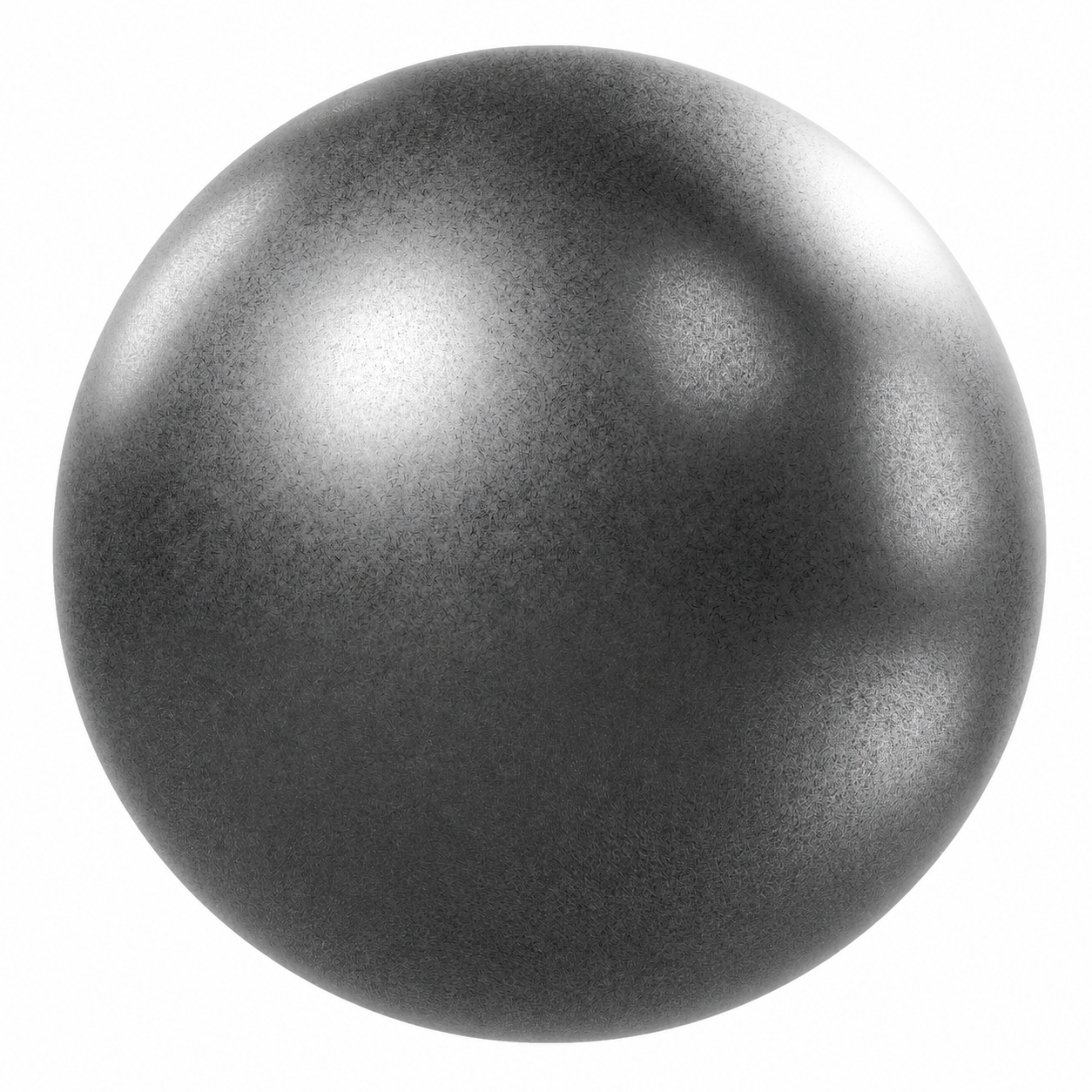
Dark Graphite Fine Grain Satin Metal Texture
Metal No. 00047
FREE
Specifications
- Brand
- Laruus
- Style
- Modern
- Material
- Metal
- Suitable spaces
- Living Room, Bedroom, Office, Cafe, Commercial, Kitchen, Entrance
- Color
- GrayBlack
- File types
- Albedo MapAlpha MapAO MapBump MapDiffuse Color MapEdge MapEmission MapHeight MapMetallic MapNormal MapPacked Texture MapRoughness Map
Dark Graphite Fine Grain Satin Metal Texture - High Resolution Seamless PBR Textures
Description
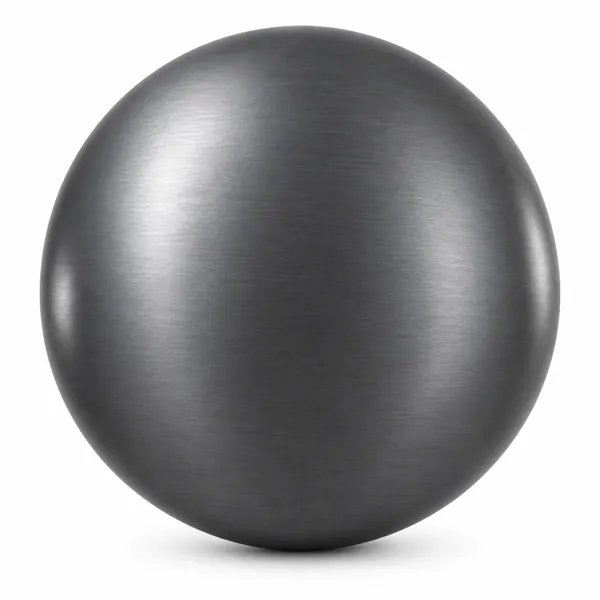
Dark Graphite Fine Grain Satin Metal Texture presents a deep charcoal-grey metallic surface distinguished by its extremely fine, softly mottled grain and restrained satin character. The visible material combines a predominantly dark graphite base with subtle tonal variation that becomes more apparent where light moves across the surface. Rather than appearing perfectly polished or mirror-like, the finish maintains softly diffused reflections, giving the metal a controlled contemporary appearance suitable for modern architectural and product visualization. Its understated surface pattern adds visual depth without introducing prominent directional brushing or oversized decorative marks.
The material character is defined by a dense field of small-scale surface variation distributed across the metal. Fine irregular details soften the otherwise uniform graphite color and help reflections transition naturally between darker areas and brighter highlights. On curved geometry, as demonstrated by the preview sphere, the satin response produces broad reflected highlights while preserving the darker underlying tone. This balance makes the texture useful when a designer needs metal that remains visibly metallic without the highly reflective appearance associated with chrome or polished stainless steel. The restrained grain also allows the material to work effectively across both large architectural surfaces and smaller modeled components.
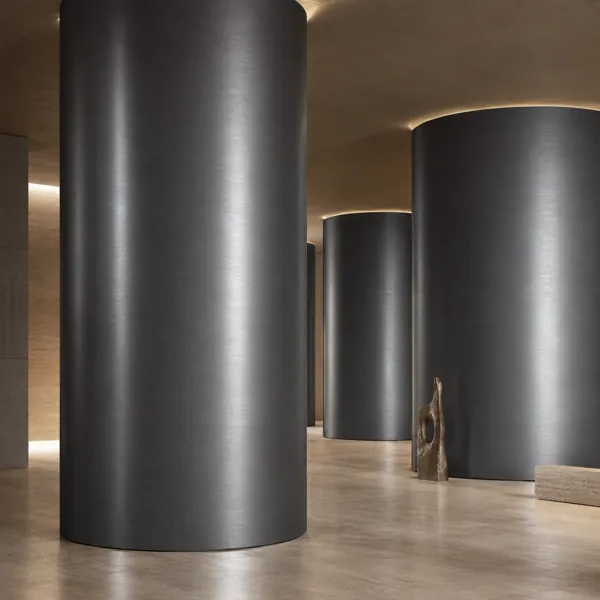
In interior applications, this dark graphite metal texture can complement contemporary living rooms, bedrooms, offices, cafes, commercial spaces, kitchens, and entrance areas. It can be considered for metal wall surfaces, architectural panels, columns, partitions, cabinetry details, shelving elements, frames, furniture components, decorative structures, and other fabricated-metal features. The neutral grey-black palette pairs naturally with wood, stone, glass, concrete-inspired finishes, neutral fabrics, and lighter mineral surfaces. Because the surface detail remains visually subtle, it can support minimalist compositions without competing with surrounding materials or dominant architectural forms.
For archviz and CGI workflows, the fine satin grain provides useful close-range information while retaining a coherent appearance from wider camera distances. The material can be applied to flat, curved, cylindrical, or detailed geometry where realistic metallic shading is required. In 3D's Max workflows, artists can use the supplied texture maps to build a physically based material and control the relationship between base color, surface relief, metallic response, and roughness according to the requirements of the scene. Appropriate UV scale is important so the fine grain retains the small proportions visible in the reference instead of becoming artificially enlarged.
Within contemporary interior design imagery, the graphite tone offers a practical alternative to bright silver metal. It can create visual contrast against pale walls and floors while remaining quieter than highly reflective finishes. On larger surfaces, soft studio or architectural lighting can reveal the fine texture through gradual highlights; on smaller objects, the same grain can introduce enough variation to prevent the material from appearing digitally flat. This makes the texture particularly relevant for restrained industrial, minimalist, modern, and gallery-inspired visual environments.
The included Albedo Map, Alpha Map, AO Map, Bump Map, Diffuse Color Map, Edge Map, Emission Map, Height Map, Metallic Map, Normal Map, Packed Texture Map, and Roughness Map provide multiple channels for material construction and rendering workflows. These maps allow artists to configure the surface response according to their renderer and project setup rather than relying on a single flattened image. Careful roughness, reflection, lighting, and mapping adjustments will help retain the defining dark graphite color, fine-grained satin surface, and subtle metallic character visible in the material reference.
Frequently asked questions
Is this texture free?
Yes. You can download it with a free Laruus account. Free textures are limited to 5 downloads per day.
Which software can I use this texture in?
The maps are standard image files, so they work in any renderer with PBR materials, such as Corona or V-Ray in 3ds Max, Blender, SketchUp with V-Ray or Enscape, and Unreal Engine.
What do I get when I download it?
A 56.0 MB download. It was added to Laruus on September 2, 2026.
Which spaces is it suitable for?
It suits Living Room, Bedroom, Office, Cafe, Commercial, Kitchen, and Entrance projects. Style: Modern.
Are there 3D models that use this material?
Yes. Laruus has 3D models in the same material:
- Metal — 275Browse Armchairs (26)
You might also like
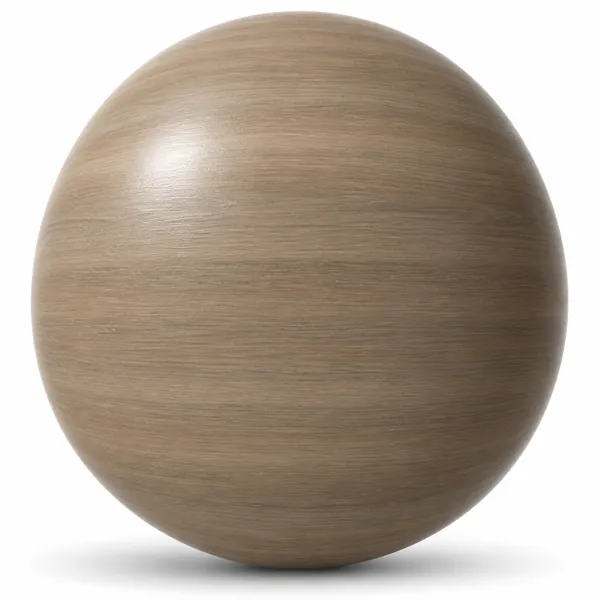
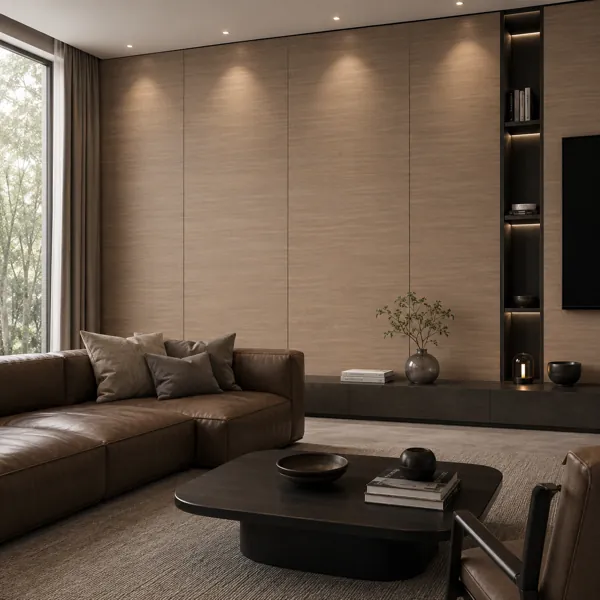
Muted Taupe Brown Wood Texture – Fine Linear Grain Texture
Laruus
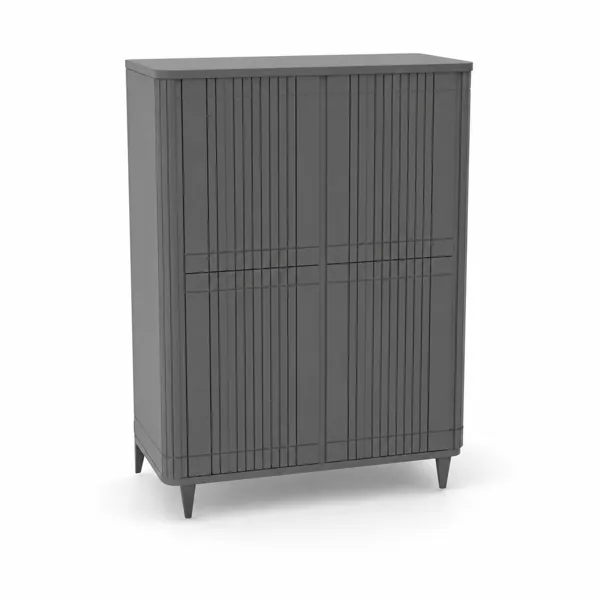
Olive Green Dutch Gable House Wardrobe – White Arched Windows 3D Model
Laruus
Black Slim Bezel TV with Bar Stand 3D Model
Laruus
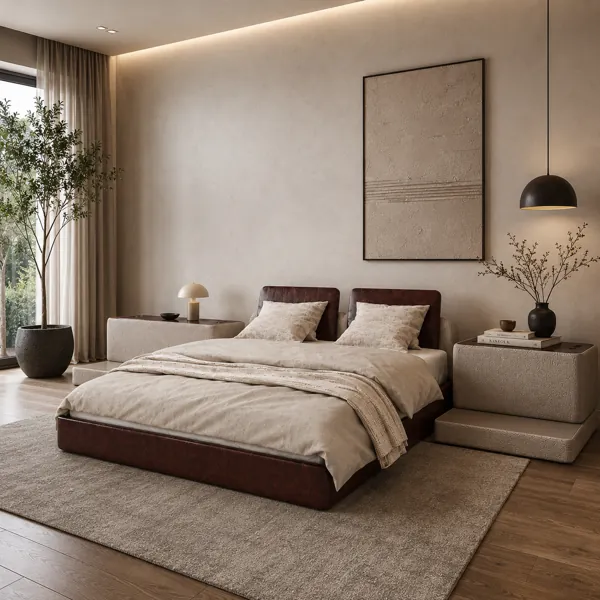
Dark Brown Panel Bed with Beige Side Modules 3D Model
Laruus