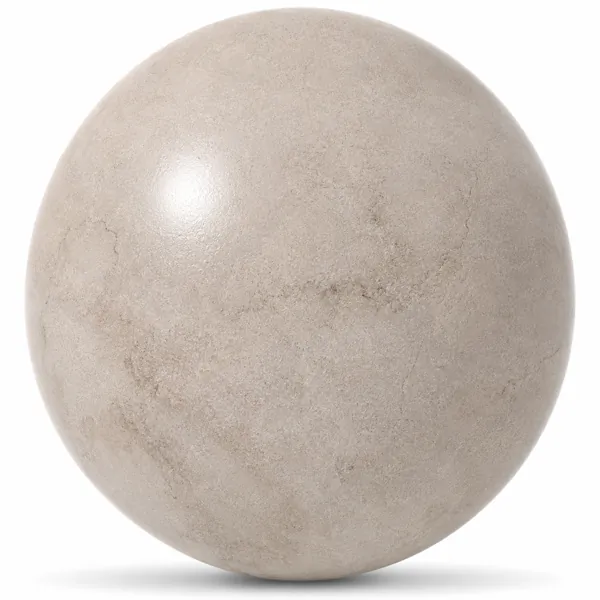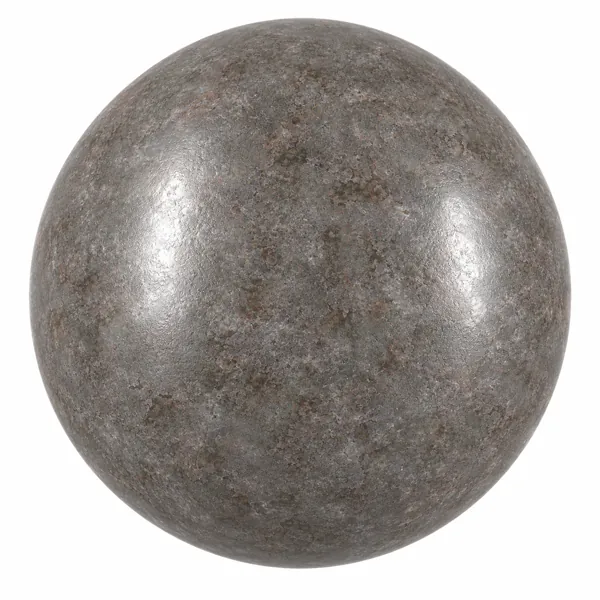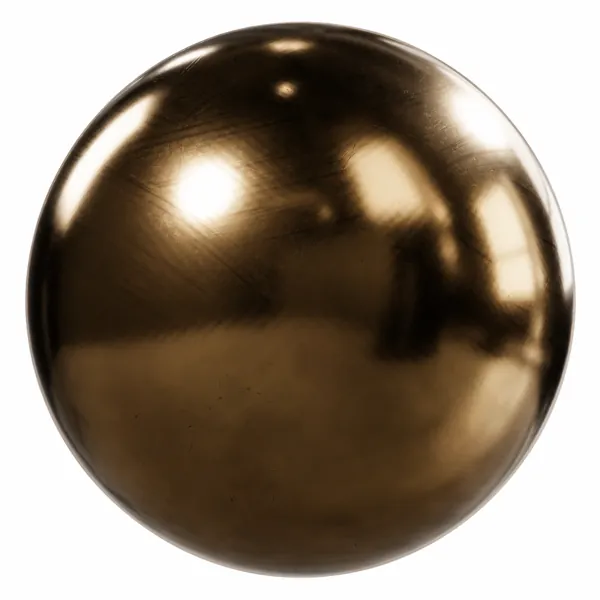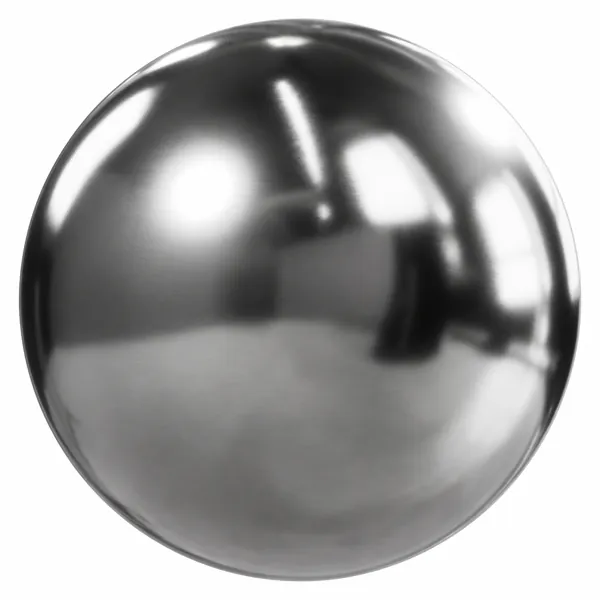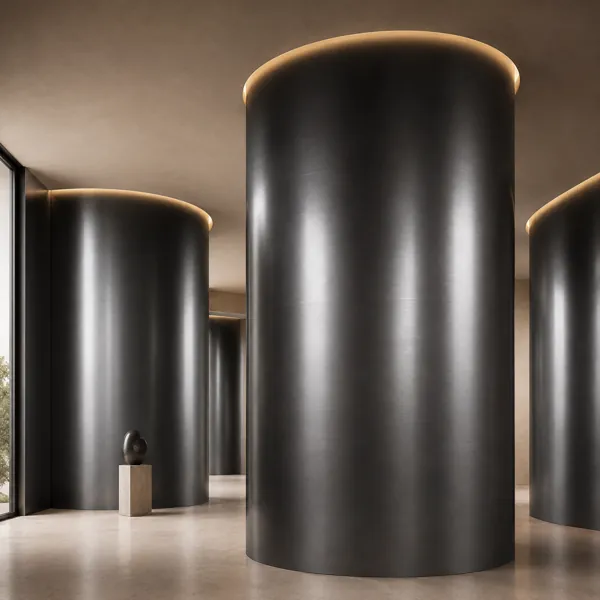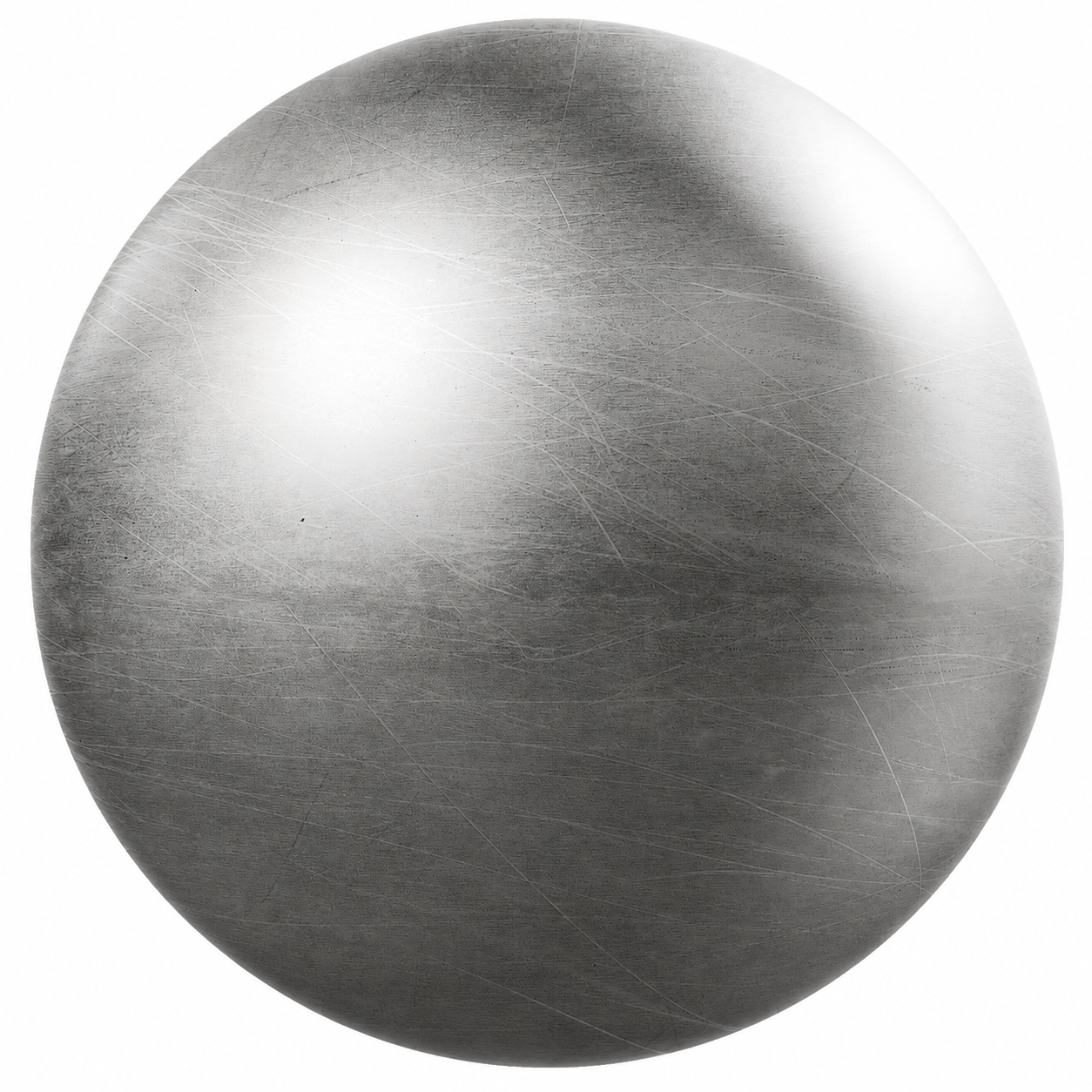
Scratched Silver Brushed Metal Texture
Metal No. 00043
FREE
Specifications
- Brand
- Laruus
- Style
- Modern
- Material
- Metal
- Suitable spaces
- Living Room, Bedroom, Office, Cafe, Commercial, Kitchen, Entrance
- Color
- SilverGray
- File types
- Albedo MapAlpha MapAO MapBump MapDiffuse Color MapEdge MapEmission MapHeight MapMetallic MapNormal MapPacked Texture MapRoughness Map
Scratched Silver Brushed Metal Texture - High Resolution Seamless PBR Textures
Description
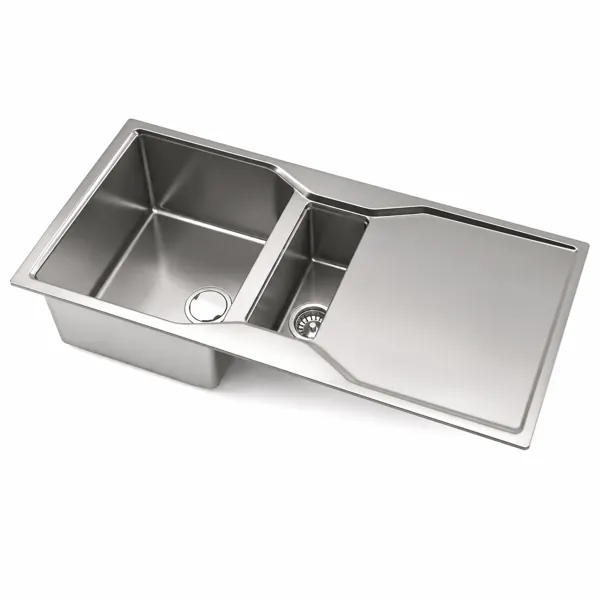
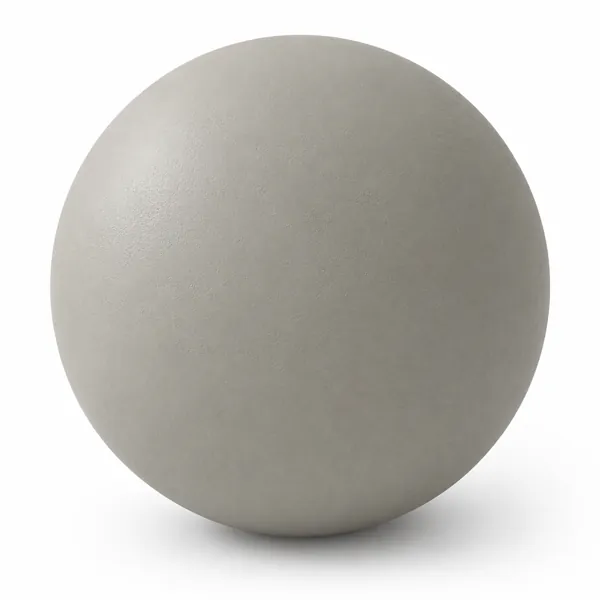
The Scratched Silver Brushed Metal Texture presents a cool silver-grey metallic surface distinguished by numerous fine linear scratches, subtle directional brushing, and softly varied areas of wear. Its visible surface character gives the material a used, industrial appearance rather than the perfectly uniform look of newly polished metal. Fine intersecting marks run across the surface in multiple directions, while the underlying brushed grain remains understated. The combination creates a contemporary metal finish suitable for architectural visualization, product rendering, and detailed CGI environments where a visibly worked metallic surface is required.
The material is visually defined by its silver and grey palette, with illumination revealing transitions from darker grey areas to bright metallic highlights. The texture contains both very fine abrasion and longer isolated scratches, creating variation across larger surfaces without relying on a single repetitive mark. These characteristics can help communicate scale when the material is applied to metal panels, doors, counters, architectural details, furniture components, equipment housings, or decorative elements. The supplied map set includes Albedo Map, Alpha Map, AO Map, Bump Map, Diffuse Color Map, Edge Map, Emission Map, Height Map, Metallic Map, Normal Map, Packed Texture Map, and Roughness Map, providing multiple channels for building a detailed PBR material workflow.
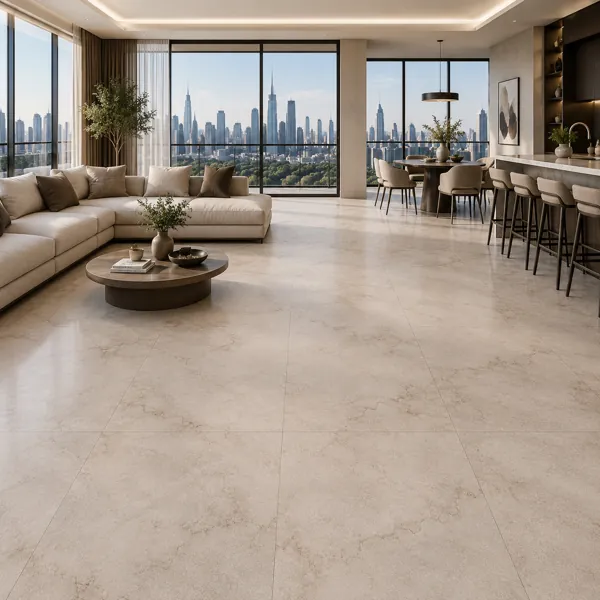
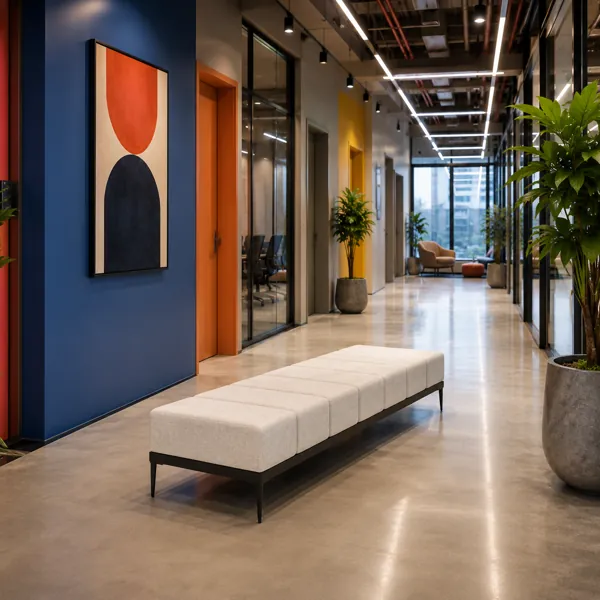
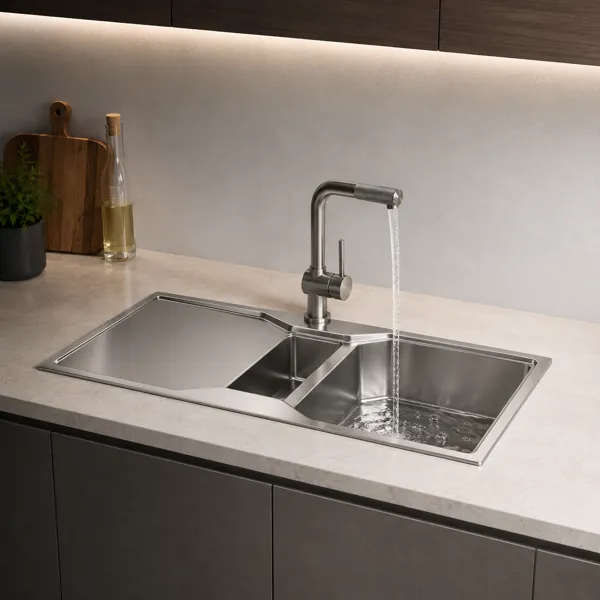
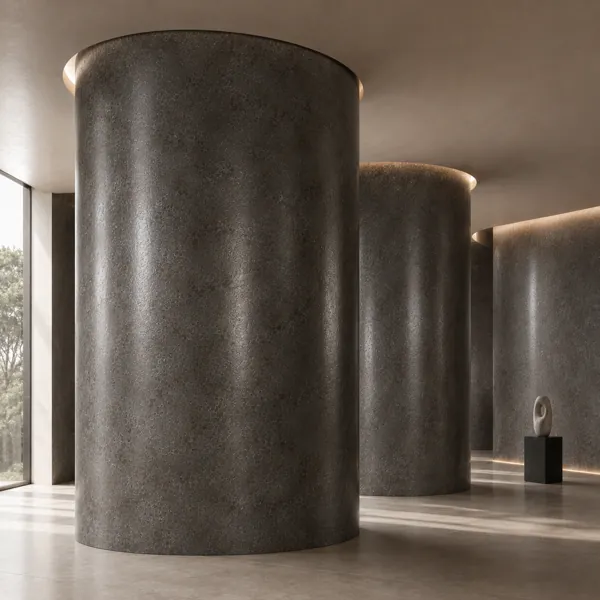
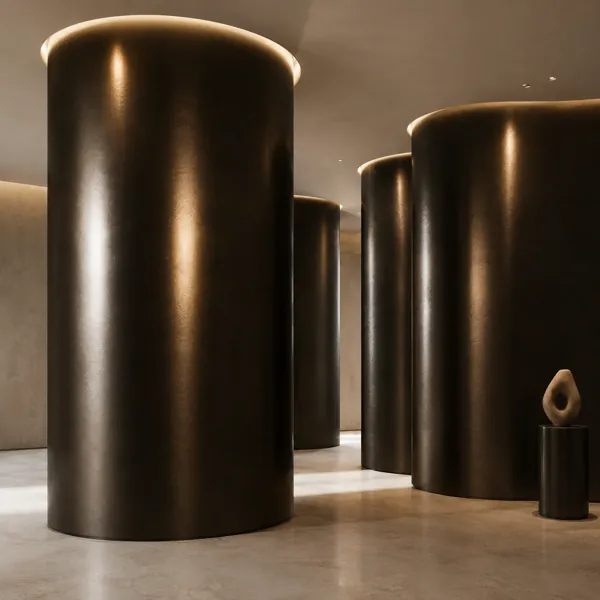
In interior applications, this scratched metal texture can complement modern, industrial, minimalist, and utilitarian design languages. It can be used on selected surfaces in living rooms, bedrooms, offices, cafes, commercial interiors, kitchens, and entrance areas. In an office or commercial setting, it can support metal partitions, reception elements, display fixtures, wall details, or custom fabricated components. Within kitchens, the finish can work visually on metallic cabinet details, panels, appliance-inspired surfaces, or decorative features. Because the surface is visibly scratched, it is especially appropriate when a pristine polished-metal appearance would feel too clean for the intended design narrative.
For archviz and CGI workflows, the material provides useful visual information under both soft studio illumination and directional architectural lighting. Broad highlights reveal the underlying metallic response, while grazing light can make the fine scratched lines and brushed surface structure more apparent. This makes the texture useful for close-up material studies as well as wider interior scenes. When configuring the material in 3ds Max or another compatible 3D workflow, the individual maps can be assigned according to the chosen PBR shader and renderer setup. Roughness, normal, bump, and height information can be adjusted to suit the scale of the modeled object without changing the visible identity of the source surface.
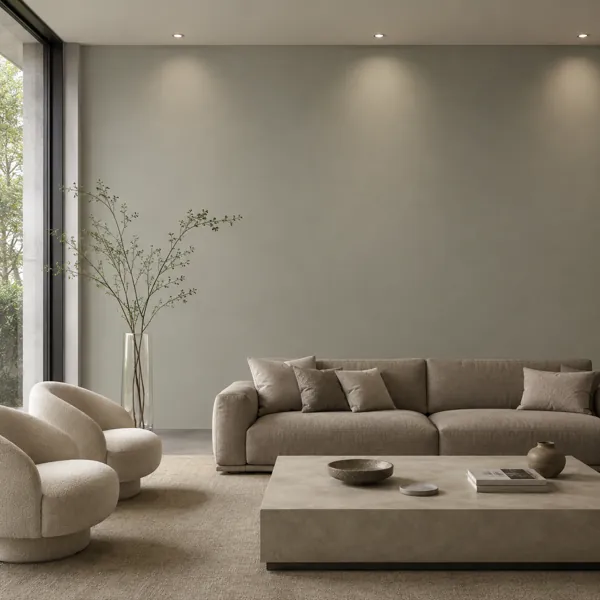
From an interior design perspective, the cool silver-grey finish pairs naturally with concrete, dark wood, glass, stone, neutral fabrics, black details, and restrained contemporary color schemes. The scratched appearance can introduce a subtle industrial contrast beside smoother materials and can prevent large metallic areas from appearing visually flat. On smaller objects, the intersecting marks provide recognizable surface character, while on larger architectural elements the tonal variation and directional grain can add depth under changing light conditions. This balance makes the material suitable for scenes ranging from clean contemporary spaces to more intentionally weathered industrial environments.
For rendering, physically based metal settings should be used so reflections, roughness, and surface relief respond naturally to scene lighting. The Metallic Map can define the metallic response, while Roughness Map information controls reflection sharpness and the Normal Map, Bump Map, or Height Map can contribute visible micro-surface structure where supported. Avoid excessive displacement or bump strength if the goal is to retain the fine scale visible in the reference. With controlled exposure and realistic reflections, the material can reproduce its defining combination of silver-grey metal, brushed grain, fine abrasion, and multidirectional scratch marks across detailed 3D visualization projects.
Frequently asked questions
Is this texture free?
Yes. You can download it with a free Laruus account. Free textures are limited to 5 downloads per day.
Which software can I use this texture in?
The maps are standard image files, so they work in any renderer with PBR materials, such as Corona or V-Ray in 3ds Max, Blender, SketchUp with V-Ray or Enscape, and Unreal Engine.
What do I get when I download it?
A 57.6 MB download. It was added to Laruus on September 2, 2026.
Which spaces is it suitable for?
It suits Living Room, Bedroom, Office, Cafe, Commercial, Kitchen, and Entrance projects. Style: Modern.
Are there 3D models that use this material?
Yes. Laruus has 3D models in the same material:
- Metal — 275Browse Armchairs (26)