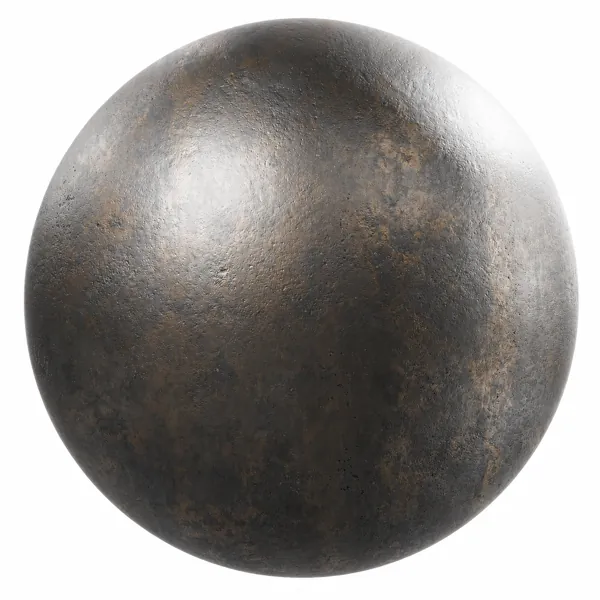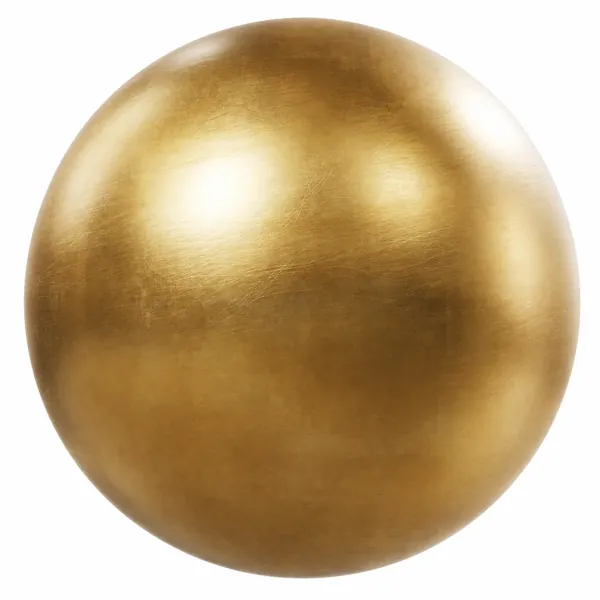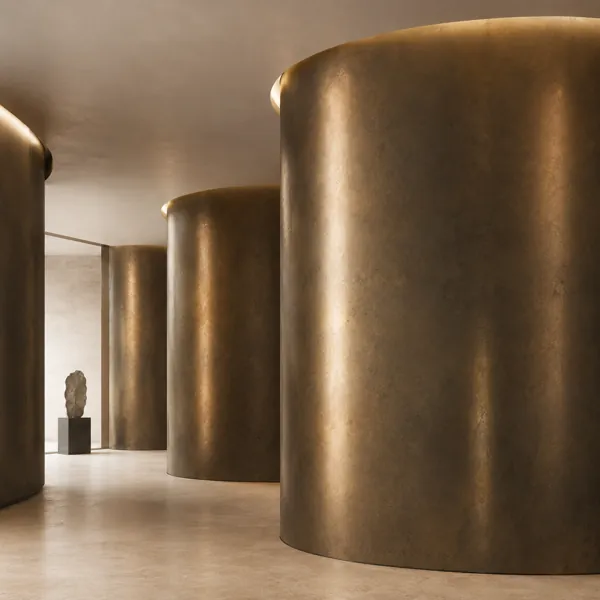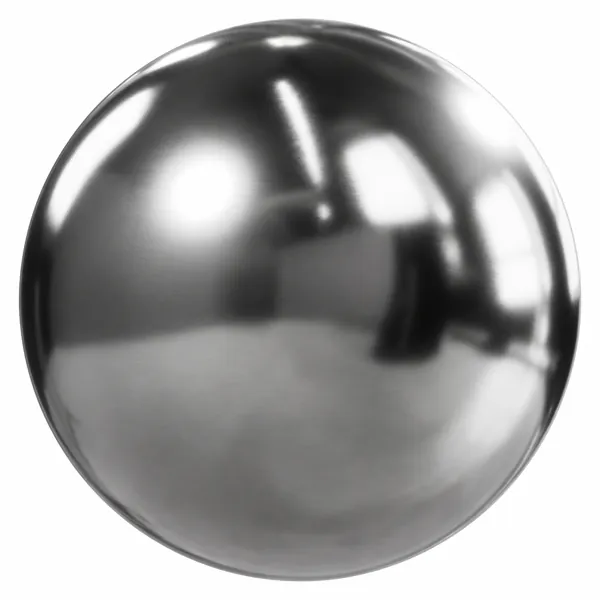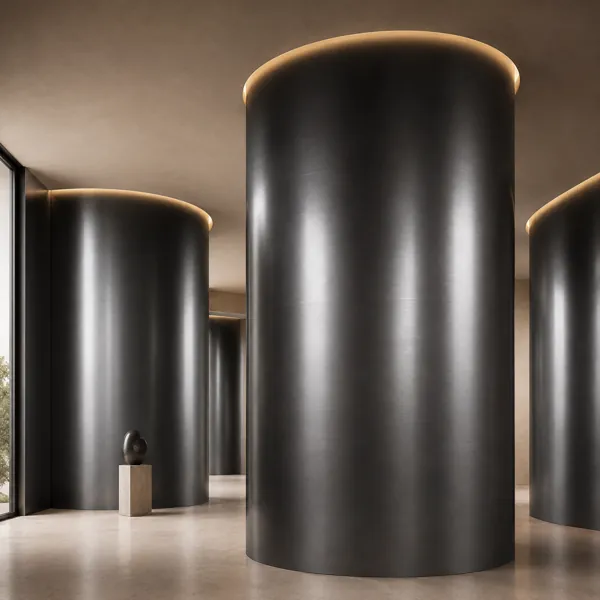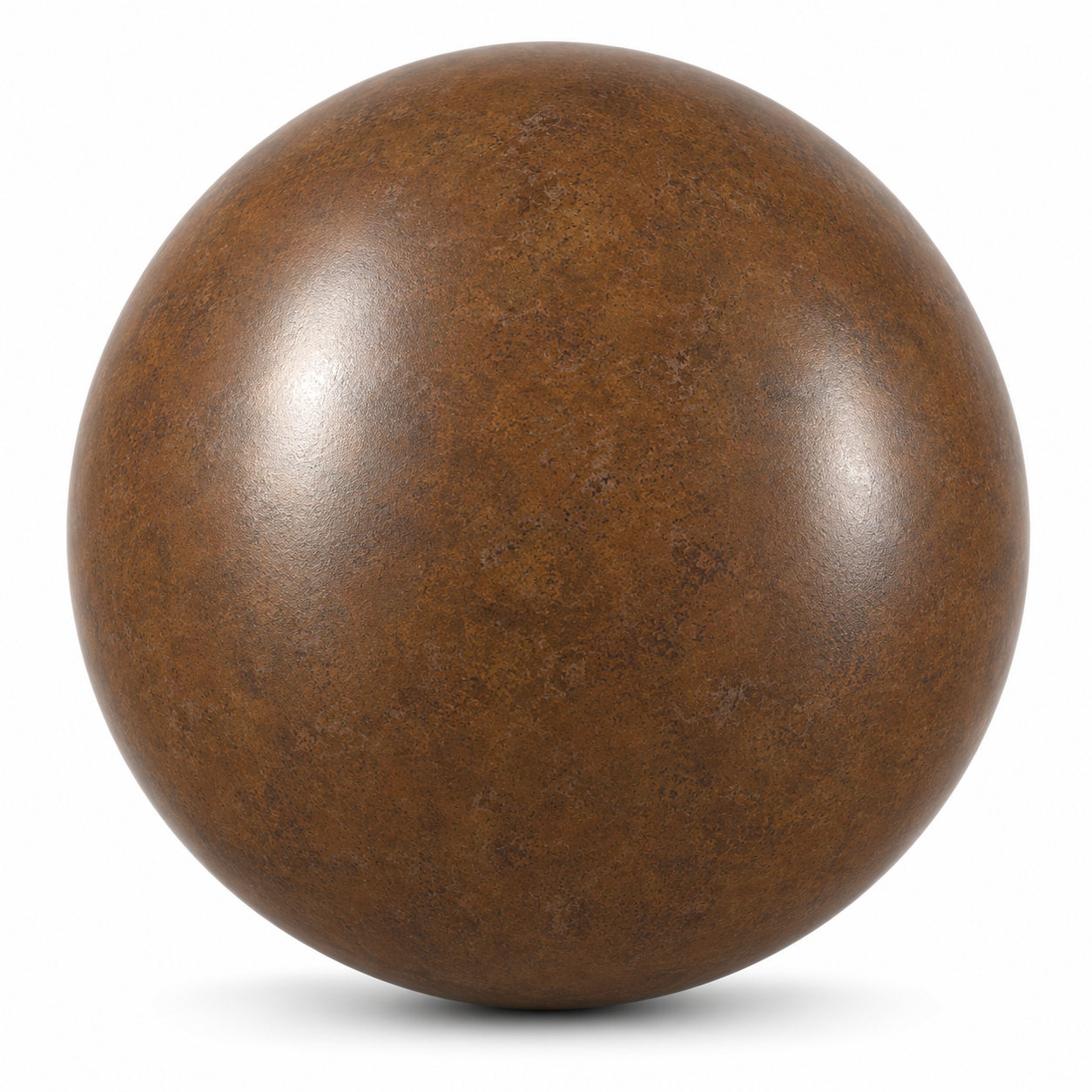
Warm Rust Brown Oxidized Metal Texture
Metal No. 00004
FREE
Specifications
- Brand
- Laruus
- Style
- Modern
- Material
- Metal
- Suitable spaces
- Living Room, Office, Cafe, Commercial, Kitchen, Garden, Outdoor, Entrance
- Color
- BrownOrange
- File types
- Albedo MapAlpha MapAO MapBump MapDiffuse Color MapEdge MapEmission MapHeight MapMetallic MapNormal MapPacked Texture MapRoughness Map
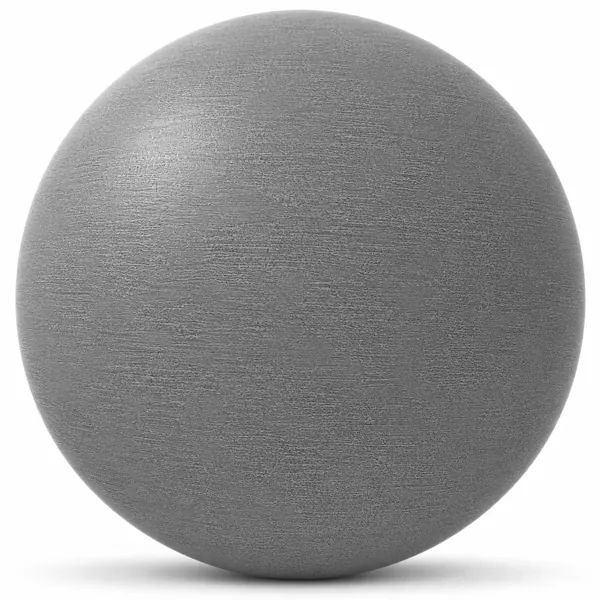
Warm Rust Brown Oxidized Metal Texture - High Resolution Seamless PBR Textures
Description
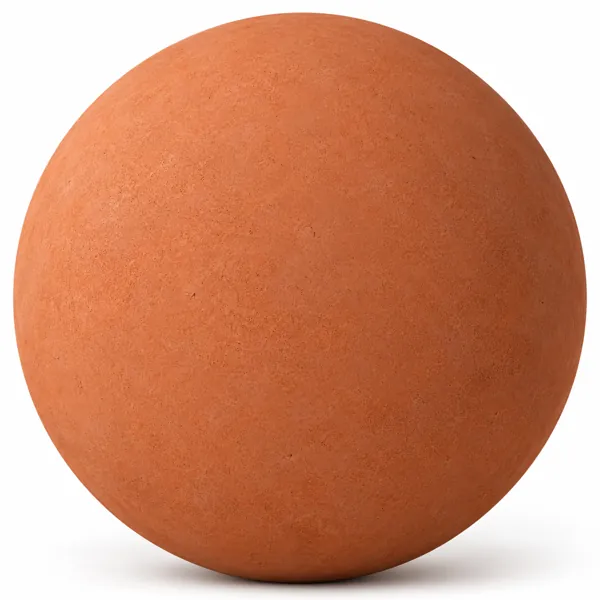
Warm Rust Brown Oxidized Metal Texture features a richly weathered brown-orange surface defined by fine mottling, scattered dark speckles and softly blended tonal variation. Its dominant warm rust coloration moves naturally between medium brown, muted burnt orange and deeper earthy patches, creating a distinctive aged-metal appearance without a regular directional pattern. Small darker marks and occasional subdued grey-brown areas interrupt the warmer base, giving the surface visual depth while maintaining a cohesive overall character. The result is particularly suited to contemporary visualization projects that require an expressive oxidized metal finish rather than a clean, uniform metallic surface.
The material is based on Metal and visually presents a dense, finely varied surface structure. Instead of large scratches, pronounced grooves or repetitive geometric marks, the texture relies on irregular micro-patterning and softly distributed weathering. This combination helps the material remain convincing across both broad architectural areas and smaller design elements. The visible oxidation has no dominant horizontal or vertical direction, making the surface versatile for differently proportioned objects while preserving its naturally mottled appearance. When applied at a consistent scale, the fine granular character can add material richness without overwhelming the geometry underneath.
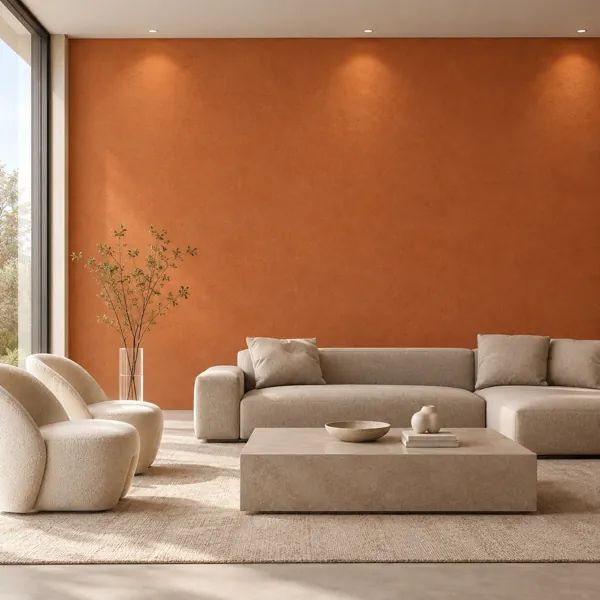
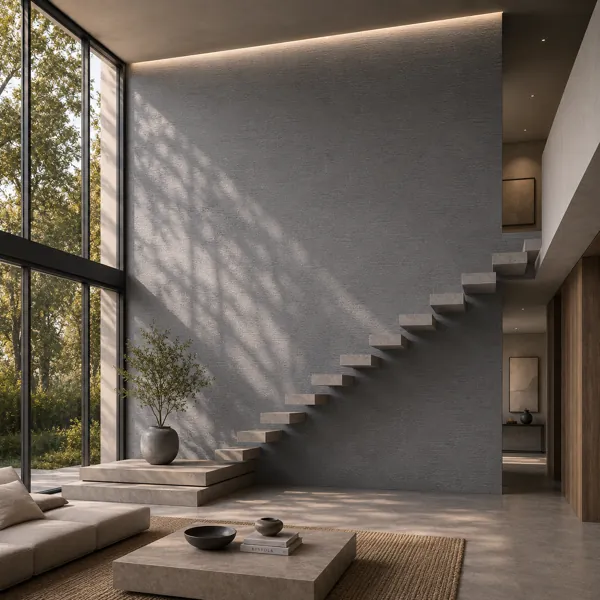
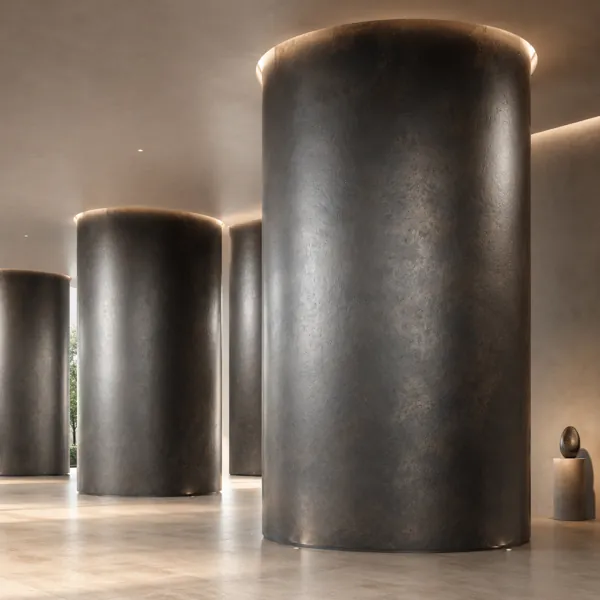
This rust brown metal texture can work across residential, hospitality and commercial environments where aged metallic character supports the design concept. Potential applications include architectural wall cladding, decorative metal panels, columns, doors, partitions, reception surfaces, shelving, cabinetry details, counters and custom metal features. In Cafe, Commercial and Entrance spaces, the warm oxidized coloring can create a strong material focal point. It can also be introduced selectively in Living Room, Office or Kitchen compositions. For Garden and Outdoor visualization, the weathered visual language can complement architectural schemes featuring dark metal, Stone, concrete-like neutral finishes, Glass or natural Wood elements.
Within archviz and CGI workflows, the texture provides enough small-scale variation to remain readable in close-up renders while its broader brown and orange tonal distribution remains visible from wider camera distances. This makes it useful for hero material shots, architectural detail views and full interior or exterior scenes. The available PBR Maps provide options for building the material within compatible physically based rendering workflows. Albedo, Diffuse Color, Metallic, Roughness, Normal, Bump, Height, AO, Alpha, Edge, Emission and Packed Texture Maps can be incorporated according to the requirements of the selected material setup and rendering pipeline.
From an interior design perspective, the warm rust-brown palette creates an effective contrast against restrained neutral surroundings. Beige mineral finishes, warm grey walls, dark Wood, Stone and clear or smoked Glass can provide complementary material relationships without competing with the oxidized surface. On large continuous architectural forms, the fine mottling produces a layered backdrop, while on smaller objects it can introduce a concentrated weathered-metal accent. Neutral daylight can reveal the range of brown and orange variations clearly, while controlled warm indirect illumination can reinforce the earthy character without shifting the underlying texture excessively toward red or yellow.
For rendering, Metallic Map and Roughness Map can control the reflective response in compatible PBR systems, while Normal, Bump and Height Maps can contribute additional surface definition where required. Their strength should be adjusted to object scale and camera distance so the fine visible weathering remains believable rather than becoming excessively embossed. Consistent UV mapping is important for retaining the source texture's natural scale and irregular distribution across geometry. In 3ds Max and compatible rendering workflows, balanced lighting and controlled reflections can help preserve the warm brown-orange base, darker oxidized speckling and subtle tonal complexity visible in the reference.
Frequently asked questions
Is this texture free?
Yes. You can download it with a free Laruus account. Free textures are limited to 5 downloads per day.
Which software can I use this texture in?
The maps are standard image files, so they work in any renderer with PBR materials, such as Corona or V-Ray in 3ds Max, Blender, SketchUp with V-Ray or Enscape, and Unreal Engine.
What do I get when I download it?
A 59.4 MB download. It was added to Laruus on September 1, 2026.
Which spaces is it suitable for?
It suits Living Room, Office, Cafe, Commercial, Kitchen, Garden, Outdoor, and Entrance projects. Style: Modern.
Are there 3D models that use this material?
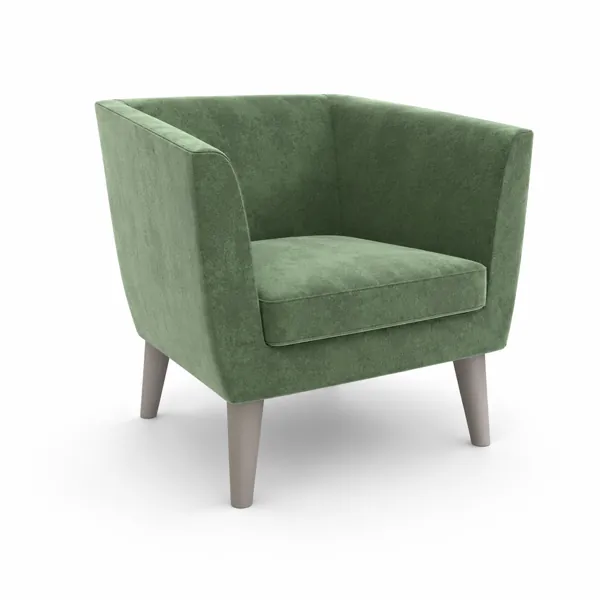
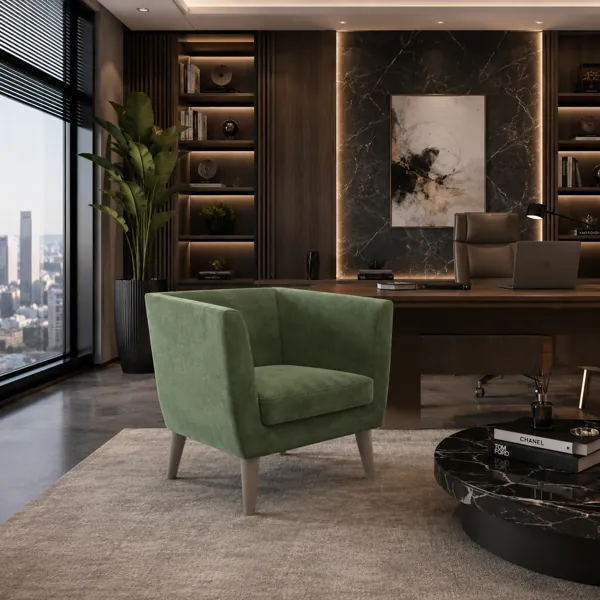
Yes. Laruus has 3D models in the same material:
- Metal — 275Browse Armchairs (26)