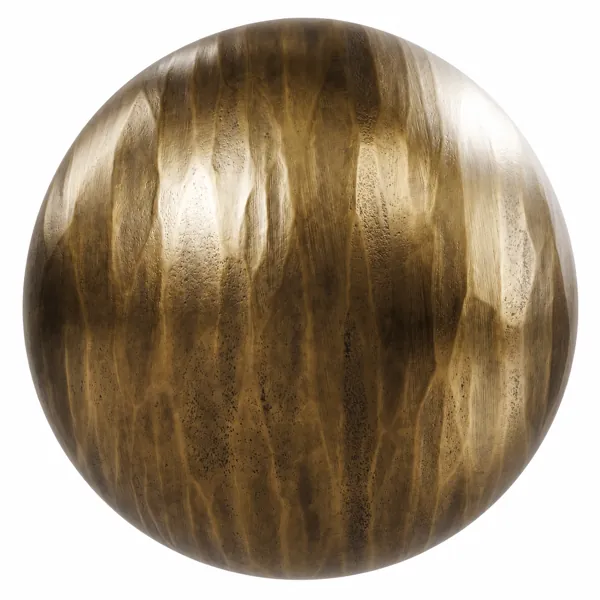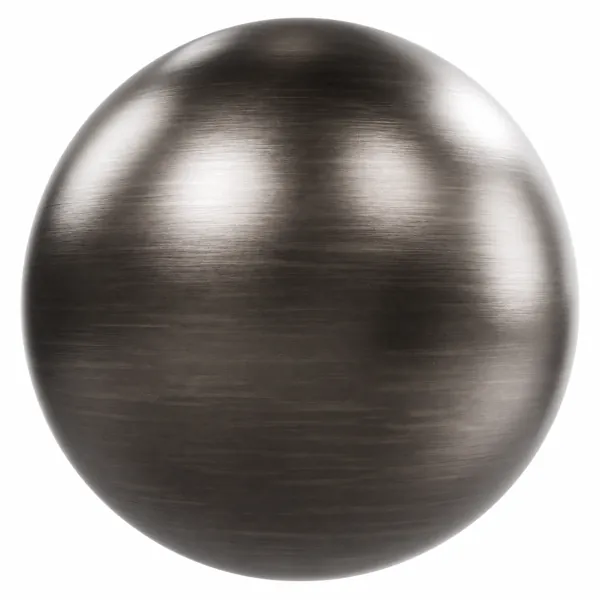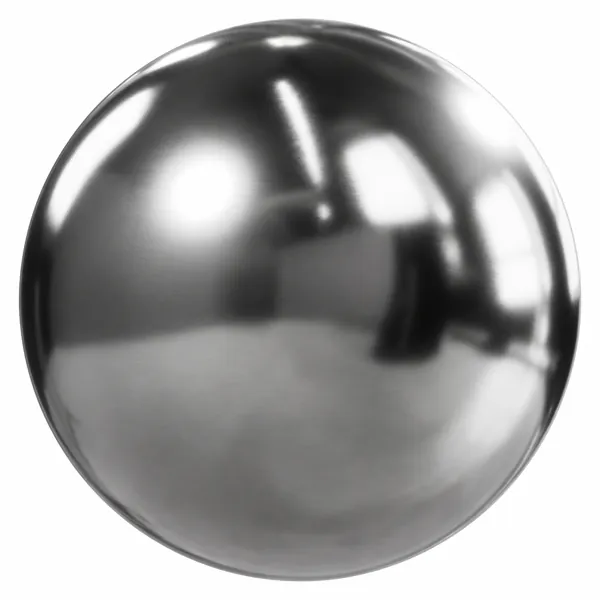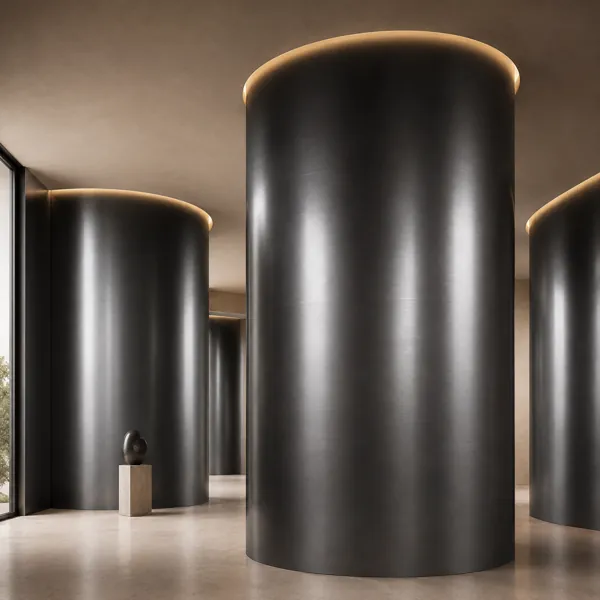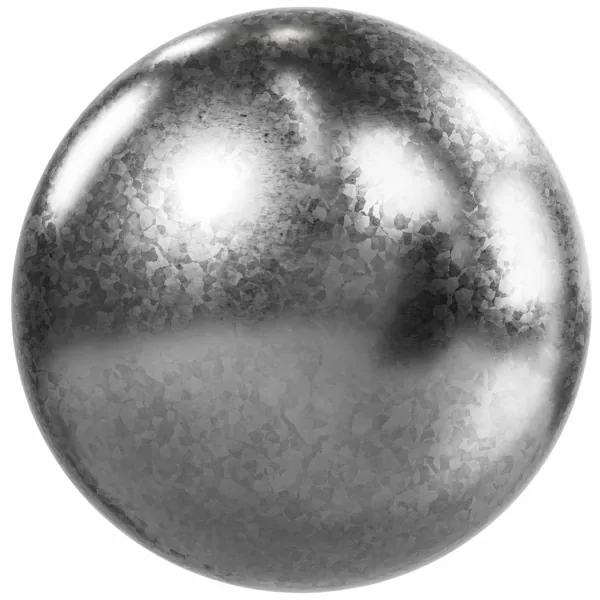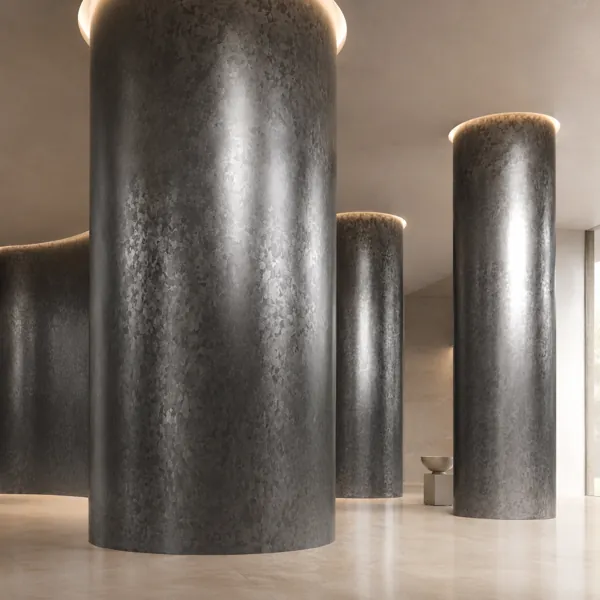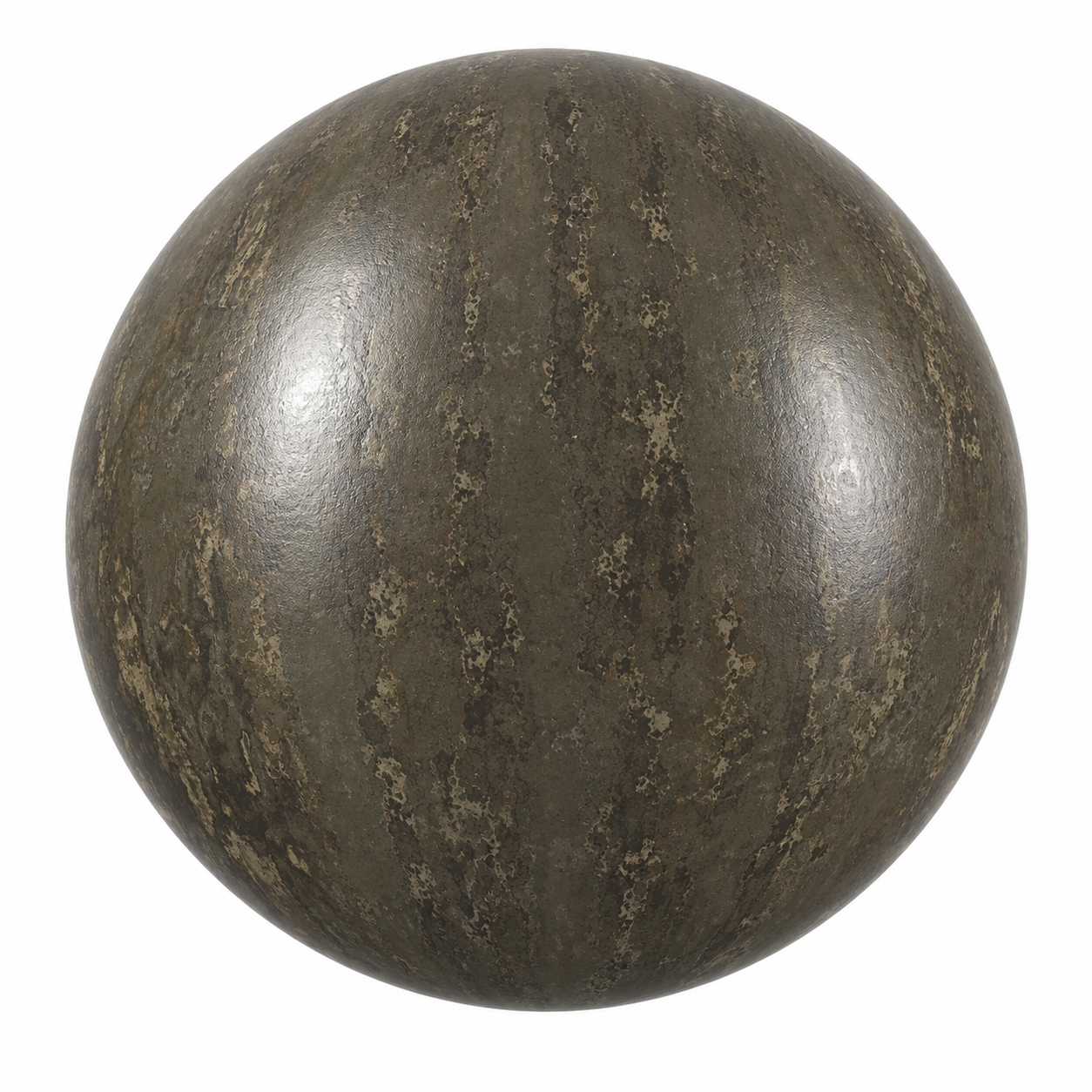
Dark Olive Vertical Weathered Patina Metal Texture
Metal No. 00003
FREE
Specifications
- Brand
- Laruus
- Style
- Modern
- Material
- Metal
- Suitable spaces
- Living Room, Bedroom, Office, Cafe, Commercial, Kitchen, Garden, Outdoor, Entrance, Balcony
- Color
- GrayBrownBeige
- File types
- Albedo MapAlpha MapAO MapBump MapDiffuse Color MapEdge MapEmission MapHeight MapMetallic MapNormal MapPacked Texture MapRoughness Map
Dark Olive Vertical Weathered Patina Metal Texture - High Resolution Seamless PBR Textures
Description
Dark Olive Vertical Weathered Patina Metal Texture features a deep muted surface distinguished by elongated vertical tonal movement, irregular dark patches and scattered beige accents. Its overall palette sits between charcoal grey and earthy brown, while lighter mineral-like markings create organic contrast across the darker background. The vertically oriented weathered pattern gives the material a recognizable identity without forming rigid stripes or repetitive geometric divisions. Layered mottling, subtle discoloration and fragmented light details produce an aged visual character suited to contemporary architectural surfaces where a darker, expressive metal finish is required.
The material is based on Metal, with its strongest visual feature coming from the interaction of broad dark fields and irregular vertical weathering. Some areas appear relatively calm and uniform, while others contain concentrated clusters of dark brown, grey and pale beige markings. These variations create a naturally layered surface rather than a clean factory-finished appearance. The visible pattern includes both large-scale tonal movement and much finer fragmented details, allowing the texture to remain interesting at different viewing distances. Its vertical character can also visually emphasize the height of tall architectural elements when mapped at an appropriate and consistent scale.
This dark weathered metal texture can suit a broad range of residential and commercial applications, including wall cladding, feature panels, reception surfaces, doors, partitions, cabinetry accents, shelving, architectural columns and decorative metal structures. It can work particularly well in Office, Cafe, Commercial and Entrance settings where a distinctive material surface is intended to become part of the architectural identity. In residential environments, it can be introduced selectively within Living Room, Bedroom or Kitchen compositions. The dark earthy palette pairs naturally with beige finishes, warm neutral surfaces, Glass, Marble, Stone and dark Wood without requiring highly decorative surrounding materials.
For Archviz and CGI workflows, the combination of broad vertical variation and fine mottled detail provides useful information across multiple camera distances. Wide architectural views can retain the strong directional tonal rhythm, while close-up renders reveal smaller beige fragments, irregular dark patches and subtle transitions throughout the surface. The available map set supports integration into PBR material workflows in compatible 3D software and rendering systems. Albedo, Diffuse Color, Metallic, Roughness, Normal, Bump, Height, AO, Alpha, Edge, Emission and Packed Texture Maps can be incorporated according to the requirements of the selected Material Setup and Rendering Pipeline.
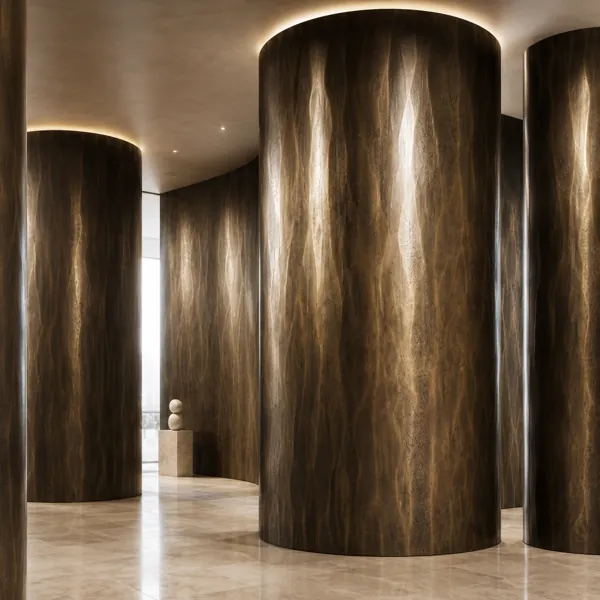
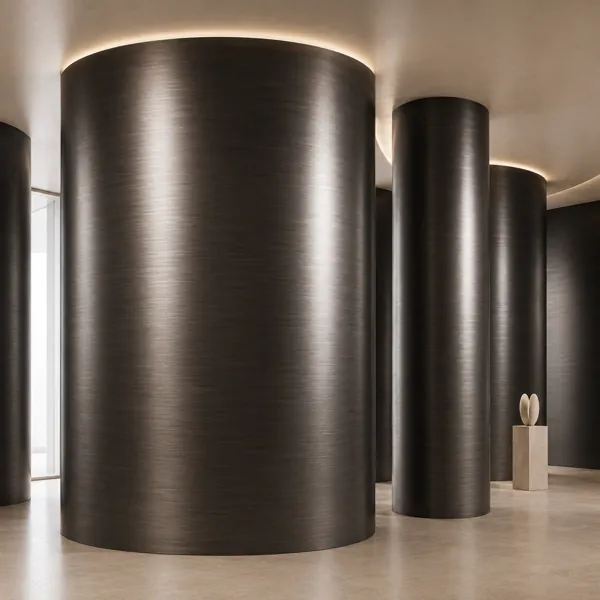
In interior design contexts, the texture can function as a focal finish on large uninterrupted surfaces or as a contrasting material on selected architectural details. Tall panels and cylindrical forms can make the vertical weathered movement especially visible, while broad flat walls allow the complex mottling to be evaluated across a larger area. Warm indirect illumination can emphasize the brown and beige undertones, whereas neutral daylight can retain the darker grey character. Because the surface already contains substantial organic variation, restrained surrounding finishes can help preserve visual balance and keep the metal texture clearly readable within the composition.
For rendering, Metallic Map and Roughness Map can be used where supported to define metallic reflection and surface response, while Normal, Bump and Height Maps can contribute additional surface definition. Their intensity should be adjusted according to object scale and camera distance so the visible weathering remains believable rather than excessively embossed. Consistent UV Mapping is particularly important because the source has a noticeable vertical orientation that should remain proportional across architectural geometry. In 3ds Max and compatible physically based rendering workflows, balanced lighting and controlled reflections can preserve the dark olive-grey base, earthy brown variation and lighter weathered accents visible in the reference.
Frequently asked questions
Is this texture free?
Yes. You can download it with a free Laruus account. Free textures are limited to 5 downloads per day.
Which software can I use this texture in?
The maps are standard image files, so they work in any renderer with PBR materials, such as Corona or V-Ray in 3ds Max, Blender, SketchUp with V-Ray or Enscape, and Unreal Engine.
What do I get when I download it?
A 61.2 MB download. It was added to Laruus on September 1, 2026.
Which spaces is it suitable for?
It suits Living Room, Bedroom, Office, Cafe, Commercial, Kitchen, Garden, Outdoor, Entrance, and Balcony projects. Style: Modern.
Are there 3D models that use this material?
Yes. Laruus has 3D models in the same material:
- Metal — 275Browse Armchairs (26)
You might also like
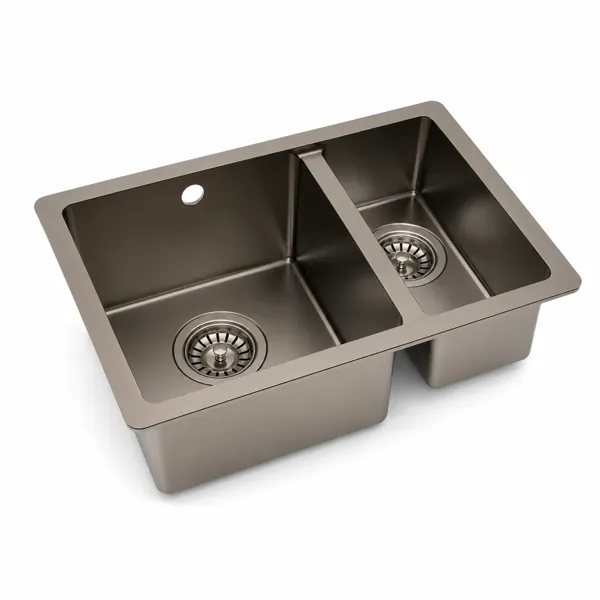
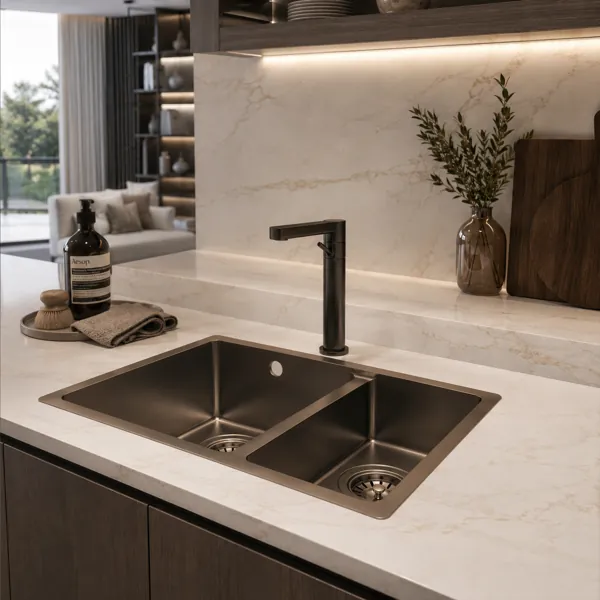
Double-Bowl Kitchen Sink – Brushed Dark Metal 3D Model
Laruus
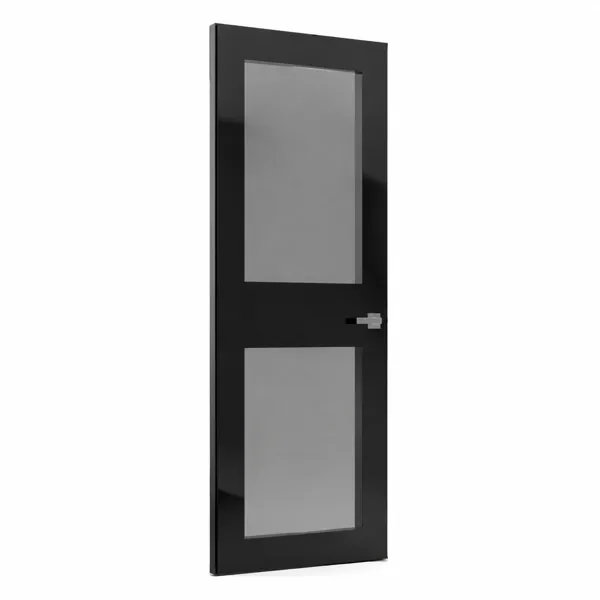
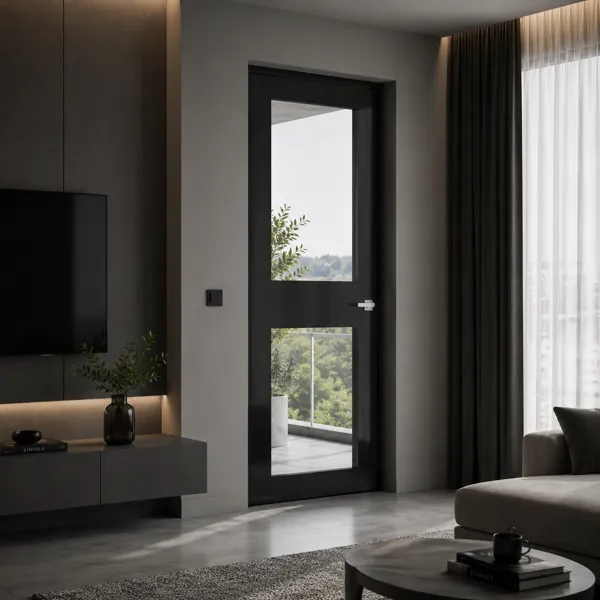
Modern Black Wood Door – Dual Frosted Gray Glass Panels 3D Model
Laruus
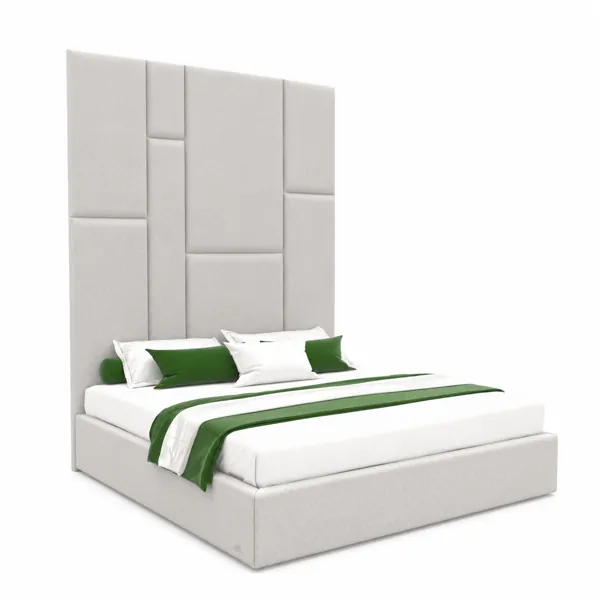
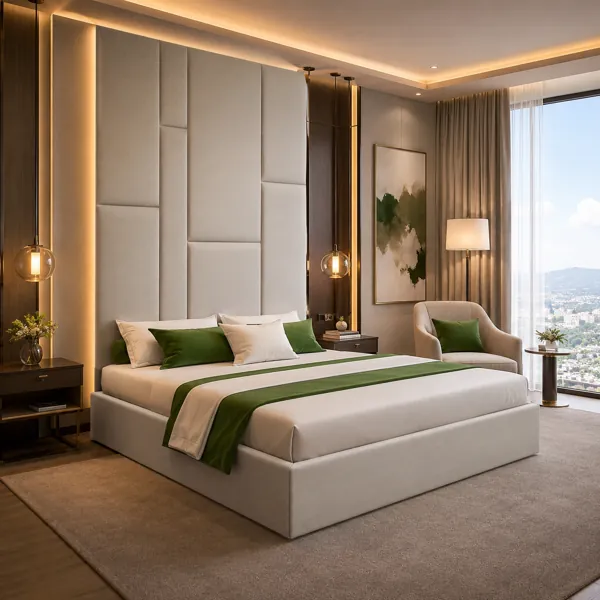
Modern Upholstered Bed – Tall Panel Headboard with Green Accents 3D Model
Laruus
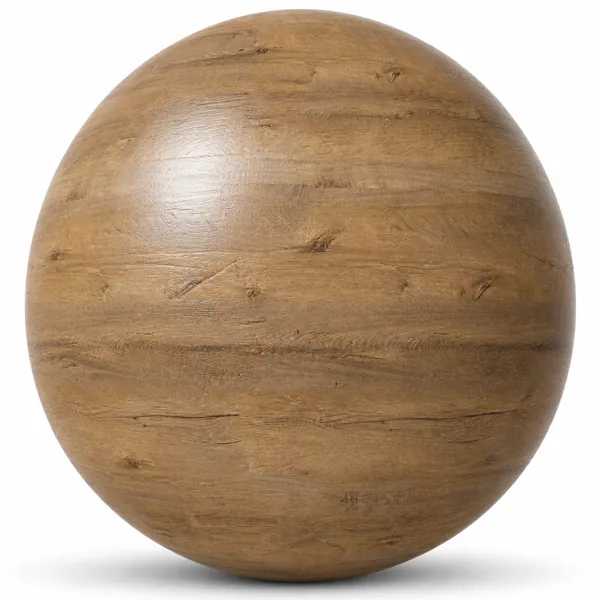
Warm Golden Brown Wood Texture – Rustic Grain
Laruus