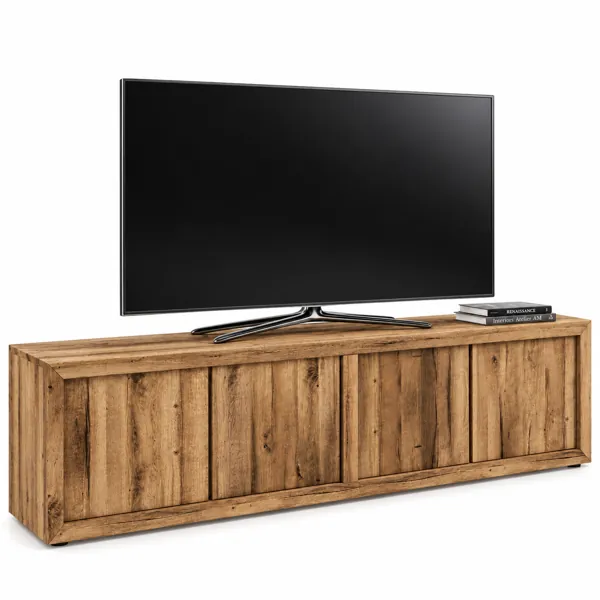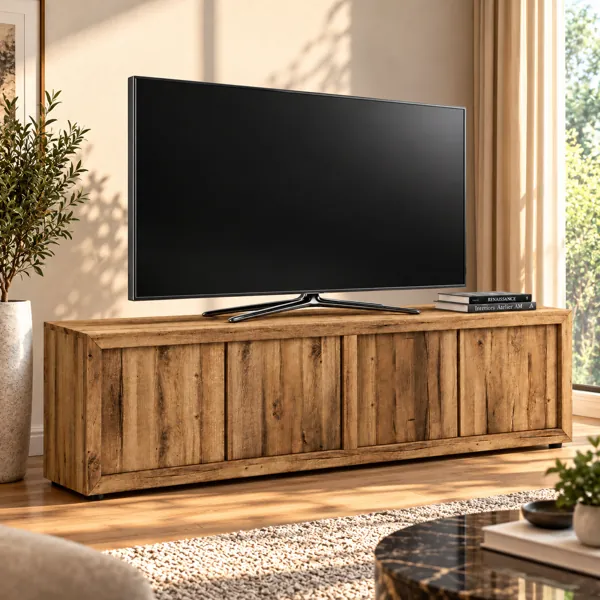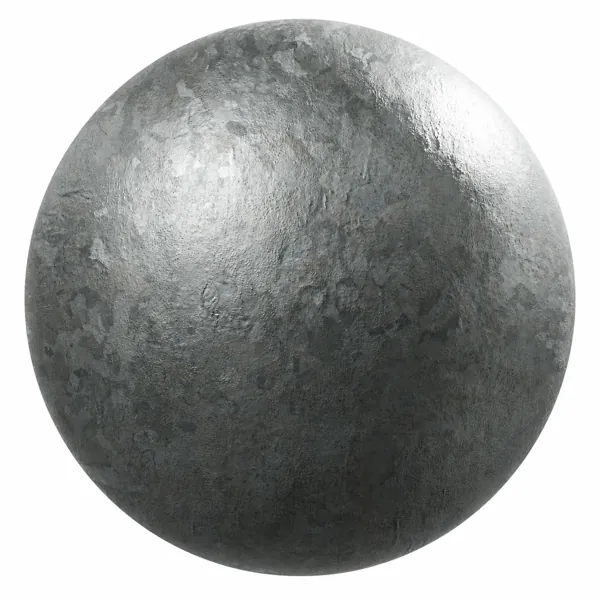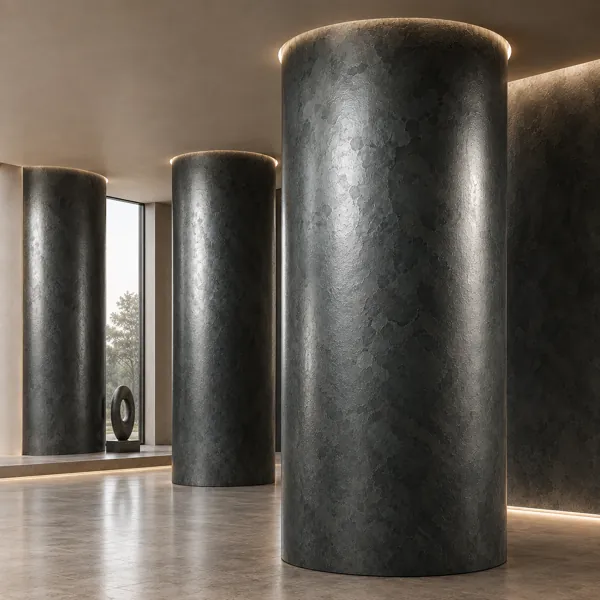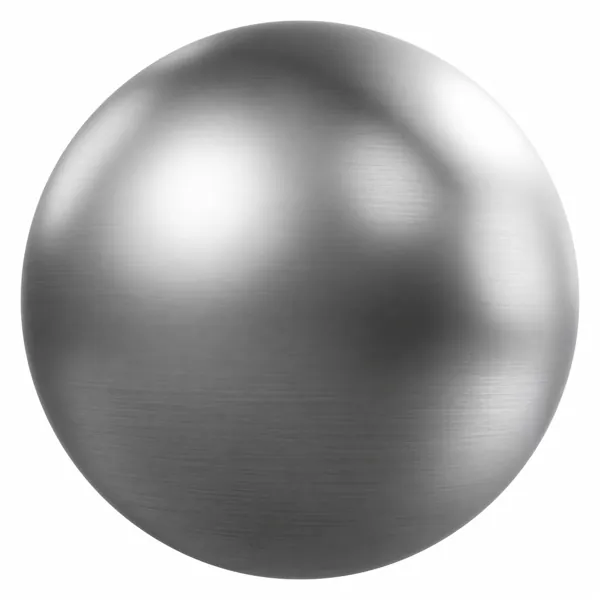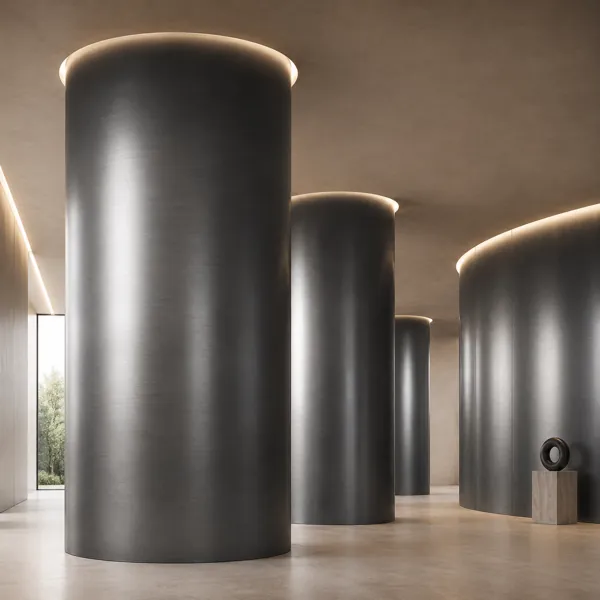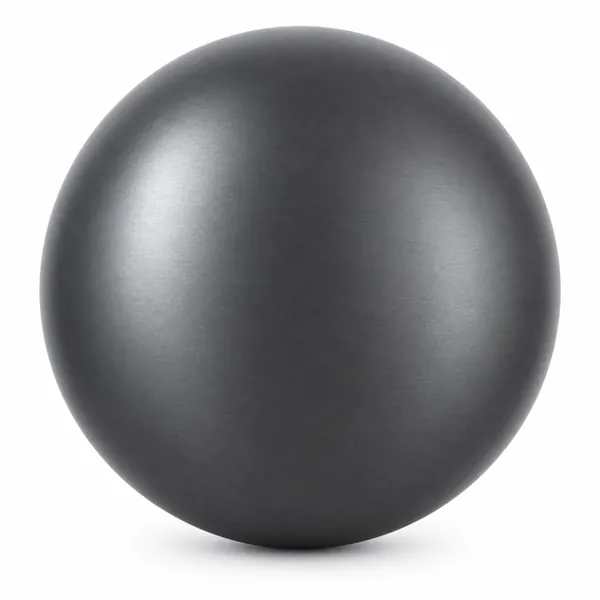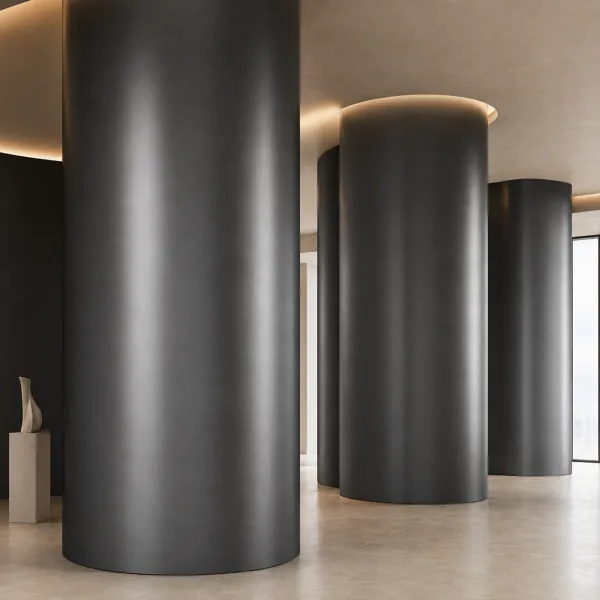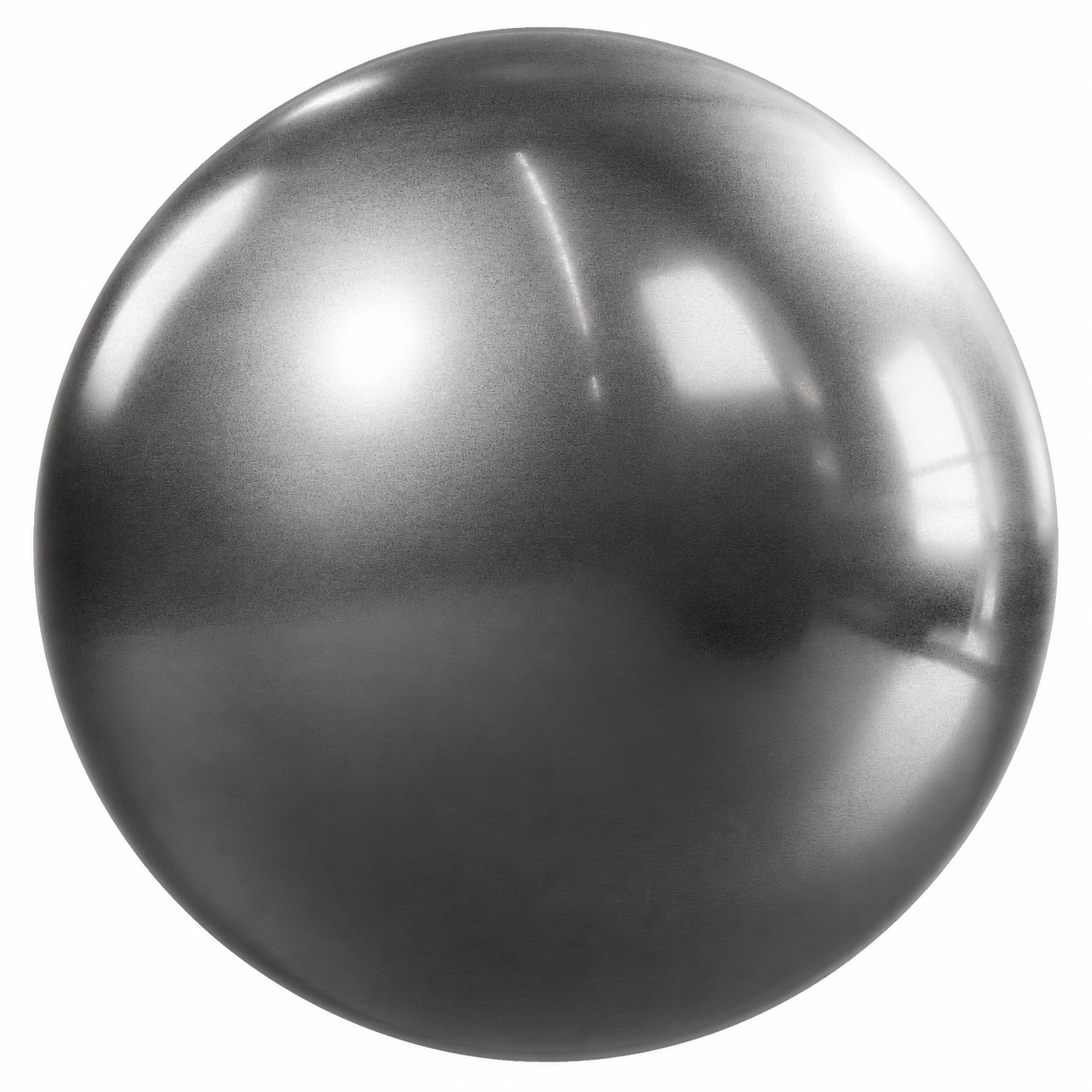
Dark Graphite Satin Metal Texture
Metal No. 00021
FREE
Specifications
- Brand
- Laruus
- Style
- Modern
- Material
- Metal
- Suitable spaces
- Living Room, Bedroom, Office, Cafe, Commercial, Kitchen, Entrance
- Color
- GrayBlackSilver
- File types
- Albedo MapAlpha MapAO MapBump MapDiffuse Color MapEdge MapEmission MapHeight MapMetallic MapNormal MapPacked Texture MapRoughness Map
Dark Graphite Satin Metal Texture - High Resolution Seamless PBR Textures
Description
Dark Graphite Satin Metal Texture presents a deep charcoal-grey metallic surface with a restrained satin sheen and extremely fine visual grain. The material combines a predominantly dark graphite body color with soft silver-grey reflections that become more pronounced where light meets the surface. This balance gives the texture a contemporary architectural character without turning it into a bright chrome or mirror-like finish. Its understated appearance makes it suitable for modern designs where metal should remain visually substantial while still responding clearly to environmental lighting.
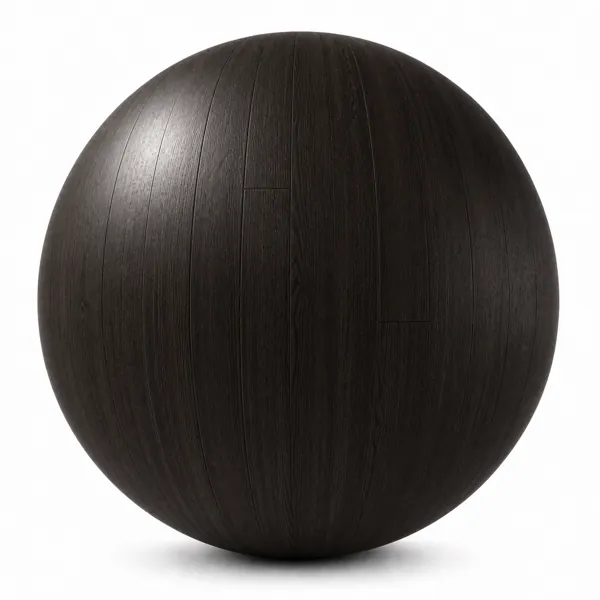
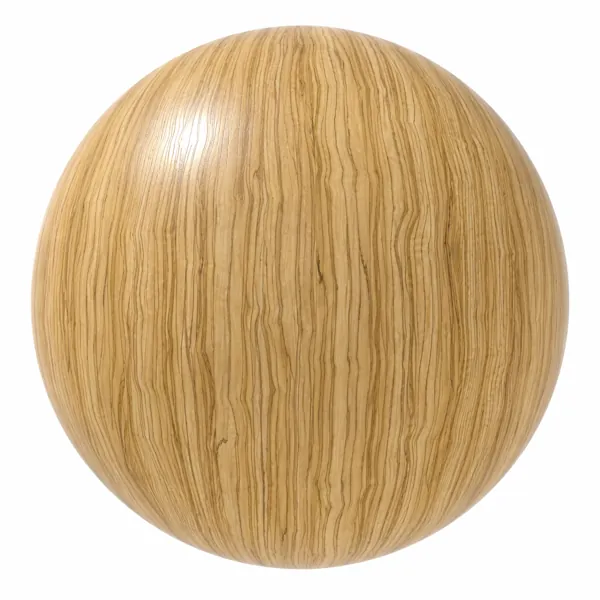
The visible surface is defined by subtle micro-texture rather than pronounced scratches, heavy brushing, oxidation, or decorative patterning. Fine tonal variation spreads evenly across the material, while the reflective response creates smooth transitions between dark grey areas and brighter highlights. This controlled finish can work effectively across both broad architectural planes and smaller product components. When mapped onto curved geometry, as demonstrated by the material sphere, the surface produces broad reflected highlights that help communicate curvature, scale, and metallic character without obscuring the underlying graphite tone.
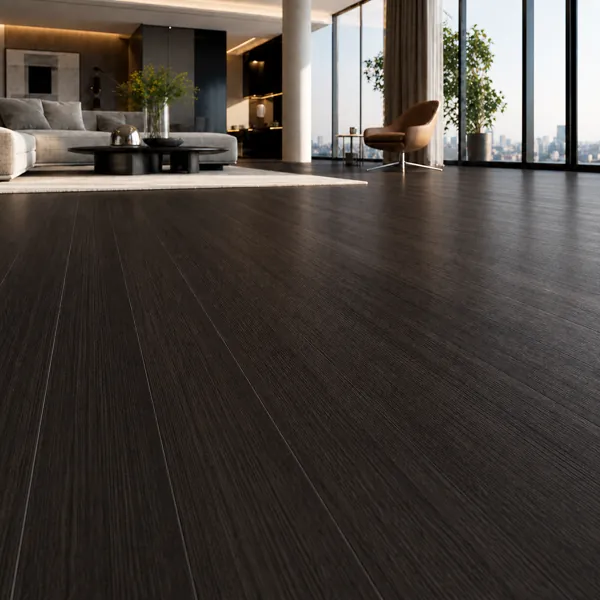
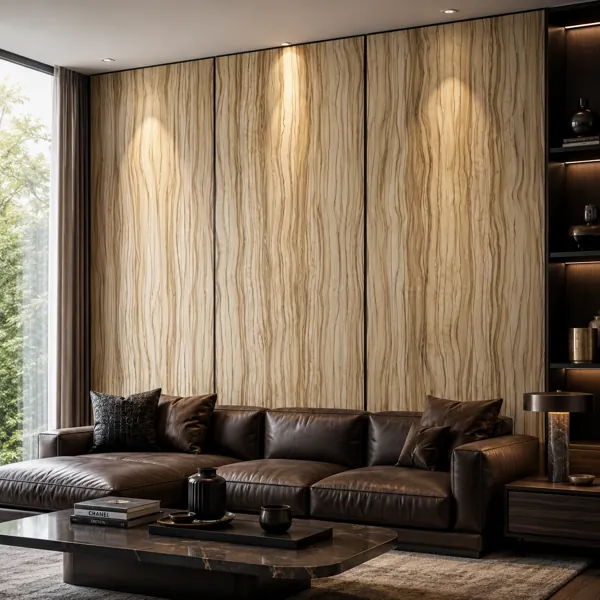
In interior applications, this dark satin metal texture can support wall panels, architectural cladding, columns, partitions, cabinetry details, kitchen elements, decorative metalwork, doors, frames, shelving, and custom furniture components. It can complement neutral stone, concrete, glass, dark wood, or restrained fabric palettes in Living Room, Bedroom, Office, Cafe, Commercial, Kitchen, and Entrance environments. Its dark neutral coloration is particularly useful in contemporary spaces where designers need a metallic contrast against lighter floors, walls, or surrounding finishes without introducing a strongly colored material.
For architectural visualization and CGI workflows, the material is suited to scenes where controlled reflections are important for communicating realistic metal behavior. On large surfaces, area lights, window illumination, and environmental reflections can create broad highlight gradients across the graphite base. On smaller objects, the same response can help define edges and curved profiles. The texture can therefore be incorporated into visualization workflows involving architectural interiors, product rendering, furniture visualization, retail environments, hospitality concepts, and close-up material studies in 3D's Max or comparable 3D applications.
From an interior design perspective, the graphite satin finish works especially well with minimalist, industrial, contemporary, and monochromatic compositions. Its dark value can establish visual depth while reflected light prevents the surface from appearing completely flat. Designers can use it as a dominant architectural finish or as a secondary accent alongside lighter mineral surfaces. Because the visible grain remains fine and restrained, the material does not compete aggressively with surrounding marble, stone, wood, glass, or textile surfaces, making it adaptable to both understated residential environments and larger commercial spaces.
The included texture set lists Albedo Map, Alpha Map, AO Map, Bump Map, Diffuse Color Map, Edge Map, Emission Map, Height Map, Metallic Map, Normal Map, Packed Texture Map, and Roughness Map. These maps provide material channels for building a PBR-based shading workflow while allowing artists to control the final appearance according to scene lighting and renderer settings. For the most convincing result, reflection intensity, roughness, mapping scale, and exposure should be evaluated together within the target scene. The dark graphite base, satin reflection response, and fine surface character should remain the defining visual features throughout the final render.
Frequently asked questions
Is this texture free?
Yes. You can download it with a free Laruus account. Free textures are limited to 5 downloads per day.
Which software can I use this texture in?
The maps are standard image files, so they work in any renderer with PBR materials, such as Corona or V-Ray in 3ds Max, Blender, SketchUp with V-Ray or Enscape, and Unreal Engine.
What do I get when I download it?
A 75.6 MB download. It was added to Laruus on September 1, 2026.
Which spaces is it suitable for?
It suits Living Room, Bedroom, Office, Cafe, Commercial, Kitchen, and Entrance projects. Style: Modern.
Are there 3D models that use this material?
Yes. Laruus has 3D models in the same material:
- Metal — 275Browse Armchairs (26)