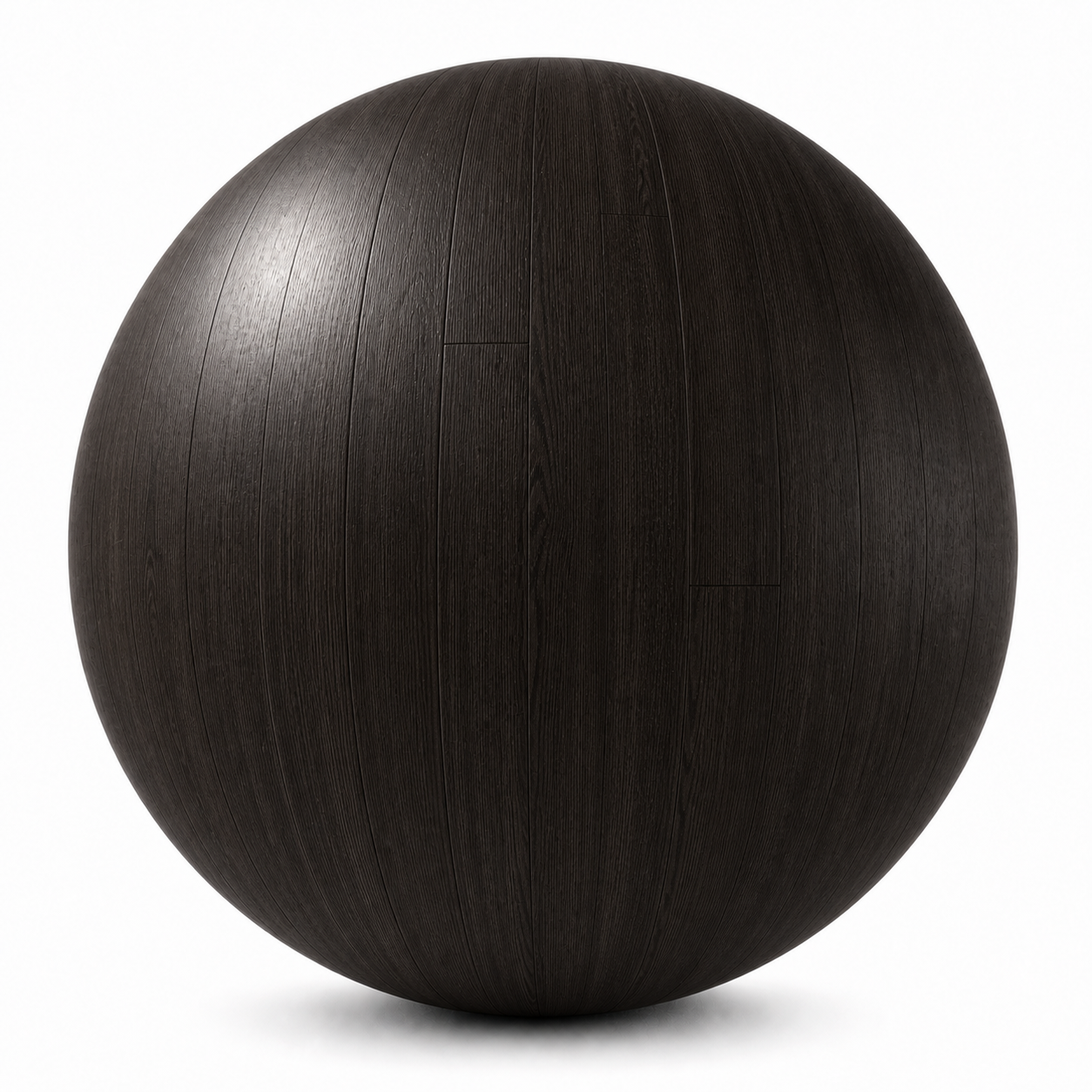
Espresso Black-Brown Fine Grain Wood Parquet
Parquet No. 00041
FREE
Specifications
- Brand
- Laruus
- Style
- Modern
- Material
- Wood
- Suitable spaces
- Living Room, Bedroom, Office, Cafe, Commercial, Kitchen, Entrance
- Color
- BlackBrown
- File types
- Albedo MapAlpha MapAO MapBump MapDiffuse Color MapEdge MapEmission MapHeight MapMetallic MapNormal MapPacked Texture MapRoughness Map
Deep Espresso Fine Wood Grain
Description
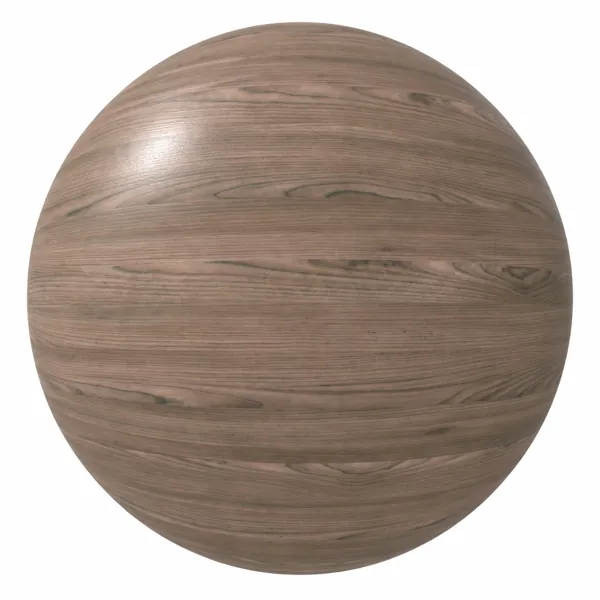
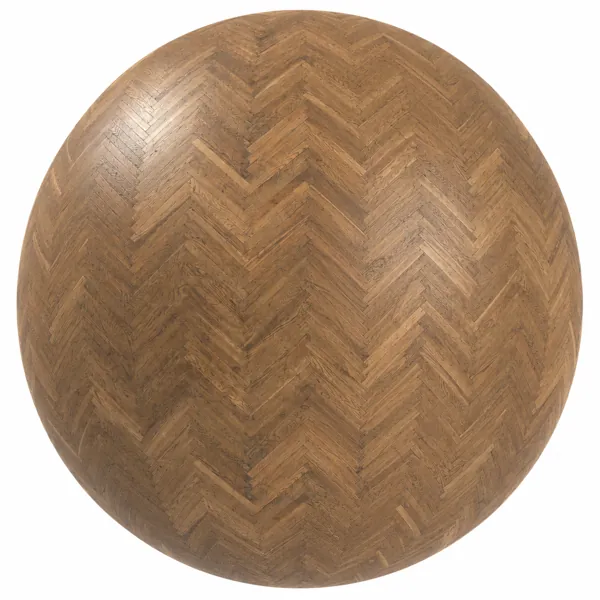
This espresso black-brown fine grain wood parquet features elongated planks with a very dark brown finish, closely spaced linear grain and restrained natural variation. Its most distinctive characteristic is the near-black espresso coloration combined with visible fine wood fibers that remain readable under reflected light. The tone is considerably darker than conventional walnut-brown or medium brown parquet, giving the surface a strong architectural presence while preserving the warmth associated with timber. Subtle shifts between black, deep chocolate brown and slightly lighter brown grain lines prevent the material from appearing completely flat. The result is a controlled, modern wood surface suited to interiors where dark flooring or paneling is used to establish depth and contrast.
The visible construction consists of long rectangular wood planks aligned in a consistent direction, with occasional staggered end joints interrupting the vertical continuity of the boards. The grain follows the length of each plank and appears predominantly fine, straight and closely spaced, with occasional subtle curved growth formations. Strong knots, cracks and heavily distressed markings are not prominent in the preview, so the overall appearance remains clean and relatively uniform. Narrow seams define individual boards without introducing strong tonal contrast. The surface appears smooth with a mild satin-like reflective response, particularly where the preview lighting creates a soft highlight across the grain. Although the dark coloration could resemble stained hardwood finishes, a specific wood species or finishing process cannot be confirmed from the image alone.
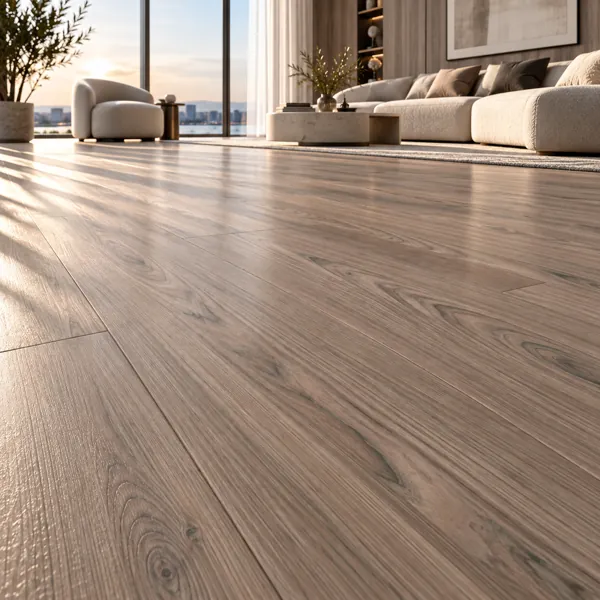
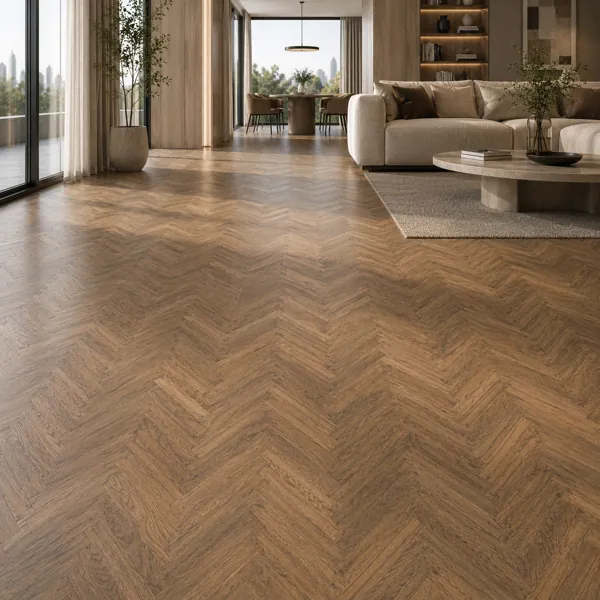
This dark wood parquet can suit living rooms, bedrooms, offices, cafes, commercial interiors, kitchens and entrance areas where a deep timber tone supports the design concept. Flooring is the most direct use, but the same visual language can also work for decorative wall panels, cabinetry fronts, reception counters, furniture surfaces, ceiling details and other architectural applications in visualization projects. Its espresso black-brown palette pairs naturally with white or beige plaster, pale concrete, natural stone, glass, brushed metal and lighter neutral textiles. The strong tonal depth makes it suitable for contemporary, minimalist, warm-modern and hospitality-oriented interiors that use material contrast as part of the composition.
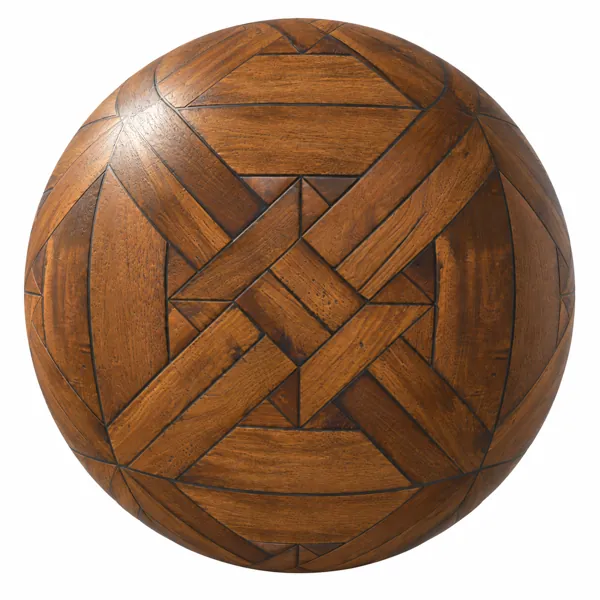
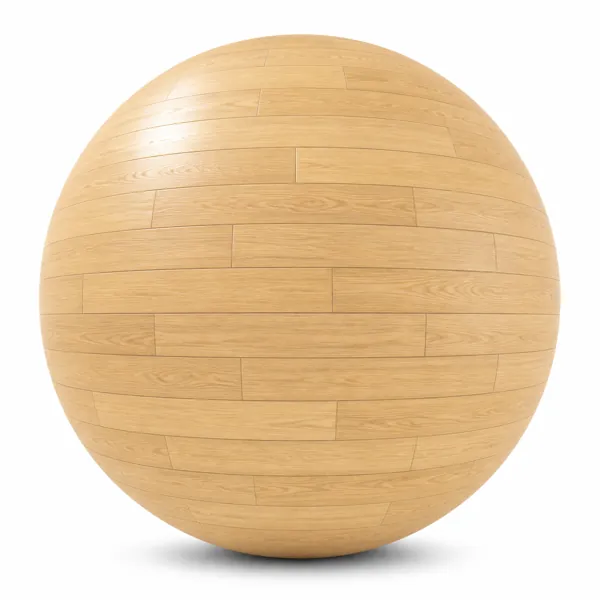
For architectural visualization and CGI workflows, the fine directional grain provides enough surface information to remain legible in close views without becoming distracting at wider camera distances. Close-up renders can emphasize the narrow grain lines, subtle brown variation, plank seams and reflected highlights, while medium and wide views retain a consistent dark timber field. Because the material relies more on fine grain than on large knots or dramatic markings, it can cover broad architectural areas while maintaining a visually controlled character. The supplied preview displays the surface on a spherical form, allowing archviz artists to evaluate grain direction, plank continuity, dark tonal balance and reflective behavior across curved geometry.
Within contemporary interior design, this espresso-toned surface can introduce visual weight, warmth and a grounded character. Against pale walls or stone, it creates a pronounced contrast; beside black metal or darker furniture, it can contribute to a more unified monochromatic material palette. The subtle satin response prevents the surface from reading as completely matte while still allowing the wood grain to remain the primary visual detail. Used extensively, it can establish a continuous dark foundation; applied selectively, it can create a defined architectural accent against concrete, glass, metal or light-colored finishes.
The provided product information identifies 3ds Max as the 3D software and Corona Renderer as the rendering environment. Specific file extensions, physical plank dimensions, wood species, texture resolution, mapping method, displacement settings and seamless tiling properties are not confirmed and therefore should not be assumed. The visible preview supports identification of the espresso black-brown coloration, elongated plank structure, fine directional grain and smooth satin-like surface appearance. Project-specific scale, mapping and material parameters should be verified within the supplied asset before final production rendering.
Frequently asked questions
Is this texture free?
Yes. You can download it with a free Laruus account. Free textures are limited to 5 downloads per day.
Which software can I use this texture in?
The maps are standard image files, so they work in any renderer with PBR materials, such as Corona or V-Ray in 3ds Max, Blender, SketchUp with V-Ray or Enscape, and Unreal Engine.
What do I get when I download it?
A 15.8 MB download. It was added to Laruus on June 28, 2026.
Which spaces is it suitable for?
It suits Living Room, Bedroom, Office, Cafe, Commercial, Kitchen, and Entrance projects. Style: Modern.
Are there 3D models that use this material?
Yes. Laruus has 3D models in the same material:
- Wood — 197Browse Armchairs (29)