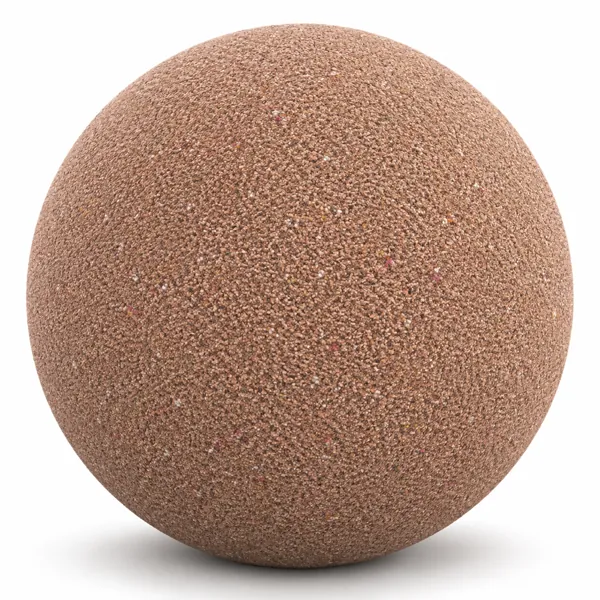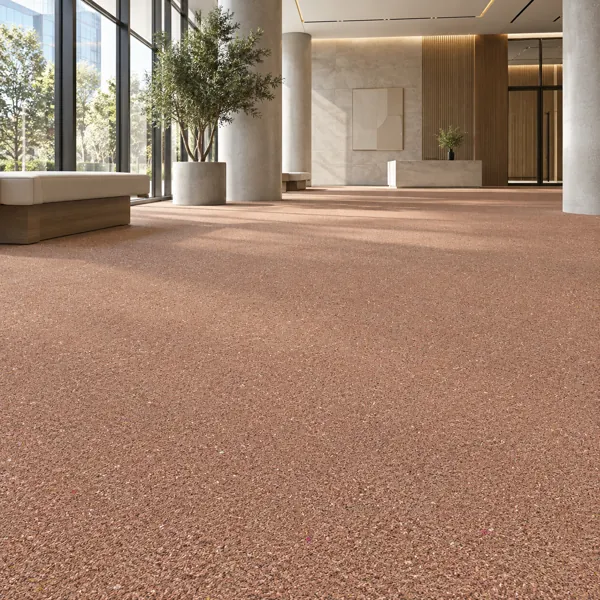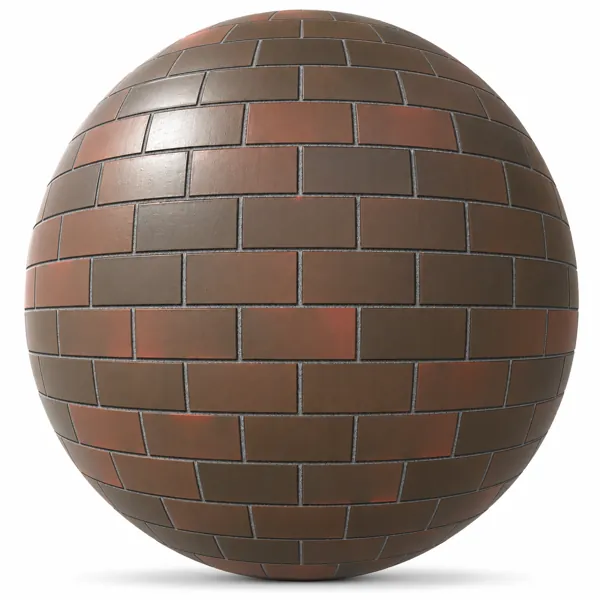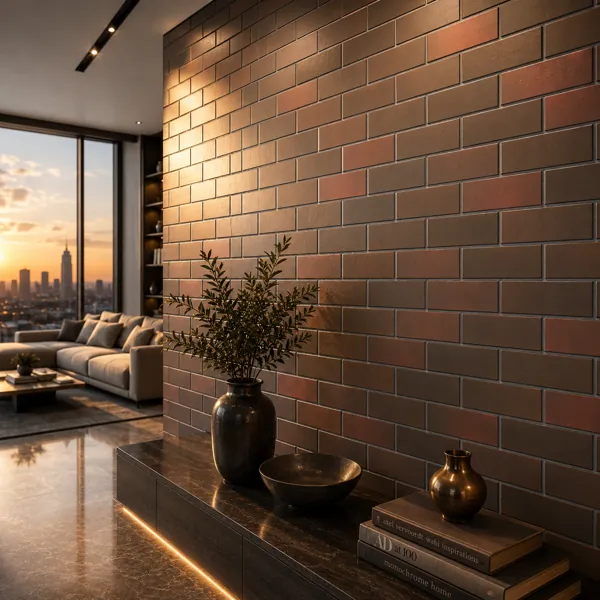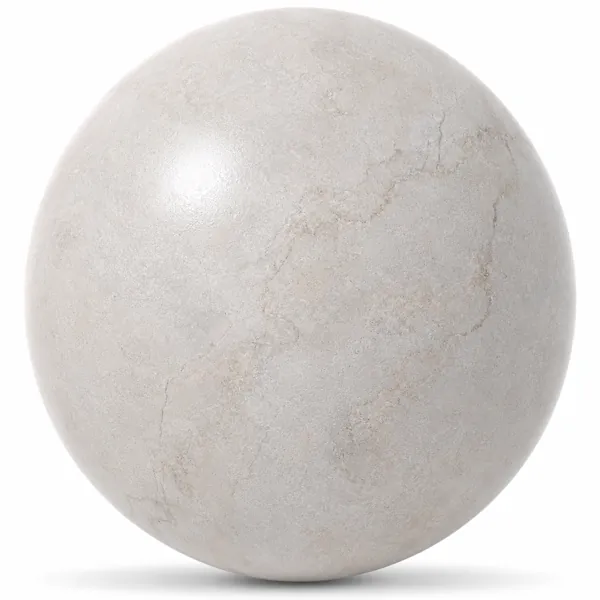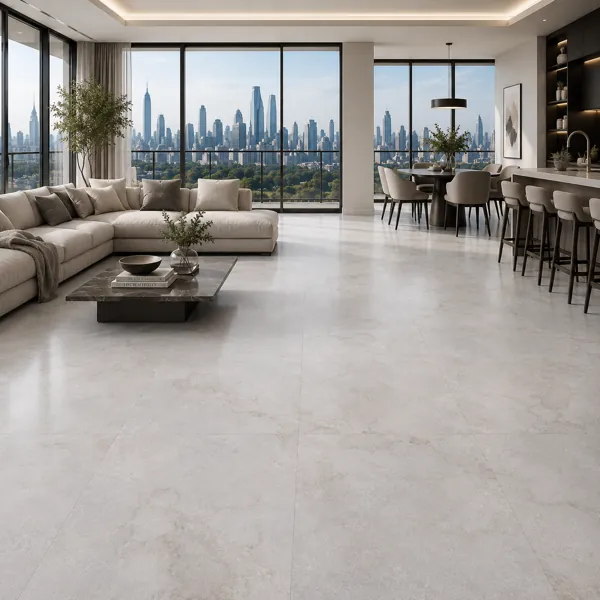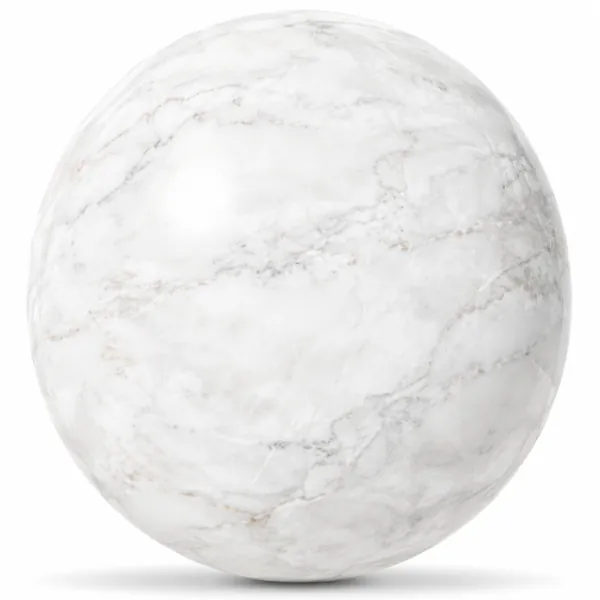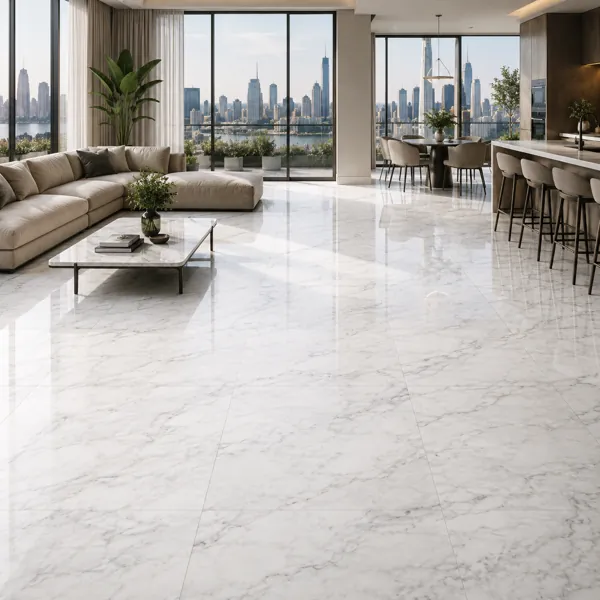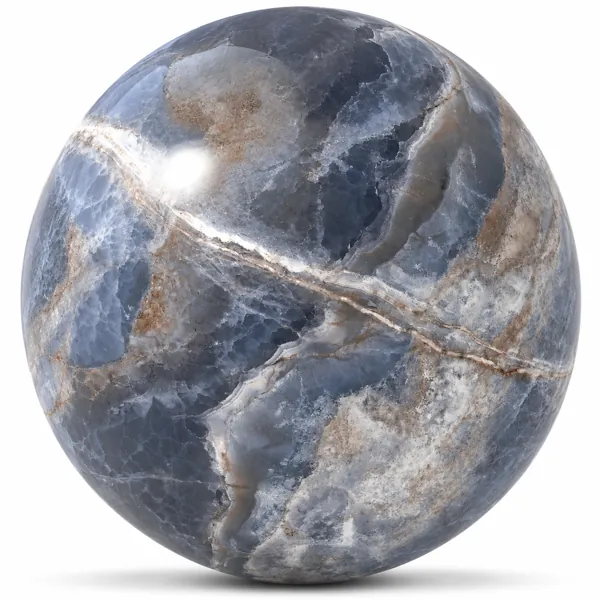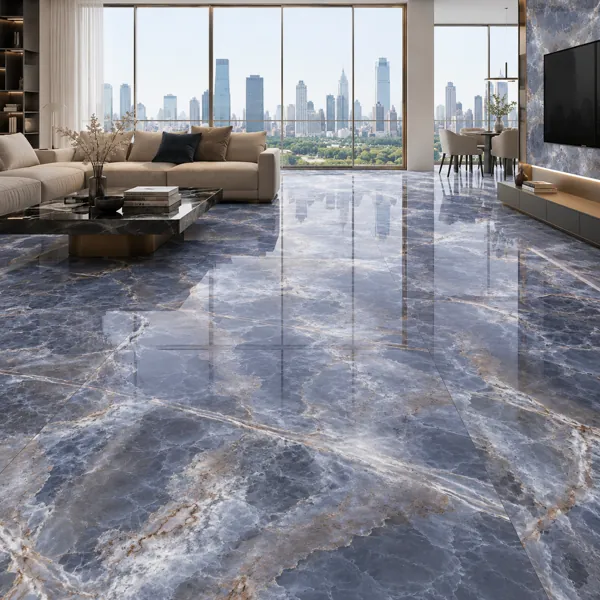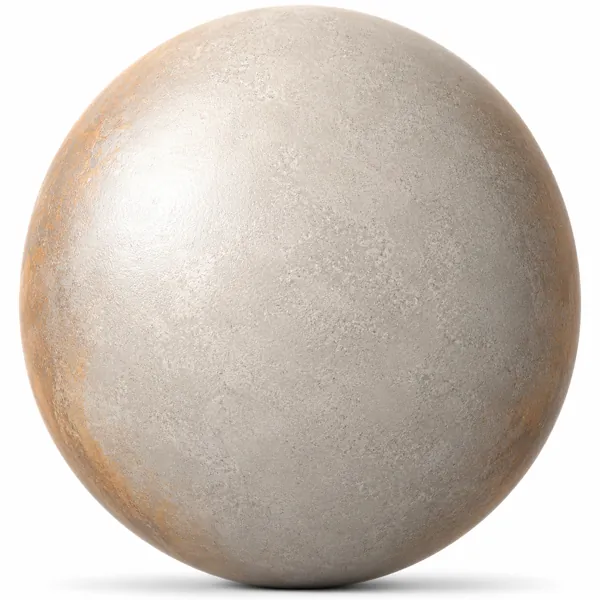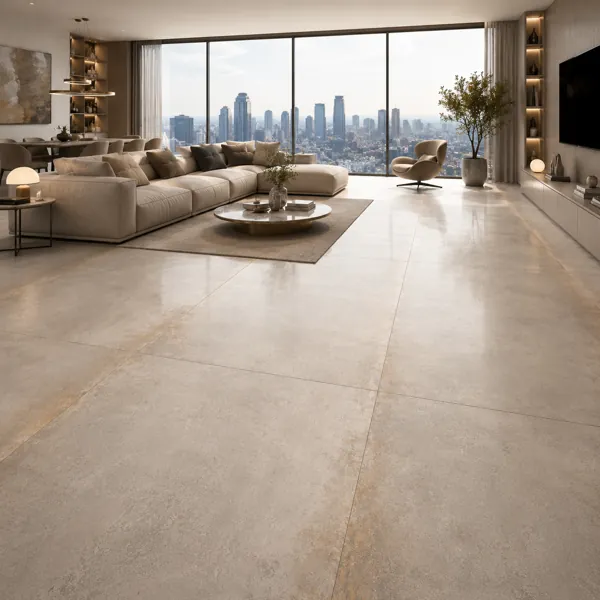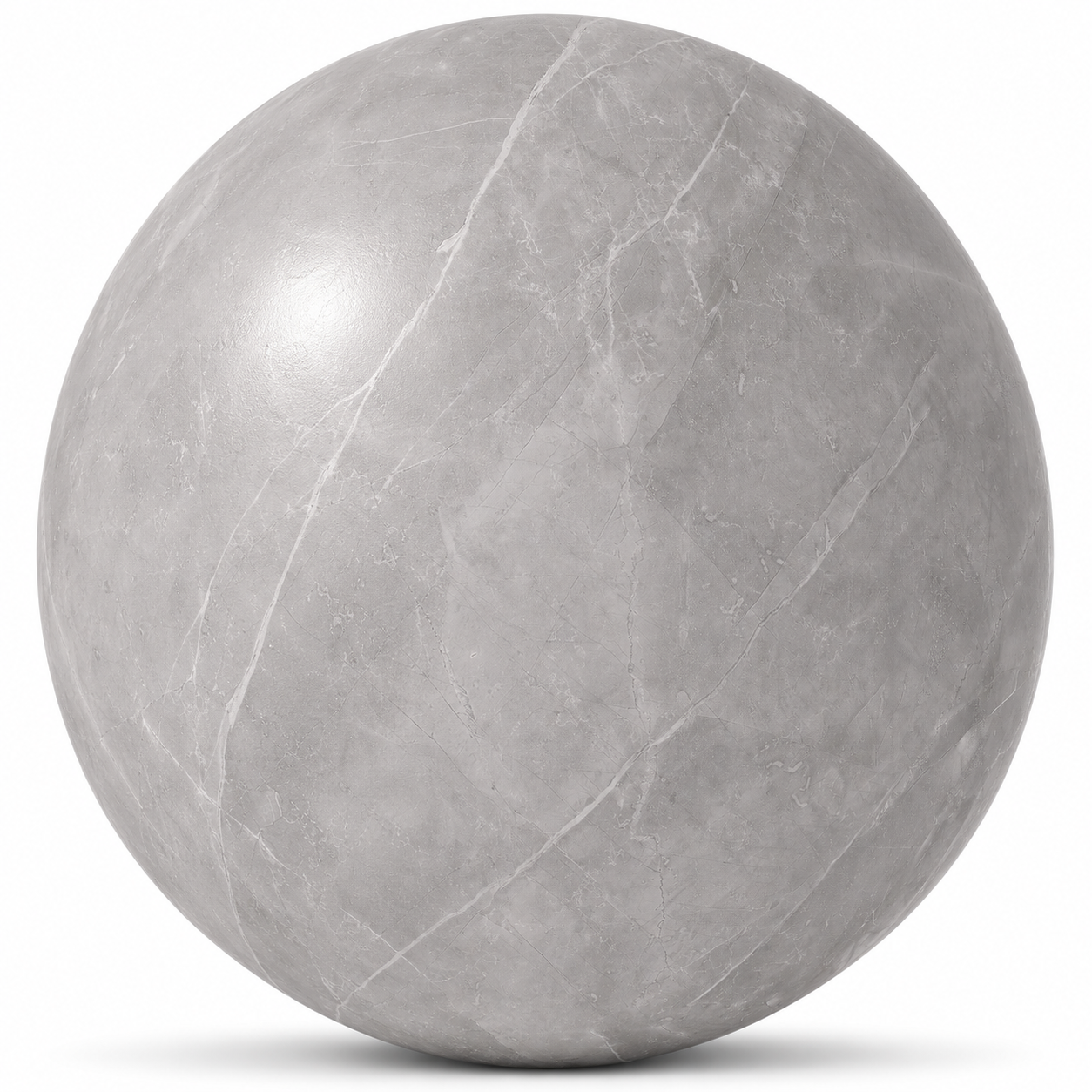
Diagonal White Veining Pale Gray Ceramic Texture
Ceramic No. 00032
FREE
Specifications
- Brand
- Laruus
- Style
- Modern
- Material
- Ceramic
- Suitable spaces
- Living Room, Bedroom, Office, Cafe, Commercial, Kitchen, Entrance
- Color
- GrayWhite
- File types
- Albedo MapAlpha MapAO MapBump MapDiffuse Color MapEdge MapEmission MapHeight MapMetallic MapNormal MapPacked Texture MapRoughness Map
Diagonal White Veining Pale Gray Ceramic Texture - High Resolution Seamless PBR Textures
Description
Pale Gray Ceramic Texture – Diagonal White Veining features a softly mottled gray surface crossed by distinctive pale diagonal veins and finer hairline markings. The visible pattern combines broad, understated tonal variation with irregular linear details, creating a modern ceramic finish with a natural stone-inspired visual character. Its restrained gray-and-white palette makes the surface adaptable to contemporary interiors where material detail is important without requiring a strongly contrasting pattern. Several prominent veins travel diagonally across the image, while smaller fractures and cloudy patches introduce additional variation and help distinguish this texture from more uniform gray ceramic surfaces.
The material is specified as Ceramic, and the supplied image shows a continuous field of light gray tones with white veining, subtle darker lines, and softly dispersed surface variation. The pattern includes both long directional veins and smaller branching details, giving large applications enough visual movement to avoid appearing flat. No physical tile dimensions, real-world scale, thickness, or manufacturing finish can be determined reliably from the image alone, so these properties should be configured according to the intended project. The balanced distribution of broad tonal areas and fine lines allows the material to work across both expansive architectural surfaces and smaller modeled components.
For interior applications, this gray ceramic texture can suit kitchens, living rooms, bedrooms, offices, cafes, commercial spaces, and entrance areas. Depending on the construction and design context, it can be considered for walls, feature panels, backsplashes, counters, decorative cladding, and other ceramic-finished surfaces. The pale neutral coloring coordinates naturally with Wood, Metal, Glass, and monochromatic furnishings. In contemporary kitchens it can support restrained cabinetry and metallic fixtures, while in living or commercial environments its diagonal veining can introduce visual direction without becoming excessively dominant.
Within architectural visualization and CGI workflows, the texture provides a detailed foundation for building a ceramic material in 3ds Max and other compatible 3D applications. The supplied texture set includes Albedo Map, Alpha Map, AO Map, Bump Map, Diffuse Color Map, Edge Map, Emission Map, Height Map, Metallic Map, Normal Map, Packed Texture Map, and Roughness Map. These maps provide multiple channels for controlling visible color, microsurface response, relief, shading, and other material properties according to the shader and renderer configuration. Map interpretation and channel connections should be adjusted for the specific rendering workflow rather than assuming identical settings across different engines.
From an interior design perspective, the pale gray base works particularly well in modern, minimalist, neutral, and contemporary material palettes. The diagonal white veins create movement across larger surfaces, while the cloudy gray variation softens the overall appearance. Warm Wood elements can provide tonal contrast, whereas brushed or neutral Metal details can reinforce a cleaner architectural language. White cabinetry, muted fabrics, and clear or tinted Glass can also complement the texture without obscuring its subtle surface pattern. This flexibility makes it useful as either a principal finish or a supporting background material in interior compositions.
For rendering, UV scale and orientation should be matched carefully to the modeled surface and the intended camera distance. The diagonal veining is a recognizable feature, so mapping direction can noticeably affect the final composition. Bump Map, Normal Map, Height Map, and Roughness Map values should be calibrated conservatively to maintain the visually subtle character of the source surface. Excessive displacement or contrast could exaggerate fine lines beyond what is visible in the reference. With appropriate mapping and physically plausible material settings, this Ceramic PBR texture can support interior close-ups, product visualization, material studies, and broader archviz scenes.
Frequently asked questions
Is this texture free?
Yes. You can download it with a free Laruus account. Free textures are limited to 5 downloads per day.
Which software can I use this texture in?
The maps are standard image files, so they work in any renderer with PBR materials, such as Corona or V-Ray in 3ds Max, Blender, SketchUp with V-Ray or Enscape, and Unreal Engine.
What do I get when I download it?
A 34.4 MB download. It was added to Laruus on August 17, 2026.
Which spaces is it suitable for?
It suits Living Room, Bedroom, Office, Cafe, Commercial, Kitchen, and Entrance projects. Style: Modern.
Are there 3D models that use this material?
Yes. Laruus has 3D models in the same material:
- Ceramic — 23Browse Bathtub (9)