
Ceramic Textures
Free ceramic tile and surface textures in ivory, warm taupe and dark grey, ranging from soft speckled clouding through fine white veining to matte concrete-like finishes. Full PBR map sets included. The usual applications are bathroom and kitchen walls, splashbacks and floor tiling.
64 texturesPBR mapsFree download
64 results
FreeNew
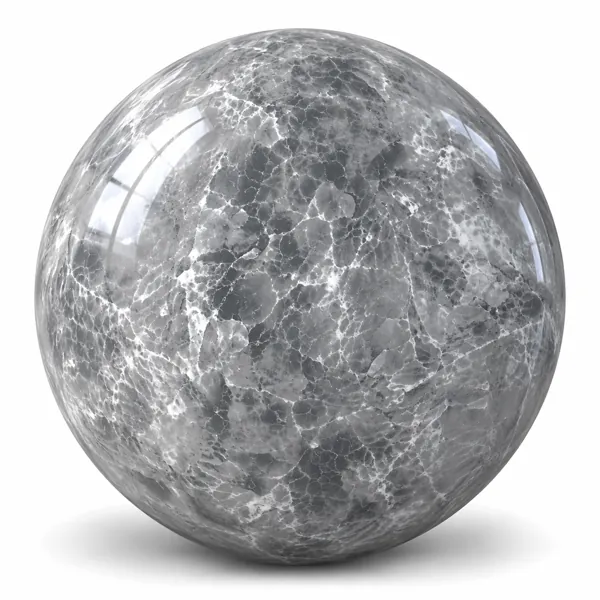
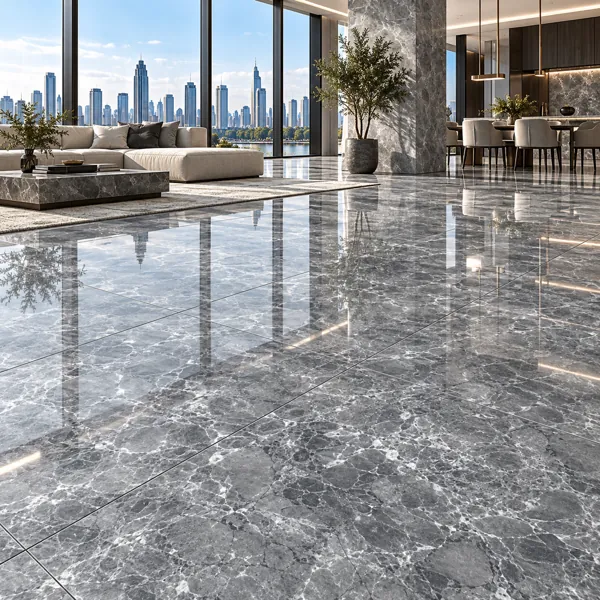
Smoky Grey Crystalline Web Veined Ceramic Texture
Laruus
Save
Wishlist
FreeNew
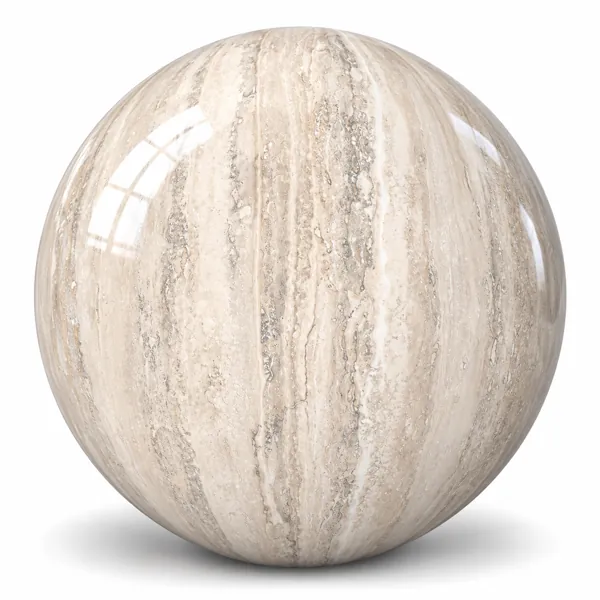
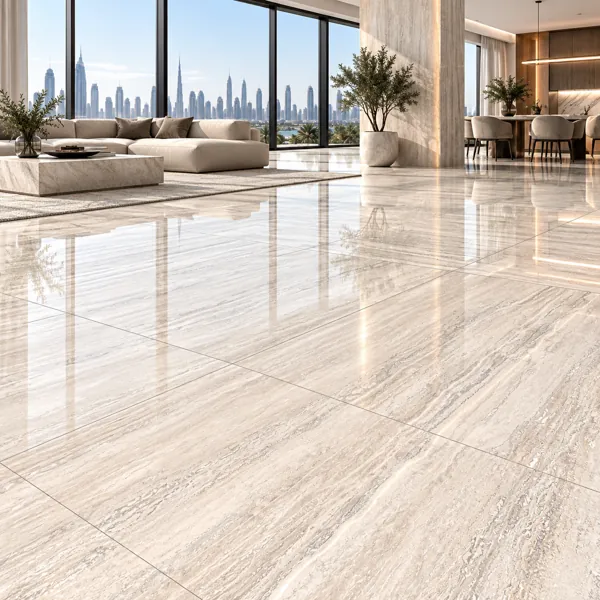
Warm Ivory Linear Travertine Effect Ceramic Texture
Laruus
Save
Wishlist
Free
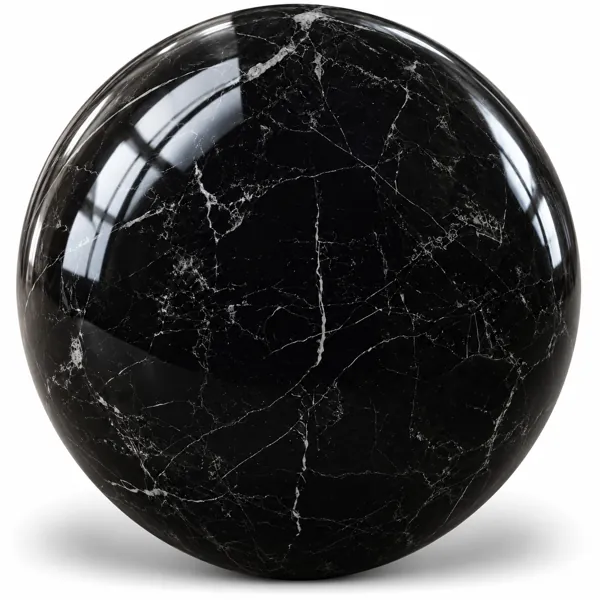
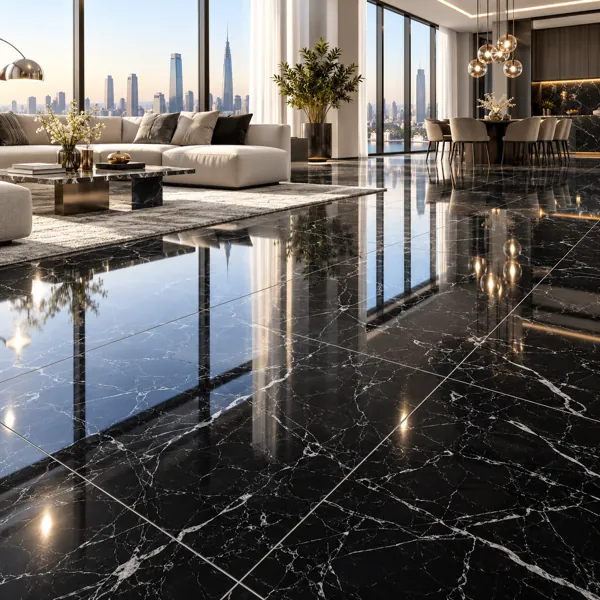
Deep Black Fine White Vein Marble Effect Ceramic Texture
Laruus
Save
Wishlist
Free
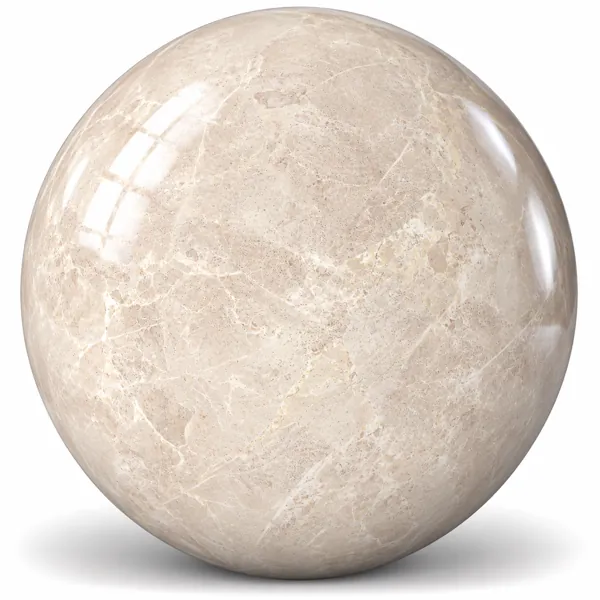
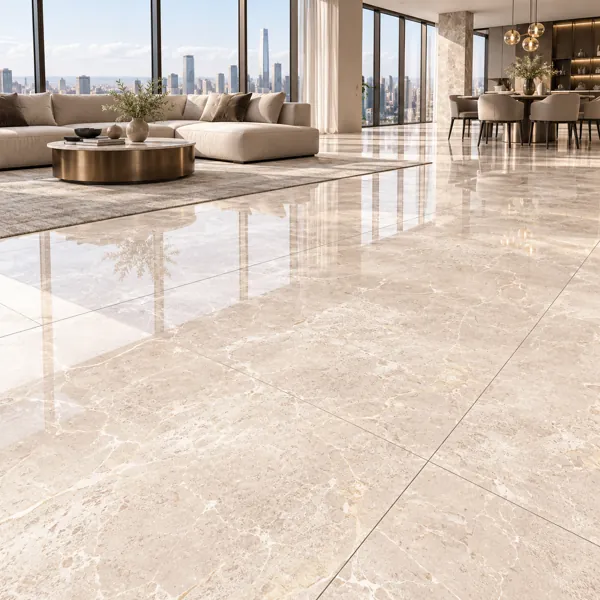
Warm Blush Beige Fine Vein Marble Effect Ceramic Texture
Laruus
Save
Wishlist
Free
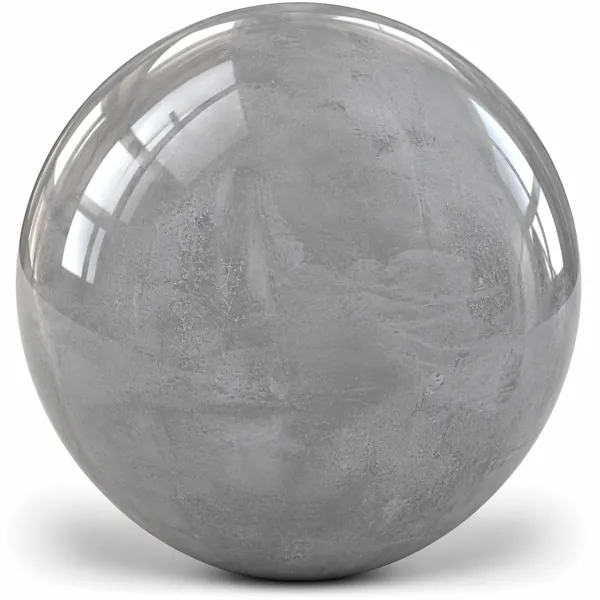
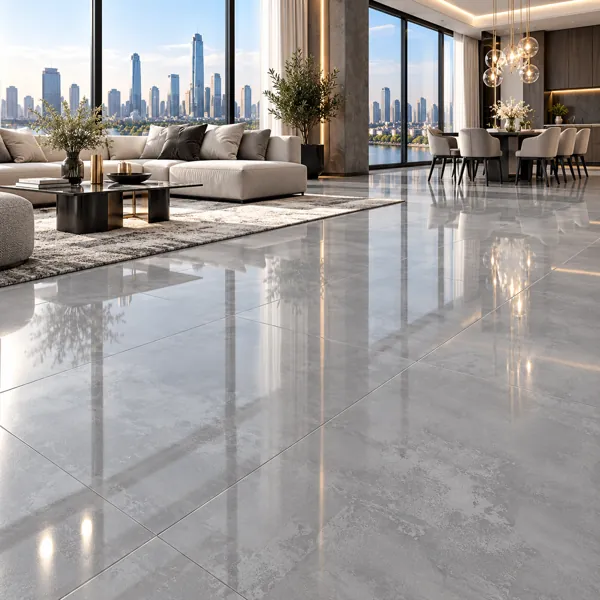
Soft Light Gray Concrete Look Ceramic Texture
Laruus
Save
Wishlist
Free
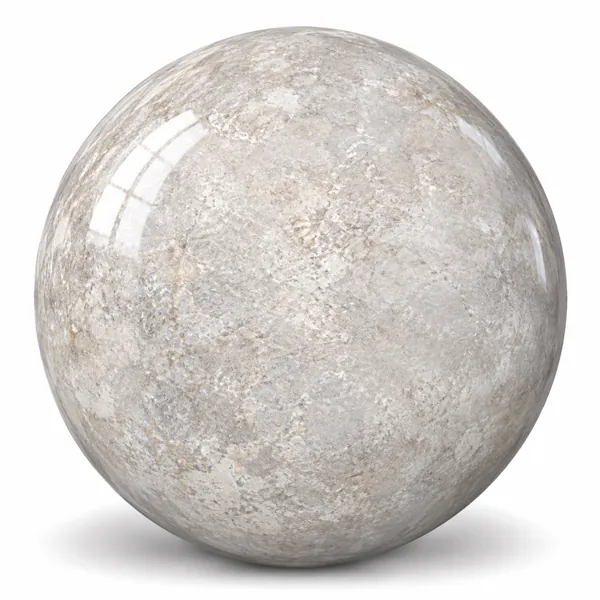
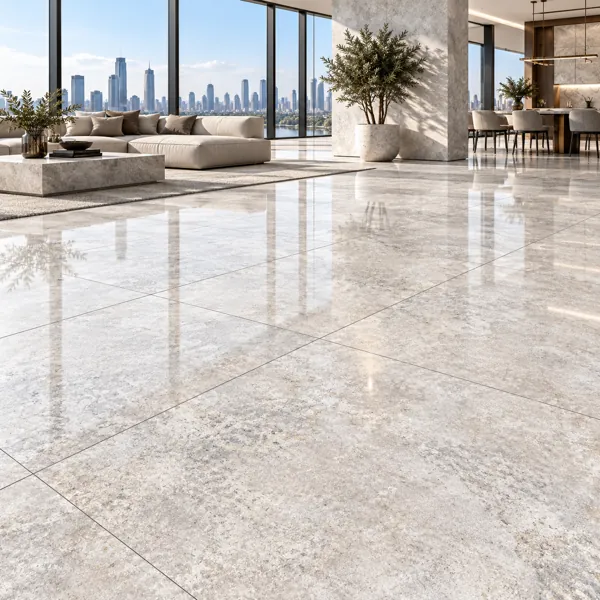
Warm Greige Mottled Stone Effect Ceramic Texture
Laruus
Save
Wishlist
Free
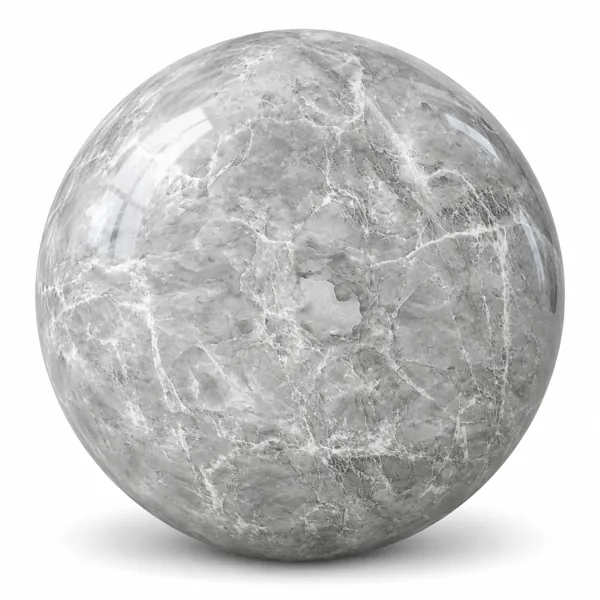
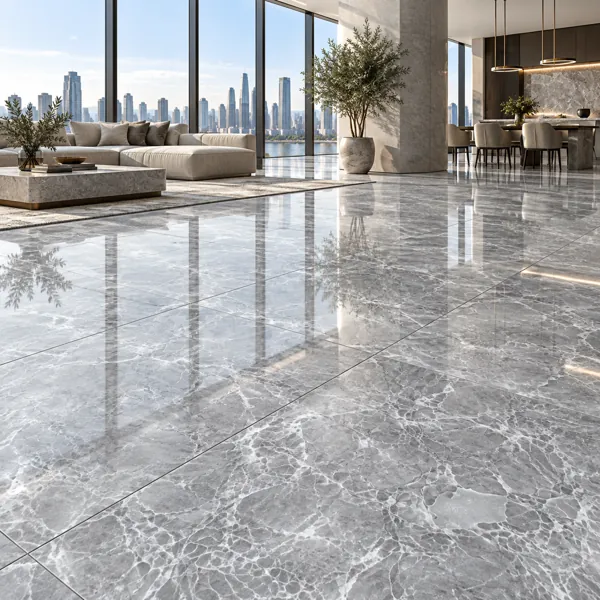
Silver Grey Crystalline Veined Ceramic Texture
Laruus
Save
Wishlist
Free
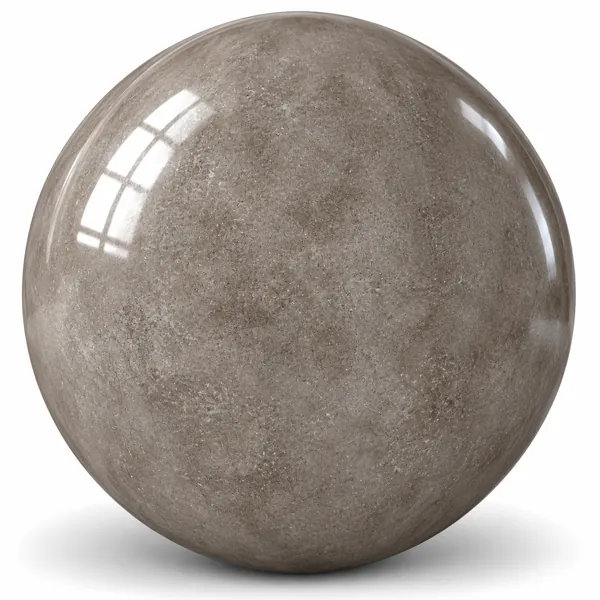
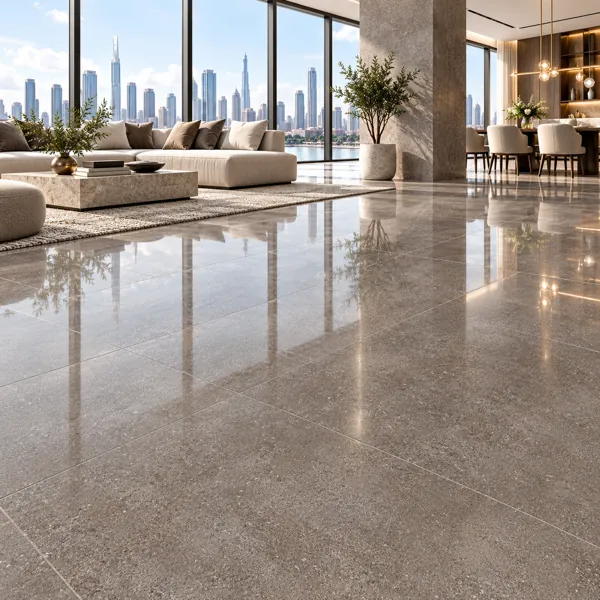
Dark Taupe Fine Mottled Concrete Effect Ceramic Texture
Laruus
Save
Wishlist
Free
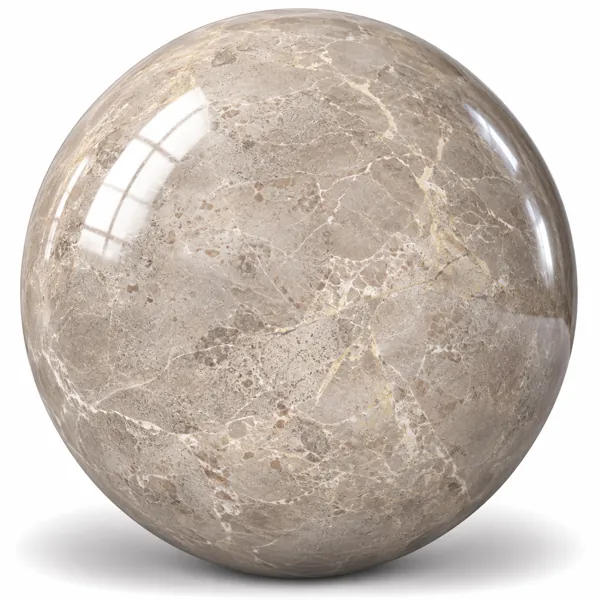
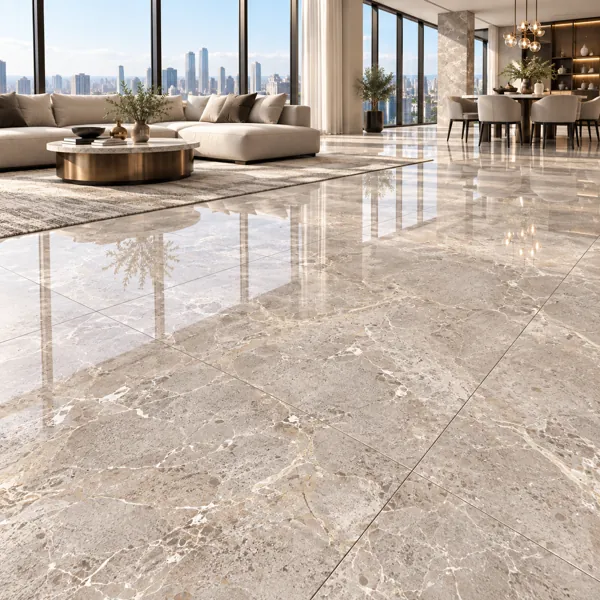
Soft Taupe Beige Fine White Vein Marble Effect Ceramic Texture
Laruus
Save
Wishlist
Free
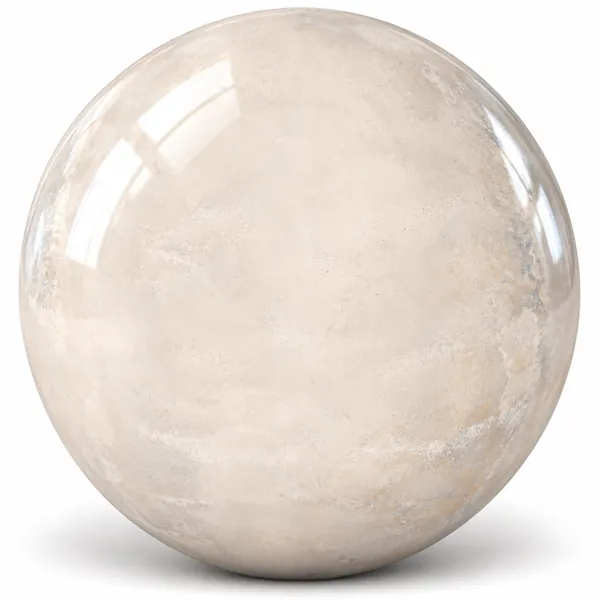
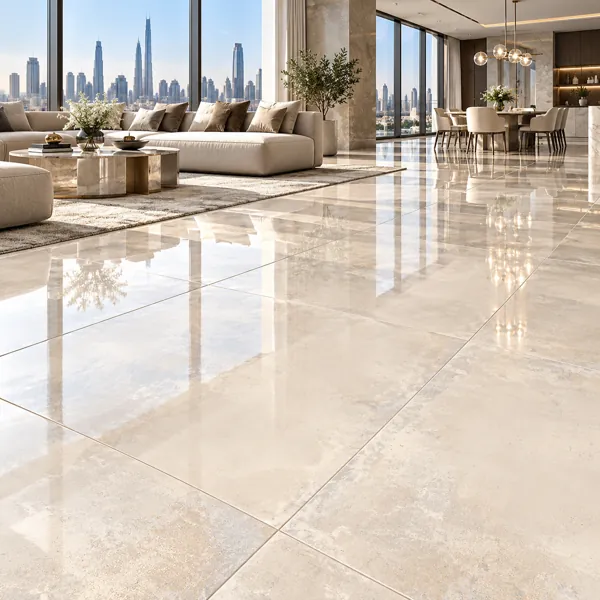
Warm Ivory Washed Concrete Effect Ceramic Texture
Laruus
Save
Wishlist
Free
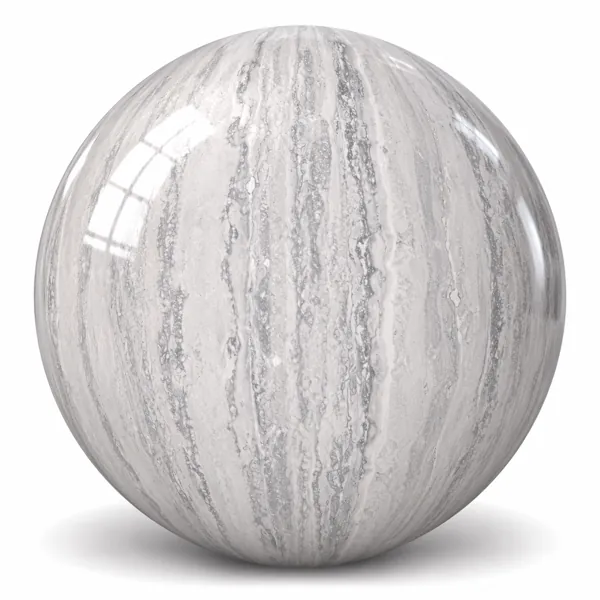
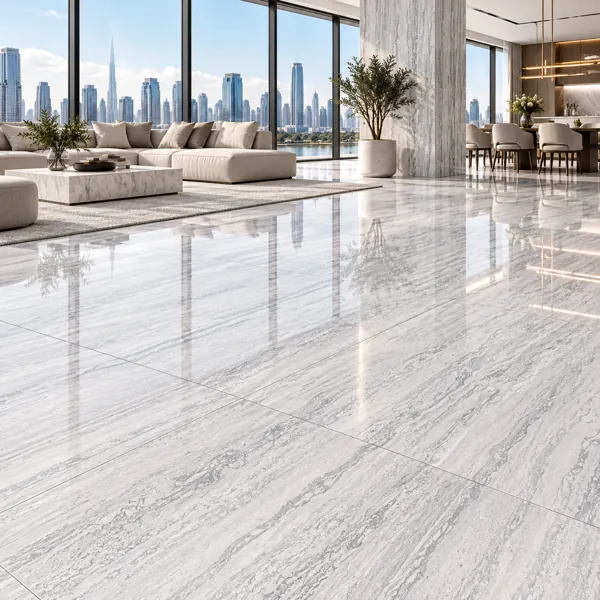
Pearl Grey Linear Travertine Effect Ceramic Texture
Laruus
Save
Wishlist
Free
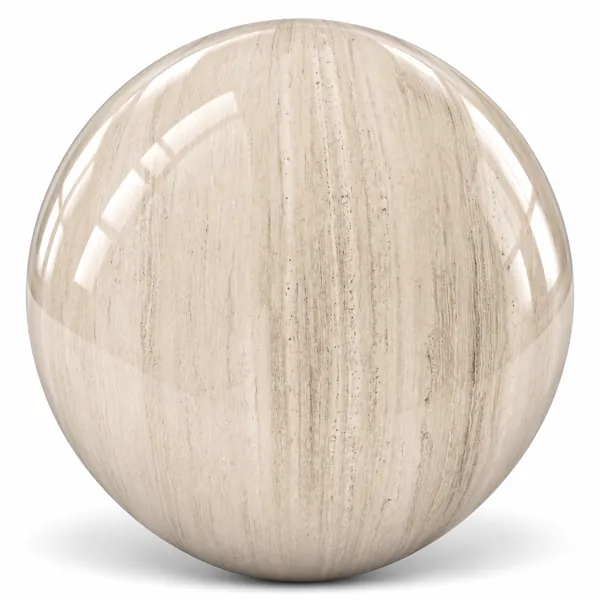
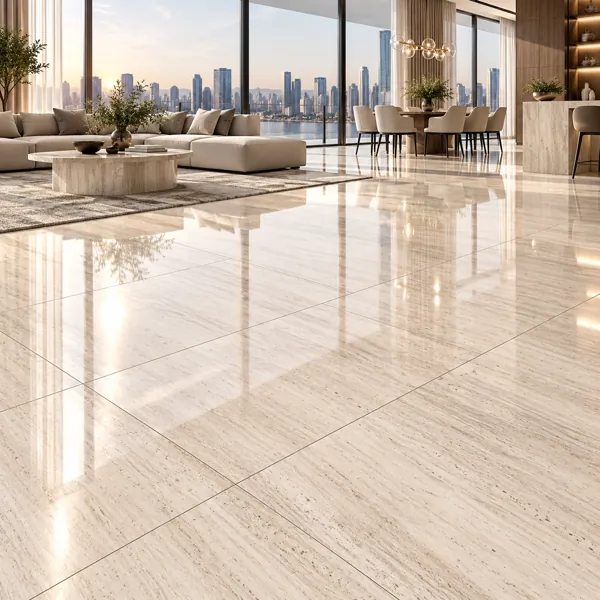
Ivory Beige Vertical Linear Grain Ceramic Texture
Laruus
Save
Wishlist
Ceramic Textures for Architectural Visualization
Ceramic is the surface that most often gives away a rushed bathroom or kitchen render, and almost always for the same two reasons: the tile scale is wrong, and the grout is missing.
Tile scale is a physical measurement, not an aesthetic choice. A wall tile is typically somewhere between a hand's width and a forearm's length, and once the texture is applied at the wrong repeat the entire room loses its sense of size — the space reads as either a doll's house or a warehouse, and no amount of lighting work corrects it. The fastest check is to place a known object, a tap or a basin, against the wall and confirm the tile reads plausibly next to it.
Grout is the second issue. Many ceramic textures are supplied as the tile face alone, which produces a seamless glazed plane with no joint lines — convincing for a large-format slab, wrong for anything else. Where joints are needed and not present in the map set, they are usually better added as geometry or as a separate overlay than painted into the albedo, because a painted joint does not catch light or hold shadow and will read as printed at close range.
The surfaces in this category run from soft speckled clouding through fine white veining to matte, almost concrete-like finishes, in ivory, warm taupe and darker greys. The matte finishes are the more forgiving of the two families; heavily glazed ceramics need something in the environment to reflect and can read as flat plastic in an under-furnished scene.
Each set includes the full PBR complement — diffuse colour, normal, roughness, metallic, height, ambient occlusion, edge and a packed variant. Roughness carries most of the character here. Ceramic is defined by how sharply it reflects, and a uniform roughness value across the surface produces the mirror-flat look that reads as CGI. Even slight variation, particularly following the veining, restores the sense of a fired glaze.
The metallic map is included for completeness and should generally be left at zero for ceramic; it is meaningful only for metallic-glazed variants.
Typical applications are bathroom and kitchen walls, splashbacks, floor tiling and commercial washroom schemes. These surfaces pair naturally with the bathroom fittings and kitchen model categories.