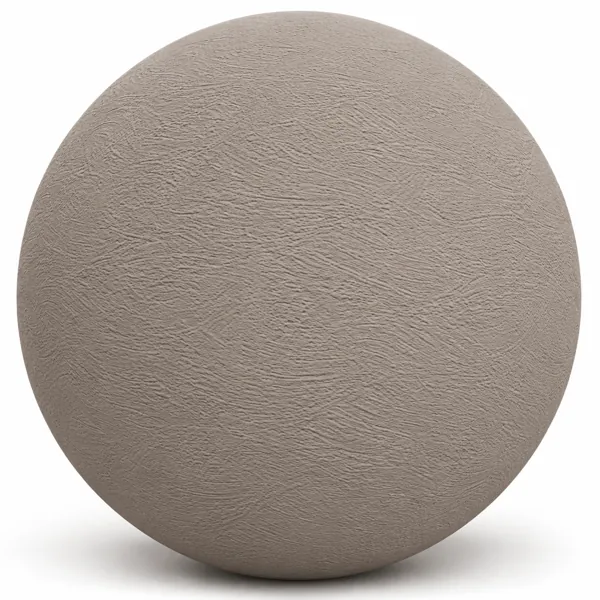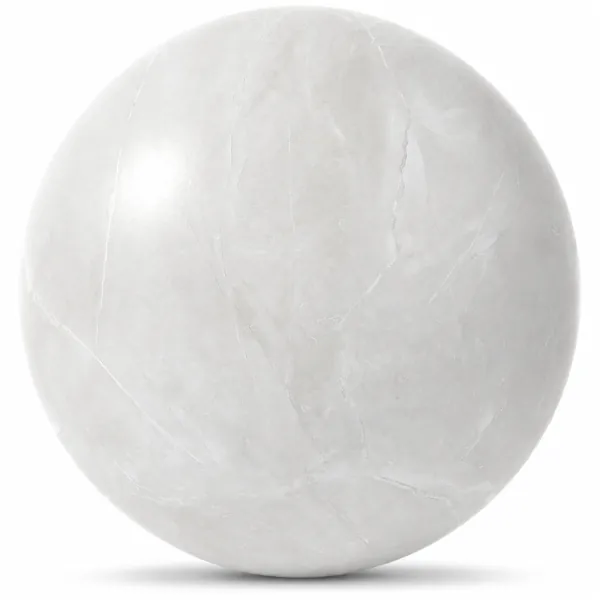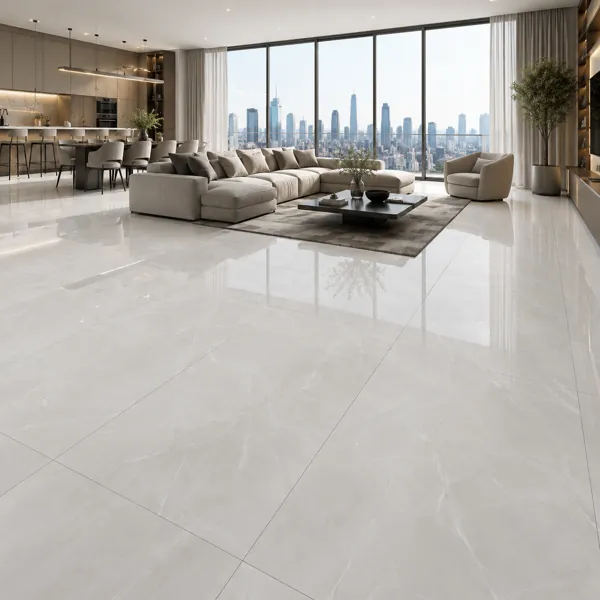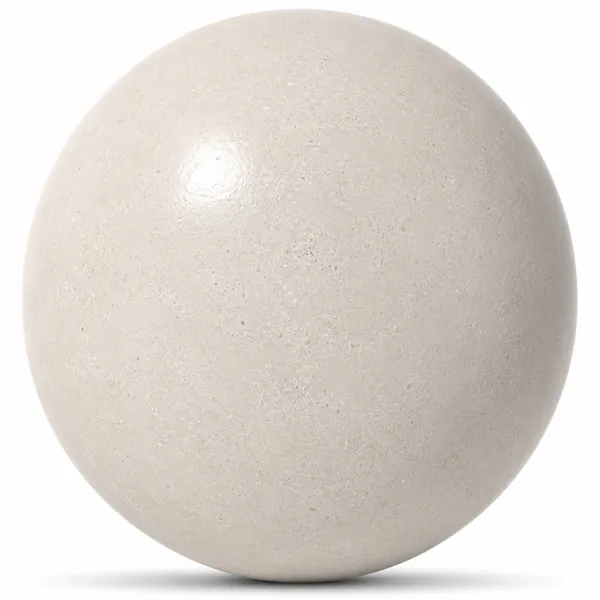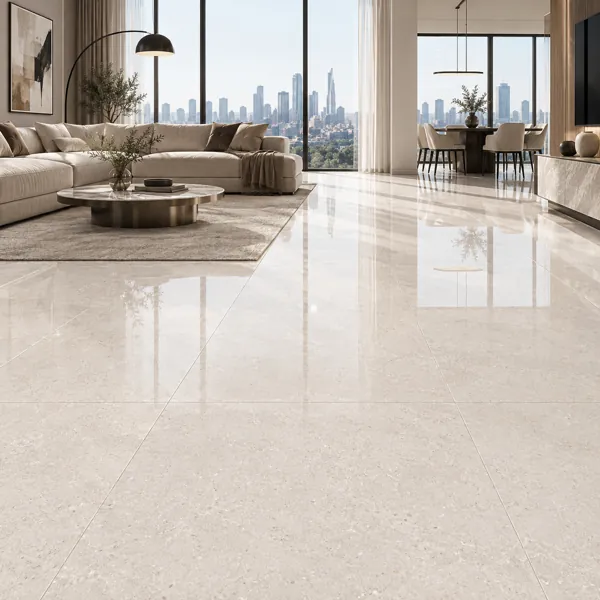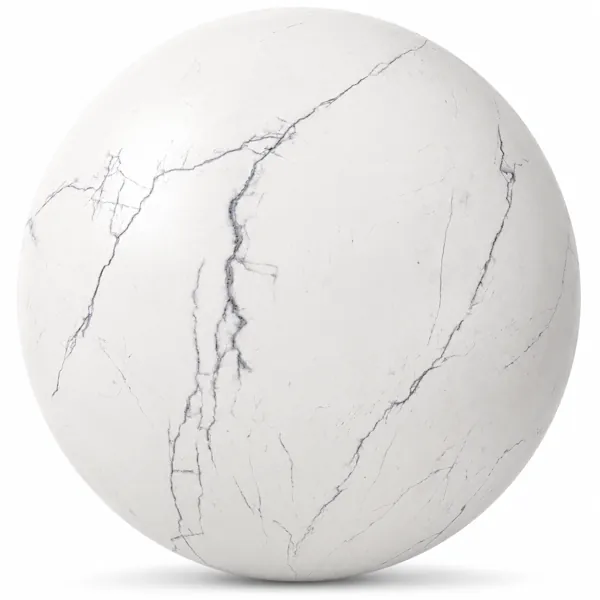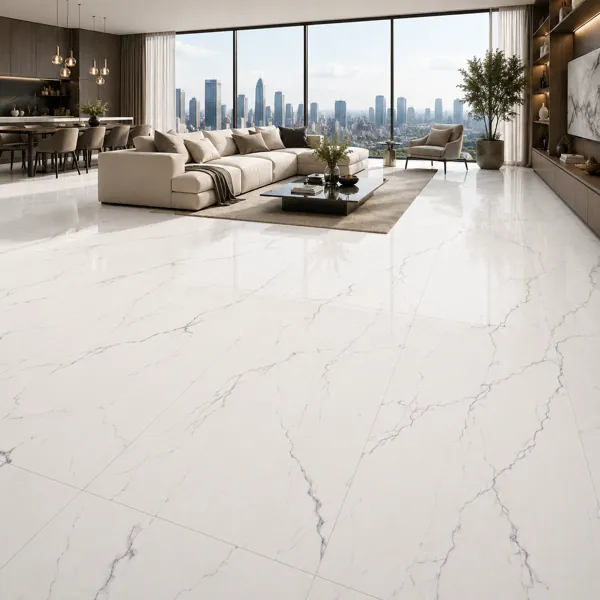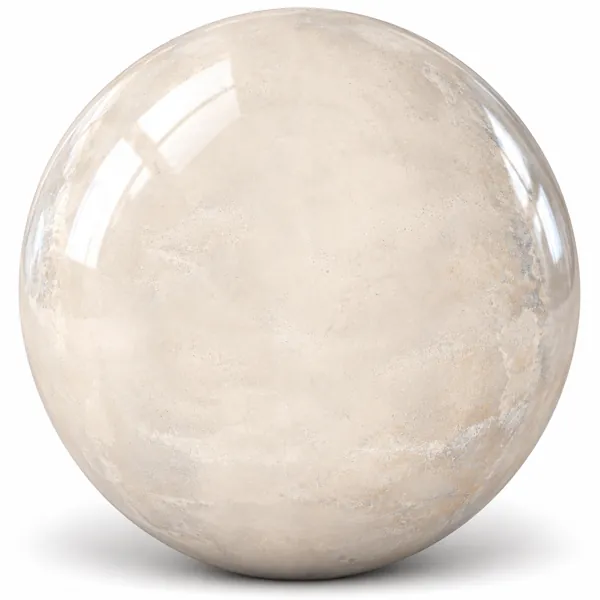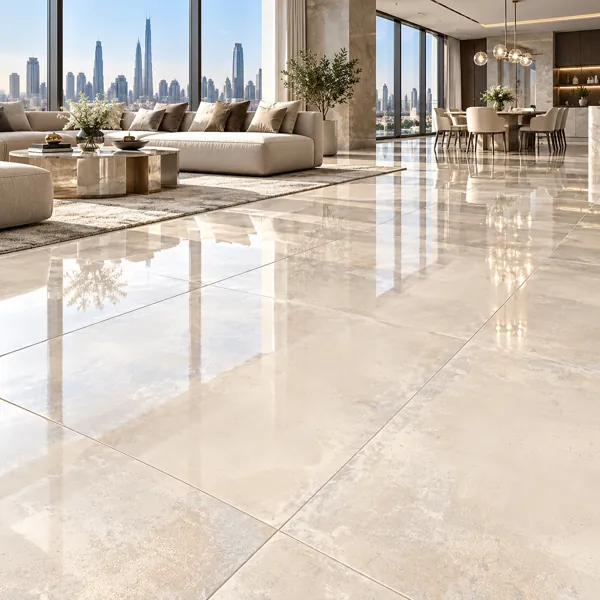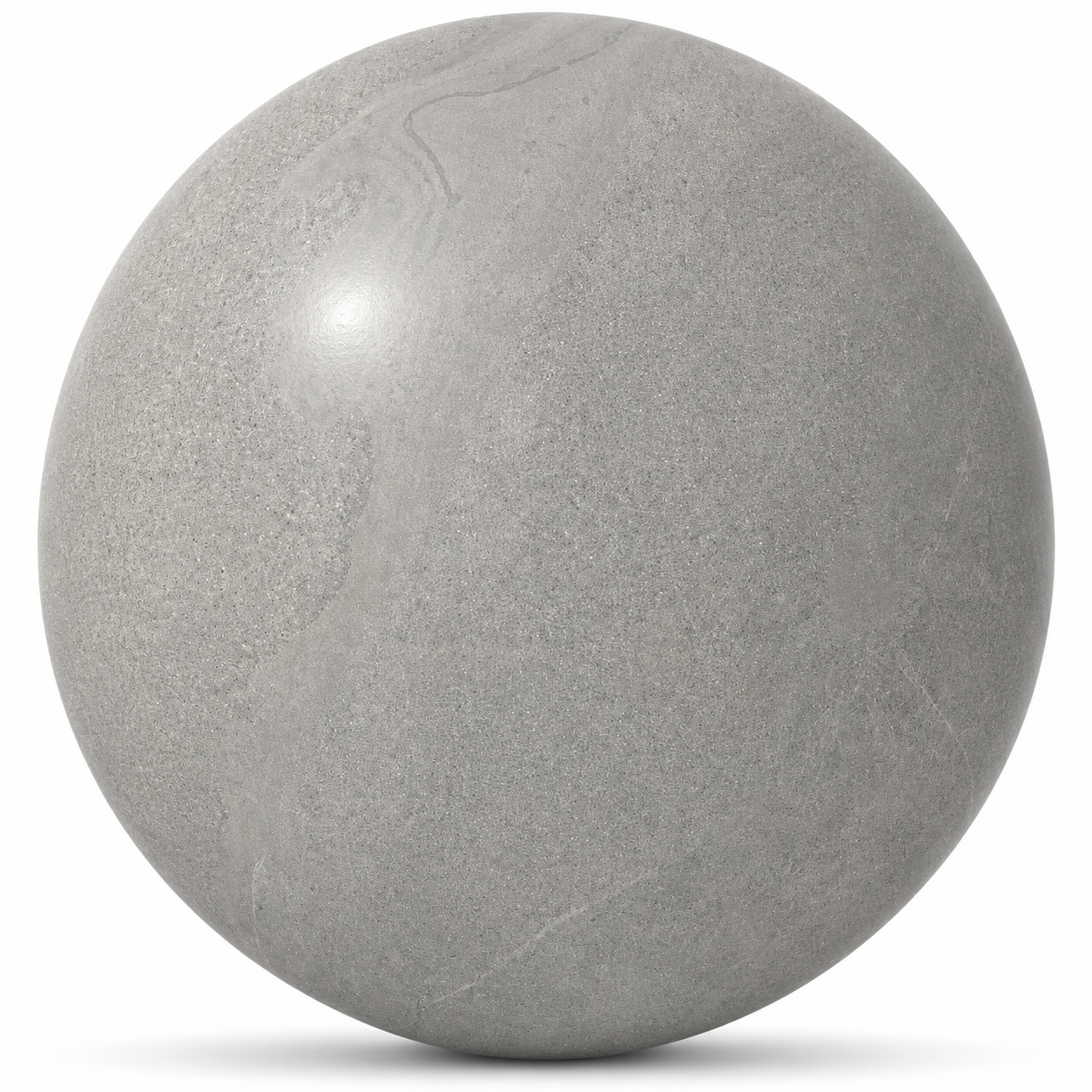
Cool Gray Fine Speckled Flow Ceramic Texture
Ceramic No. 00036
FREE
Specifications
- Brand
- Laruus
- Style
- Modern
- Material
- Ceramic
- Suitable spaces
- Living Room, Bedroom, Office, Cafe, Commercial, Kitchen, Entrance
- Color
- Gray
- File types
- Albedo MapAlpha MapAO MapBump MapDiffuse Color MapEdge MapEmission MapHeight MapMetallic MapNormal MapPacked Texture MapRoughness Map
Cool Gray Fine Speckled Flow Ceramic Texture - High Resolution Seamless PBR Textures
Description
Cool Gray Fine Speckled Flow Ceramic Texture features a medium gray surface defined by dense, fine-grained speckling and broad flowing tonal formations. Rather than using bold veins or sharply contrasting markings, the design relies on subtle shifts between slightly lighter and darker gray areas. A softly curving band is particularly visible toward the upper portion, while faint irregular lines and scattered granular details continue across the surface. This restrained visual movement gives the ceramic texture a contemporary, mineral-inspired character without requiring a specific natural stone identification that cannot be confirmed from the image.
The visible material structure combines a consistent gray base with extremely fine light and dark particles distributed throughout the surface. Larger tonal zones interrupt this granular field with smooth, organic transitions, creating variation at both close and medium viewing distances. Fine linear marks are also present in selected areas, but they remain secondary to the speckled appearance. The image does not reliably establish physical tile dimensions, thickness, manufacturing method, gloss level, or exact surface relief, so these characteristics should not be inferred. When applied to 3D geometry, texture scale should therefore be adjusted according to the dimensions of the modeled surface and the intended prominence of the granular pattern.
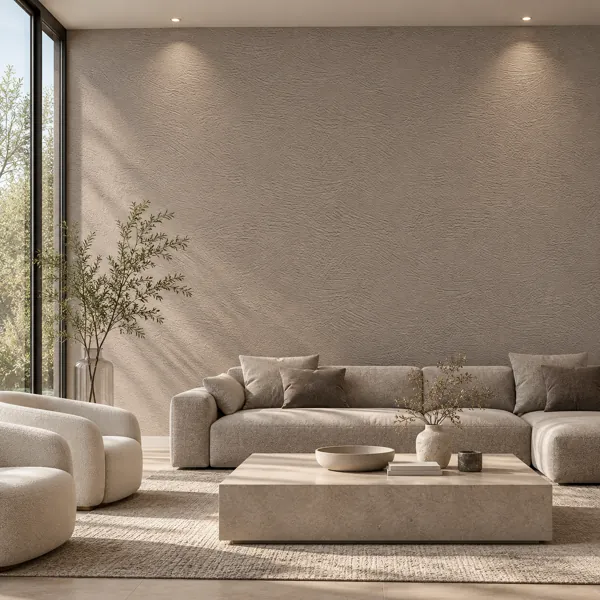
The neutral gray palette makes this ceramic material suitable for Living Room, Bedroom, Office, Cafe, Commercial, Kitchen, and Entrance environments. It can support visualizations of wall coverings, flooring, kitchen surfaces, reception areas, feature panels, counters, and other architectural applications where a calm gray finish is appropriate. Its restrained pattern works particularly well in modern interiors because it introduces visual texture without creating an overly dominant background. The surface can be paired with Wood for warmer contrast, Metal for a more architectural composition, or Glass and monochromatic furnishings for restrained contemporary schemes.
For architectural visualization and CGI workflows, the supplied texture set provides multiple maps for constructing a detailed PBR material in 3ds Max and other compatible applications. Available files include Albedo Map, Alpha Map, AO Map, Bump Map, Diffuse Color Map, Edge Map, Emission Map, Height Map, Metallic Map, Normal Map, Packed Texture Map, and Roughness Map. Depending on the chosen Renderer and Shader workflow, these maps can contribute to color definition, surface variation, shading response, relief, and other material properties. Map connections, strengths, and interpretation should be configured according to the specific rendering pipeline rather than treated as universal settings.
Within an interior design palette, this gray ceramic texture provides a useful midpoint between plain monochrome surfaces and strongly patterned decorative materials. Its fine speckling prevents broad areas from appearing visually flat, while the soft flowing bands introduce enough movement to create recognizable surface character. The cool gray appearance can complement minimalist kitchens, contemporary offices, restrained residential interiors, hospitality settings, and commercial spaces. Because the pattern remains relatively quiet, furniture, lighting, artwork, and architectural forms can retain visual priority while the ceramic contributes depth and material variation in the background.
For rendering, careful UV mapping and realistic texture scaling are important for maintaining believable proportions in both wide shots and close-up material studies. Bump Map, Normal Map, Height Map, and Roughness Map intensity should be tuned to the intended camera distance and lighting conditions. The visible image alone does not establish the true physical depth of its fine marks or granular structure, so exaggerated displacement should not be assumed. With appropriate mapping and PBR configuration, the texture can support interior CGI, architectural visualization, product scenes, material studies, and large modeled surfaces while retaining its distinctive cool gray, finely speckled, softly flowing appearance.
Frequently asked questions
Is this texture free?
Yes. You can download it with a free Laruus account. Free textures are limited to 5 downloads per day.
Which software can I use this texture in?
The maps are standard image files, so they work in any renderer with PBR materials, such as Corona or V-Ray in 3ds Max, Blender, SketchUp with V-Ray or Enscape, and Unreal Engine.
What do I get when I download it?
A 54.7 MB download. It was added to Laruus on August 17, 2026.
Which spaces is it suitable for?
It suits Living Room, Bedroom, Office, Cafe, Commercial, Kitchen, and Entrance projects. Style: Modern.
Are there 3D models that use this material?
Yes. Laruus has 3D models in the same material:
- Ceramic — 23Browse Bathtub (9)