
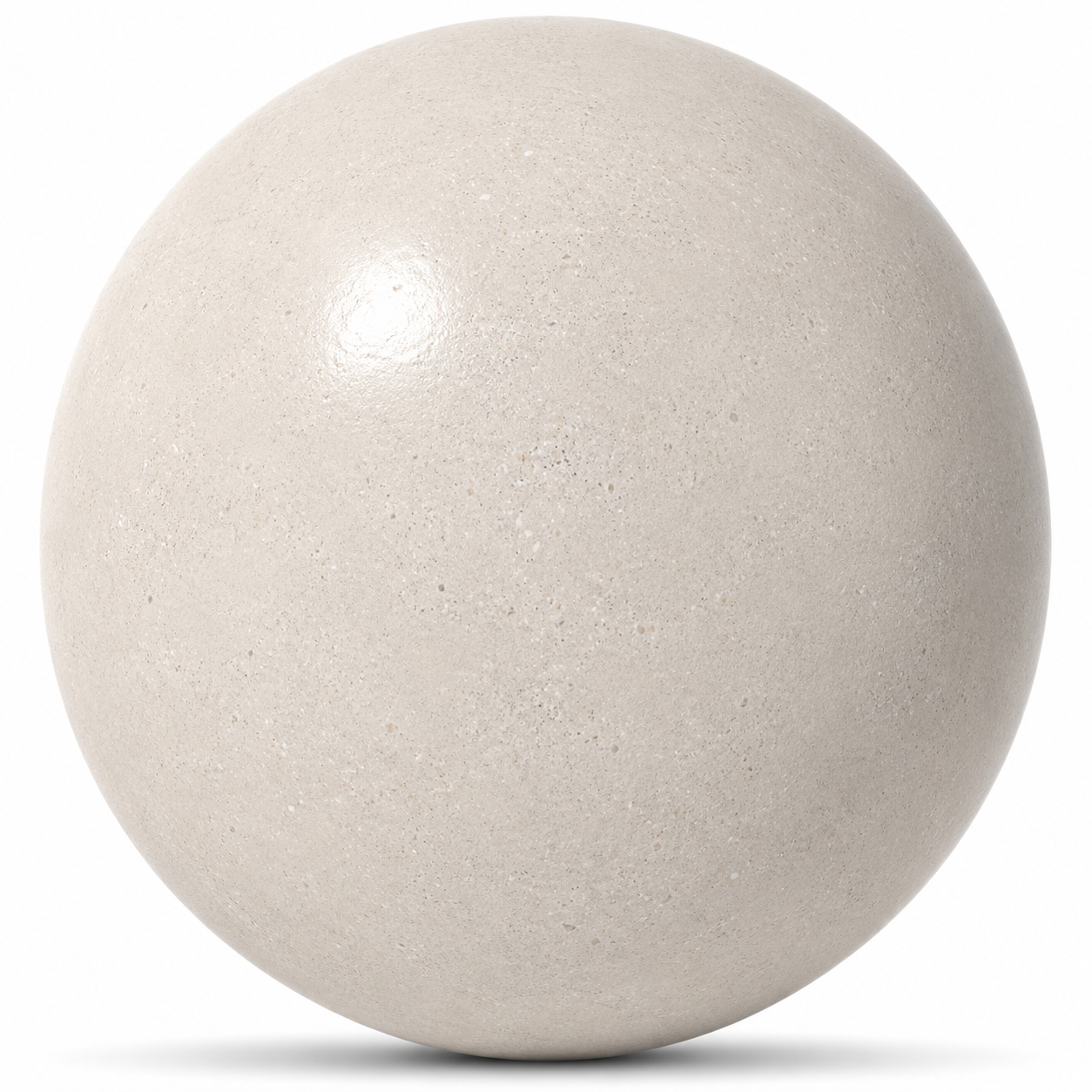
Warm Beige Fine Speckled Ceramic Texture
Ceramic No. 00039
FREE
Specifications
- Brand
- Laruus
- Style
- Modern
- Material
- Ceramic
- Suitable spaces
- Living Room, Bedroom, Office, Cafe, Commercial, Kitchen, Entrance, Balcony
- Color
- BeigeWhite
- File types
- Albedo MapAlpha MapAO MapBump MapDiffuse Color MapEdge MapEmission MapHeight MapMetallic MapNormal MapPacked Texture MapRoughness Map
Warm Beige Fine Speckled Ceramic Texture - High Resolution Seamless PBR Textures
Description
Warm Beige Fine Speckled Ceramic Texture features a softly variegated beige surface enriched with small white, cream, tan, and muted gray speckles. The restrained pattern gives the ceramic a mineral-inspired appearance without strong veins, directional bands, or dramatic color changes. Its warm neutral base and finely dispersed granular details create a calm modern character that can complement both minimal interiors and material-rich architectural compositions. Unlike heavily patterned marble-look ceramics, this design remains visually quiet across broad areas, making the subtle speckling its most recognizable distinguishing feature.
The surface is identified as Ceramic, while its visual character suggests the understated appearance commonly associated with fine aggregate, limestone-inspired, or lightly granular architectural finishes. These references describe only its visible design rather than its physical composition. The image shows irregularly distributed micro-speckles and gentle cloudy tonal variation across a predominantly beige field. No reliable physical tile dimensions, thickness, manufacturing process, gloss level, or actual relief depth can be determined from the supplied image. When applied to a 3D object, texture scale should therefore be adjusted according to the modeled surface and the intended size of the visible granular details.
This neutral ceramic texture is suitable for Living Room, Bedroom, Office, Cafe, Commercial, Kitchen, Entrance, and Balcony environments. It can work across floors, wall coverings, kitchen surfaces, reception areas, retail interiors, hospitality spaces, feature panels, and other architectural applications where a restrained warm material is required. The low-contrast pattern makes it especially useful on large surfaces because it adds visual texture without dominating furniture, lighting, or architectural forms. Its beige and off-white appearance can coordinate naturally with Wood, Metal, Glass, darker neutral finishes, and monochromatic interior palettes.
For archviz and CGI workflows, the available texture set includes Albedo Map, Alpha Map, AO Map, Bump Map, Diffuse Color Map, Edge Map, Emission Map, Height Map, Metallic Map, Normal Map, Packed Texture Map, and Roughness Map. These maps provide flexible inputs for constructing a PBR material in 3ds Max and other compatible 3D applications. Their exact channel connections, intensity values, and interpretation should be configured according to the Renderer, Shader, and material workflow being used rather than treated as universal settings.
Within interior visualization, the fine speckled pattern offers an effective middle ground between completely plain ceramic and strongly veined decorative surfaces. At wider camera distances, the material reads primarily as a warm beige plane with gentle tonal movement. In closer views, the scattered light and dark particles become more visible and help break up otherwise uniform areas. This behavior makes the texture useful for contemporary kitchens, calm living spaces, commercial interiors, cafes, and minimalist environments where material variation should remain subtle rather than becoming the primary visual focus.
For rendering, careful UV Mapping and realistic texture scaling are important for maintaining believable proportions in the fine granular pattern. Bump Map, Normal Map, Height Map, and Roughness Map strength should be tested against camera distance, lighting direction, and the desired ceramic response. The source image alone does not establish how deep the visible particles or tonal variations are physically, so pronounced displacement should not be assumed without additional reference data. With appropriate PBR setup, the texture can support architectural visualization, interior CGI, product scenes, material studies, and close-up surface renders while retaining its distinctive warm beige color and finely speckled appearance.
Frequently asked questions
Is this texture free?
Yes. You can download it with a free Laruus account. Free textures are limited to 5 downloads per day.
Which software can I use this texture in?
The maps are standard image files, so they work in any renderer with PBR materials, such as Corona or V-Ray in 3ds Max, Blender, SketchUp with V-Ray or Enscape, and Unreal Engine.
What do I get when I download it?
A 39.3 MB download. It was added to Laruus on August 17, 2026.
Which spaces is it suitable for?
It suits Living Room, Bedroom, Office, Cafe, Commercial, Kitchen, Entrance, and Balcony projects. Style: Modern.
Are there 3D models that use this material?
Yes. Laruus has 3D models in the same material:
- Ceramic — 23Browse Bathtub (9)
You might also like
Similar products
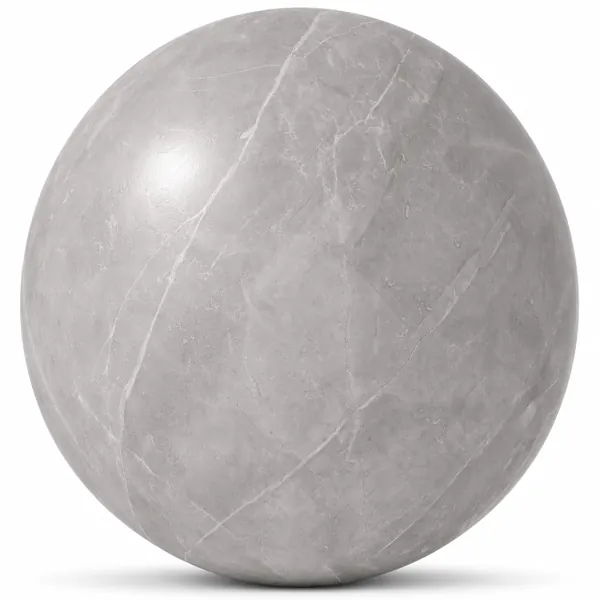
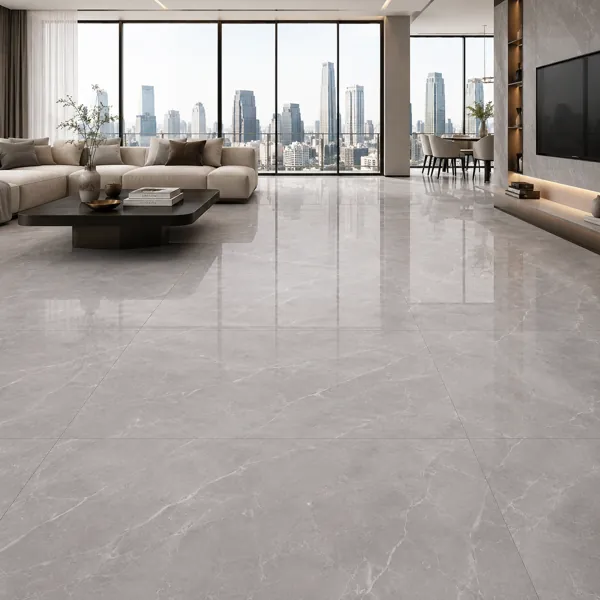
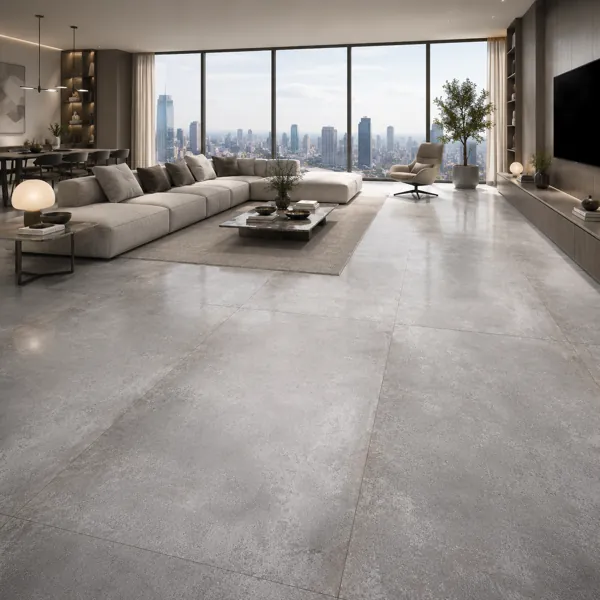
Diagonal White Veining Pale Gray Ceramic Texture
Laruus
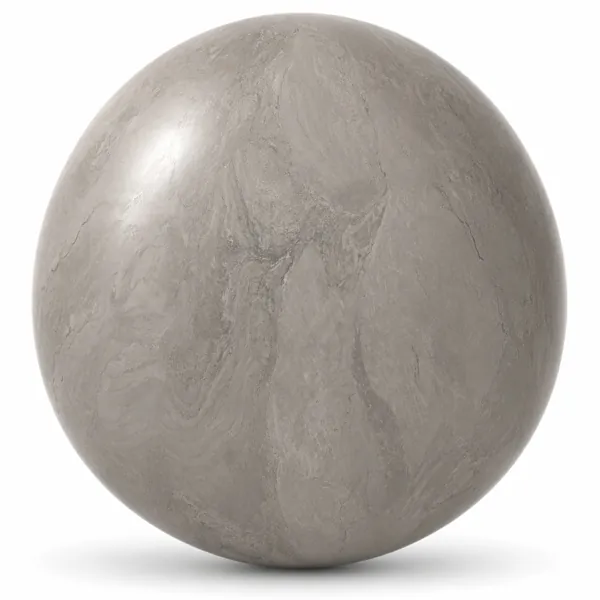
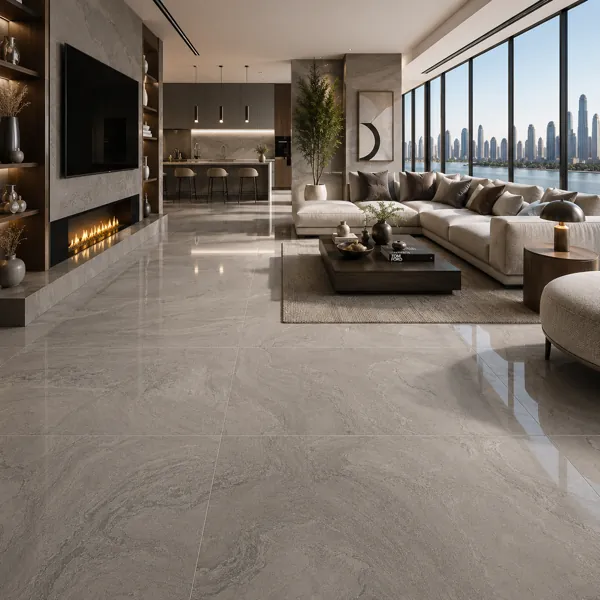
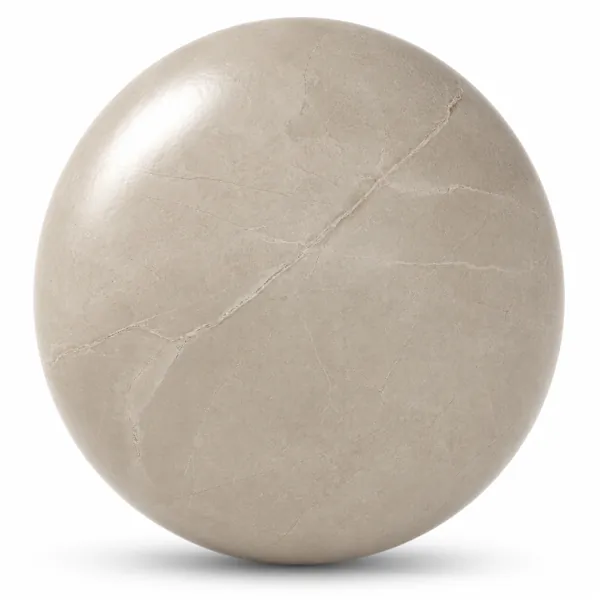
Warm Gray Ceramic Texture – Soft Flowing Veins Texture
Laruus
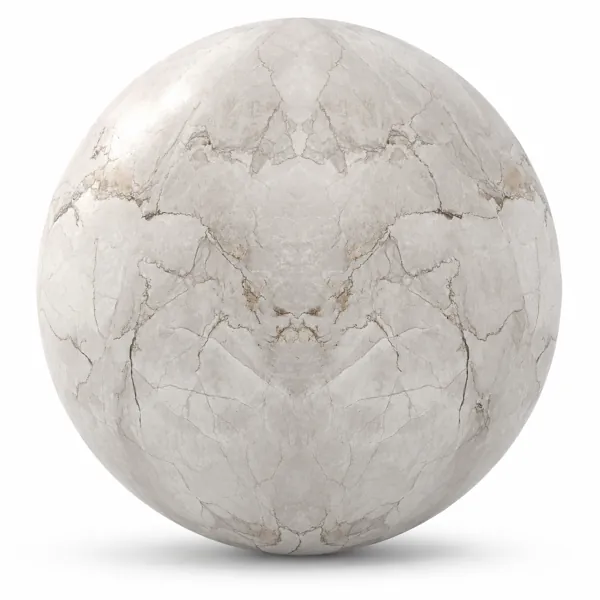
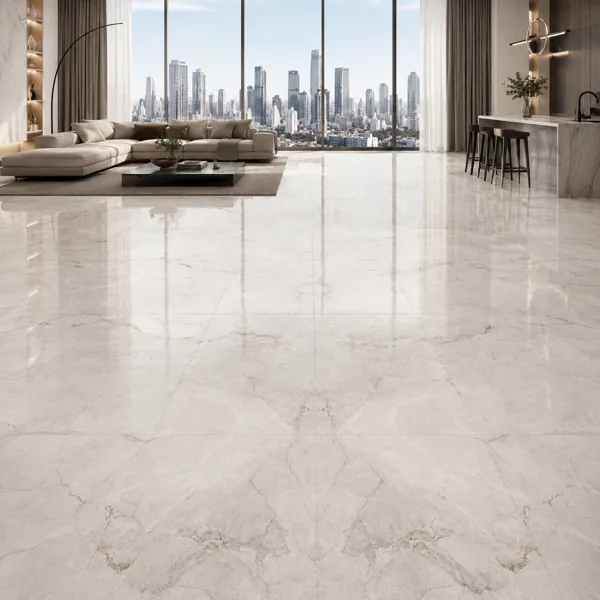
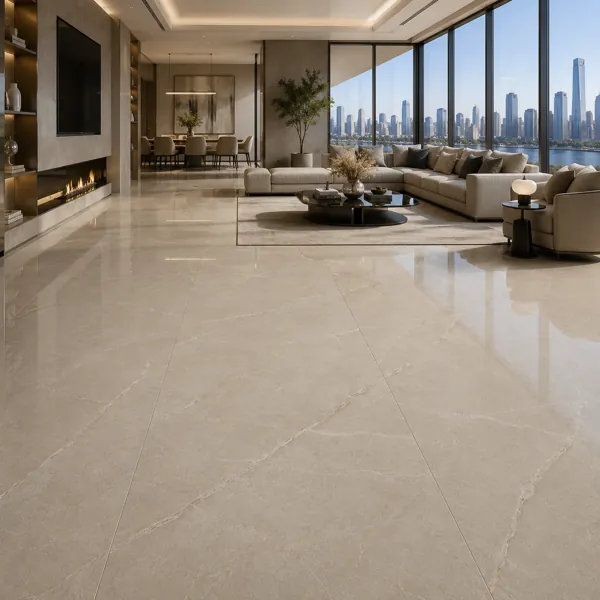
Ivory Ceramic Texture – Symmetrical Taupe Fracture Veins Texture
Laruus
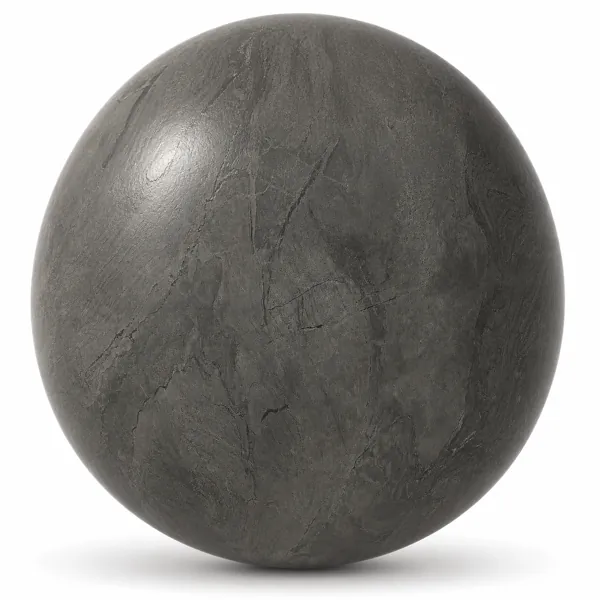
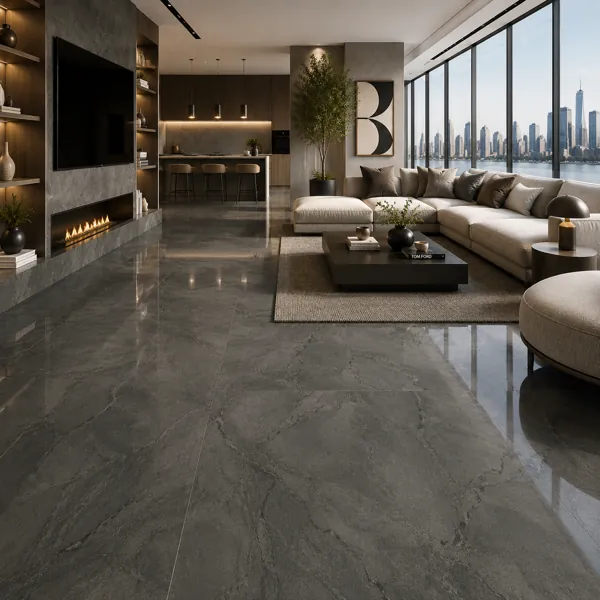
Dark Gray Ceramic Texture – Fine Linear Veining Texture
Laruus