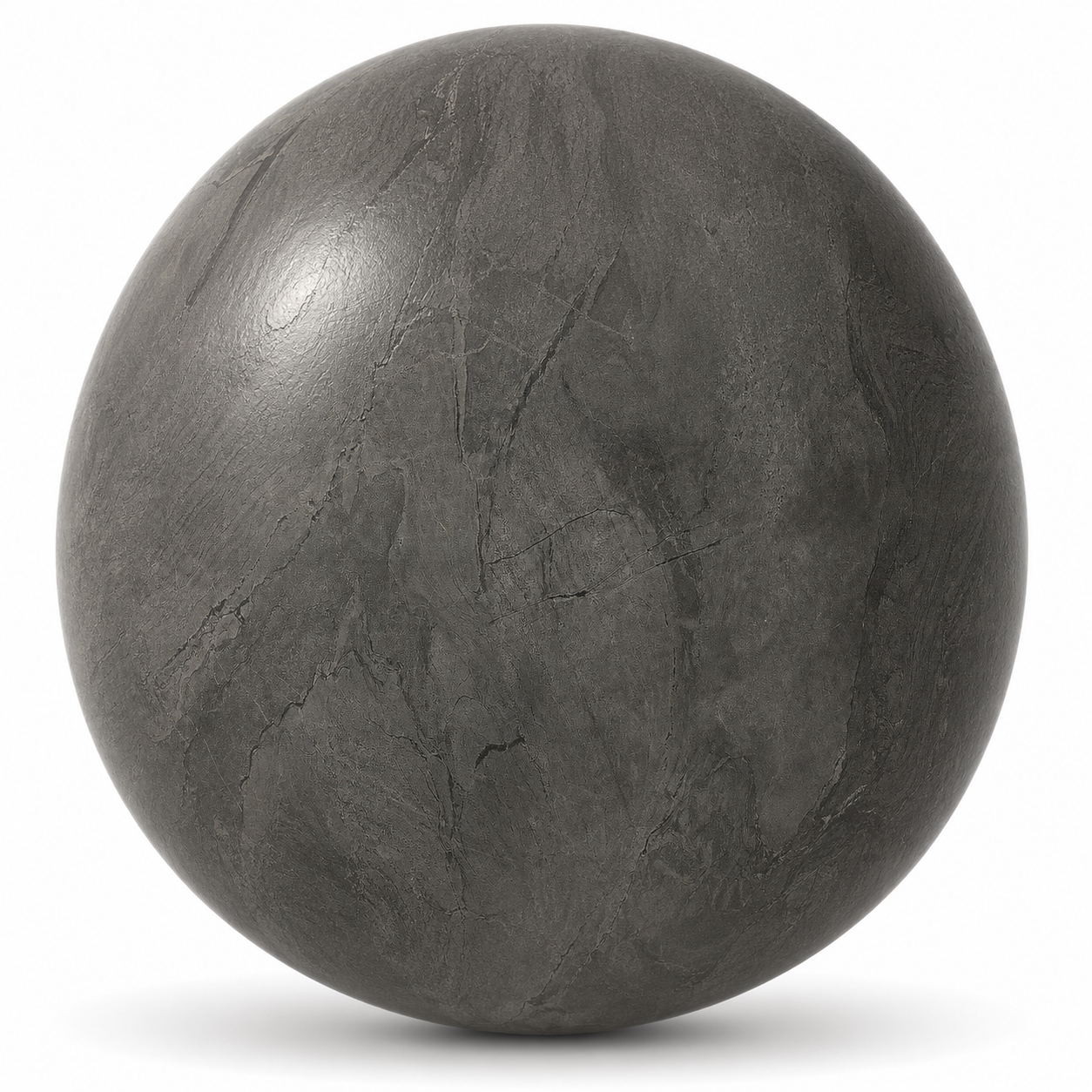
Dark Gray Ceramic Texture – Fine Linear Veining Texture
Ceramic No. 00018
FREE
Specifications
- Brand
- Laruus
- Style
- Modern
- Material
- Ceramic
- Suitable spaces
- Living Room, Bedroom, Office, Cafe, Commercial, Kitchen, Entrance
- Color
- GrayBlack
- File types
- Albedo MapAlpha MapAO MapBump MapDiffuse Color MapEdge MapEmission MapHeight MapMetallic MapNormal MapPacked Texture MapRoughness Map
Subtle Veins, Charcoal Depth High Resolution Seamless PBR Textures
Description
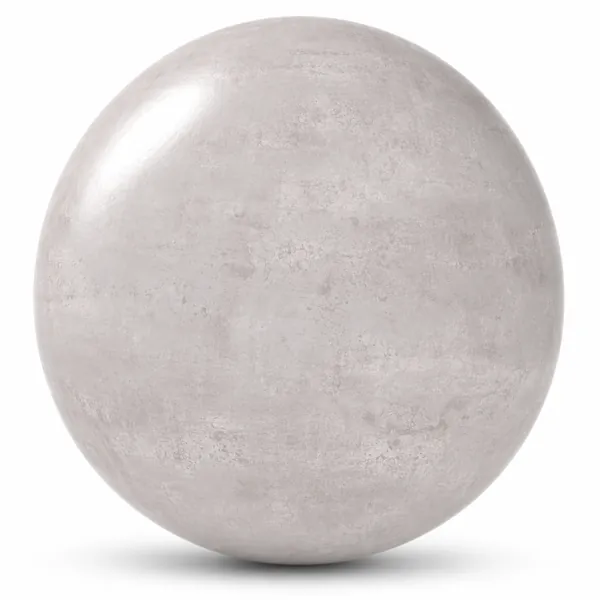
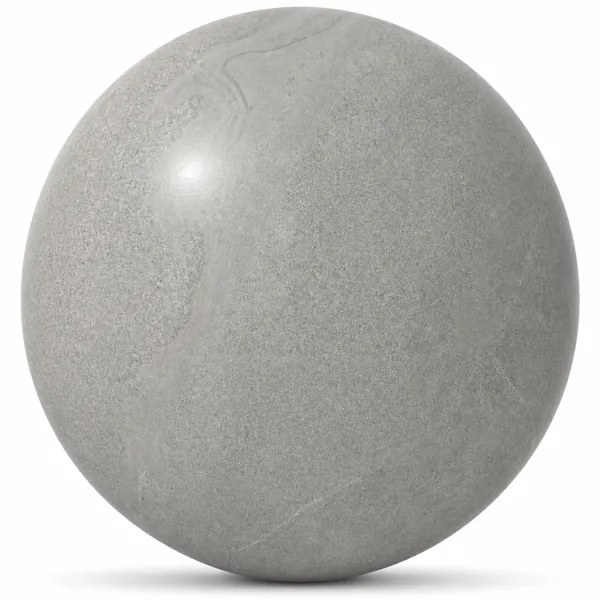
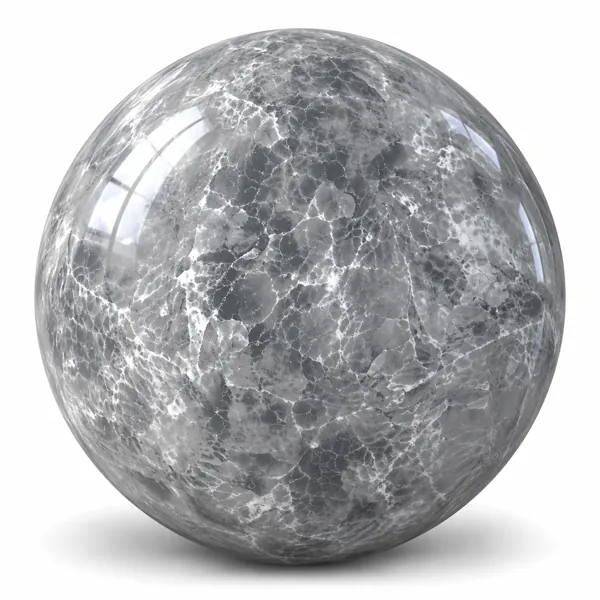
Dark gray ceramic material defined by a charcoal-toned base, fine linear veining, and restrained tonal variation across the surface. The pattern is subtle rather than decorative, combining narrow darker lines, faint branching marks, and softly mottled areas that prevent the material from appearing completely uniform. This understated visual structure gives the ceramic a modern, architectural character suited to interiors where a dark neutral surface is needed without the stronger movement of heavily patterned stone or marble-inspired finishes.
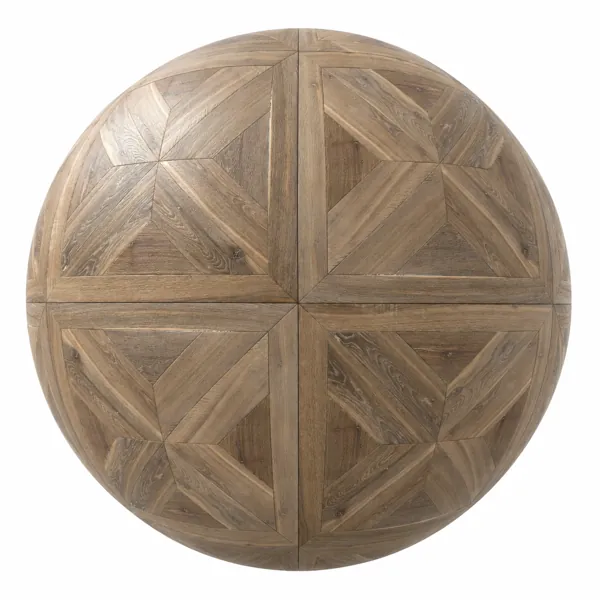
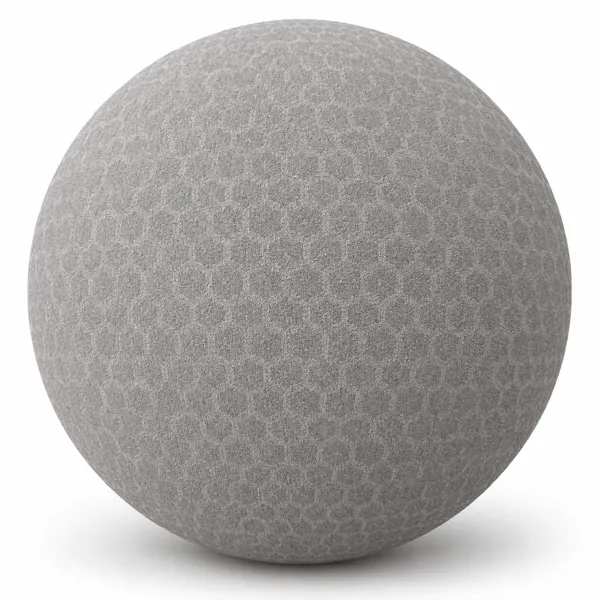
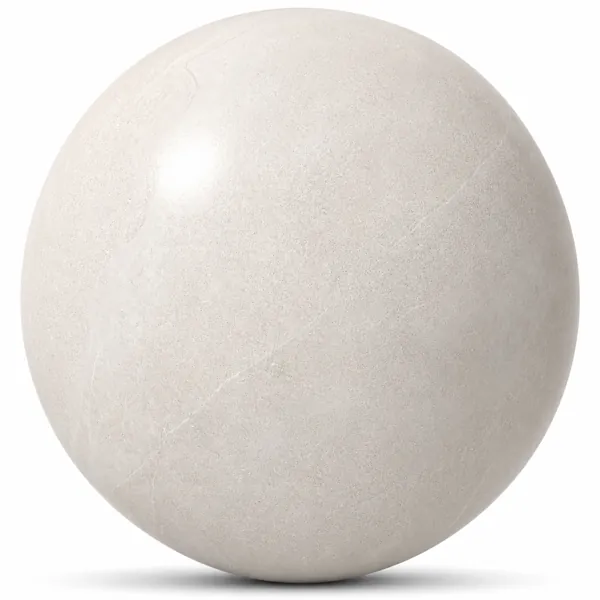
The spherical preview shows a smooth but not perfectly featureless surface, with a broad soft highlight indicating moderate reflectivity. Visually, the finish sits between matte and polished, reading more like a satin or softly glossy ceramic under controlled lighting. Fine lines travel in multiple directions, with several longer vertical and diagonal traces accompanied by smaller irregular fractures and subtle tonal transitions. The preview does not provide reliable information about real-world dimensions, tile or slab format, thickness, manufacturing method, mapping scale, or physical surface depth, so these properties should be established according to the final application rather than inferred from the image.
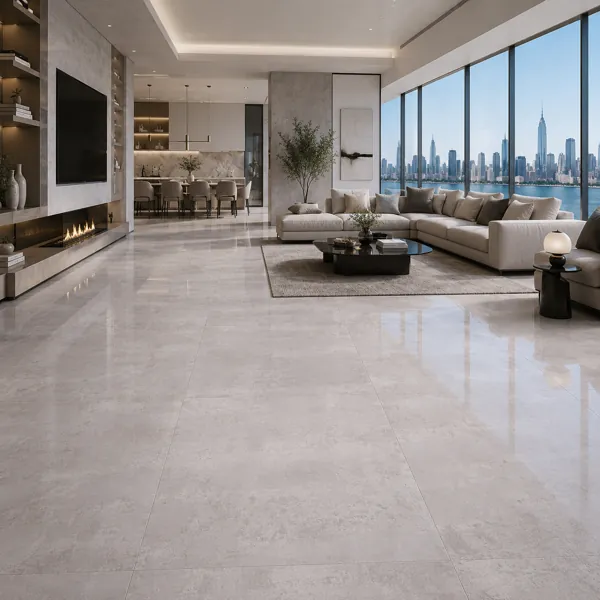
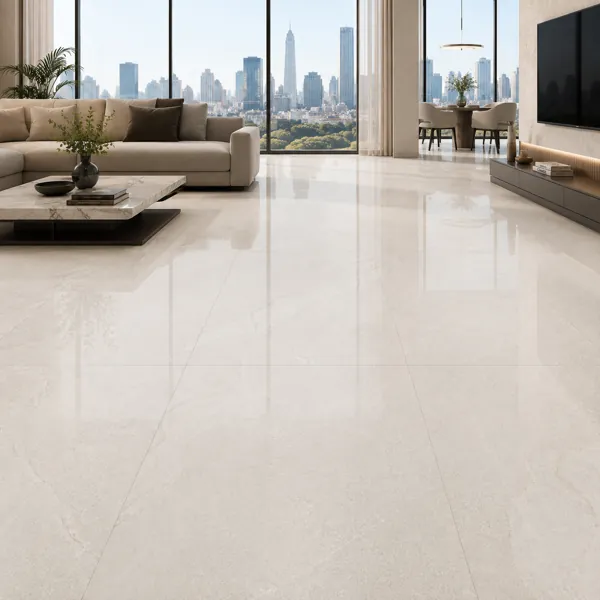
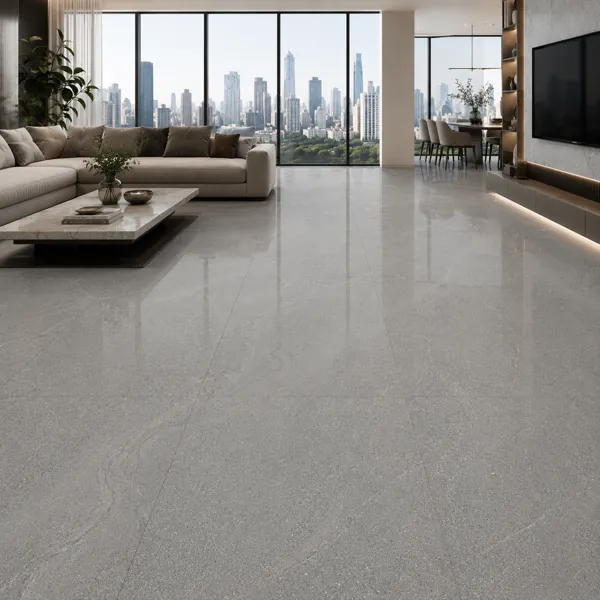
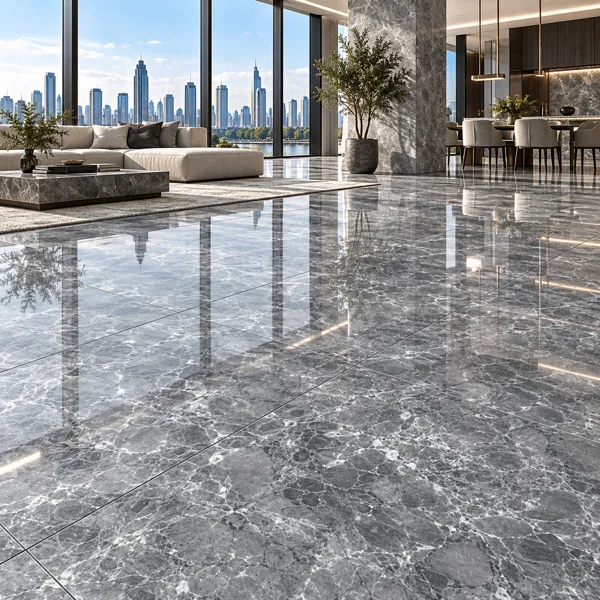
This dark gray ceramic texture can work across living rooms, bedrooms, offices, cafes, kitchens, entrances, and commercial interiors where a restrained hard-surface material is appropriate. It may be used conceptually on wall panels, ceramic cladding, counters, furniture surfaces, decorative architectural elements, or other solid surfaces depending on the model and UV setup. Its neutral charcoal palette pairs naturally with wood, metal, glass, light stone, warm beige finishes, and monochrome schemes, making it adaptable to modern interiors that rely on material contrast instead of bold ornament.
For architectural visualization and CGI, the fine linear veining provides enough variation to keep broad dark surfaces visually readable without introducing an aggressive pattern. In close and medium-distance renders, the narrow lines and subdued mottling can help break up uniform shading and add material identity. Because some of the visible marks have a directional flow, mapping orientation should be checked when the texture is applied to large or prominent surfaces. In Corona Renderer scenes, controlled highlights can reveal the subtle surface character while preserving the darker charcoal base and fine vein structure.
From an interior design perspective, the material is well suited to contemporary and minimalist environments where quiet texture supports the overall composition. The dark gray tone can add visual weight to a space, while the fine irregular lines keep the surface from feeling flat or digitally sterile. On larger architectural planes, the restrained pattern can create depth without becoming the dominant feature; on smaller elements, it can provide a consistent dark accent alongside lighter finishes, natural wood tones, or metallic details.
This asset is categorized as a ceramic texture and presented as a model-type product for 3D visualization. The supplied workflow information specifies 3ds Max and Corona Renderer. Use the preview as the primary visual reference for color, vein direction, tonal variation, and reflectivity, then verify scale and mapping in the final scene. No file extensions, texture resolution, PBR map configuration, seamless tiling capability, UV method, polygon count, scan origin, or physical dimensions are provided, so those technical properties should be confirmed from the actual asset rather than assumed.
Frequently asked questions
Is this texture free?
Yes. You can download it with a free Laruus account. Free textures are limited to 5 downloads per day.
Which software can I use this texture in?
The maps are standard image files, so they work in any renderer with PBR materials, such as Corona or V-Ray in 3ds Max, Blender, SketchUp with V-Ray or Enscape, and Unreal Engine.
What do I get when I download it?
A 4.3 MB download. It was added to Laruus on June 24, 2026.
Which spaces is it suitable for?
It suits Living Room, Bedroom, Office, Cafe, Commercial, Kitchen, and Entrance projects. Style: Modern.
Are there 3D models that use this material?
Yes. Laruus has 3D models in the same material:
- Ceramic — 23Browse Bathtub (9)