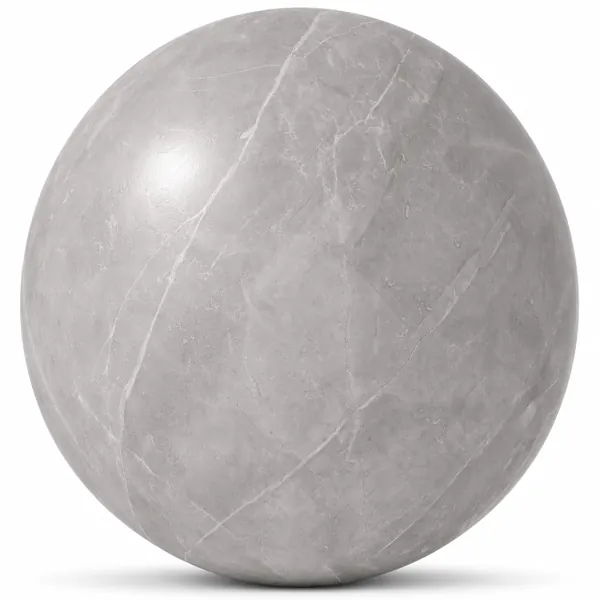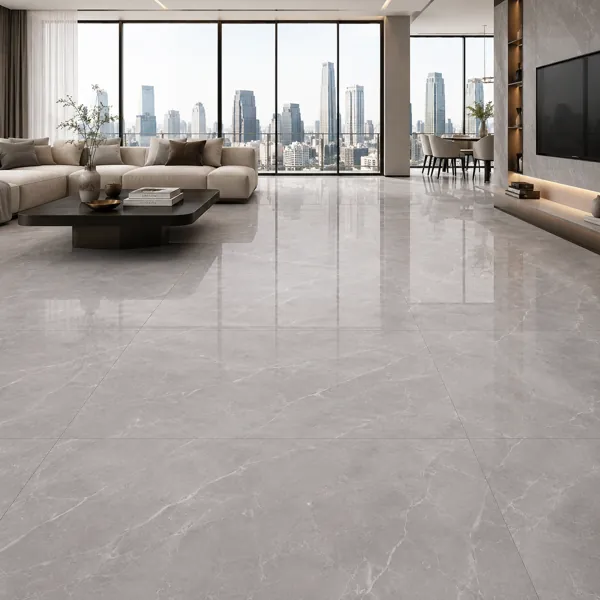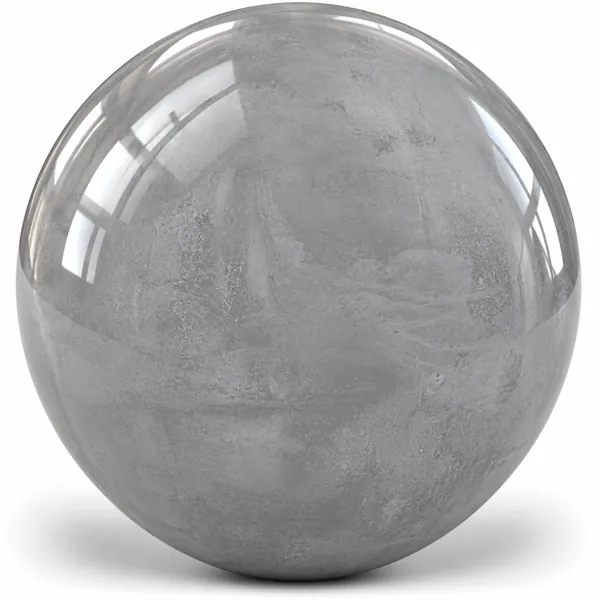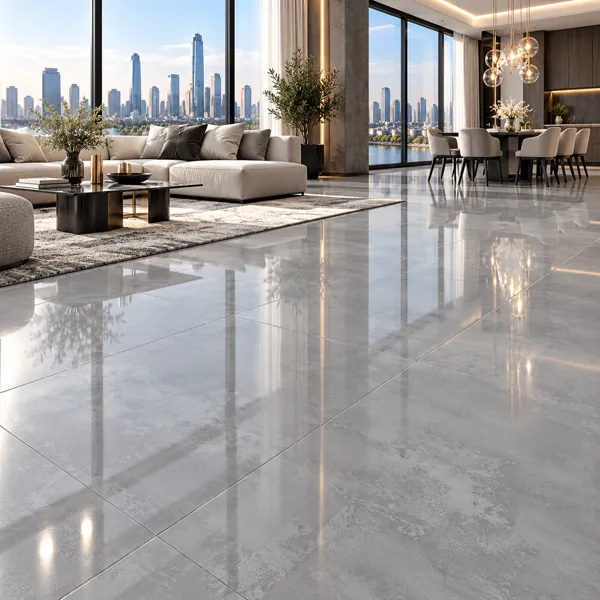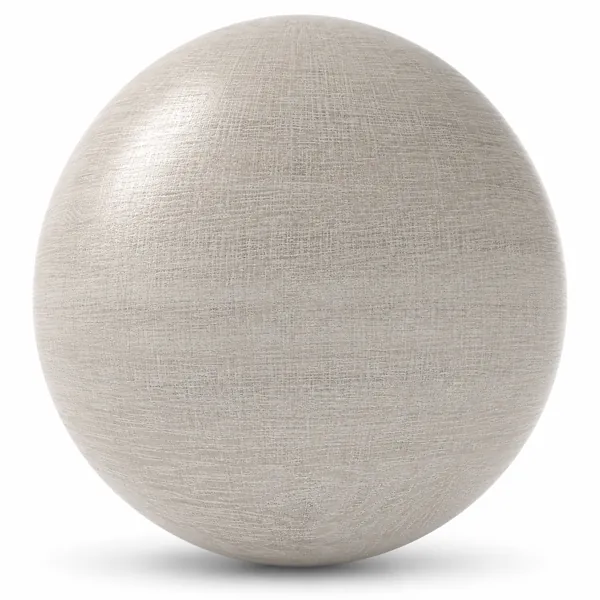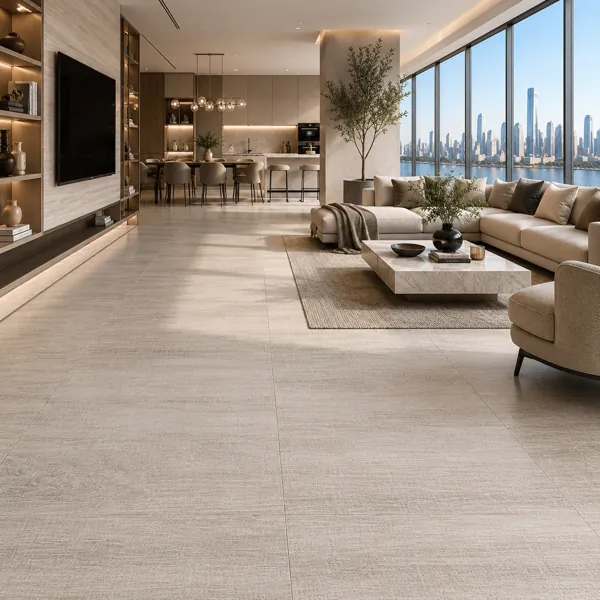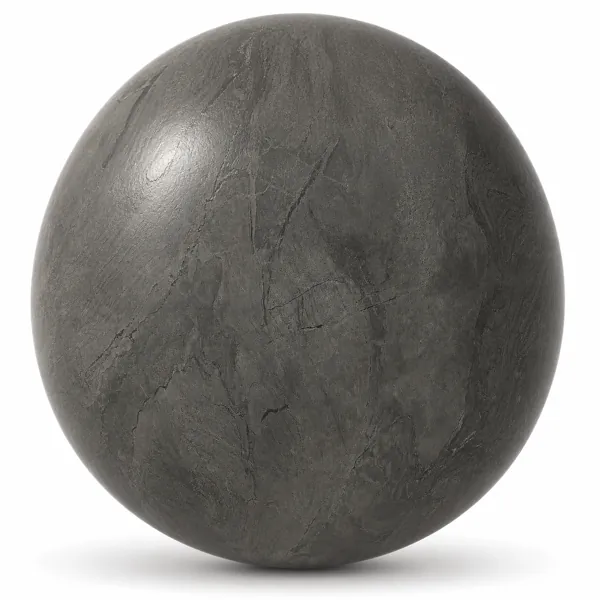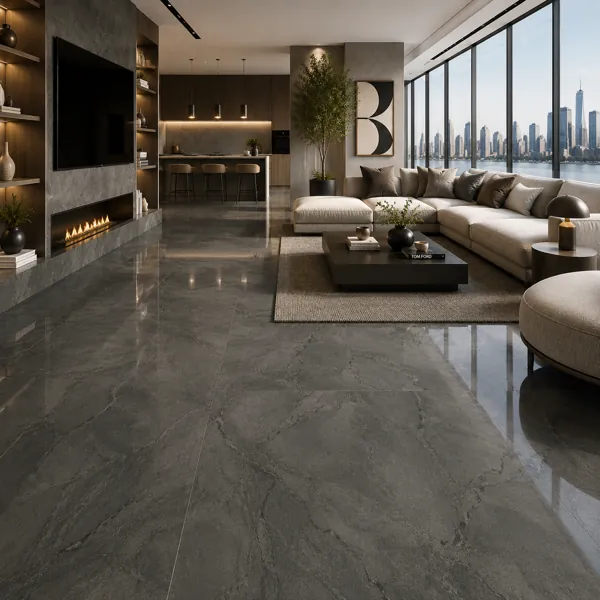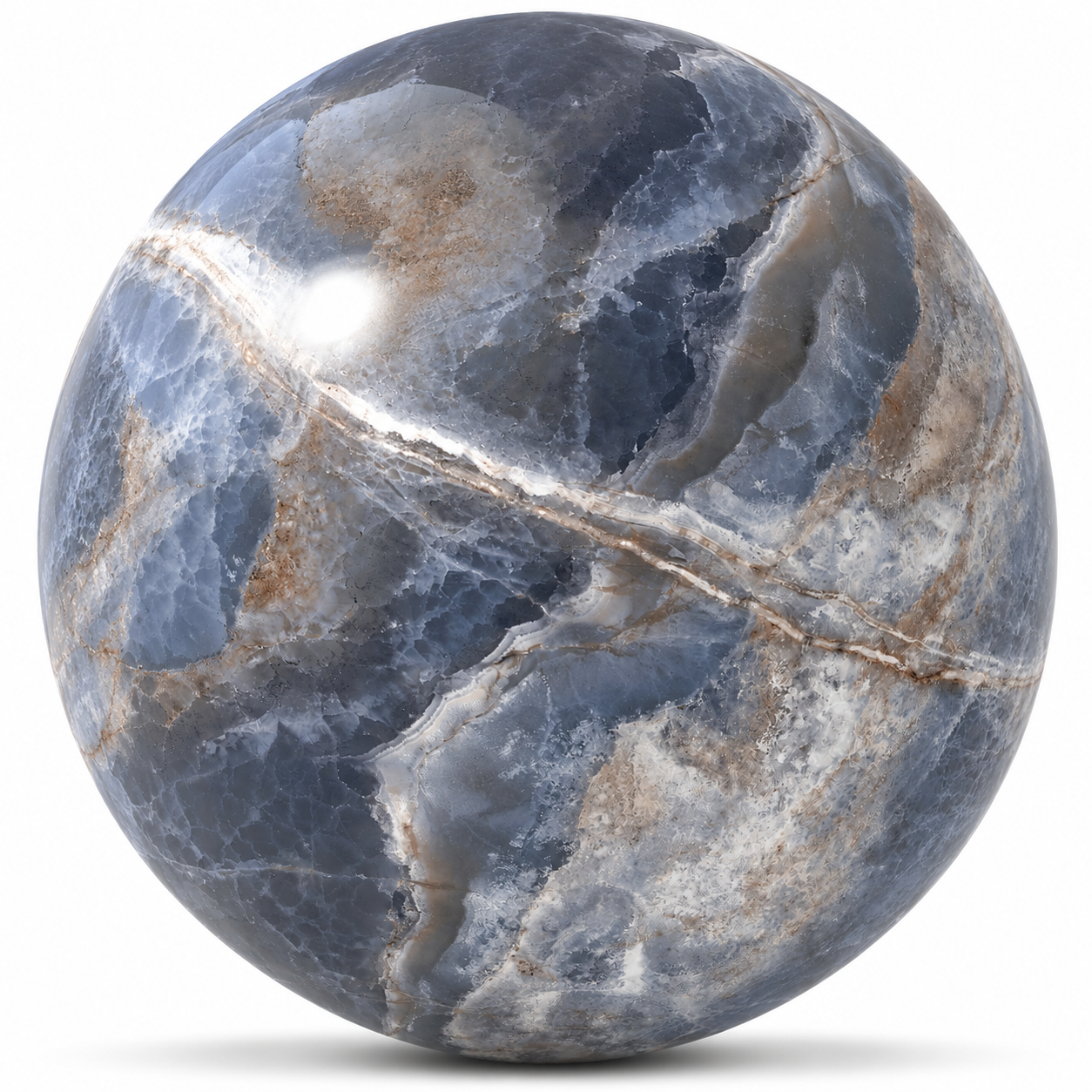
Blue Grey Crystal Vein Ceramic Texture
Ceramic No. 00033
FREE
Specifications
- Brand
- Laruus
- Style
- Modern
- Material
- Ceramic
- Suitable spaces
- Living Room, Bedroom, Office, Cafe, Commercial, Kitchen, Entrance
- Color
- BlueGrayWhiteBeigeBrown
- File types
- Albedo MapAlpha MapAO MapBump MapDiffuse Color MapEdge MapEmission MapHeight MapMetallic MapNormal MapPacked Texture MapRoughness Map
Blue Grey Crystal Vein Ceramic Texture - High Resolution Seamless PBR Textures
Description
Blue Grey Crystal Vein Ceramic Texture features a dramatic blue-grey surface crossed by broad white crystalline veins, translucent-looking mineral zones, and restrained warm beige to brown accents. The visual character is defined by large irregular formations rather than a repetitive linear pattern, giving the ceramic surface a bold natural-stone-inspired appearance. Darker slate-grey areas alternate with pale blue-grey fields and cloudy white deposits, while warm mineral-colored edges create additional separation between the larger formations. This distinctive combination makes the texture particularly suitable for modern interiors where the surface itself is intended to become a visible design feature.
The material is specified as Ceramic, while its visual language resembles richly layered crystalline stone. The image contains broad mineral-like structures, fine branching lines, cloudy transitions, and contrasting boundaries that vary significantly across the surface. These elements create a sense of depth and geological complexity without requiring the material to be identified as a particular natural stone species. Exact physical tile dimensions, thickness, manufacturing finish, and real-world scale cannot be established from the image alone. For 3D applications, mapping scale should therefore be selected according to the dimensions of the modeled surface and the intended visual proportion of the large crystal-like formations.
This blue grey ceramic texture can work across Living Room, Bedroom, Office, Cafe, Commercial, Kitchen, and Entrance environments. Its pronounced pattern makes it especially relevant for feature walls, decorative panels, kitchen surfaces, counters, reception areas, display elements, and other architectural applications where a visually expressive ceramic finish is appropriate. In a kitchen, the cool blue-grey areas can provide contrast against warm Wood cabinetry or neutral finishes. In commercial and hospitality settings, the large white and beige mineral formations can create a recognizable focal surface when applied to substantial wall or counter areas.
For architectural visualization and CGI workflows, the supplied map collection provides multiple channels for constructing a detailed PBR material in 3ds Max and other compatible 3D applications. Included files comprise Albedo Map, Alpha Map, AO Map, Bump Map, Diffuse Color Map, Edge Map, Emission Map, Height Map, Metallic Map, Normal Map, Packed Texture Map, and Roughness Map. These maps can support control over visible color, surface relief, microdetail, shading response, and other material properties according to the selected shader and rendering workflow. Individual maps should be connected and interpreted according to the requirements of the target renderer rather than assuming identical settings across different engines.
Within an interior design palette, the texture pairs naturally with neutral Metal, clear or tinted Glass, dark accents, pale furnishings, and warm Wood elements. The cool Mavi and Gri appearance establishes the dominant visual temperature, while Beyaz crystalline areas brighten the composition and Bej or Kahverengi details introduce subtle warmth. Because the pattern contains substantial tonal variation, simpler surrounding materials can help preserve visual balance. The ceramic can serve as a principal statement surface or as a controlled accent within modern, contemporary, and restrained interior schemes.
For rendering, UV placement deserves particular attention because the large crystalline formations and strong diagonal boundaries are visually recognizable. Mapping orientation can substantially change how the pattern interacts with countertops, wall panels, slabs, or modeled architectural components. Bump Map, Normal Map, Height Map, and Roughness Map values should be calibrated to the intended viewing distance and material behavior, avoiding excessive relief that could distort the visually layered character shown in the source image. With appropriate scale, mapping, and shader settings, this Ceramic PBR texture can support close-up material studies, interior CGI, product visualization, and larger archviz compositions.
Frequently asked questions
Is this texture free?
Yes. You can download it with a free Laruus account. Free textures are limited to 5 downloads per day.
Which software can I use this texture in?
The maps are standard image files, so they work in any renderer with PBR materials, such as Corona or V-Ray in 3ds Max, Blender, SketchUp with V-Ray or Enscape, and Unreal Engine.
What do I get when I download it?
A 46.6 MB download. It was added to Laruus on August 17, 2026.
Which spaces is it suitable for?
It suits Living Room, Bedroom, Office, Cafe, Commercial, Kitchen, and Entrance projects. Style: Modern.
Are there 3D models that use this material?
Yes. Laruus has 3D models in the same material:
- Ceramic — 23Browse Bathtub (9)