Black Ceramic Texture – Copper Vein Network Texture
Ceramic No. 00015
FREE
Specifications
- Brand
- Laruus
- Style
- Modern
- Material
- Ceramic
- Suitable spaces
- Living Room, Bedroom, Office, Cafe, Commercial, Kitchen, Entrance
- Color
- BlackBrownOrange
- File types
- Albedo MapAlpha MapAO MapBump MapDiffuse Color MapEdge MapEmission MapHeight MapMetallic MapNormal MapPacked Texture MapRoughness Map
Copper Veins, Deep Black High Resolution Seamless PBR Textures
Description
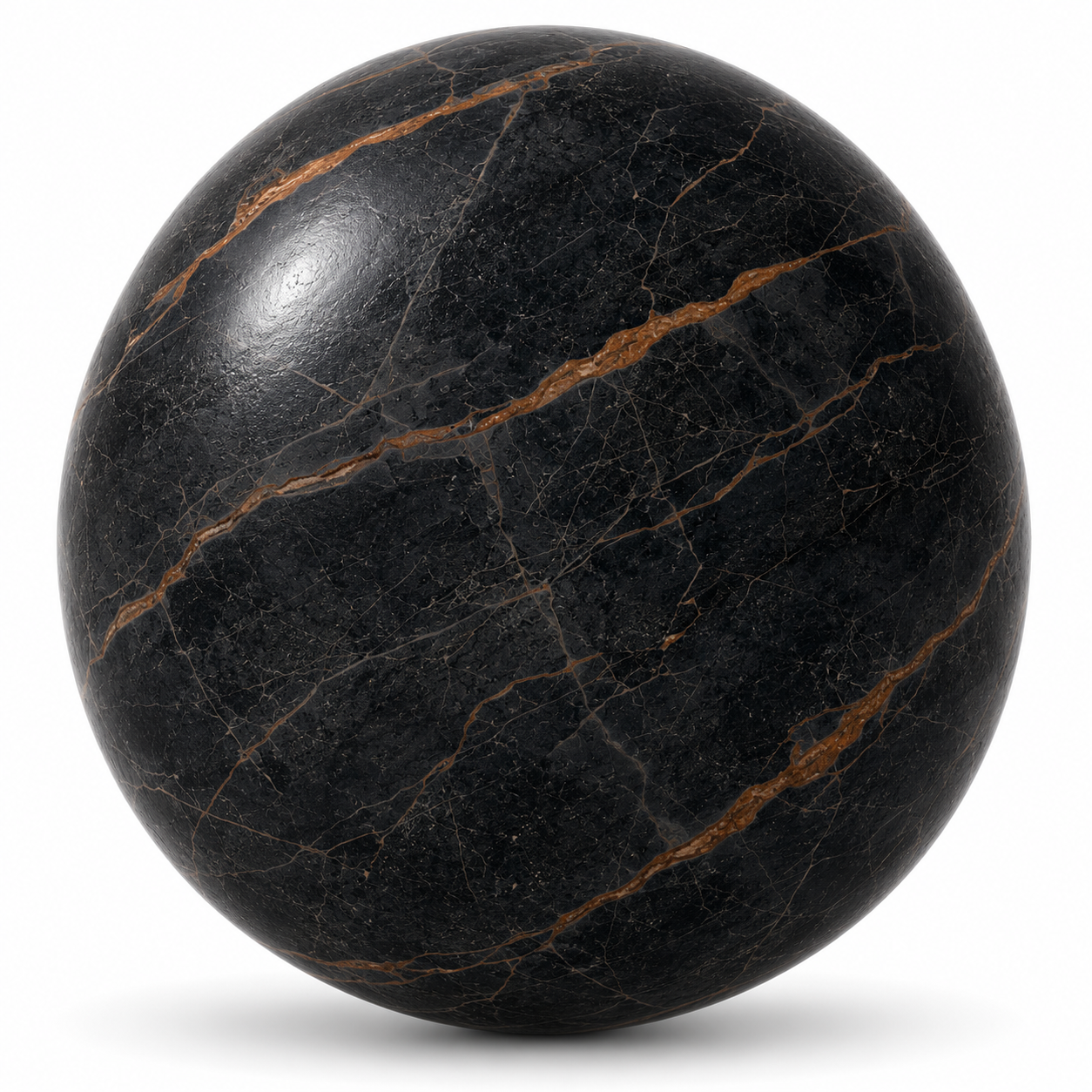
Black ceramic material distinguished by a deep near-black base, prominent copper-brown veins, and a secondary network of much finer branching lines. The contrast between the dark field and warm vein color gives the surface a dramatic modern identity, while the smaller hairline markings add complexity between the larger diagonal bands. Unlike a uniform black ceramic, this pattern creates strong directional movement and recognizable visual structure. The combination is especially suitable for interiors that use dark architectural surfaces as a focal element while introducing warmer brown and rust-like accents for balance.
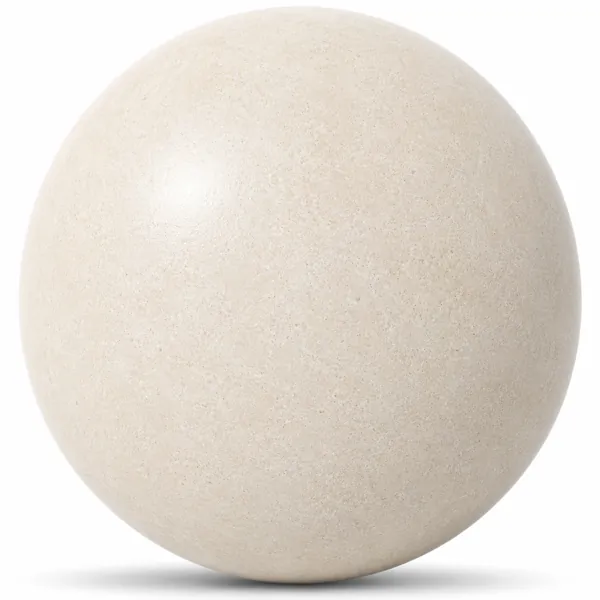
The spherical preview shows a smooth surface with a broad reflected highlight, suggesting moderate to noticeable reflectivity rather than a completely matte finish. Visually, the ceramic reads as softly polished or satin-gloss under controlled lighting. The largest copper-toned veins cross the surface diagonally with irregular widths, interrupted edges, and natural-looking variations in intensity. Around them, a dense network of thin brown-gray lines creates a subtle crackle-like appearance across the black background. Real-world dimensions, slab or tile size, thickness, mapping scale, manufacturing process, and measurable surface relief cannot be determined from the image, so these properties should not be assumed.
This black ceramic texture can be used in living rooms, bedrooms, kitchens, entrances, offices, cafes, and commercial interiors where a visually assertive hard surface is appropriate. Depending on the model and UV setup, it may suit ceramic wall cladding, feature panels, counters, reception elements, furniture surfaces, decorative objects, and other architectural components. The black base can coordinate with metal, glass, dark wood, and monochrome finishes, while the copper-brown veins introduce warmth that can connect naturally with walnut tones, warm beige materials, or other earthy accents.
For architectural visualization and CGI, the strong vein structure gives the material clear visual identity in both close and medium-distance renders. Large diagonal veins can help define broad surfaces, while the finer branching network prevents darker areas from appearing empty or digitally flat. Because the pattern is highly directional, mapping orientation deserves particular attention on large walls, counters, or panels. In Corona Renderer scenes, controlled lighting can reveal the reflective ceramic character while preserving the contrast between the black background, fine crackle lines, and warmer copper-colored veins.
From an interior design perspective, this surface works best when the material itself is intended to contribute to the composition. The deep black ground provides visual weight, while the warm diagonal veins introduce movement and contrast without relying on a repeated geometric pattern. On expansive surfaces, the pronounced veining can become a dominant design feature. On smaller furniture details or architectural accents, it can deliver a concentrated dark-and-warm material contrast alongside simpler surrounding finishes.
This asset is categorized as a ceramic texture and presented as a model-type product for 3D visualization. The supplied workflow information specifies 3ds Max and Corona Renderer. Use the preview as the primary visual reference for color balance, vein direction, pattern density, and reflectivity, then verify mapping and scale within the final scene. No file extensions, texture resolution, PBR map configuration, seamless tiling capability, UV method, polygon count, scan origin, or physical dimensions are provided, so these technical properties should be confirmed from the actual asset rather than assumed.
Frequently asked questions
Is this texture free?
Yes. You can download it with a free Laruus account. Free textures are limited to 5 downloads per day.
Which software can I use this texture in?
The maps are standard image files, so they work in any renderer with PBR materials, such as Corona or V-Ray in 3ds Max, Blender, SketchUp with V-Ray or Enscape, and Unreal Engine.
What do I get when I download it?
A 11.7 MB download. It was added to Laruus on June 24, 2026.
Which spaces is it suitable for?
It suits Living Room, Bedroom, Office, Cafe, Commercial, Kitchen, and Entrance projects. Style: Modern.
Are there 3D models that use this material?
Yes. Laruus has 3D models in the same material:
- Ceramic — 23Browse Bathtub (9)