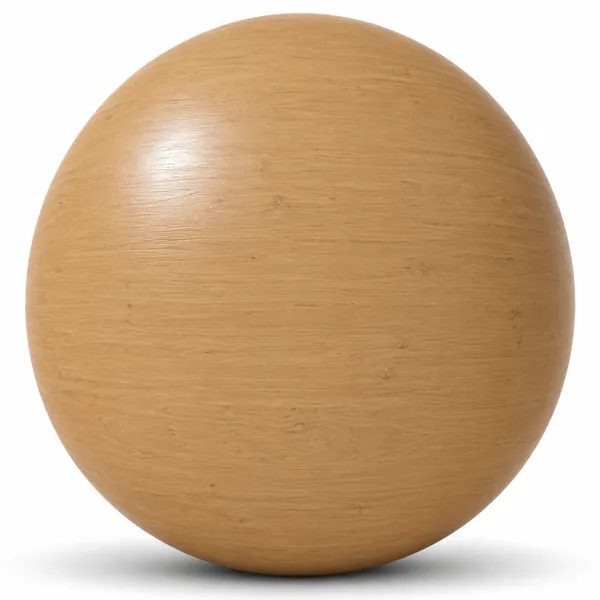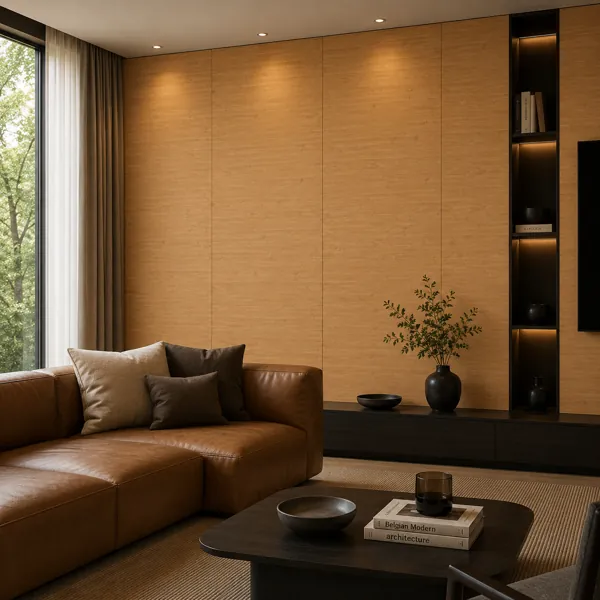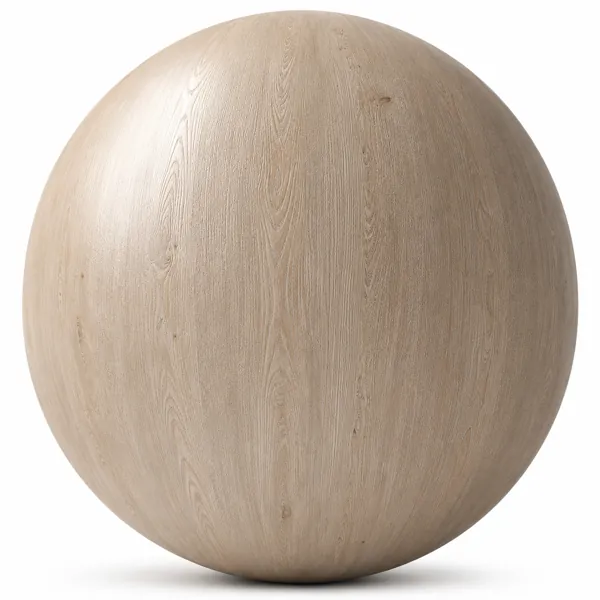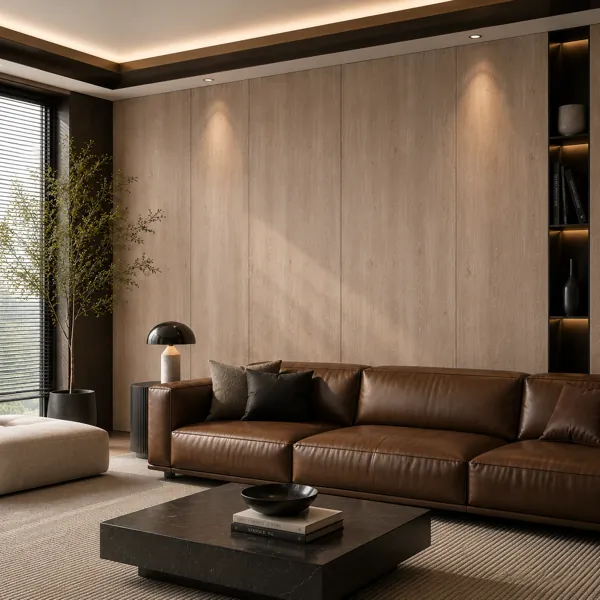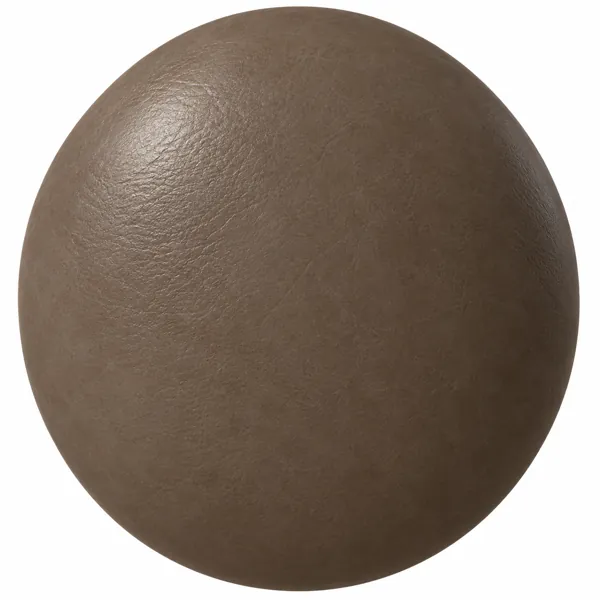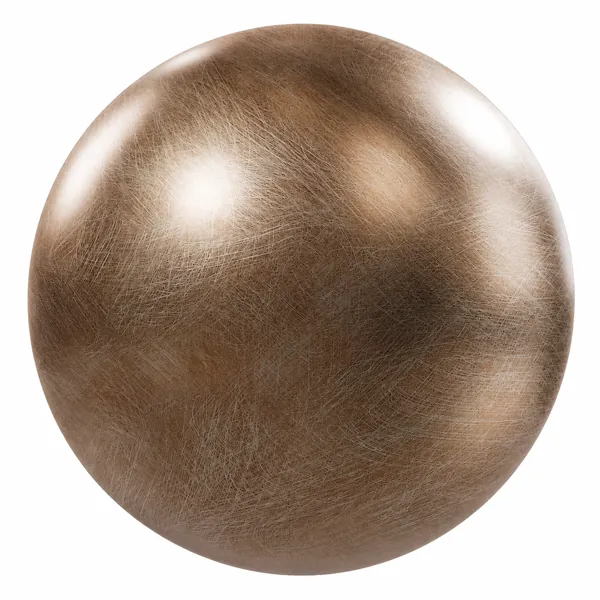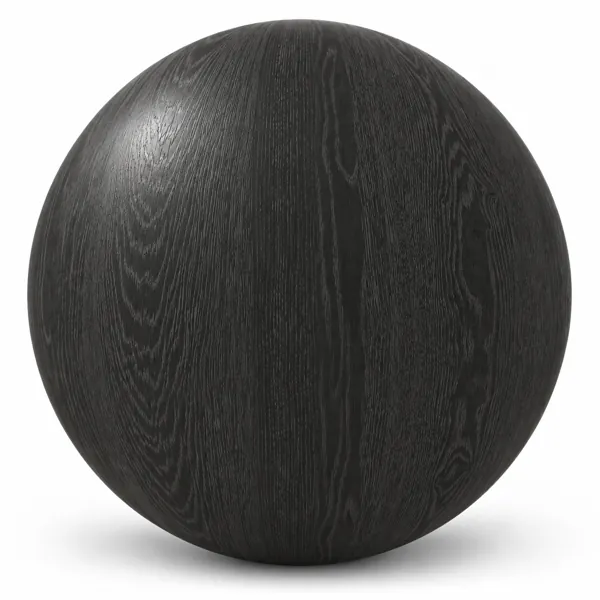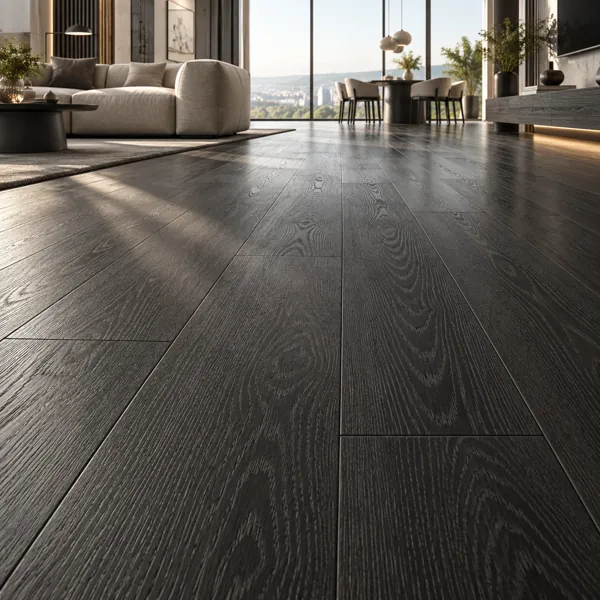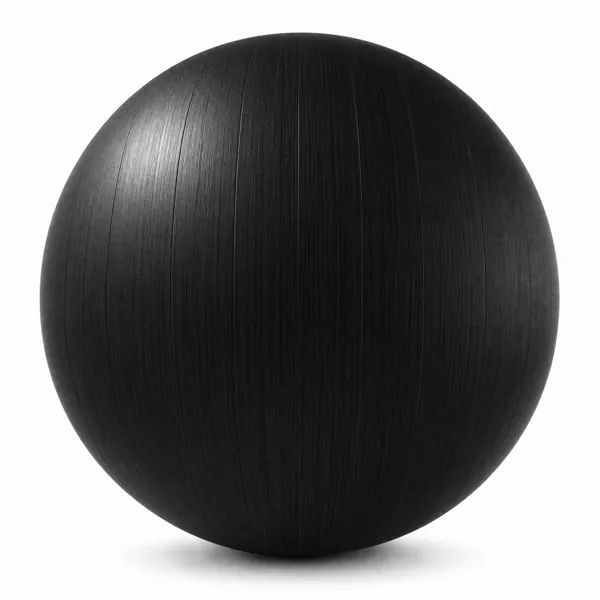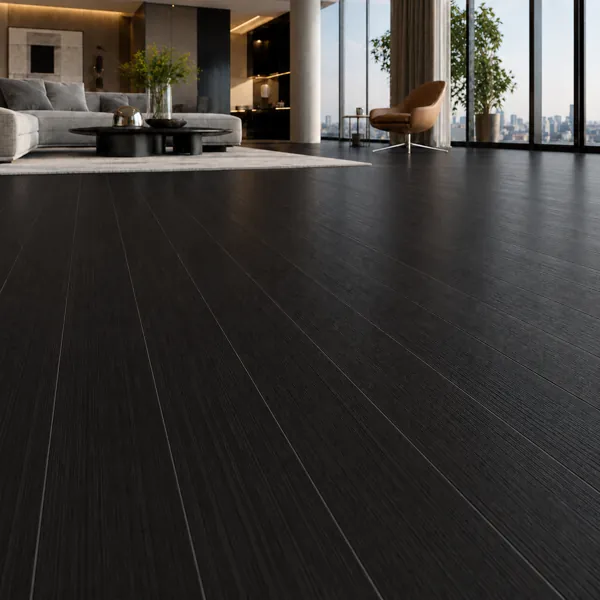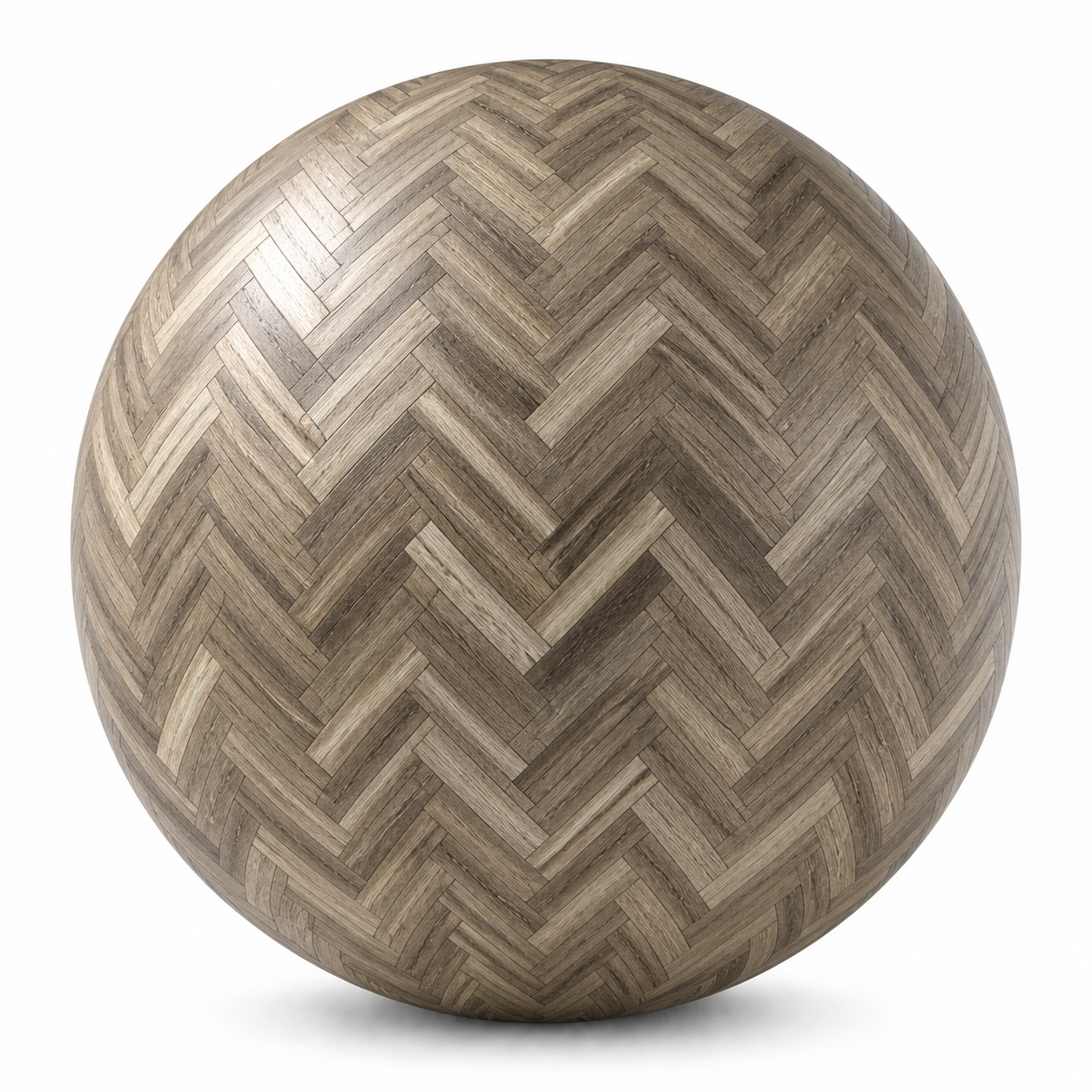
Weathered Herringbone Parquet Texture – Taupe Grain
Parquet No. 00035
FREE
Specifications
- Brand
- Laruus
- Style
- Modern
- Material
- Wood
- Suitable spaces
- Living Room, Bedroom, Office, Cafe, Commercial, Kitchen, Entrance
- Color
- BrownBeigeGray
- File types
- Albedo MapAlpha MapAO MapBump MapDiffuse Color MapEdge MapEmission MapHeight MapMetallic MapNormal MapPacked Texture MapRoughness Map
Weathered Taupe Herringbone Rhythm
Description
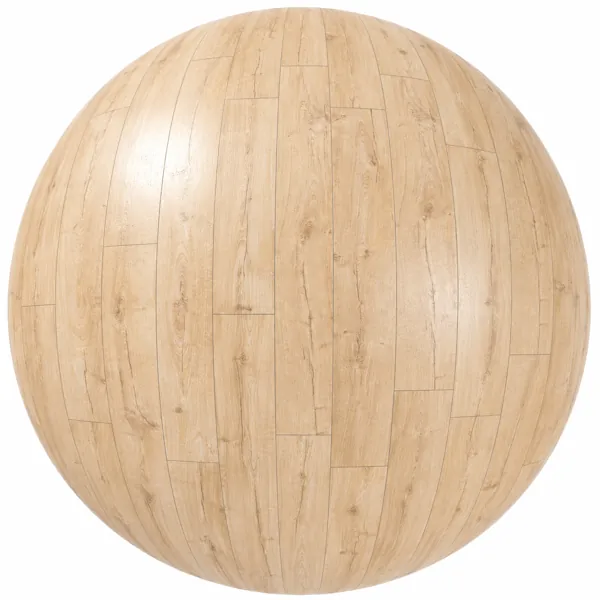
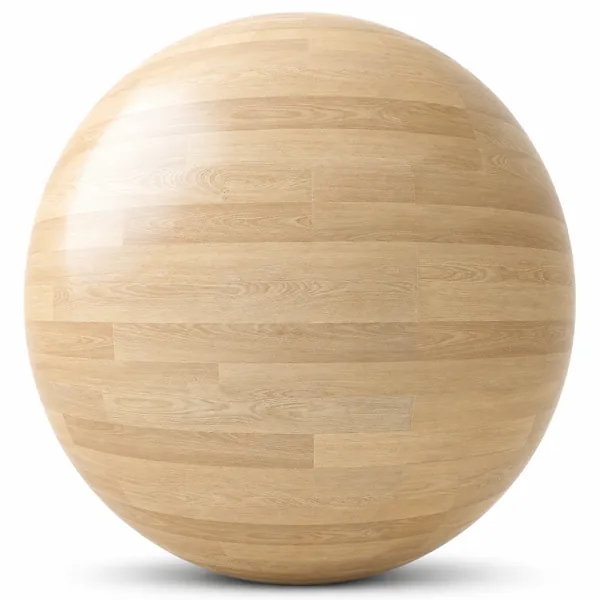
This weathered taupe herringbone parquet texture combines a classic interlocking layout with a muted brown, beige and gray wood palette. Its most distinctive visual feature is the pronounced herringbone arrangement formed by narrow rectangular strips meeting at alternating right angles. Individual pieces shift naturally between lighter beige-gray and deeper brown tones, creating visible variation without breaking the overall neutral character. Linear wood grain, occasional darker markings and subtly aged-looking tonal differences give the surface a more characterful appearance than uniformly colored parquet. The result is a structured flooring material that can support modern interiors while retaining the visual rhythm associated with traditional parquet patterns.
The visible construction is based on relatively narrow, elongated wood strips arranged in repeating zigzag formations. Each piece follows the direction of its own grain, so the alternating orientation creates a layered pattern of lines across the surface. Differences between neighboring strips are clearly visible: some boards appear pale and softly washed, while others carry medium brown or gray-brown coloration. Fine grain lines, small irregular marks and gentle variations along the boards prevent the pattern from appearing mechanically identical. The preview suggests a relatively smooth surface with restrained reflectivity rather than a highly polished finish. Exact wood species, physical strip dimensions and manufacturing treatment cannot be determined reliably from the image and are therefore not assumed.
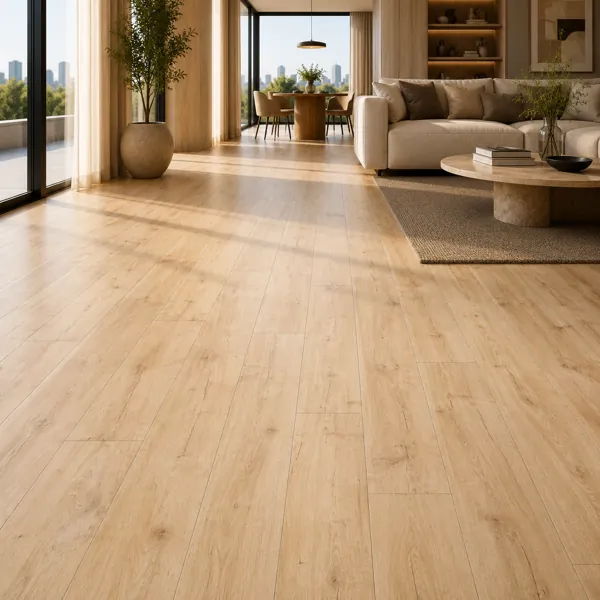
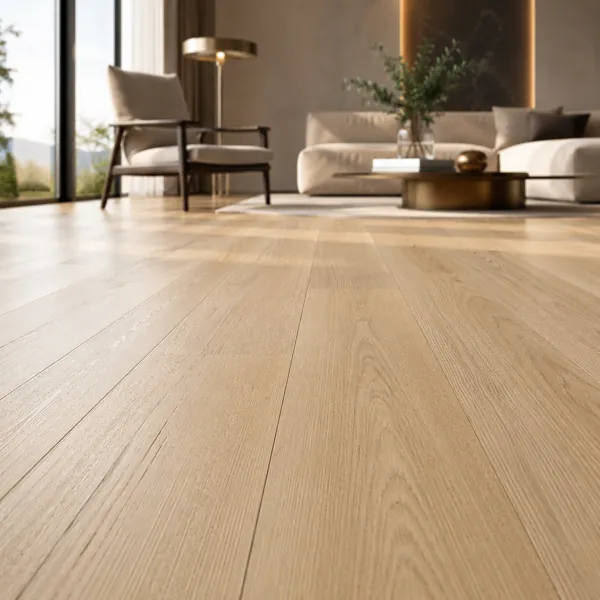
As an interior surface, this herringbone parquet can work particularly well in living rooms, bedrooms, offices, cafes, commercial interiors, kitchens and entrance areas. The geometric pattern gives flooring a stronger decorative presence than straight plank layouts, making it useful when the floor is intended to contribute actively to the composition of a room. Its taupe-brown palette can pair naturally with warm white walls, beige textiles, gray upholstery, black metal, aged brass tones, concrete and natural stone. In larger spaces, the repeating herringbone geometry can help organize broad floor areas visually, while in smaller rooms it can introduce detailed movement without relying on strong color.
For architectural visualization and CGI workflows, the alternating board direction provides useful surface information at both close and medium camera distances. Close-up renders can emphasize the grain changes, board boundaries, tonal variation and interlocking geometry. Wider views benefit from the recognizable diagonal rhythm produced by the herringbone arrangement, allowing the floor to remain visually legible even when individual grain details become less prominent. Because the palette is relatively subdued, the texture can provide substantial material character without competing excessively with furniture, lighting or architectural focal points. The spherical preview also makes it possible for archviz artists to assess pattern density, directional behavior, color variation and apparent surface response across curved geometry.
Within contemporary interior design, the combination of weathered coloration and traditional herringbone geometry offers a useful balance between structured pattern and understated color. It can complement modern, transitional, industrial-inspired and naturally toned interiors, especially where designers want more visual texture than a uniform plank floor provides. The mixture of beige, brown and gray tones can bridge warm and cool materials within the same scheme. Minimal furniture can benefit from the detailed floor rhythm, while layered interiors can use the restrained coloration as a grounding element. The pattern may also be considered for decorative wall panels, furniture surfaces or other architectural applications in visualization projects where a directional wood treatment is appropriate.
The supplied product information identifies 3D's Max as the 3D software and Corona Renderer as the rendering environment. Specific file extensions, texture resolution, physical board dimensions, wood species, mapping method, displacement settings and seamless tiling properties have not been confirmed and should not be inferred. The visible preview supports identification of the herringbone layout, narrow wood strips, weathered taupe-brown coloration, varied natural grain and restrained surface sheen. Project-specific scale, mapping orientation and material parameters should be checked directly within the supplied asset before final production rendering.
Frequently asked questions
Is this texture free?
Yes. You can download it with a free Laruus account. Free textures are limited to 5 downloads per day.
Which software can I use this texture in?
The maps are standard image files, so they work in any renderer with PBR materials, such as Corona or V-Ray in 3ds Max, Blender, SketchUp with V-Ray or Enscape, and Unreal Engine.
What do I get when I download it?
A 138 MB download. It was added to Laruus on June 28, 2026.
Which spaces is it suitable for?
It suits Living Room, Bedroom, Office, Cafe, Commercial, Kitchen, and Entrance projects. Style: Modern.
Are there 3D models that use this material?
Yes. Laruus has 3D models in the same material:
- Wood — 197Browse Armchairs (29)