
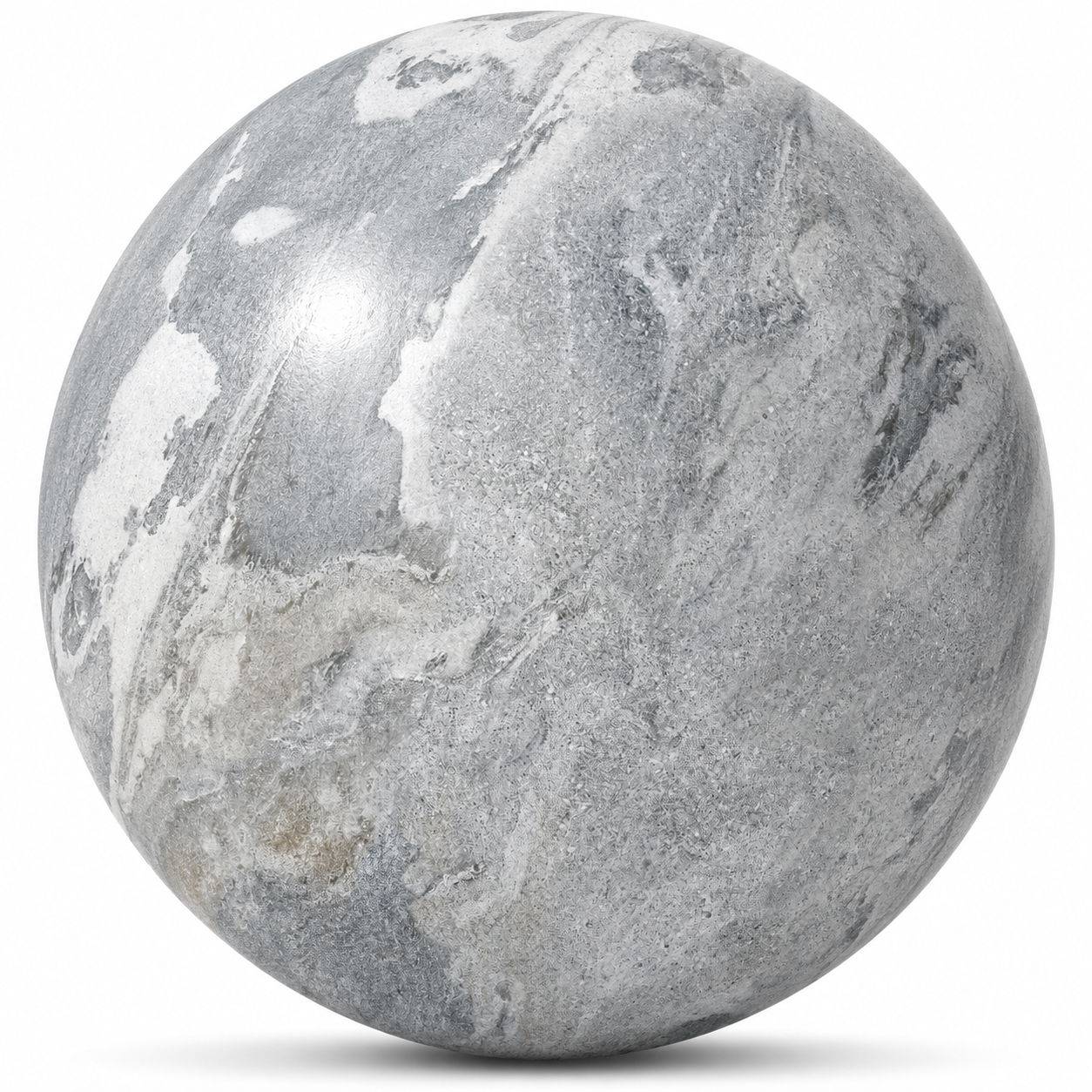
Silver Grey Layered Mineral Ceramic Texture
Ceramic No. 00034
FREE
Specifications
- Brand
- Laruus
- Style
- Modern
- Material
- Ceramic
- Suitable spaces
- Living Room, Bedroom, Office, Cafe, Commercial, Kitchen, Entrance
- Color
- GrayWhiteBeige
- File types
- Albedo MapAlpha MapAO MapBump MapDiffuse Color MapEdge MapEmission MapHeight MapMetallic MapNormal MapPacked Texture MapRoughness Map
Silver Grey Layered Mineral Ceramic Texture - High Resolution Seamless PBR Textures
Description
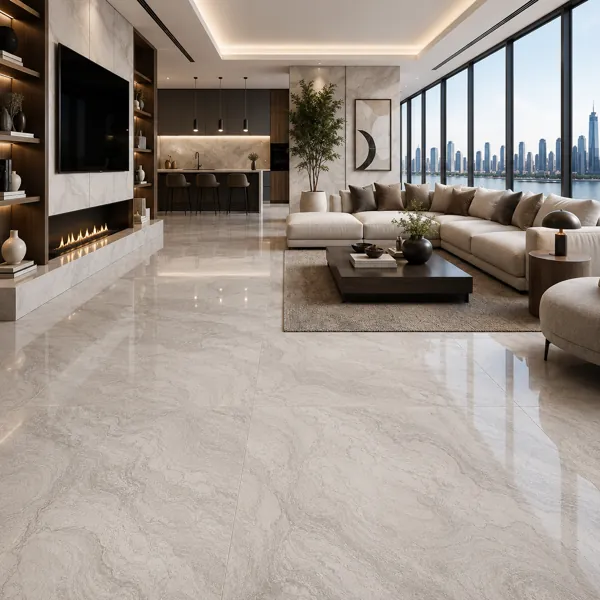
Silver Grey Layered Mineral Ceramic Texture features a light grey and white surface distinguished by sweeping mineral-like movement, irregular darker grey fields and restrained beige accents. Rather than relying on sharp conventional veining, the pattern develops through broad layered transitions, mottled patches and directional streaks that create a weathered, naturally varied appearance. White areas break through the grey base in uneven formations, while scattered warmer details soften the otherwise cool palette. This recognizable combination gives the ceramic texture a contemporary character suitable for interiors where subtle surface variation is preferred over highly graphic veining.
The specified material is Ceramic, and its visible structure combines fine granular detail with larger tonal formations. Darker grey sections appear around the edges and across selected areas, while lighter fields occupy much of the composition. Directional bands and softly eroded-looking boundaries introduce movement without creating a rigid repeating geometry. The exact physical tile dimensions, thickness, manufacturing process and surface finish cannot be established from the image alone. Consequently, the texture scale in a 3D scene should be adjusted according to the dimensions of the modeled surface and the intended proportion of its larger grey and white formations.
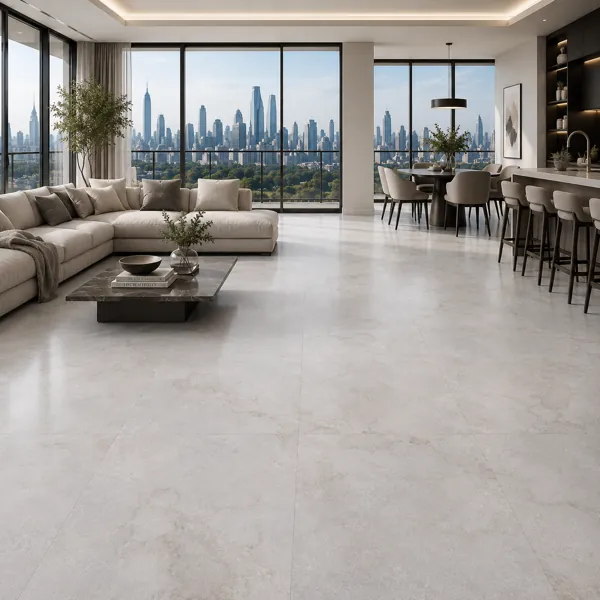
This grey ceramic texture can work across Living Room, Bedroom, Office, Cafe, Commercial, Kitchen and Entrance environments. Its restrained neutral palette makes it suitable for wall applications, decorative panels, kitchen surfaces, counters, reception areas and architectural feature surfaces. In a Kitchen, the mixture of Gri, Beyaz and subtle Bej can coordinate with Wood cabinetry, Metal fixtures, Glass elements or monochromatic furniture. In Commercial and Cafe interiors, the broad layered pattern can add visual texture to larger surfaces without depending on intense color. The irregular distribution of light and dark areas also provides useful variation for contemporary interior compositions.
For architectural visualization and CGI workflows, the supplied texture set provides multiple maps for constructing a detailed PBR material in 3ds Max and other compatible 3D software. Available files include Albedo Map, Alpha Map, AO Map, Bump Map, Diffuse Color Map, Edge Map, Emission Map, Height Map, Metallic Map, Normal Map, Packed Texture Map and Roughness Map. These channels can support control over base appearance, surface relief, shading response and microdetail according to the material setup being used. Individual maps should be connected according to the requirements of the chosen renderer or shader rather than assuming identical settings across different rendering systems.
Within an interior design palette, the cool silver-grey appearance works naturally alongside black or neutral Metal, warm Wood, clear Glass and simple white surfaces. The subtle beige areas provide small points of warmth that can help bridge cool architectural finishes with warmer furniture or cabinetry. Because the pattern combines fine granular texture with broad sweeping formations, it can remain visually interesting at several viewing distances. Its relatively restrained coloration also allows furniture, lighting and decorative objects to retain prominence within a scene while the ceramic surface contributes material depth.
UV mapping and texture scale deserve careful attention when applying this Ceramic PBR texture. The broad diagonal movement, irregular dark patches and lighter layered formations can make obvious repetition noticeable if the mapping is poorly proportioned. Bump Map, Normal Map, Height Map and Roughness Map values should be tuned to the intended camera distance and required surface response, avoiding unsupported assumptions about the physical depth of the visible pattern. With appropriate mapping and shader configuration, the texture can support close material studies, interior CGI, product visualization and larger archviz surfaces.
Frequently asked questions
Is this texture free?
Yes. You can download it with a free Laruus account. Free textures are limited to 5 downloads per day.
Which software can I use this texture in?
The maps are standard image files, so they work in any renderer with PBR materials, such as Corona or V-Ray in 3ds Max, Blender, SketchUp with V-Ray or Enscape, and Unreal Engine.
What do I get when I download it?
A 55.4 MB download. It was added to Laruus on August 17, 2026.
Which spaces is it suitable for?
It suits Living Room, Bedroom, Office, Cafe, Commercial, Kitchen, and Entrance projects. Style: Modern.
Are there 3D models that use this material?
Yes. Laruus has 3D models in the same material:
- Ceramic — 23Browse Bathtub (9)
You might also like
Similar products
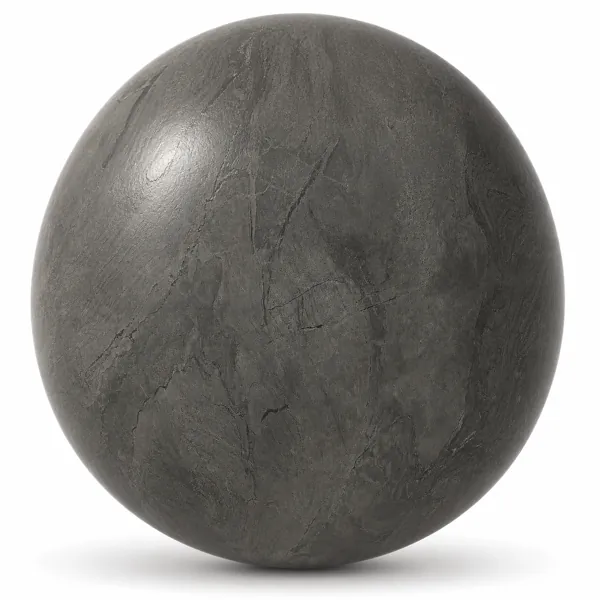
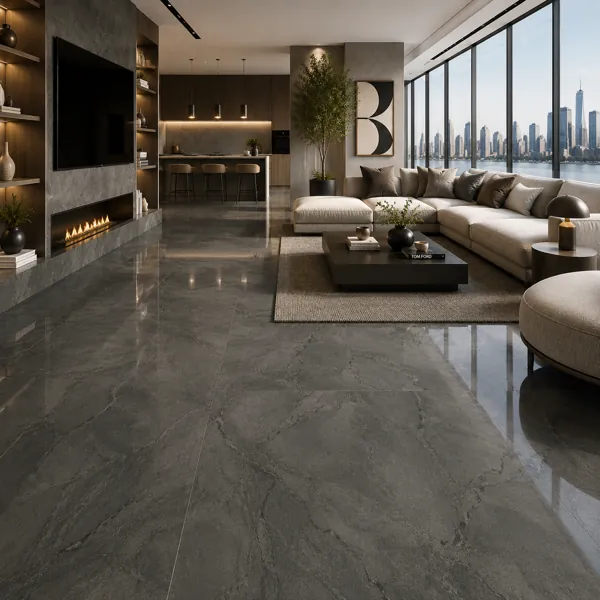
Dark Gray Ceramic Texture – Fine Linear Veining Texture
Laruus
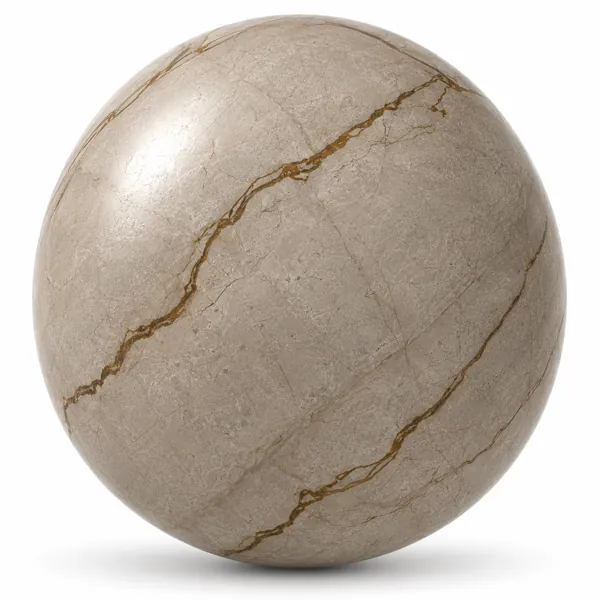
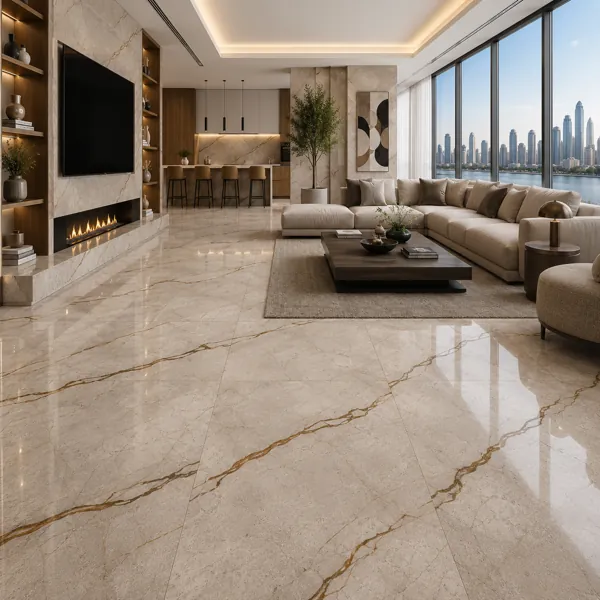
Light Beige Ceramic Texture – Warm Brown Vein Network Texture
Laruus
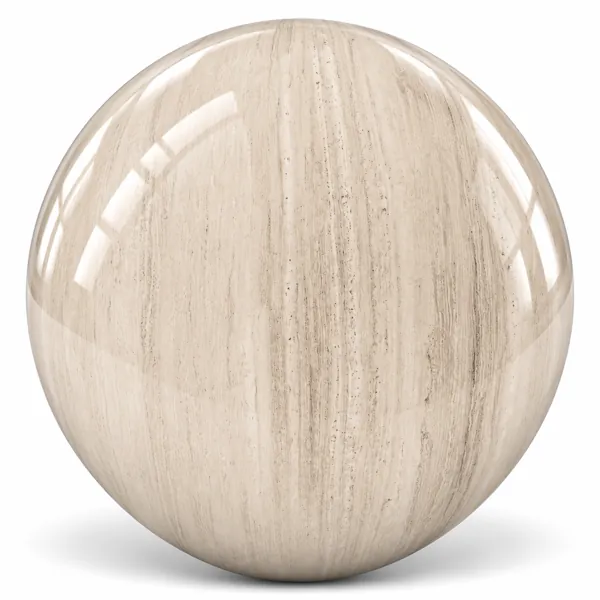
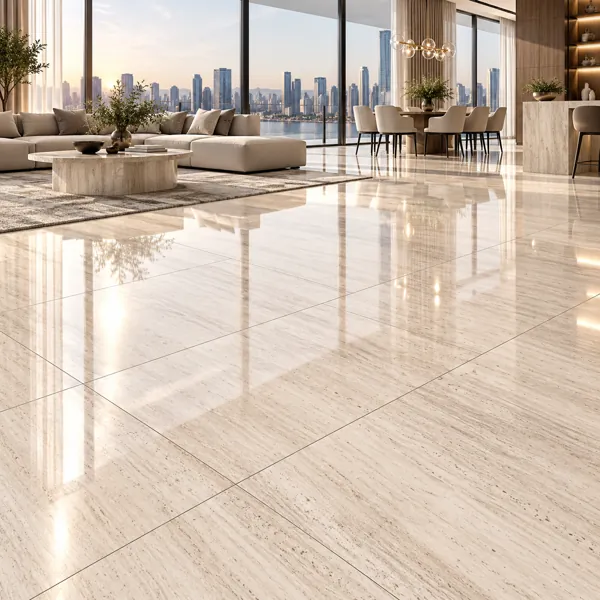
Ivory Beige Vertical Linear Grain Ceramic Texture
Laruus
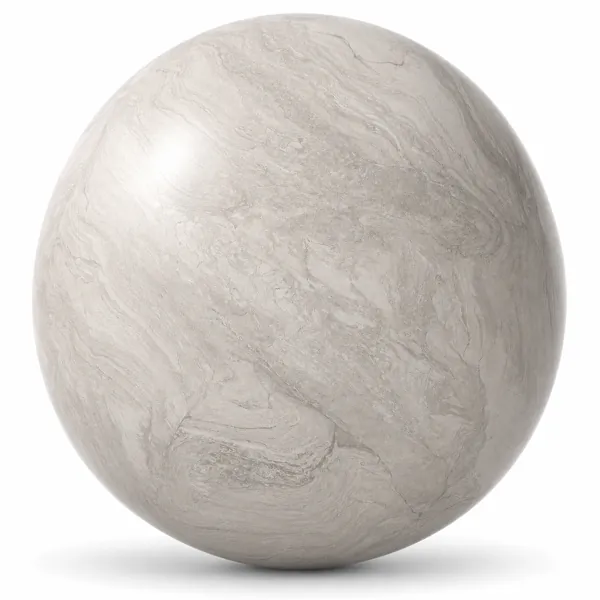
Light Beige Ceramic Texture – Soft Layered Veining Texture
Laruus