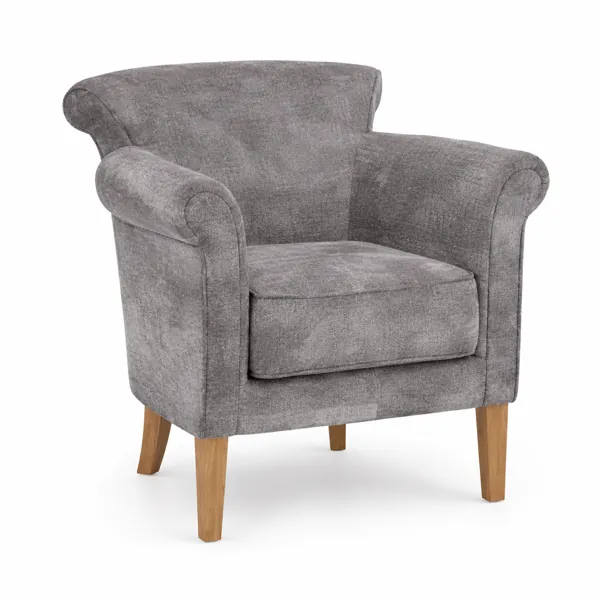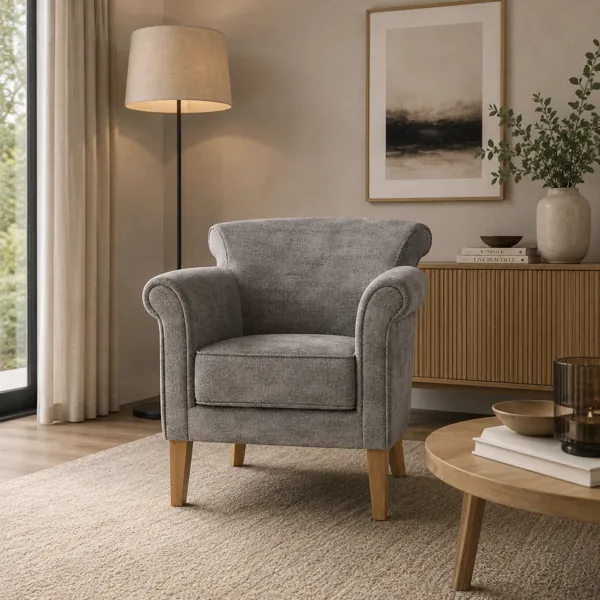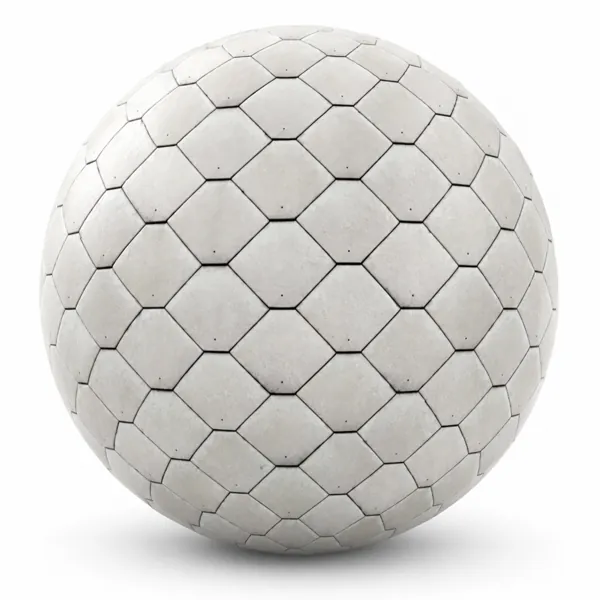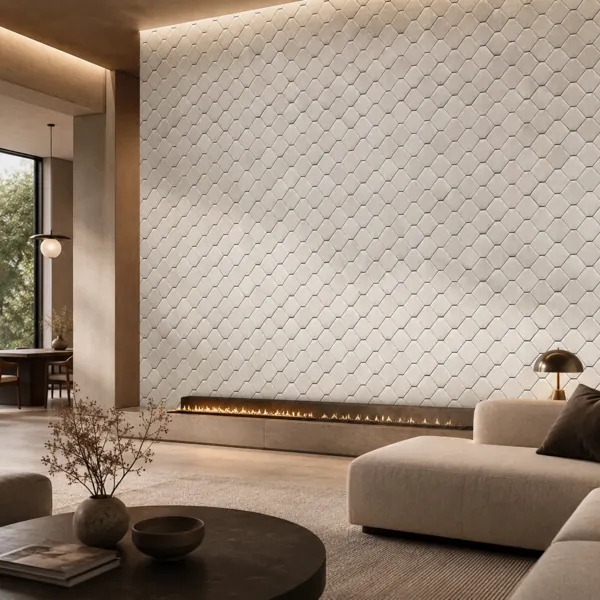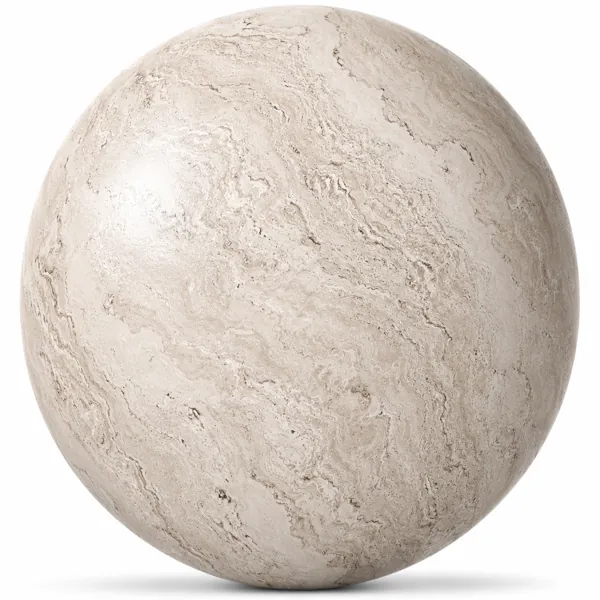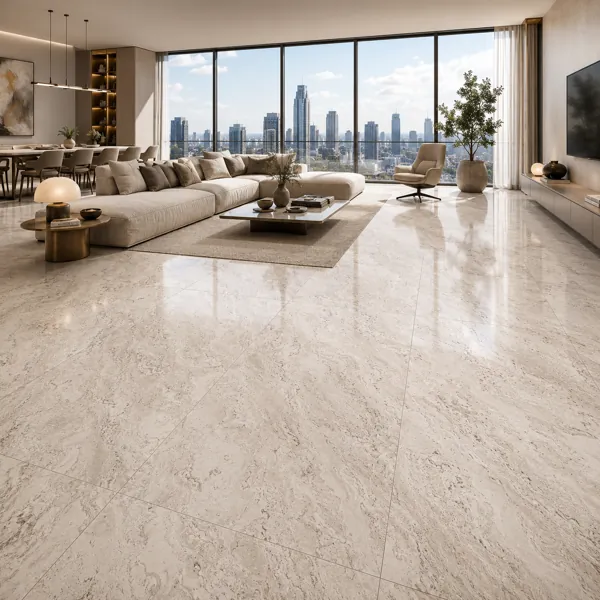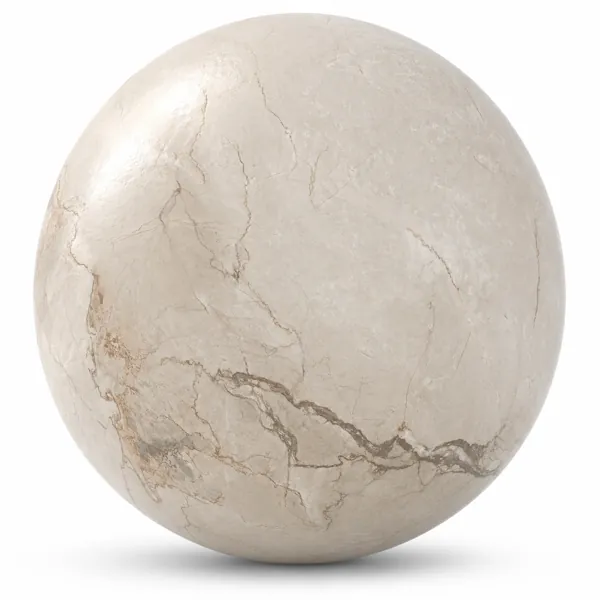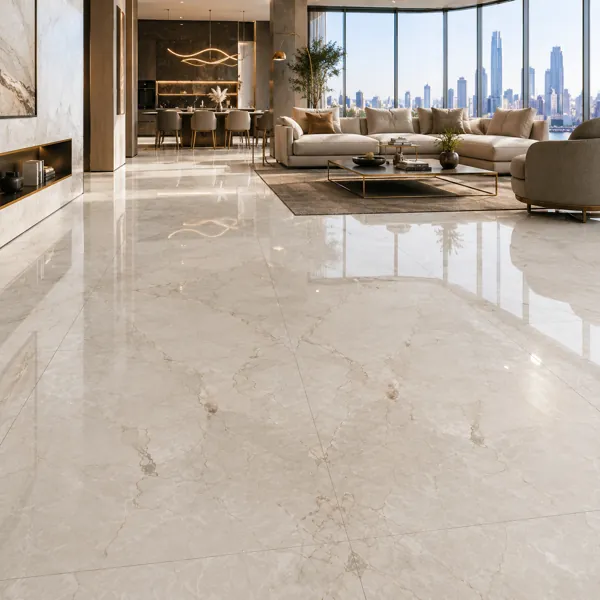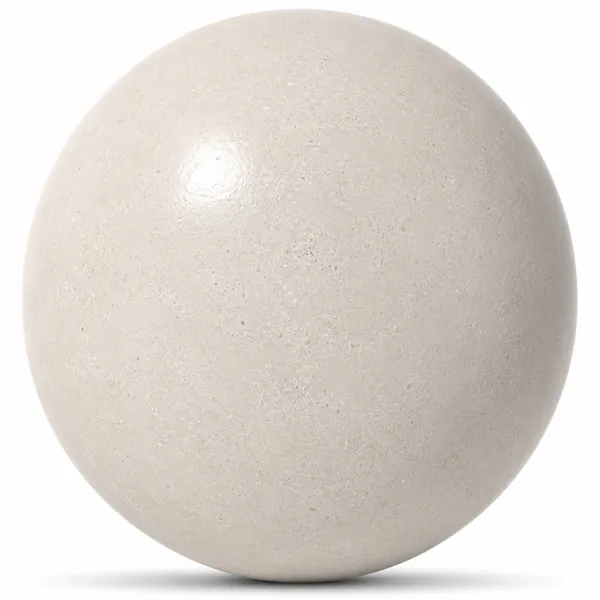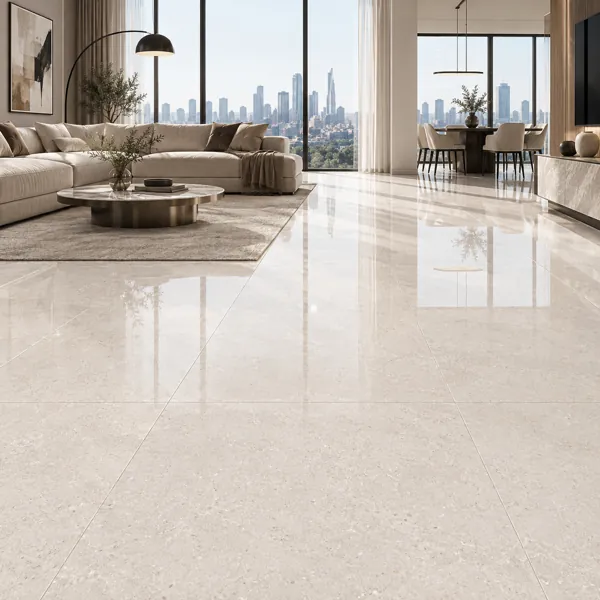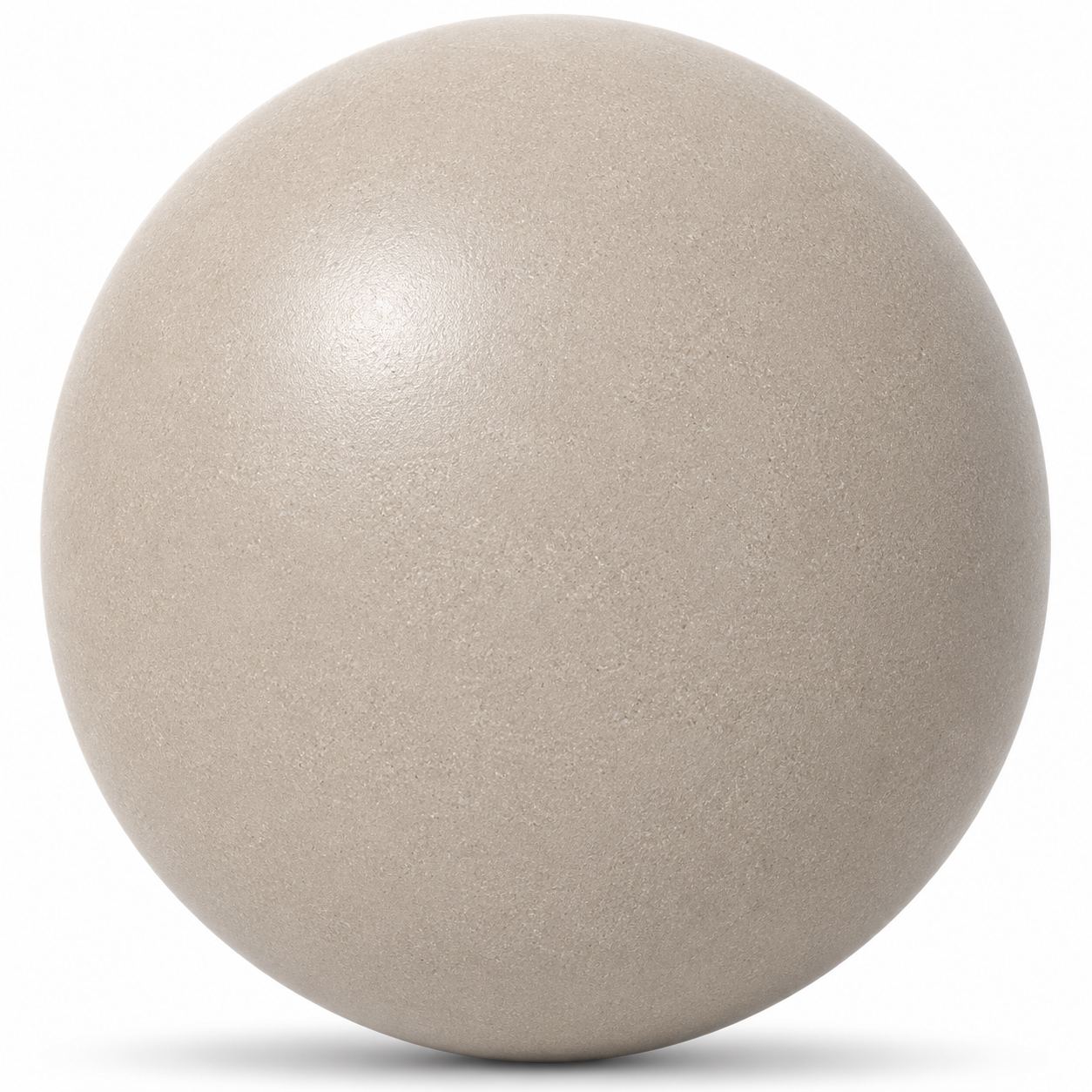
Warm Beige Fine Speckled Ceramic Surface Texture
Ceramic No. 00042
FREE
Specifications
- Brand
- Laruus
- Style
- Modern
- Material
- Ceramic
- Suitable spaces
- Living Room, Bedroom, Office, Cafe, Commercial, Kitchen, Entrance, Balcony, Bathroom
- Color
- BeigeGray
- File types
- Albedo MapAlpha MapAO MapBump MapDiffuse Color MapEdge MapEmission MapHeight MapMetallic MapNormal MapPacked Texture MapRoughness Map
Warm Beige Fine Speckled Ceramic Surface Texture - High Resolution Seamless PBR Textures
Description
Warm Beige Fine Speckled Ceramic Surface Texture presents a calm, uniform ceramic finish defined by a warm beige base, delicate grey undertones and a dense distribution of very small mineral-like speckles. The surface avoids strong veins, dramatic directional patterns or large decorative motifs, giving it a restrained contemporary character suitable for modern architectural applications. Subtle cloudy tonal changes are visible across the field, preventing the material from appearing completely flat while preserving an understated, continuous visual language. Its distinguishing feature is the combination of a soft warm neutral tone with fine granular detailing, creating a versatile ceramic surface that can support both minimal interiors and more layered material palettes.
The material is specified as Ceramic, and the visible structure suggests a finely textured, stone-inspired appearance rather than a polished marble pattern or strongly patterned tile. Tiny light and dark particles are distributed across the beige background, with occasional muted grey marks introducing controlled natural variation. The image does not provide reliable information about the physical tile dimensions, thickness, exact grain depth, manufacturing process or gloss level, so these properties should not be assumed. When the texture is mapped onto a 3D model, scale should be determined according to the modeled surface and the intended size of the visible speckling. Maintaining a realistic texture scale is especially important because enlarging the small particles excessively could make the surface appear coarse rather than finely finished.
This ceramic texture can be used in Living Room, Bedroom, Office, Cafe, Commercial, Kitchen, Entrance, Balcony and Bathroom environments. Its quiet beige coloration makes it appropriate for walls, flooring, kitchen surfaces, bathroom finishes, reception areas, retail interiors and large architectural planes where a neutral material is needed without a visually dominant pattern. The Bej and Gri tones coordinate naturally with Wood, Metal, Glass and other neutral finishes. In residential settings, it can support warm minimalist schemes, while in commercial or hospitality spaces it can provide a subtle background surface that allows furniture, lighting and decorative objects to remain visually prominent.
For archviz and CGI workflows, the supplied texture set includes Albedo Map, Alpha Map, AO Map, Bump Map, Diffuse Color Map, Edge Map, Emission Map, Height Map, Metallic Map, Normal Map, Packed Texture Map and Roughness Map. These maps can be used as inputs when constructing a PBR material in 3ds Max and other compatible 3D software. Channel connections, map strengths and shader settings should be adjusted according to the Renderer and material workflow being used. Because the visible pattern is fine and relatively uniform, the material is especially useful on broad surfaces where excessive repetition or directional grain would otherwise become distracting.
Within interior design, the texture works as a balanced neutral between warmer beige finishes and cooler grey materials. Its subtle granular character adds visual texture without creating a strong focal pattern, making it suitable for Scandinavian, contemporary, minimalist and soft modern interiors. From a distance, the surface reads as a consistent warm ceramic plane. At closer camera positions, the fine speckling and restrained tonal variation become more apparent, giving the material additional realism and preventing large surfaces from appearing digitally flat or overly uniform.
During rendering, careful UV Mapping and texture scaling will help preserve the fine-grained character visible in the source. Bump Map, Normal Map, Height Map and Roughness Map intensity should be tested according to camera distance, lighting angle and the desired ceramic response. The image alone does not confirm whether the physical surface is fully smooth, lightly honed or microscopically textured, so aggressive displacement or strong gloss values should not be assumed without further reference. With a controlled PBR setup, this material can support architectural visualization, interior CGI, product scenes, material studies and close-up surface renders while retaining its distinctive warm beige finely speckled appearance.
Frequently asked questions
Is this texture free?
Yes. You can download it with a free Laruus account. Free textures are limited to 5 downloads per day.
Which software can I use this texture in?
The maps are standard image files, so they work in any renderer with PBR materials, such as Corona or V-Ray in 3ds Max, Blender, SketchUp with V-Ray or Enscape, and Unreal Engine.
What do I get when I download it?
A 44.4 MB download. It was added to Laruus on August 17, 2026.
Which spaces is it suitable for?
It suits Living Room, Bedroom, Office, Cafe, Commercial, Kitchen, Entrance, Balcony, and Bathroom projects. Style: Modern.
Are there 3D models that use this material?
Yes. Laruus has 3D models in the same material:
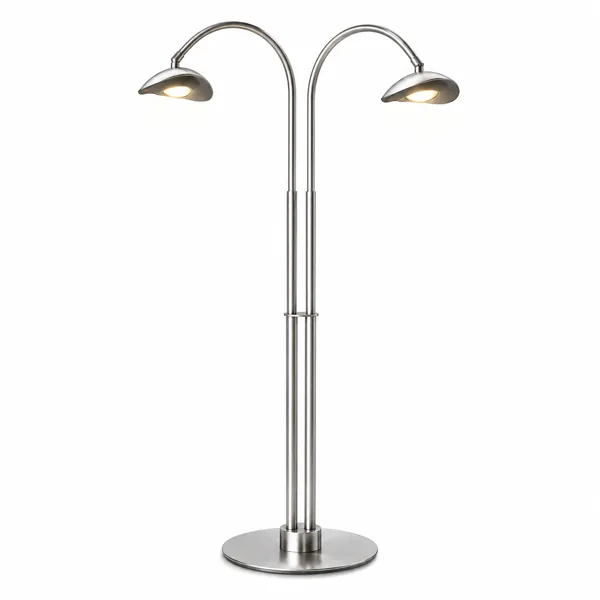
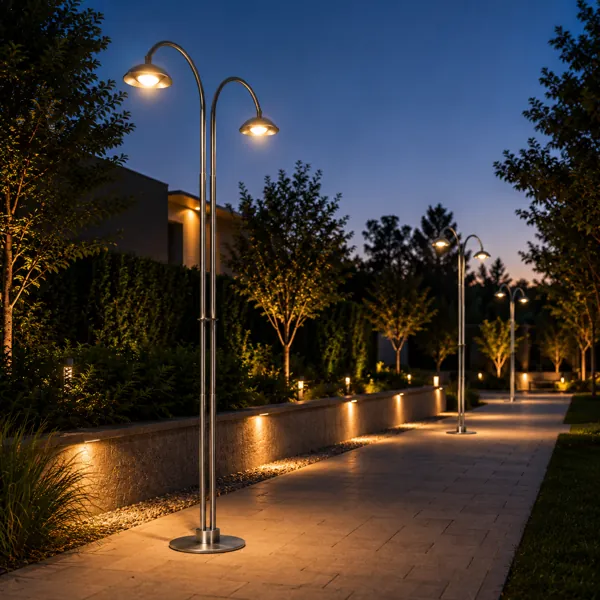
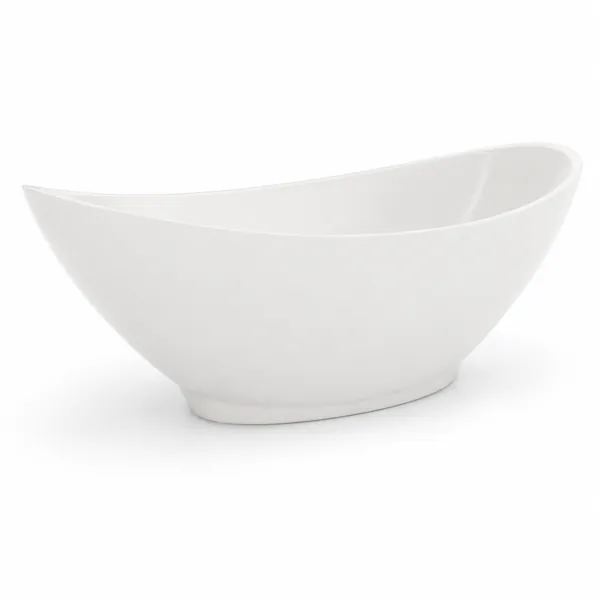
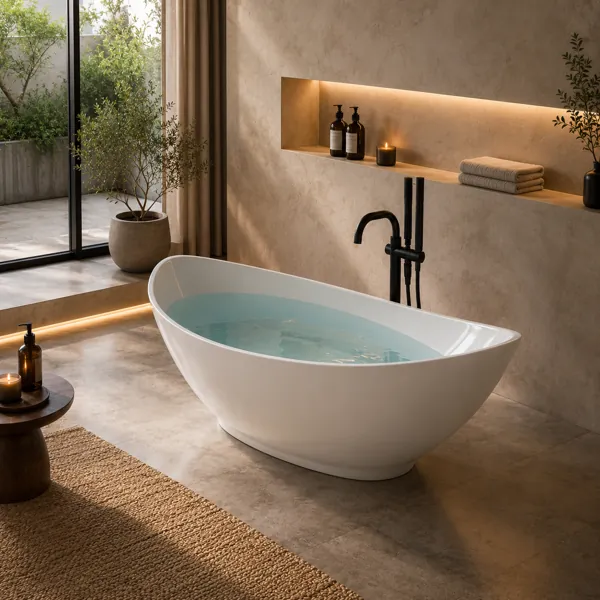
- Ceramic — 23Browse Bathtub (9)