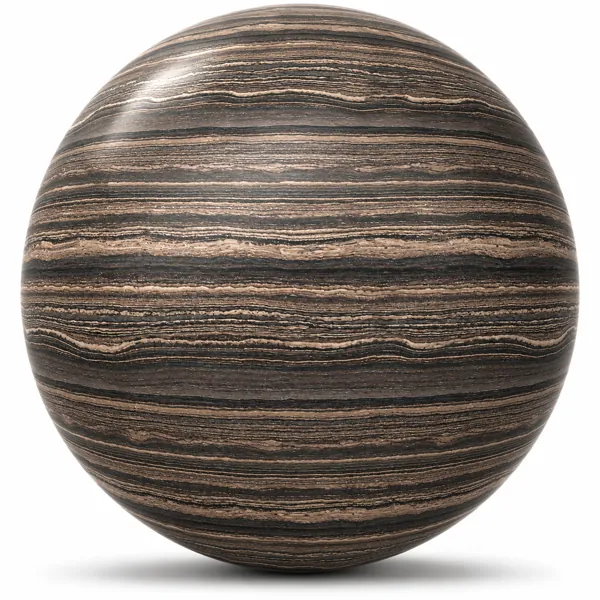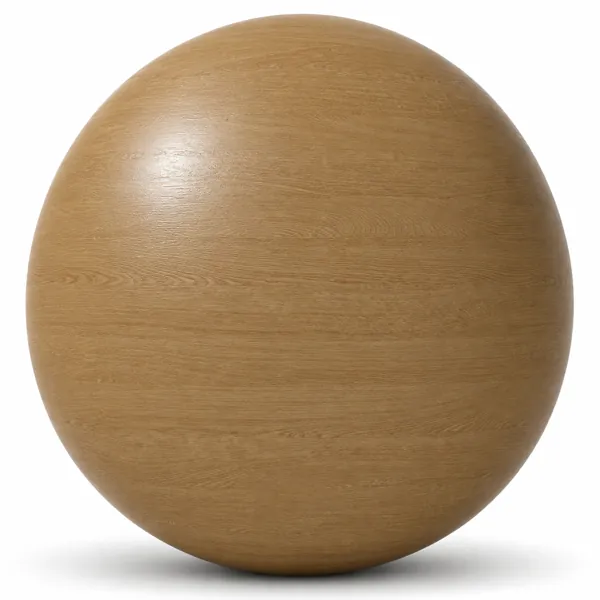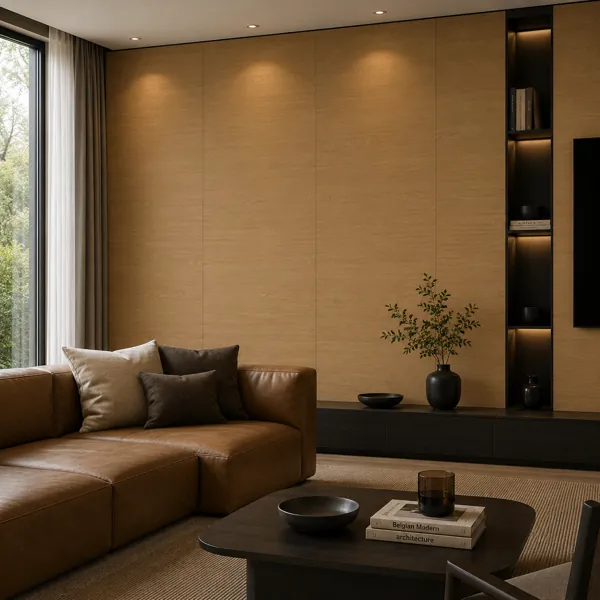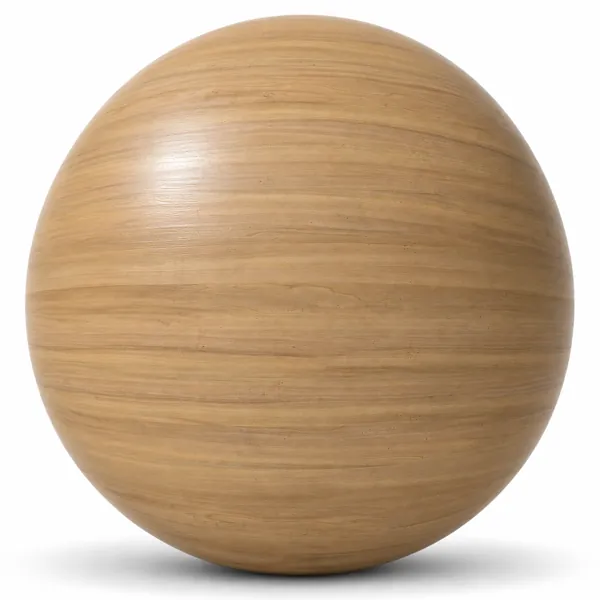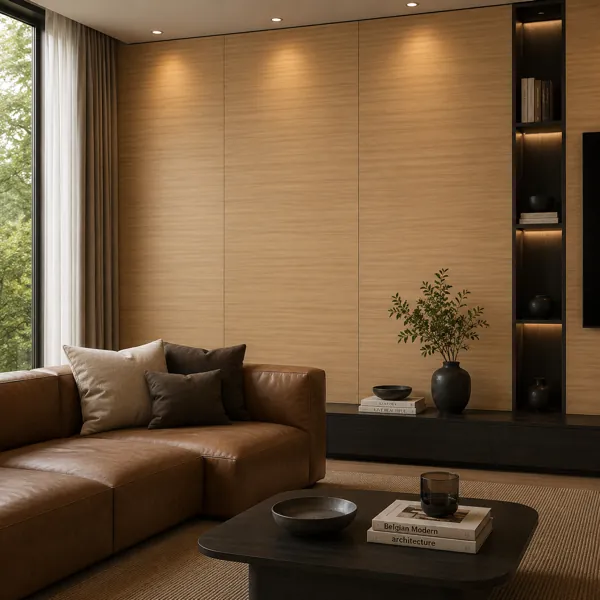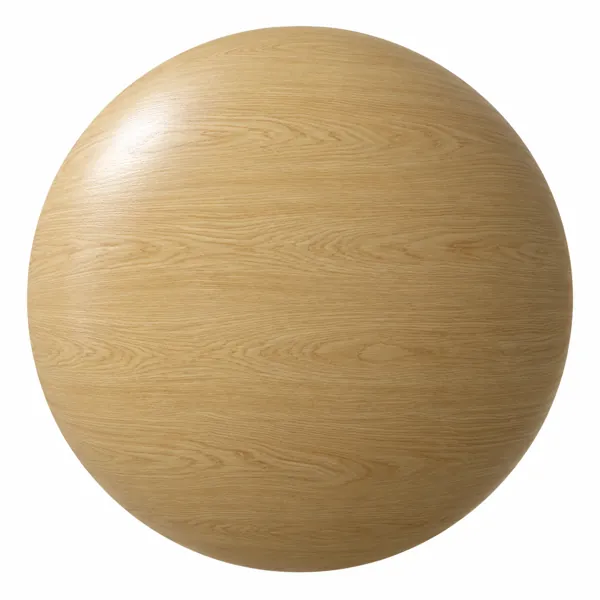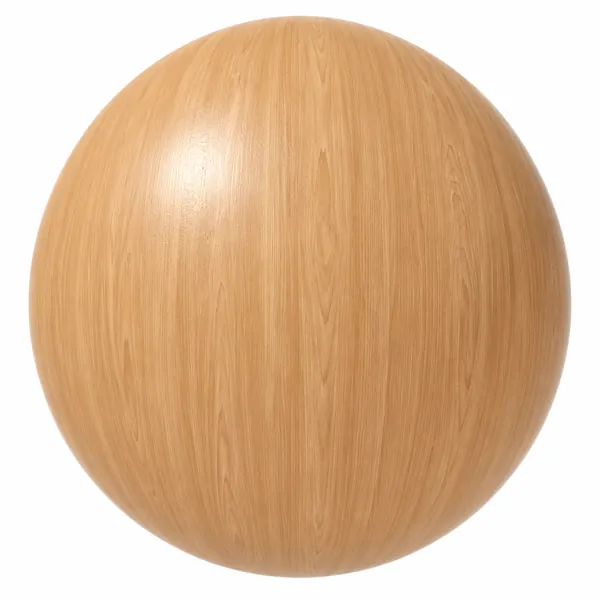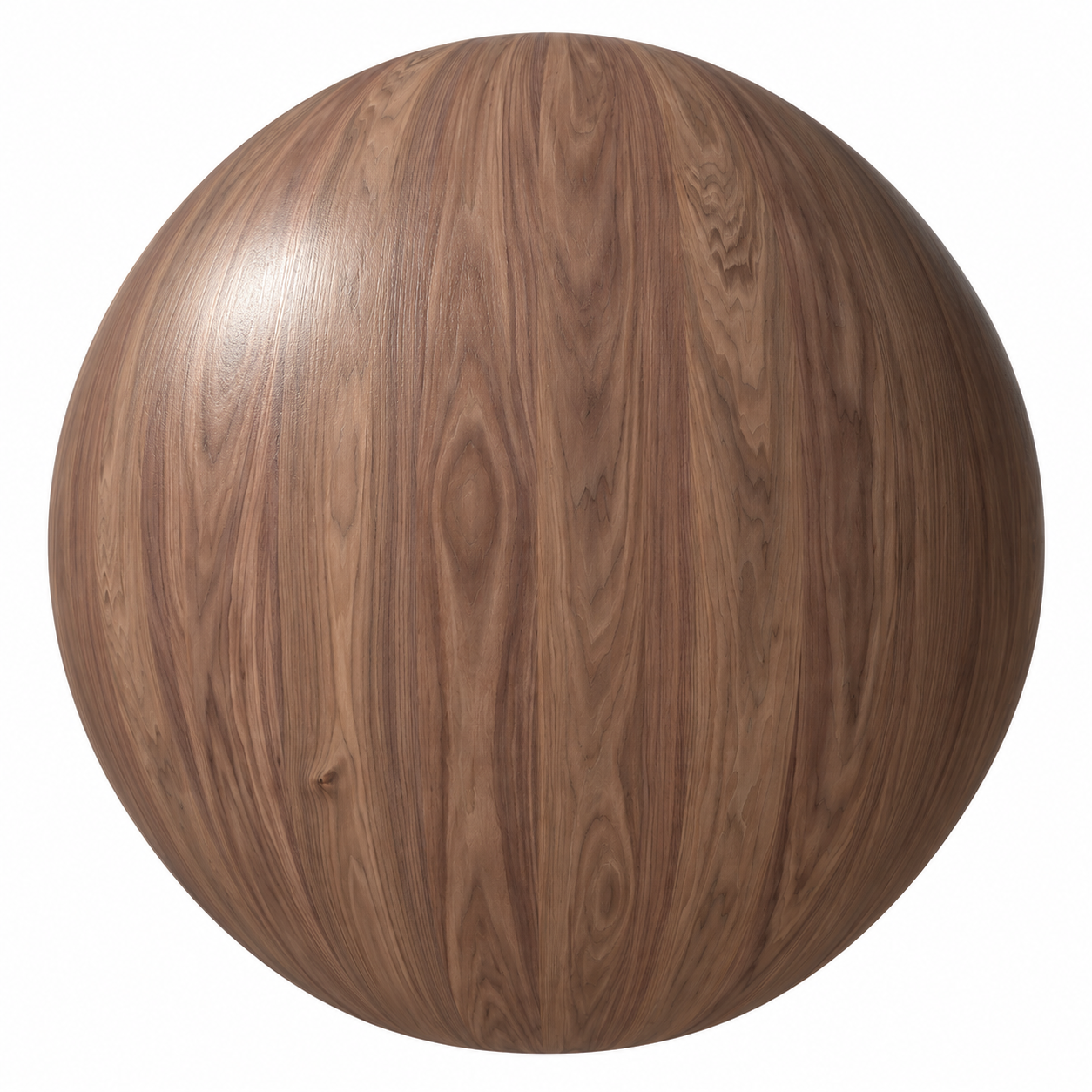
Warm Rosy Brown Flowing Cathedral Grain Wood Texture
Wood No. 00113
FREE
Specifications
- Brand
- Laruus
- Style
- Modern
- Material
- Wood
- Suitable spaces
- Living Room, Bedroom, Office, Cafe, Commercial, Kitchen, Entrance
- Color
- BrownBeige
- File types
- Albedo MapAlpha MapAO MapBump MapDiffuse Color MapEdge MapEmission MapHeight MapMetallic MapNormal MapPacked Texture MapRoughness Map
Warm Rosy Brown Flowing Cathedral Grain Wood Texture - High Resolution Seamless PBR Textures
Description
The Warm Rosy Brown Flowing Cathedral Grain Wood Texture features a distinctive combination of muted reddish-brown coloring, elongated cathedral-shaped grain figures, and naturally flowing vertical wood lines. Its most recognizable characteristic is the repeated arrangement of sweeping, flame-like grain formations that rise through the surface alongside narrower, relatively straight fibers. Warm rosy brown tones dominate the background, while darker chocolate-brown streaks outline the curved grain structures and create visible depth. Some sections contain eye-shaped formations and small knot-like details, giving the pattern a lively organic character. The overall appearance is warmer and more expressive than a uniform straight-grain wood surface, making it suitable for contemporary furniture and architectural finishes where the wood pattern is intended to remain visible. Although the grain resembles decorative hardwood veneer, the exact wood species cannot be determined reliably from the image alone.
The visual structure combines several broad vertical grain zones with alternating narrow and sweeping lines. Long cathedral-shaped figures form pointed arches and oval contours, while adjacent areas contain tightly spaced linear fibers. The contrast between lighter rosy brown regions and darker brown grain lines establishes a recognizable rhythm across the surface. Small localized marks and irregular curves interrupt the otherwise vertical flow, reinforcing the impression of naturally patterned timber. Similar grain formations appear repeatedly across the image, suggesting a recurring visual motif rather than completely independent figures throughout the surface. No physical board thickness, measurable panel width, or surface coating can be established from the image. The visible information primarily describes color and grain arrangement, so material scale must be adjusted to the intended furniture component or architectural surface. The apparent smoothness of the image should not be interpreted as confirmation of a specific polished, matte, or satin finish.
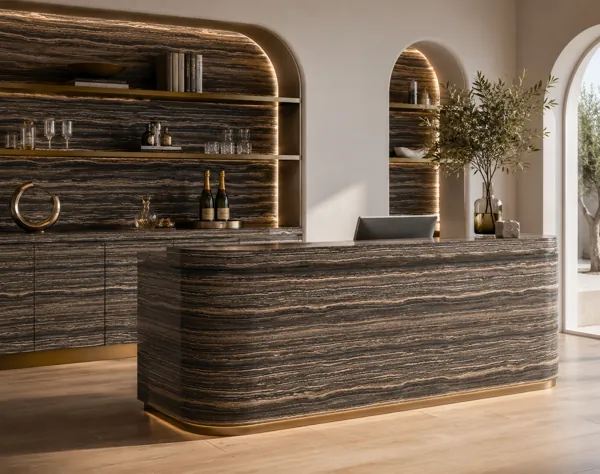
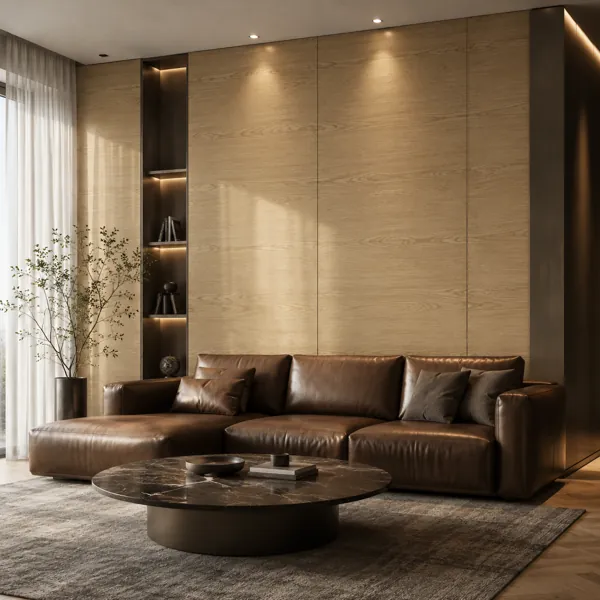
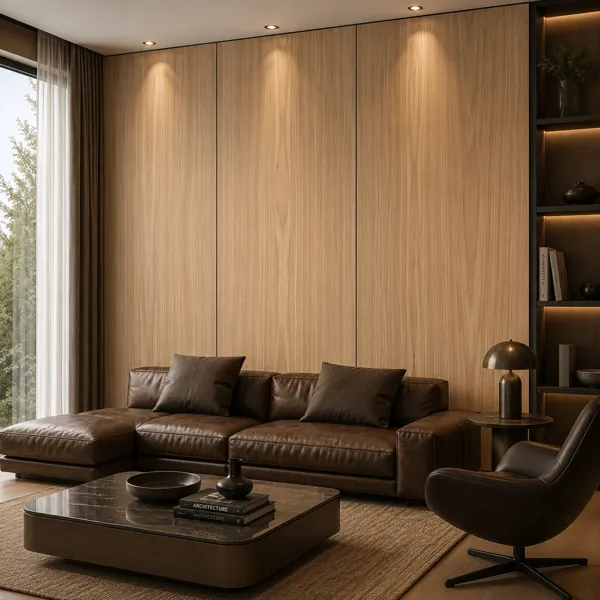
This rosy brown wood texture can be applied to a variety of interior furniture and decorative surfaces. In living rooms, its flowing cathedral grain can become a visual feature on media cabinets, shelving units, sideboards, coffee tables, and statement wall panels. In bedrooms, the warm brown palette works for wardrobe doors, headboard panels, bedside cabinets, and dressing furniture. The expressive grain also suits office desks, storage systems, reception counters, and meeting-room cabinetry. Kitchen concepts can incorporate the material into cabinet fronts, island cladding, and decorative panels, while cafes and commercial interiors may use it for counters, display fixtures, partitions, and custom joinery. Because the pattern contains pronounced curved figures, careful placement is especially important on large visible surfaces. Aligning the vertical grain with tall panels can reinforce their proportions, while rotating the texture for horizontal applications can change the visual emphasis of the material.
For architectural visualization and CGI, this wood texture provides a detailed color reference for representing decorative wood surfaces on three-dimensional furniture and interior elements. In 3ds Max, the supplied diffuse color information can be assigned to an appropriate material and positioned using UV Mapping. The elongated cathedral figures make UV scale and orientation particularly noticeable: excessive stretching can distort the curved grain, while inconsistent mapping between adjacent panels may interrupt the visual flow. When applying the texture to cabinets with multiple doors, designers should evaluate whether the repeated figures create the desired rhythm or appear too uniform. The warm reddish-brown palette may look different under daylight, neutral studio illumination, or warm artificial lighting, so lighting tests are useful before final rendering. The displayed image alone does not confirm that the texture tiles seamlessly in every direction, and repeated applications should be checked for visible transitions.
Within modern interior design, the rosy brown coloring creates a warm material presence that can complement neutral architectural backgrounds. It works visually with cream upholstery, off-white walls, beige stone, warm gray fabrics, matte black metal details, and softly colored decorative surfaces. The flowing cathedral grain provides more movement than restrained linear wood patterns, making it particularly suitable for selected furniture fronts or feature panels. In minimalist environments, the wood can introduce organic variation without requiring additional decorative ornament. In warmer contemporary spaces, it can coordinate with earthy textiles and subdued lighting to establish a cohesive material palette. The relatively pronounced grain should be considered when combining the texture with heavily patterned stone, fabric, or wall finishes, since several competing patterns may reduce visual clarity. The image suggests decorative veneer-style applications, but it does not establish the construction or species of any physical wood product.
The visible image confirms warm rosy brown coloration, darker flowing grain lines, elongated cathedral figures, and several small knot-like markings. It does not independently verify a specific wood species, physical dimensions, surface roughness, seamless tiling, or rendering-engine compatibility. The listed Albedo, Alpha, AO, Bump, Diffuse Color, Edge, Emission, Height, Metallic, Normal, Packed Texture, and Roughness maps are based on the supplied product information rather than verification of each map from the single preview. In a PBR workflow, available and verified maps may be connected to suitable material inputs to control surface relief, shading, and reflection characteristics. Roughness and bump values should be adjusted according to the desired wood finish rather than inferred directly from the diffuse image. Before producing final renders, check UV orientation, grain scale, repetition, lighting response, and the continuity of the pattern across neighboring surfaces.
Frequently asked questions
Is this texture free?
Yes. You can download it with a free Laruus account. Free textures are limited to 5 downloads per day.
Which software can I use this texture in?
The maps are standard image files, so they work in any renderer with PBR materials, such as Corona or V-Ray in 3ds Max, Blender, SketchUp with V-Ray or Enscape, and Unreal Engine.
What do I get when I download it?
A 38.6 MB download. It was added to Laruus on November 3, 2026.
Which spaces is it suitable for?
It suits Living Room, Bedroom, Office, Cafe, Commercial, Kitchen, and Entrance projects. Style: Modern.
Are there 3D models that use this material?
Yes. Laruus has 3D models in the same material:
- Wood — 223Browse Armchairs (29)