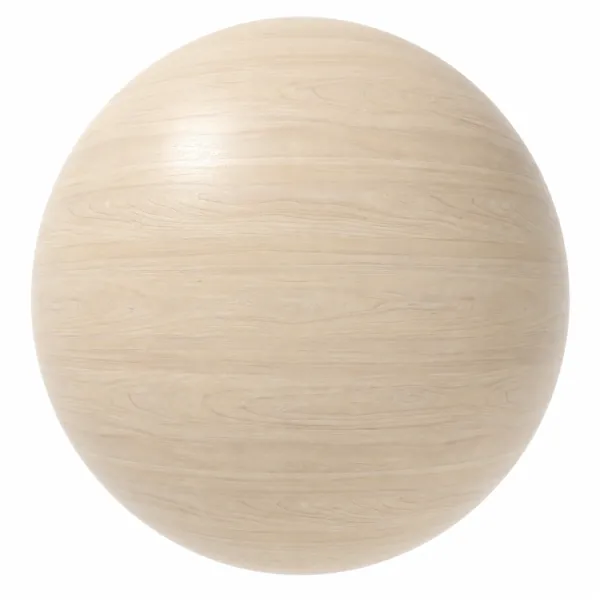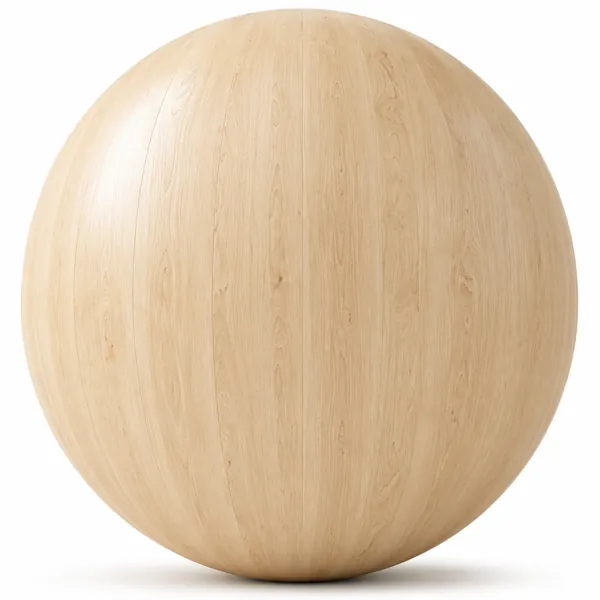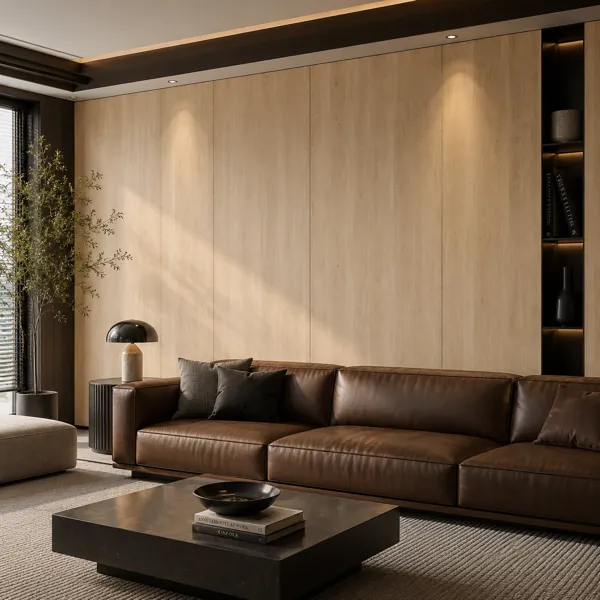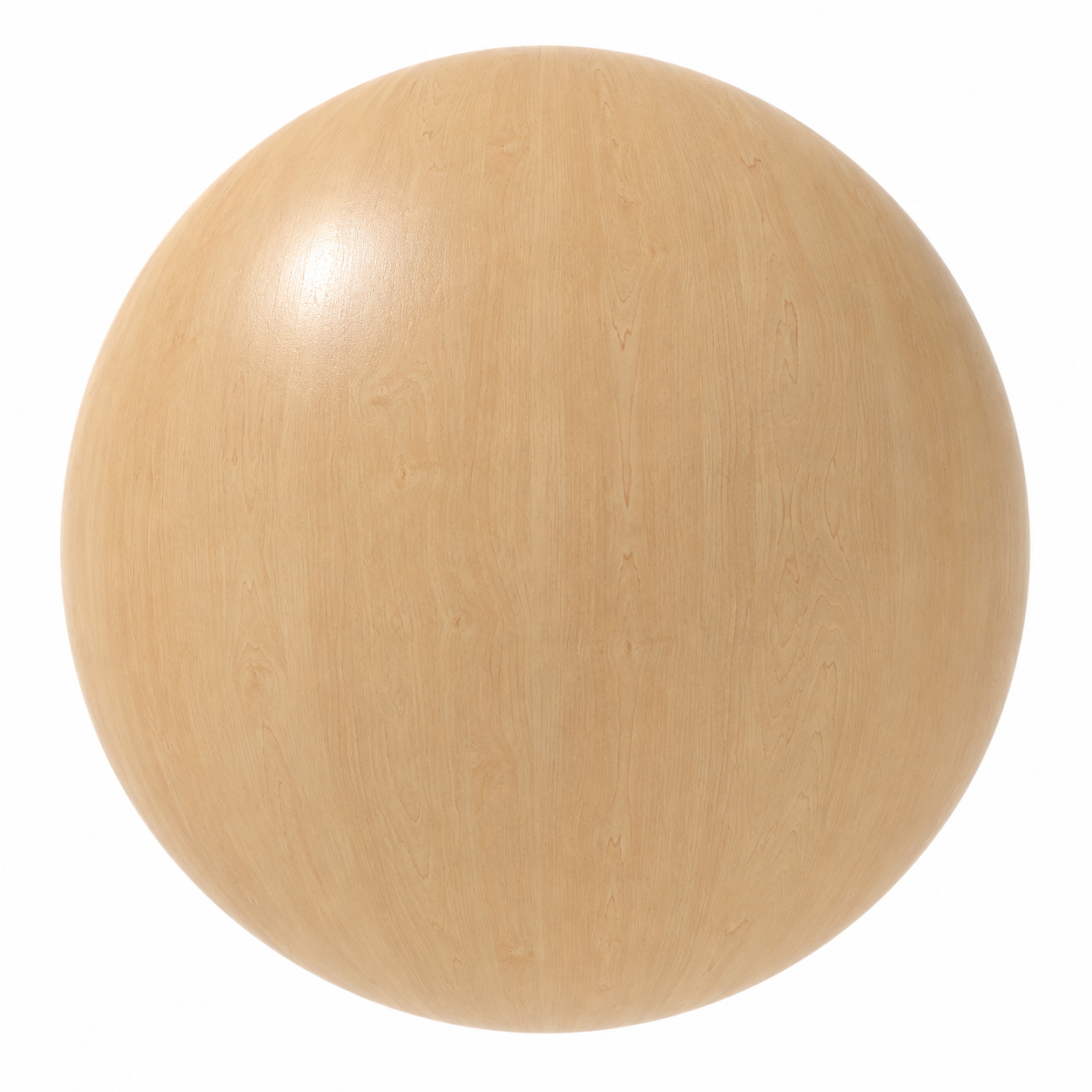
Light Blonde Fine Grain Natural Wood Texture
Wood No. 00097
FREE
Specifications
- Brand
- Laruus
- Style
- Modern
- Material
- Wood
- Suitable spaces
- Living Room, Bedroom, Office, Cafe, Commercial, Kitchen, Entrance, Childroom
- Color
- BeigeBrown
- File types
- Albedo MapAlpha MapAO MapBump MapDiffuse Color MapEdge MapEmission MapHeight MapMetallic MapNormal MapPacked Texture MapRoughness Map
Light Blonde Fine Grain Natural Wood Texture - High Resolution Seamless PBR Textures
Description
Light Blonde Fine Grain Natural Wood Texture presents a warm, pale beige wood surface defined by delicate linear grain, restrained tonal variation, and occasional softly outlined natural figures. Its visual character is clean and understated, making it particularly suitable for modern interiors where a light timber appearance is needed without introducing strong contrast or visually dominant markings. The subtle combination of blonde tones and slightly deeper beige-brown grain lines gives the material enough definition to remain visible under realistic lighting while maintaining a calm, contemporary design language.
The surface shows predominantly fine, elongated grain running in a consistent direction, accompanied by occasional curved formations and small knot-like details visible across the material preview. These variations help break up the otherwise uniform light surface and provide a believable natural wood character. The texture remains relatively low in contrast, so it can cover broad architectural surfaces without becoming excessively busy. Its balanced grain density also makes it practical for both large elements and smaller objects, allowing designers to maintain a coherent material identity across different scales within the same visualization.
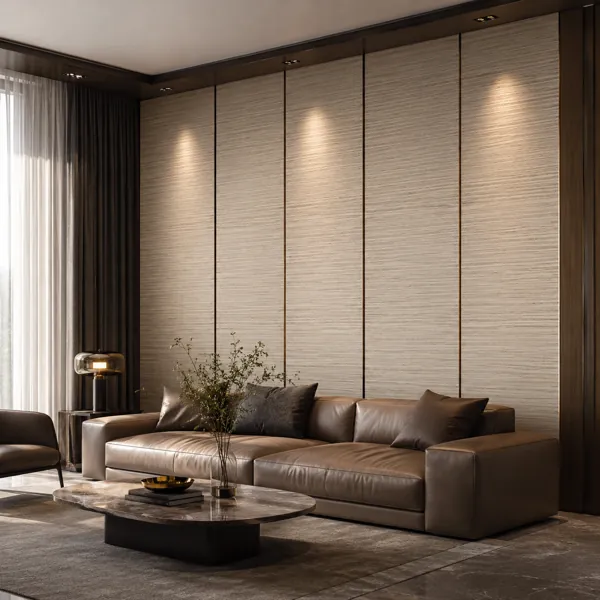
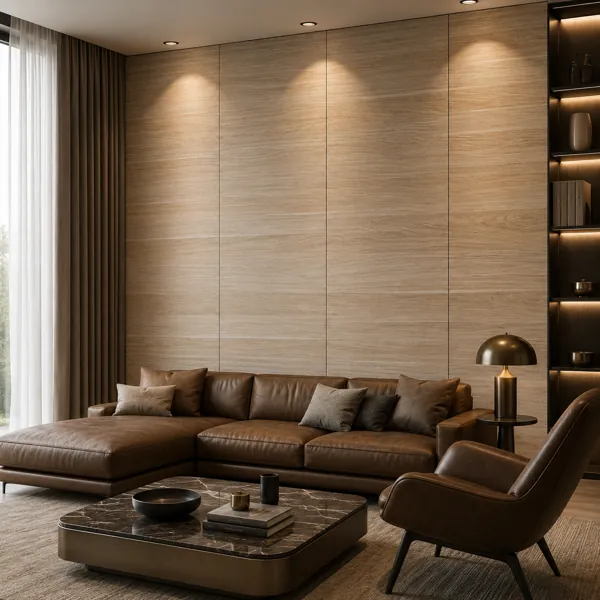
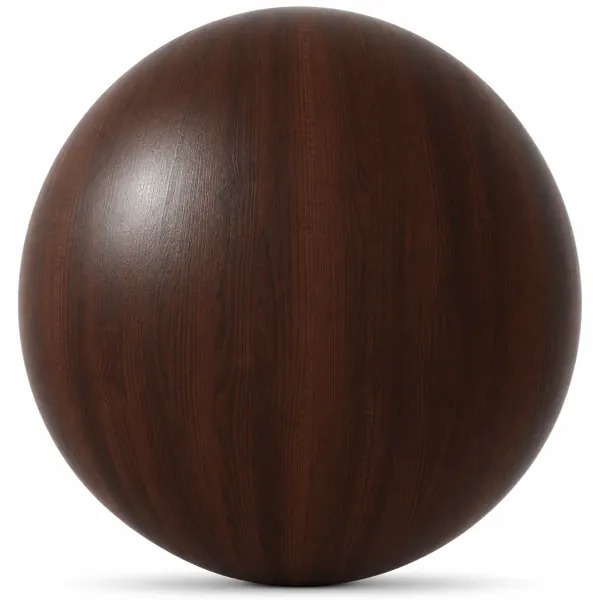
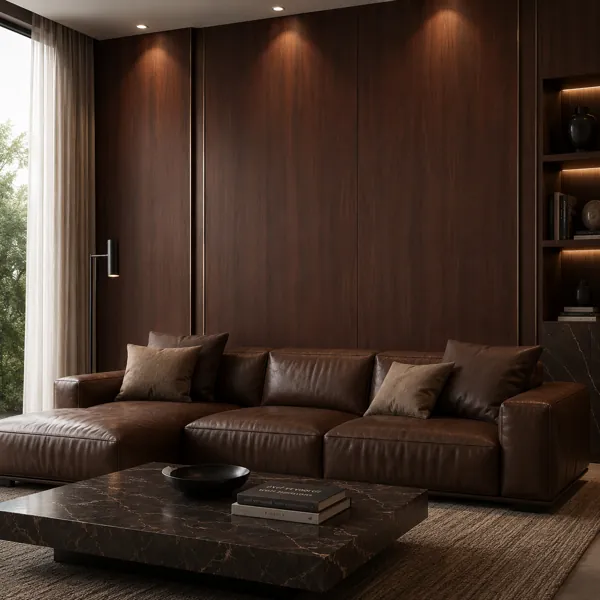
This light wood texture can be used for wall cladding, decorative panels, cabinetry, wardrobes, shelving, doors, tables, built-in furniture, kitchen components, and other timber surfaces. Its warm blonde-beige palette works naturally in Living Room, Bedroom, Office, Cafe, Commercial, Kitchen, Entrance, and Childroom environments. The restrained appearance makes it especially compatible with minimalist, Scandinavian-inspired, contemporary, and warm modern interiors. It can be paired visually with neutral fabrics, dark metals, stone, glass, leather, or contrasting darker woods to create clearly defined material relationships without overpowering the overall composition.
For architectural visualization and CGI workflows, the material is suited to scenes where realistic wood grain needs to remain legible in both wide interior views and closer material-focused shots. In 3ds Max workflows, it can be applied to architectural geometry or furniture surfaces and adjusted according to the physical dimensions and UV layout of the target object. Directional grain should be aligned carefully with the geometry, particularly on vertical wall panels, cabinet fronts, doors, and elongated furniture components, so that the natural flow of the wood remains visually convincing throughout the render.
Within interior design presentations, the pale tone can help maintain visual brightness while still introducing the warmth associated with natural timber. It is particularly effective on expansive wall treatments and full-height joinery, where darker woods may feel visually heavy. Fine grain lines remain subtle from a distance while becoming more apparent in closer views, providing useful surface information for catalog imagery, residential visualization, hospitality concepts, retail environments, and material studies. Controlled daylight or soft artificial illumination can reveal the tonal nuances without changing the material's naturally light character.
The supplied texture package includes Albedo Map, Alpha Map, AO Map, Bump Map, Diffuse Color Map, Edge Map, Emission Map, Height Map, Metallic Map, Normal Map, Packed Texture Map, and Roughness Map. These maps support detailed PBR material construction and give artists flexibility when configuring surface response for their chosen rendering workflow. Appropriate UV mapping, real-world texture scaling, restrained bump intensity, and physically plausible roughness settings are recommended to preserve the fine grain and subtle surface structure visible in the source material.
Frequently asked questions
Is this texture free?
Yes. You can download it with a free Laruus account. Free textures are limited to 5 downloads per day.
Which software can I use this texture in?
The maps are standard image files, so they work in any renderer with PBR materials, such as Corona or V-Ray in 3ds Max, Blender, SketchUp with V-Ray or Enscape, and Unreal Engine.
What do I get when I download it?
A 109 MB download. It was added to Laruus on September 3, 2026.
Which spaces is it suitable for?
It suits Living Room, Bedroom, Office, Cafe, Commercial, Kitchen, Entrance, and Childroom projects. Style: Modern.
Are there 3D models that use this material?
Yes. Laruus has 3D models in the same material:
- Wood — 197Browse Armchairs (29)
You might also like
Charcoal Gray Curved Velvet Sofa – Rounded Modular Form 3D Model
Laruus
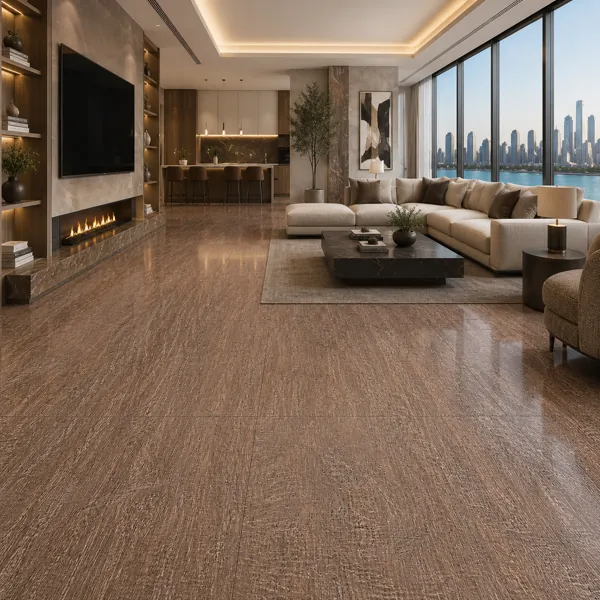
Warm Brown Ceramic Texture – Fine Crosshatched Striations Texture
Laruus
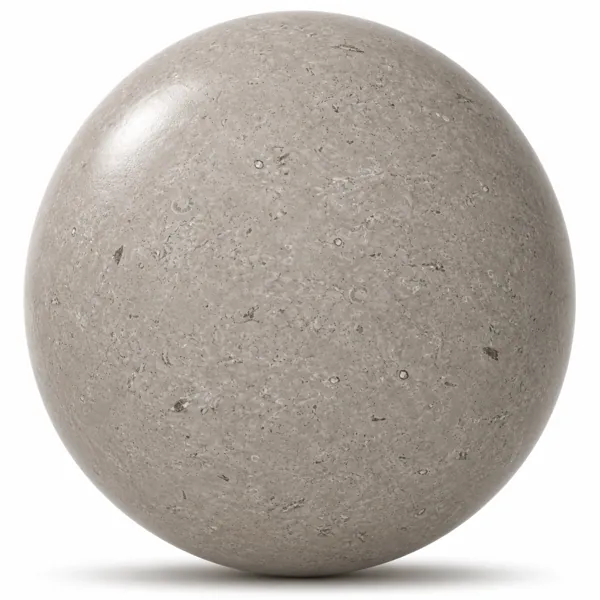
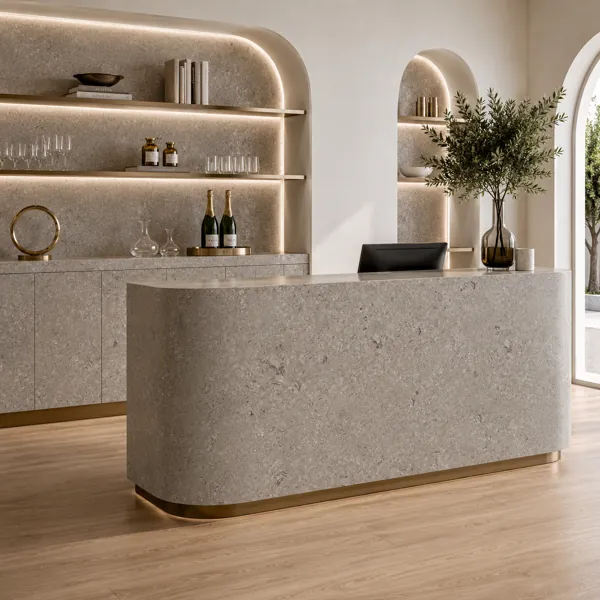
Fossil Pattern Light Beige Marble Texture
Laruus
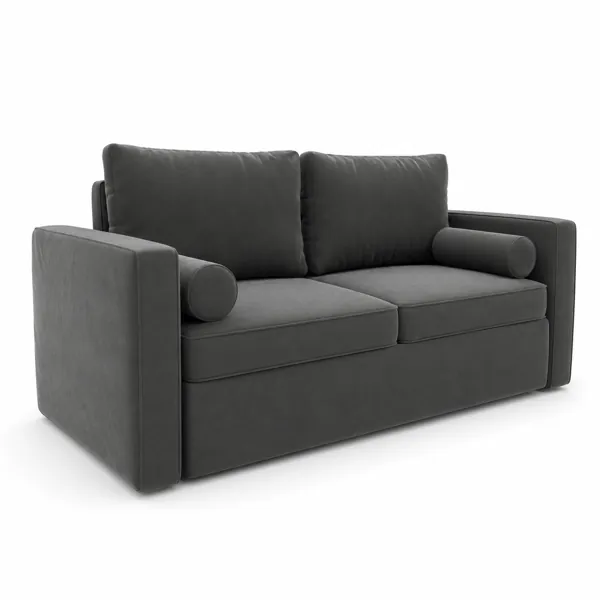
Charcoal Two-Seat Sofa with Bolster Cushions 3D Model
Laruus