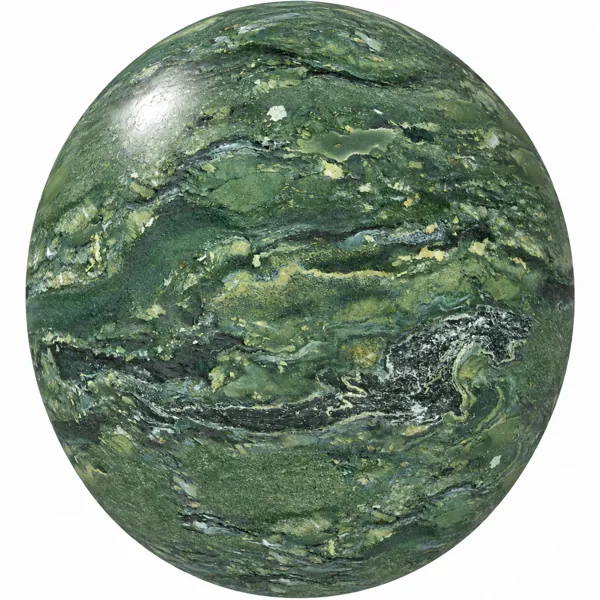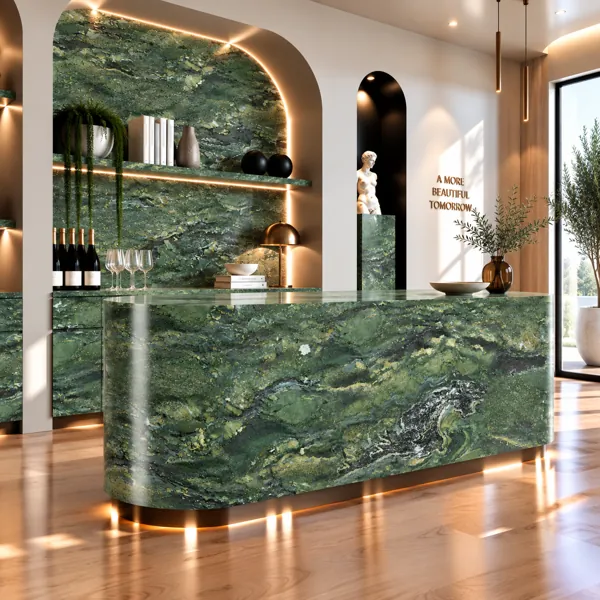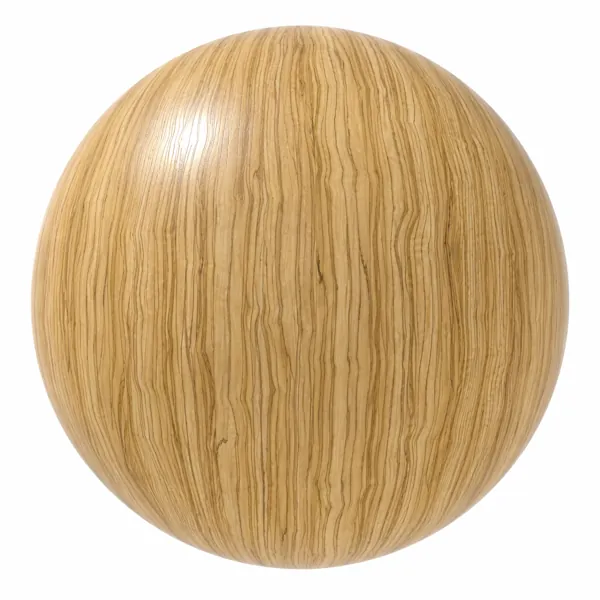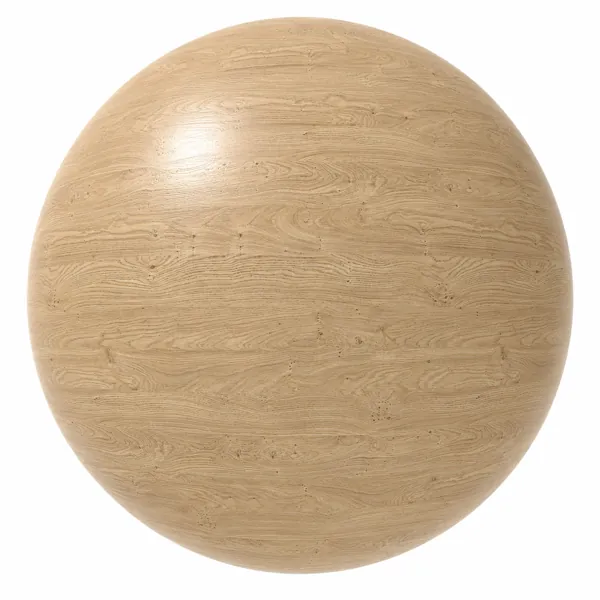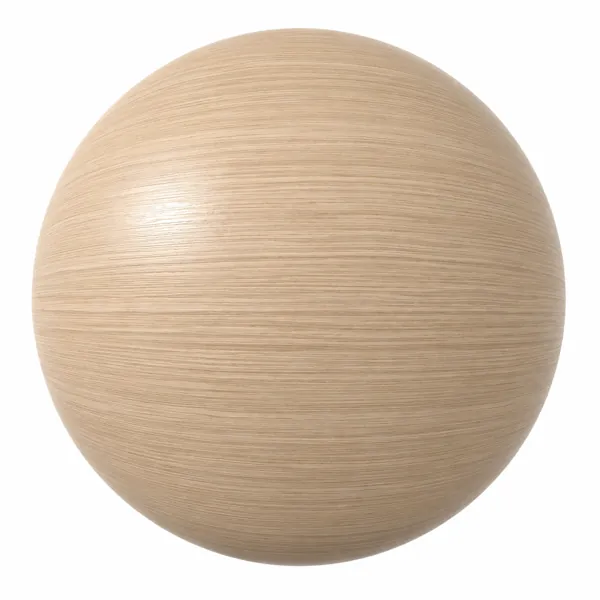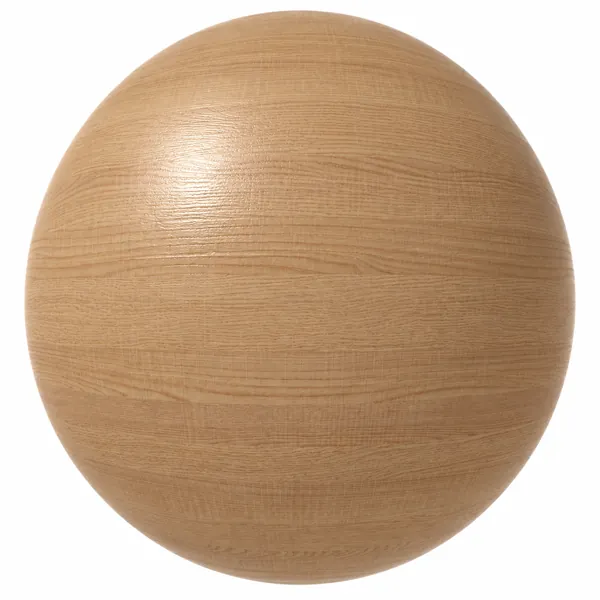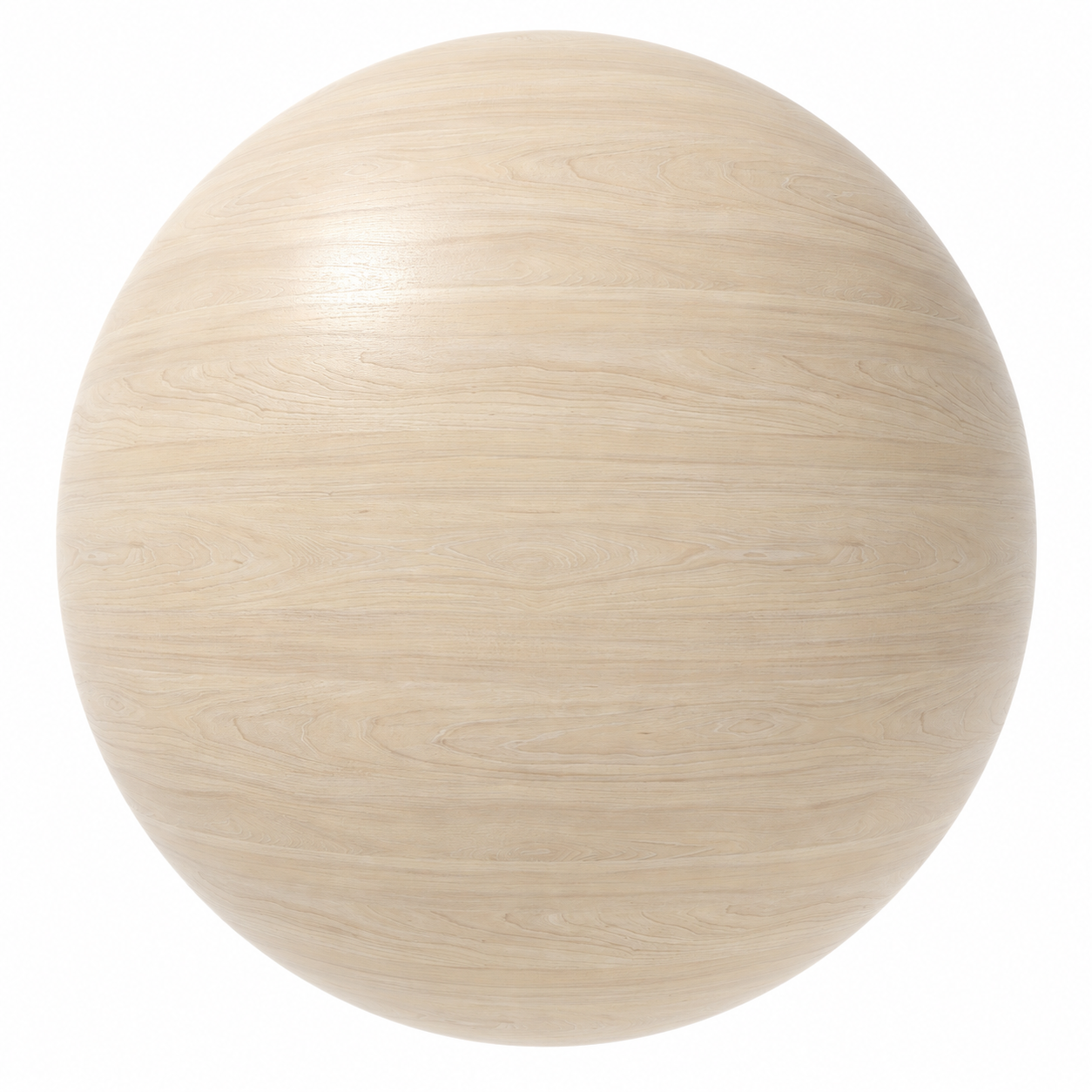
Light Greige Fine Linear Grain Wood Texture
Wood No. 00088
FREE
Specifications
- Brand
- Laruus
- Style
- Modern
- Material
- Wood
- Suitable spaces
- Living Room, Bedroom, Office, Cafe, Commercial, Kitchen, Entrance, Childroom
- Color
- BeigeGray
- File types
- Albedo MapAlpha MapAO MapBump MapDiffuse Color MapEdge MapEmission MapHeight MapMetallic MapNormal MapPacked Texture MapRoughness Map
Light Greige Fine Linear Grain Wood Texture - High Resolution Seamless PBR Textures
Description
Light Greige Fine Linear Grain Wood Texture presents a pale beige-grey wood surface distinguished by tightly spaced horizontal grain lines and restrained tonal variation. The visual character is calm, contemporary, and highly directional, with darker grey-brown lines running consistently across the lighter base. Rather than relying on large knots or dramatic figuring, this texture creates its identity through dense, delicate grain movement. Its neutral appearance makes it particularly suitable for modern interiors where natural wood character is desired without introducing a strong warm or dark color statement.
The material is visually defined by a fine linear wood structure with numerous closely arranged grain lines. Subtle irregularities prevent the surface from appearing mechanically uniform, while the overall pattern remains controlled enough for clean architectural applications. The light greige base sits between beige and grey, allowing the wood to coordinate with both warm and cool material palettes. The preview also indicates visible surface relief along the grain, helping the material retain depth when viewed under directional lighting. Because the exact wood species cannot be established confidently from the image alone, the material is described according to its observable tone, grain density, and linear pattern rather than assigning an unsupported species name.
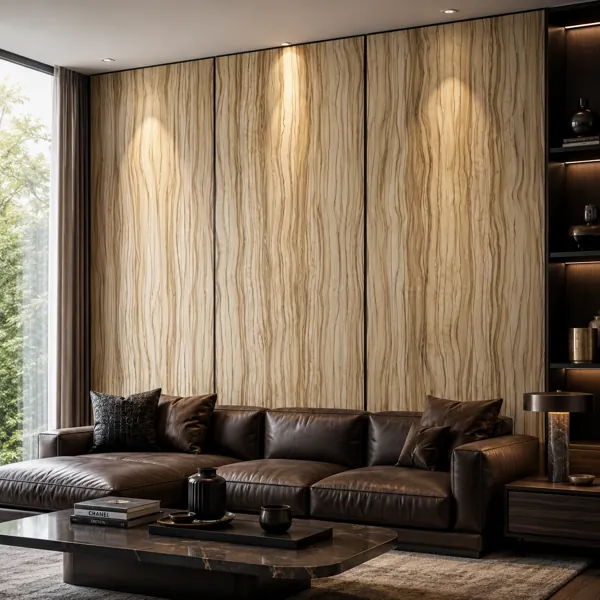
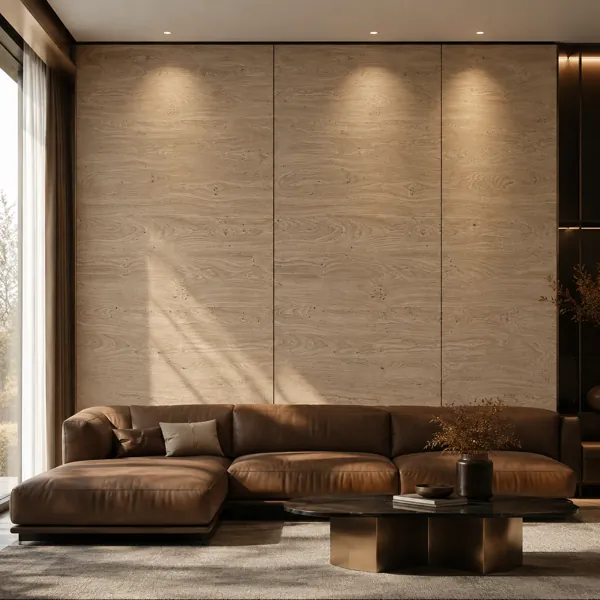
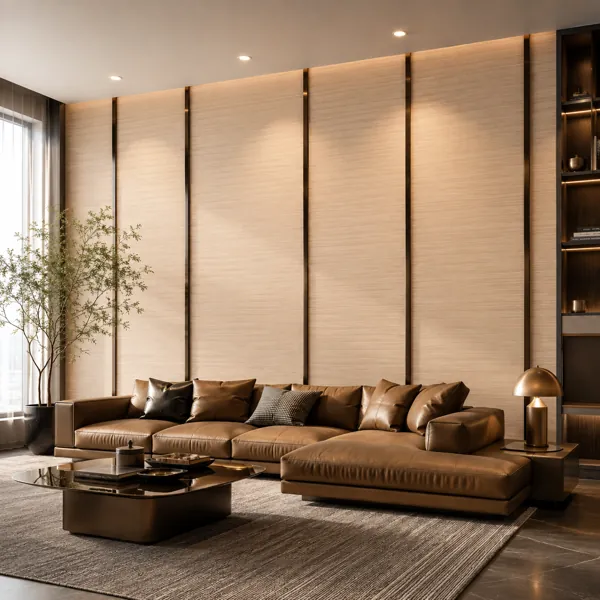
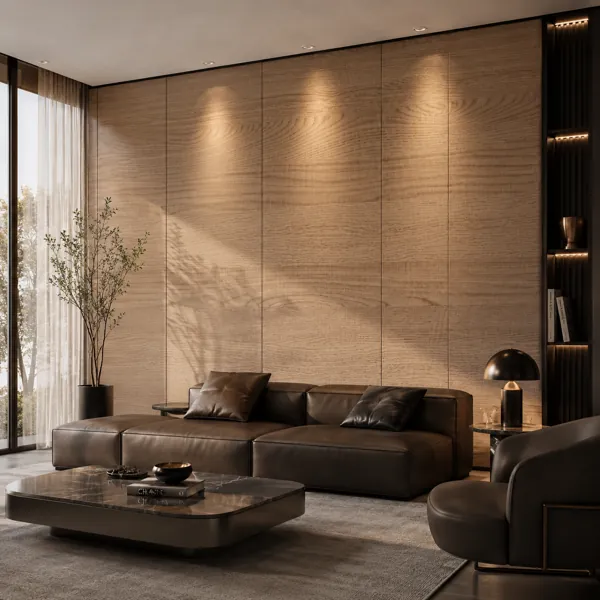
This light wood texture can work across a wide range of interior applications, including wall cladding, cabinetry, wardrobes, shelving, doors, furniture panels, built-in storage, kitchen elements, reception surfaces, and decorative joinery. In a Living Room or Bedroom, its subdued greige character can complement fabric, leather, stone, glass, and darker metal accents. In Office, Cafe, Commercial, and Entrance environments, the fine horizontal grain can provide visual continuity across broad surfaces without becoming overly dominant. It is also appropriate for Childroom applications where a light and visually soft wood finish supports an airy interior palette.
For architectural visualization and CGI workflows, the texture provides a useful foundation for creating detailed wood materials on both large architectural surfaces and smaller furniture components. The directional grain should be oriented deliberately through UV mapping so that it follows the construction logic of the modeled object. Horizontal placement can emphasize width on wall panels and cabinetry, while rotated mapping can adapt the same material to vertical doors, furniture fronts, or structural elements. Maintaining a consistent real-world texture scale across adjacent objects is especially important because the dense linear grain makes differences in mapping scale easy to notice in close-up renders.
Within modern interior design, the material pairs naturally with off-white plaster, grey stone, dark bronze or black metal, neutral upholstery, clear glass, and understated ceramic surfaces. Its beige-grey balance can soften minimalist spaces while preserving a clean architectural language. On broad wall applications, the closely spaced grain introduces texture without competing strongly with furniture or lighting. On cabinets and custom furniture, the linear pattern can reinforce long horizontal proportions and create a coherent visual rhythm across multiple fronts or panels.
The supplied texture set includes Albedo, Alpha, AO, Bump, Diffuse Color, Edge, Emission, Height, Metallic, Normal, Packed Texture, and Roughness maps for material-building workflows. These maps can be configured according to the requirements of the chosen shader and rendering pipeline. In 3D's Max, careful UV orientation, realistic mapping scale, controlled reflections, and appropriate bump or normal intensity will help preserve the fine grain visible in the reference. Since no renderer is specified, renderer-specific material settings are intentionally not assumed.
Frequently asked questions
Is this texture free?
Yes. You can download it with a free Laruus account. Free textures are limited to 5 downloads per day.
Which software can I use this texture in?
The maps are standard image files, so they work in any renderer with PBR materials, such as Corona or V-Ray in 3ds Max, Blender, SketchUp with V-Ray or Enscape, and Unreal Engine.
What do I get when I download it?
A 170 MB download. It was added to Laruus on September 3, 2026.
Which spaces is it suitable for?
It suits Living Room, Bedroom, Office, Cafe, Commercial, Kitchen, Entrance, and Childroom projects. Style: Modern.
Are there 3D models that use this material?
Yes. Laruus has 3D models in the same material:
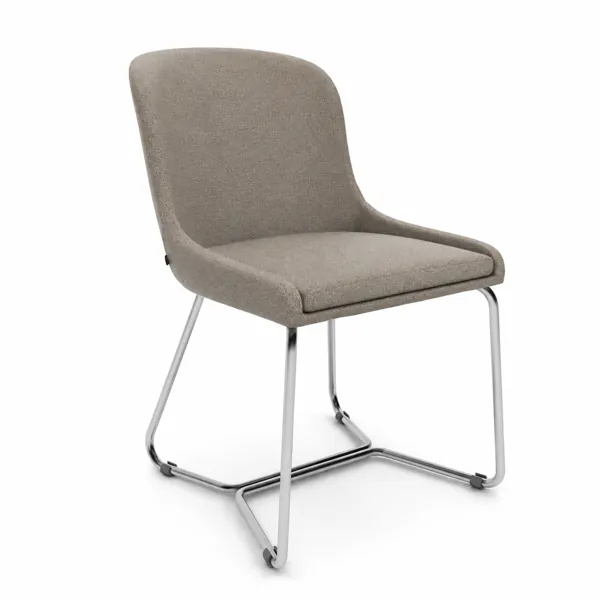
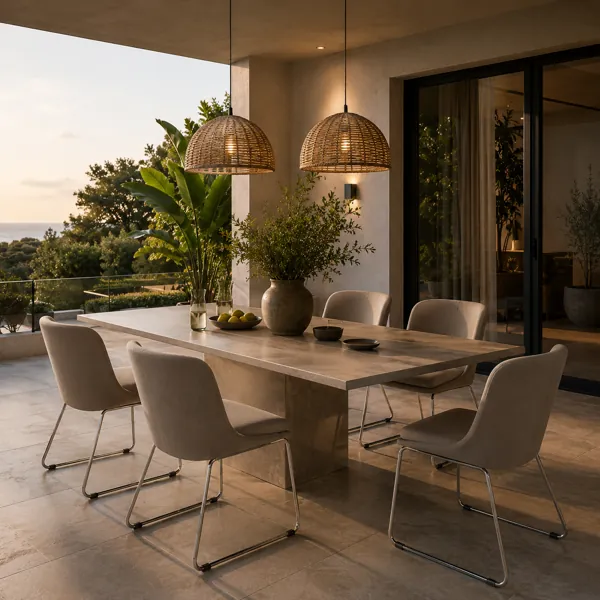
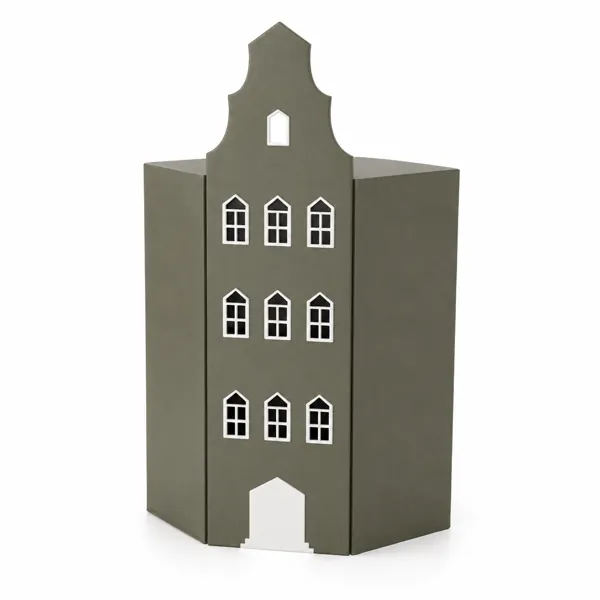
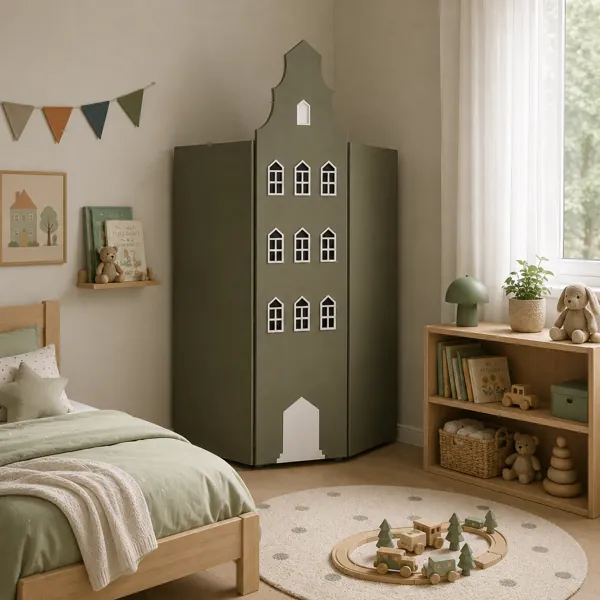
- Wood — 197Browse Armchairs (29)