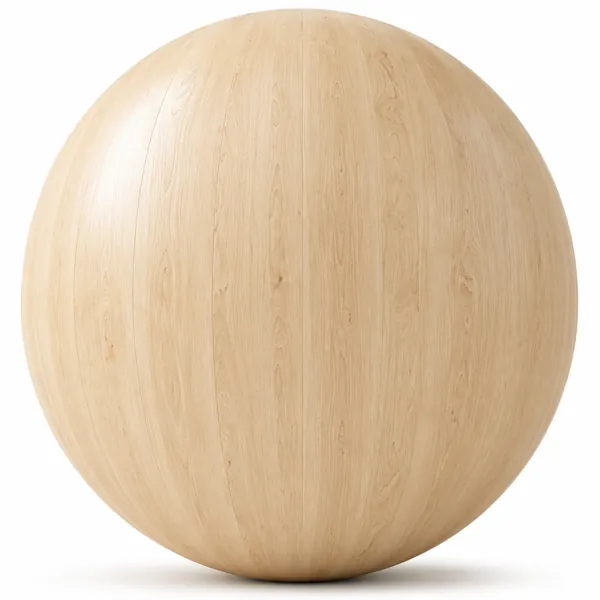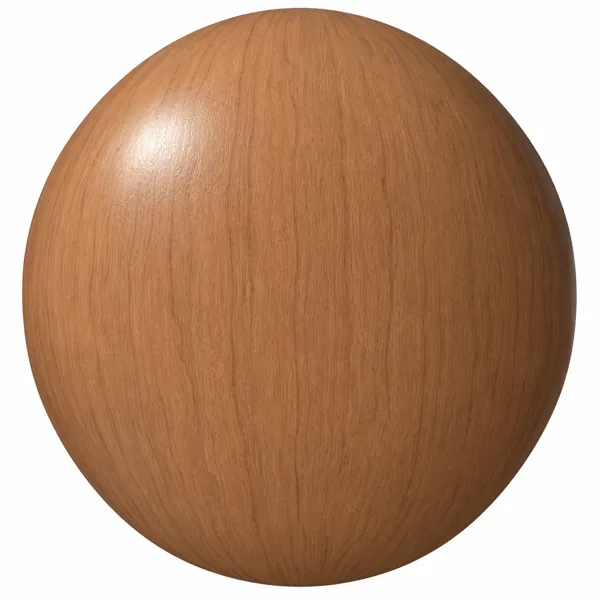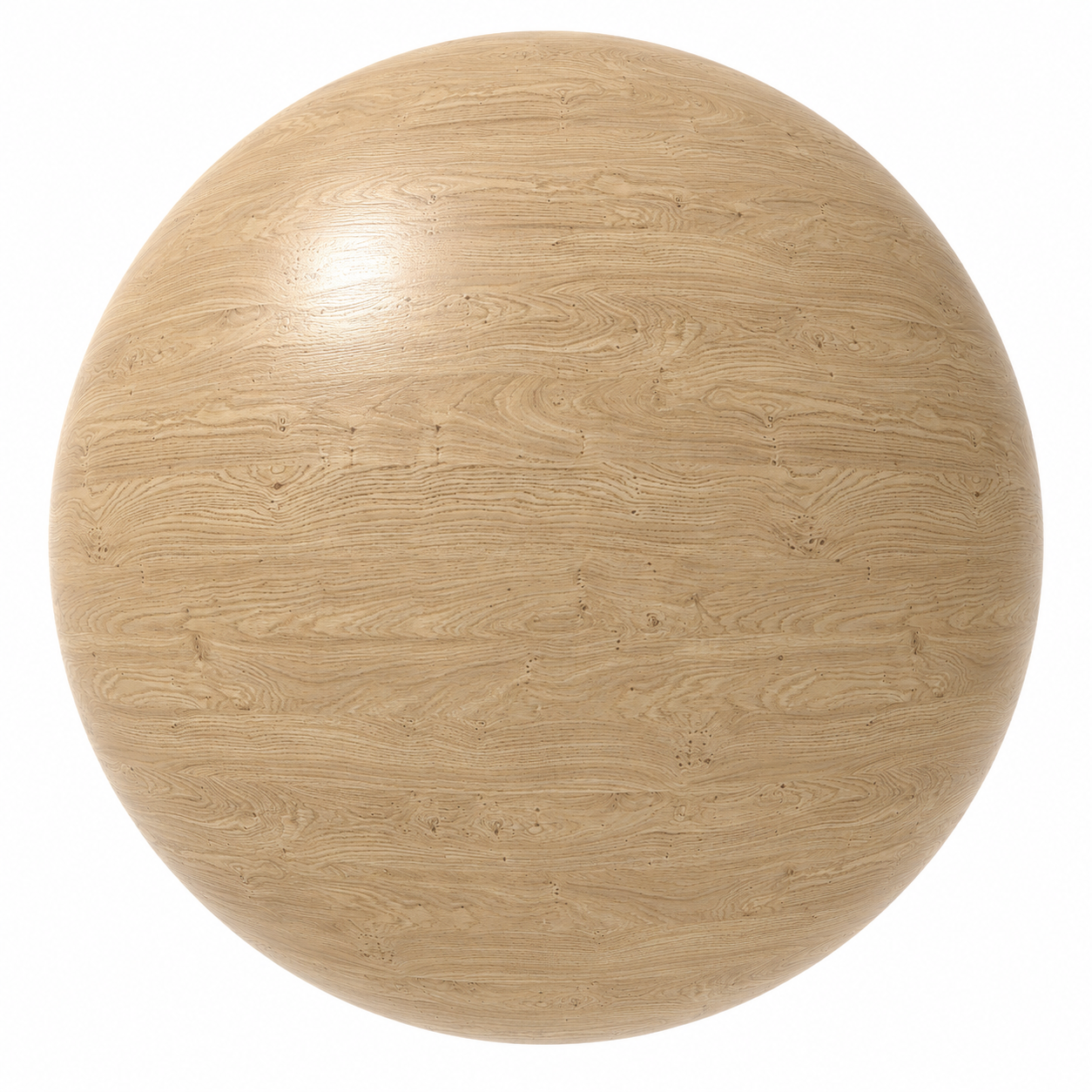
Light Beige Flowing Grain Wood Texture
Wood No. 00089
FREE
Specifications
- Brand
- Laruus
- Style
- Modern
- Material
- Wood
- Suitable spaces
- Living Room, Bedroom, Office, Cafe, Commercial, Kitchen, Entrance, Childroom
- Color
- BeigeBrown
- File types
- Albedo MapAlpha MapAO MapBump MapDiffuse Color MapEdge MapEmission MapHeight MapMetallic MapNormal MapPacked Texture MapRoughness Map
Light Beige Flowing Grain Wood Texture - High Resolution Seamless PBR Textures
Description
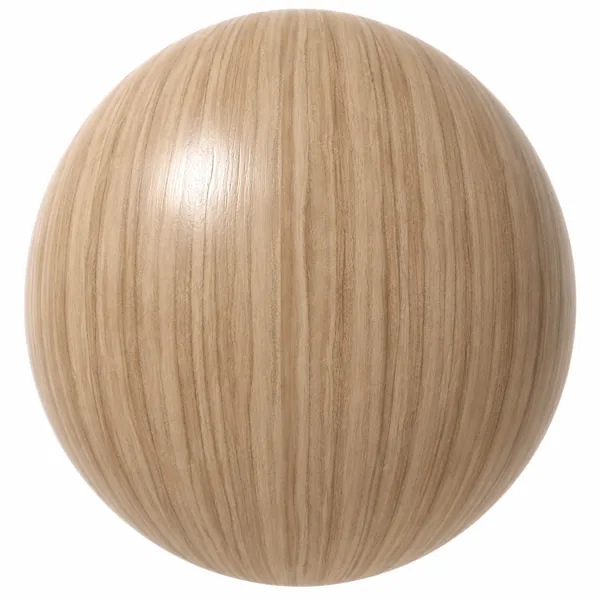
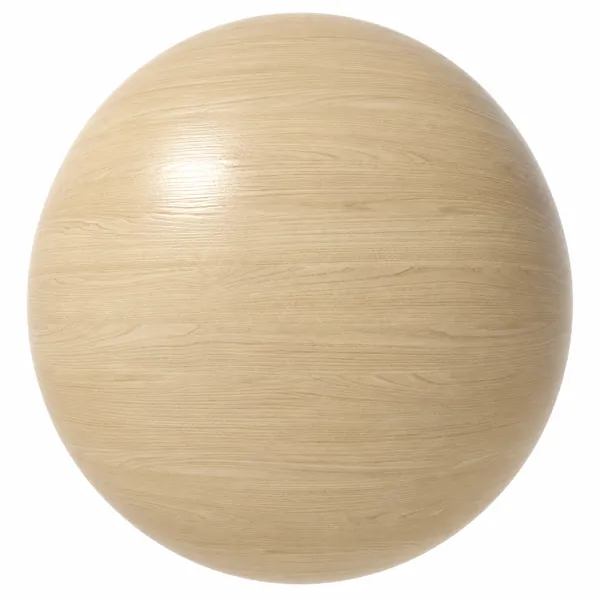
Light Beige Flowing Grain Wood Texture presents a warm, softly colored timber surface distinguished by expressive horizontal grain movement and scattered dark natural markings. The visible pattern combines elongated linear fibers with irregular wave-like formations, creating a surface that feels organic without becoming visually heavy. Its pale beige and light brown palette gives the material a calm contemporary character suitable for modern architectural visualization, furniture studies, and interior material development. Small darker pores and occasional knot-like details introduce natural variation across the otherwise balanced surface.
The wood appearance is defined by closely spaced grain lines that shift between relatively straight passages and broader flowing patterns. These variations create recognizable timber character while maintaining a consistent overall scale. Fine tonal transitions move from light beige to warmer brown accents, with darker points distributed irregularly throughout the grain. The rendered preview also reveals subtle surface relief and reflectivity, helping the directional fiber structure remain legible when light travels across the material. Because the exact wood species cannot be confirmed from the image alone, the texture is described according to its directly visible color, grain, and surface characteristics rather than an assumed species.
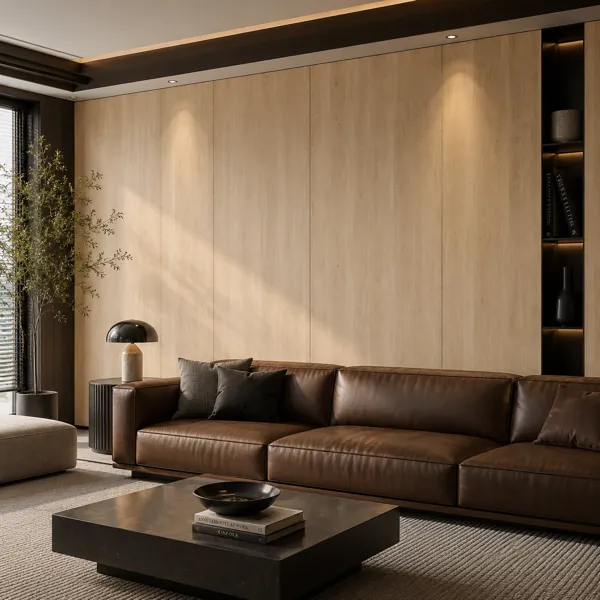
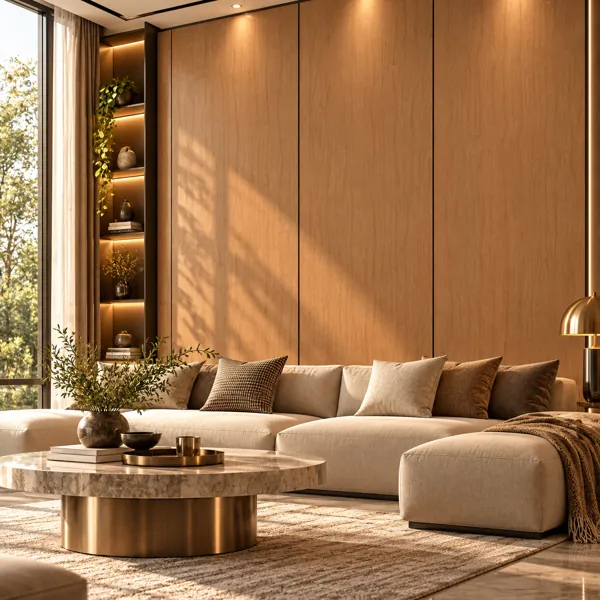
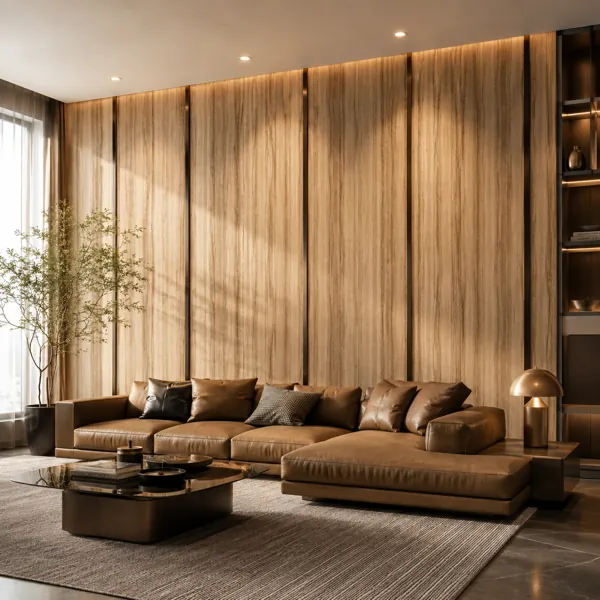
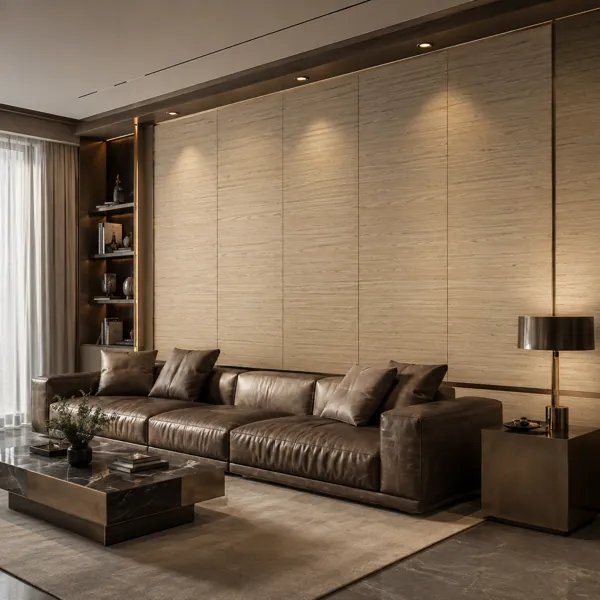
This light wood texture can support a broad range of interior applications. It is particularly suitable for wall cladding, cabinetry, shelving, tables, desks, wardrobes, doors, decorative panels, and other wood-covered architectural elements. In living rooms and bedrooms, its restrained beige coloring works naturally with neutral fabrics, stone surfaces, dark metal details, and warm lighting. It can also fit contemporary offices, cafes, commercial interiors, kitchens, entrances, and childroom concepts where a lighter timber appearance is required without losing visible grain definition.
Within an archviz and CGI workflow, the material provides a useful foundation for creating realistic wood surfaces on both architectural components and 3D furniture models. The directional grain should be aligned carefully with the geometry so that boards, panels, cabinet fronts, and horizontal surfaces follow believable construction logic. Correct UV scale is especially important because the fine grain density and irregular flowing formations contribute strongly to the material's visual identity. Lighting from oblique angles can emphasize the surface structure, while softer illumination keeps the pale color balanced in wider interior views.
From an interior design perspective, the combination of light beige coloring and active natural grain allows this texture to function as either a supporting finish or a visible focal material. Large applications can introduce warmth to minimalist rooms, while smaller furniture elements can provide organic contrast against plaster, concrete, glass, metal, or stone. The scattered dark markings prevent the surface from appearing overly uniform and add visual depth without dominating the surrounding composition.
The supplied texture set includes Albedo Map, Alpha Map, AO Map, Bump Map, Diffuse Color Map, Edge Map, Emission Map, Height Map, Metallic Map, Normal Map, Packed Texture Map, and Roughness Map. These maps provide material channels for building and adjusting a PBR workflow according to the requirements of the target scene and rendering setup. In 3ds Max workflows, users can control mapping scale, grain orientation, surface relief, and reflection response according to object dimensions, camera distance, and lighting conditions while preserving the distinctive light beige flowing grain visible in the source material.
Frequently asked questions
Is this texture free?
Yes. You can download it with a free Laruus account. Free textures are limited to 5 downloads per day.
Which software can I use this texture in?
The maps are standard image files, so they work in any renderer with PBR materials, such as Corona or V-Ray in 3ds Max, Blender, SketchUp with V-Ray or Enscape, and Unreal Engine.
What do I get when I download it?
A 201 MB download. It was added to Laruus on September 3, 2026.
Which spaces is it suitable for?
It suits Living Room, Bedroom, Office, Cafe, Commercial, Kitchen, Entrance, and Childroom projects. Style: Modern.
Are there 3D models that use this material?
Yes. Laruus has 3D models in the same material:
- Wood — 197Browse Armchairs (29)