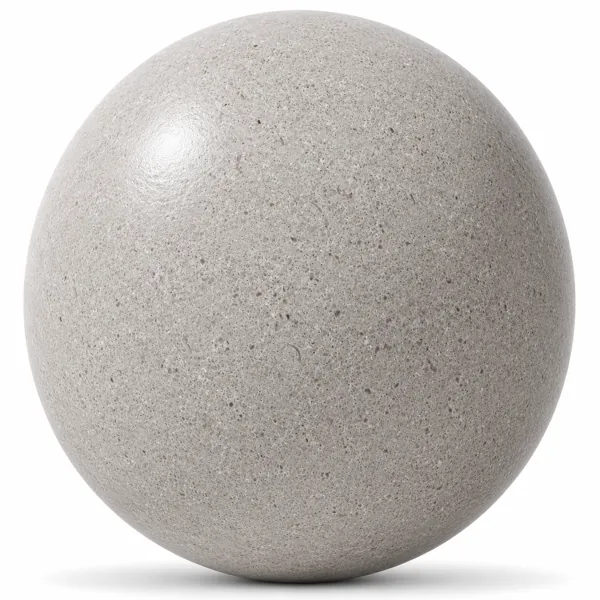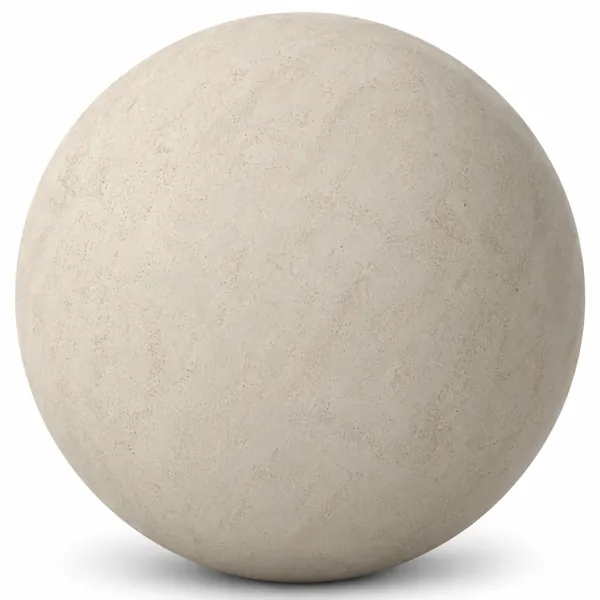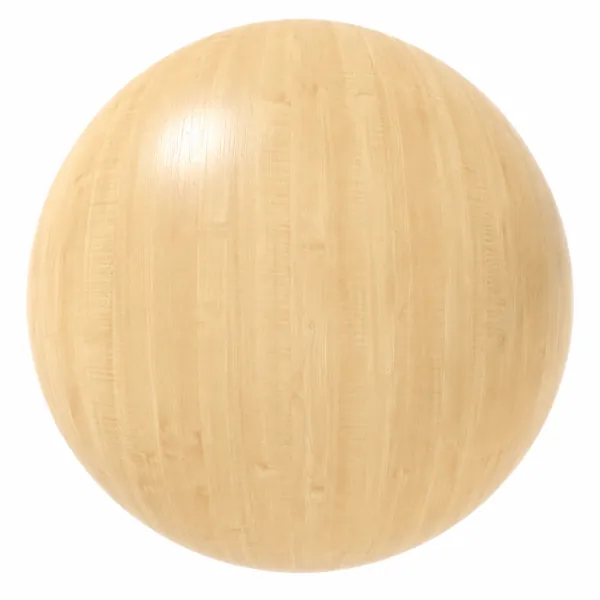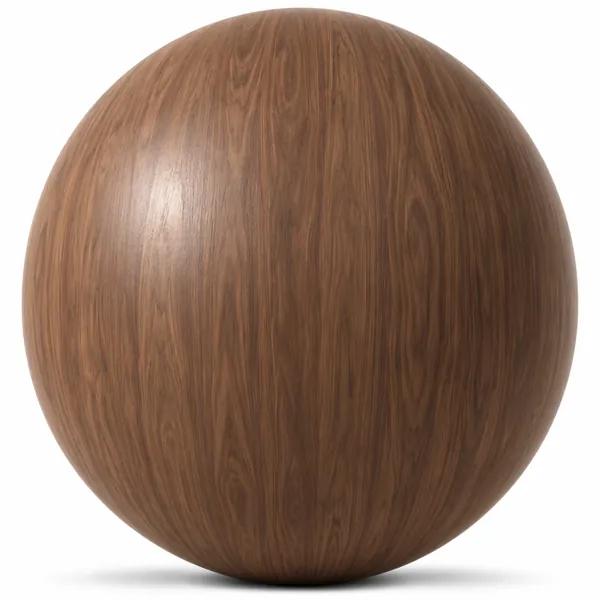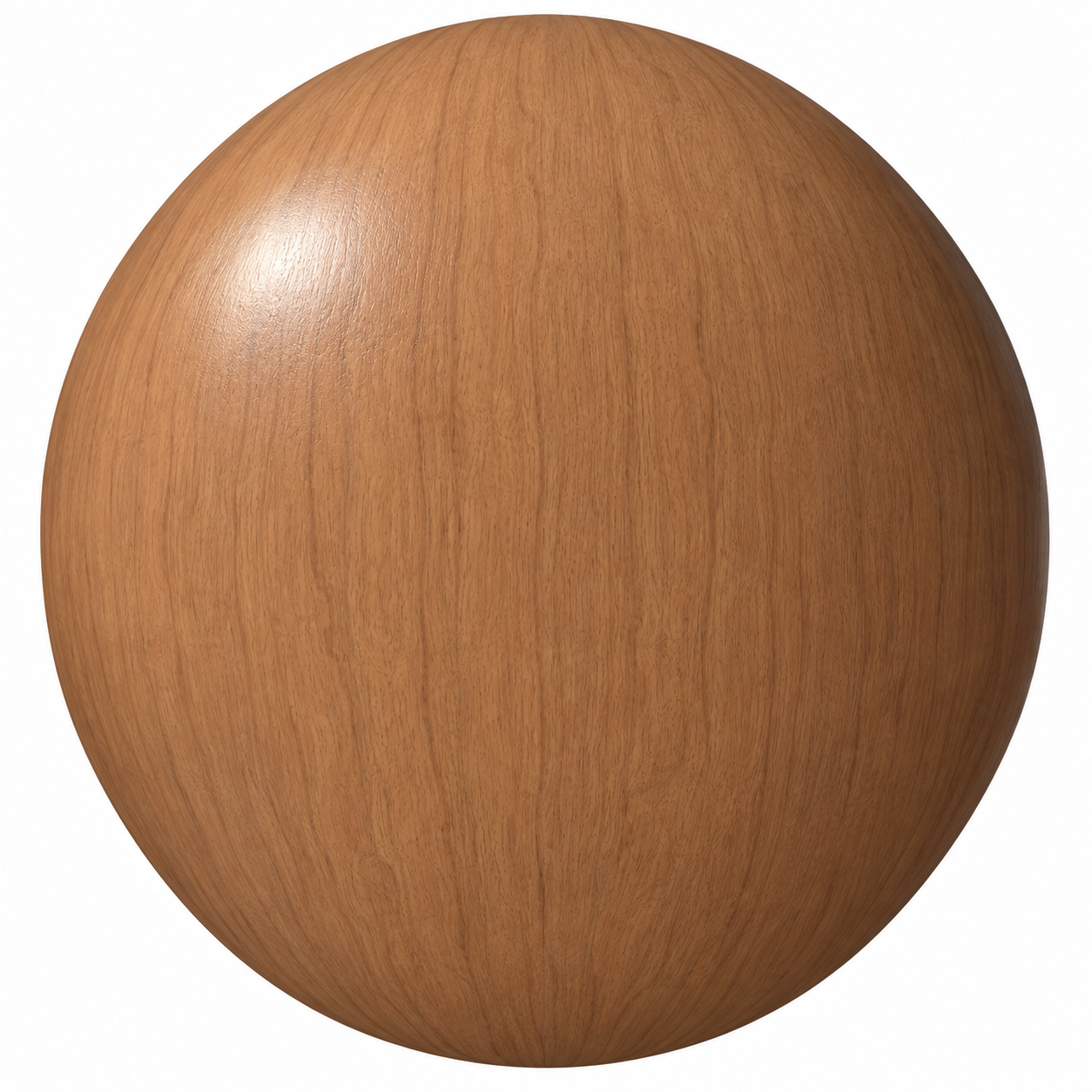
Warm Terracotta Brown Subtle Vertical Grain Wood Texture
Wood No. 00130
FREE
Specifications
- Brand
- Laruus
- Style
- Modern
- Material
- Wood
- Suitable spaces
- Living Room, Bedroom, Office, Cafe, Commercial, Kitchen, Entrance
- Color
- BrownOrange
- File types
- Albedo MapAlpha MapAO MapBump MapDiffuse Color MapEdge MapEmission MapHeight MapMetallic MapNormal MapPacked Texture MapRoughness Map
Warm Terracotta Brown Subtle Vertical Grain Wood Texture - High Resolution Seamless PBR Textures
Description
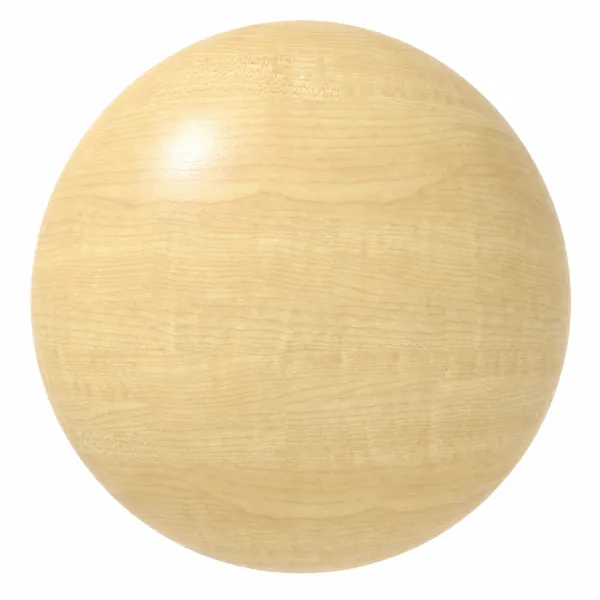
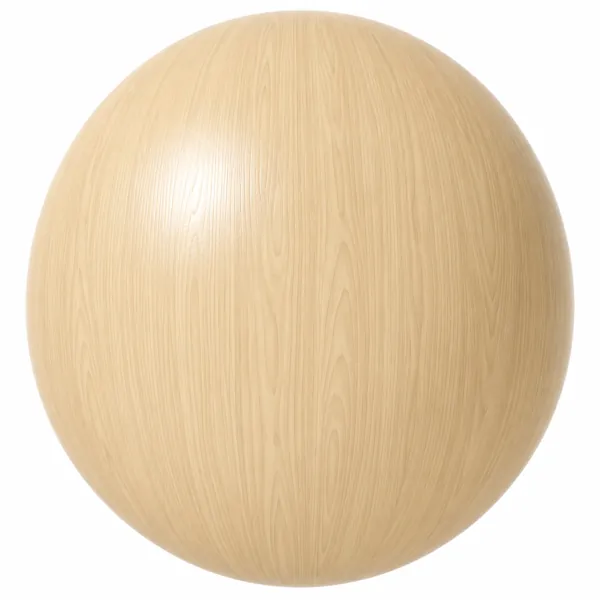
The Warm Terracotta Brown Subtle Vertical Grain Wood Texture presents a warm, medium-toned wood appearance characterized by muted reddish-orange brown coloration and delicate, predominantly vertical grain. Its distinguishing feature is the combination of an even terracotta-inspired brown base with numerous fine, slightly irregular darker fibers. Unlike wood patterns dominated by broad cathedral figures, dramatic knots, or strong contrasting stripes, this surface displays a restrained linear structure distributed across the image. The narrow grain markings introduce natural variation while preserving a relatively uniform overall color. Small changes in the intensity and spacing of the fibers create a softly textured appearance that can complement modern interior compositions. The material is best identified by its visible warm brown color and understated grain rather than a specific timber species, which cannot be established reliably from the image alone. Its visual character makes it relevant to designers seeking a balanced wood appearance with warmth but without pronounced decorative figuring.
The texture shows a continuous field of wood-colored material with closely spaced, fine longitudinal markings. The grain generally follows a vertical direction, although individual lines bend, taper, and occasionally form small irregular clusters. Warm orange-brown and muted reddish-brown tones form the principal color range, accompanied by slightly darker brown fiber details. The image includes subtle cloudy changes in coloration rather than sharply defined bands or contrasting boards. A few faint, irregular darker marks contribute to its organic appearance, but no prominent knots, open cracks, or plank joints are clearly visible. The wood pattern appears visually consistent across the square image. Nevertheless, the image does not establish the physical dimensions of the represented surface, the precise wood species, or whether the source depicts solid timber, veneer, engineered wood, or another wood-based finish. The tactile surface treatment, protective coating, and manufacturing method are also unknown. Although the grain looks continuous, seamless edge matching cannot be confirmed without testing the texture as a repeating tile.
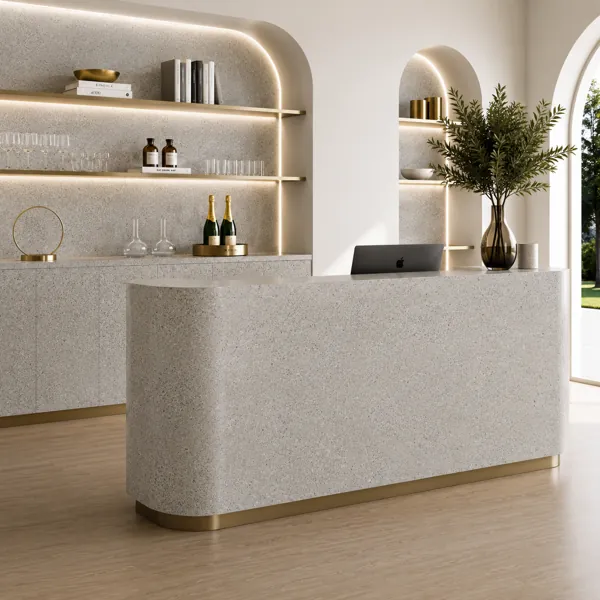
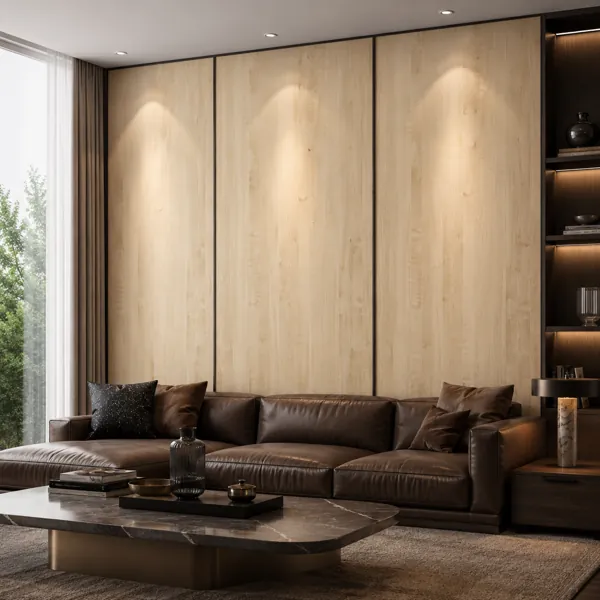
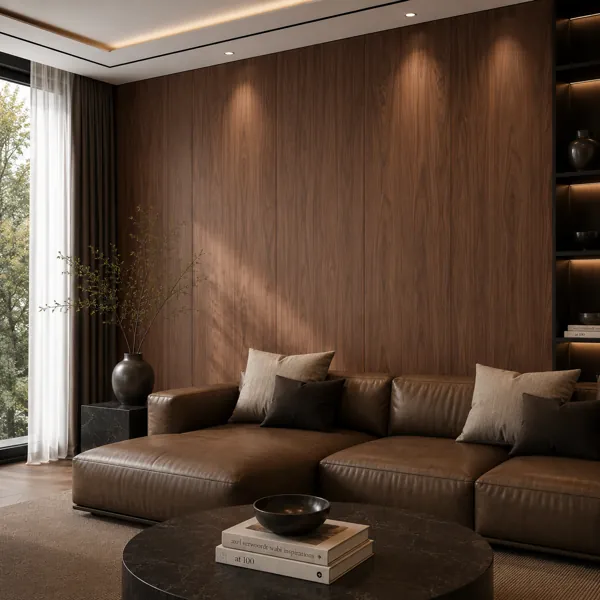
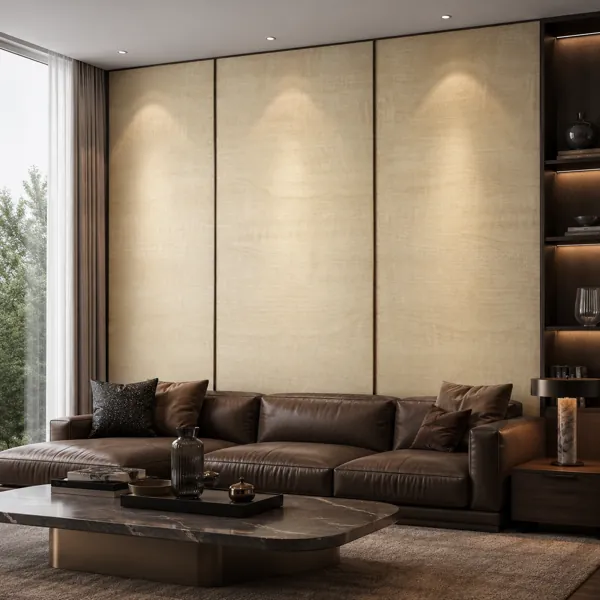
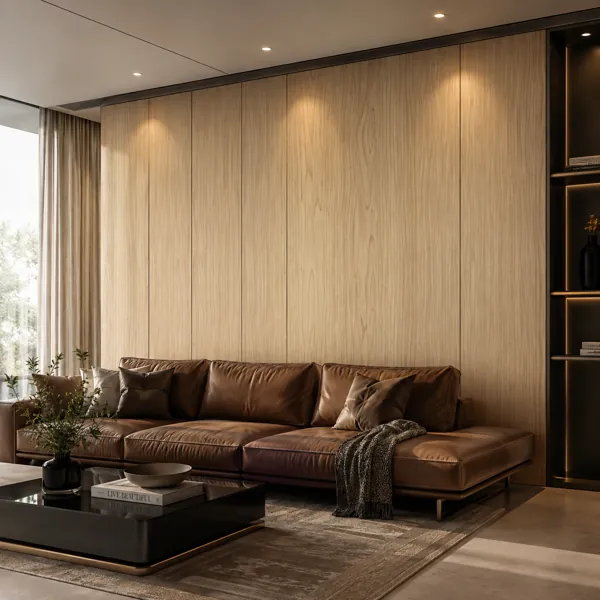
This warm brown wood texture can be used as a visual reference for furniture, cabinetry, decorative wall cladding, interior doors, shelving, desks, and architectural joinery. Its restrained grain pattern makes it particularly suitable for broad cabinet fronts and wall panels where excessive pattern contrast could distract from the overall design. In living rooms, the material can be explored on media cabinets, storage units, or selected furniture surfaces. In bedrooms, it may suit wardrobes, bedside furniture, and integrated storage. Offices and commercial interiors can incorporate a similar wood appearance on reception desks, shelving systems, and decorative partitions. Kitchen visualizations may use the texture for cabinet doors paired with light stone or neutral countertops. These examples describe possible aesthetic applications in design and visualization, not verified physical performance. Resistance to water, abrasion, heat, and environmental exposure cannot be determined from the supplied color image.
For architectural visualization and CGI, the texture provides a directional wood color reference for use in 3ds Max and compatible 3D material workflows. Its fine vertical grain can help communicate the orientation of wood fibers on flat furniture surfaces, doors, and large panels. When mapping the image onto a model, UV coordinates should be aligned with the intended grain direction. Vertical cabinet doors generally benefit from upright grain, whereas shelves and tabletops may require the mapping to be rotated. Texture scaling is important because the physical size represented by the image is not specified. Artists should assess the perceived width of the grain relative to the modeled object rather than assume a fixed real-world dimension. The gentle tonal differences may appear more or less pronounced depending on exposure, color management, and lighting. Repeated patterns, visible tile boundaries, and stretching should be checked before completing a final render.
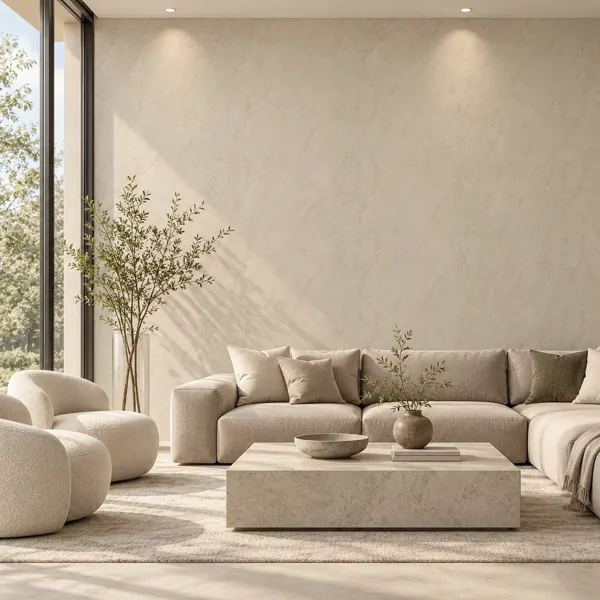
Within contemporary interior design, the terracotta brown palette can create a welcoming contrast with off-white walls, cream upholstery, pale stone, and muted gray surfaces. Its reddish-orange warmth also works with beige textiles, dark metal details, and subdued earth colors. Because the grain is relatively fine and low in contrast, it can support clean architectural forms without becoming the dominant visual feature. Large vertical panels may emphasize height, while smaller furniture applications can introduce warmth into otherwise minimal spaces. In interiors with abundant daylight, the orange-brown character may become more noticeable, whereas neutral or cooler artificial lighting can moderate the warmth. The material can therefore be evaluated alongside other finishes under the lighting planned for the scene. Its visual uniformity is useful for compositions that require a consistent timber appearance across several connected elements.
The supplied preview confirms a warm terracotta-like brown color, fine predominantly vertical wood grain, subtle darker fiber markings, and gentle variations in tone. It does not verify the wood species, physical scale, actual finish, seamless tiling, or the technical behavior of additional maps. The provided product information lists Albedo, Alpha, AO, Bump, Diffuse Color, Edge, Emission, Height, Metallic, Normal, Packed Texture, and Roughness maps. Their individual contents, resolution, and compatibility cannot be independently verified from the color image. In a PBR workflow, available validated maps should be connected to their corresponding shader inputs according to the renderer and intended material response. Roughness, bump, normal, and height settings require inspection to avoid introducing surface properties unsupported by the reference. Before final rendering, review UV alignment, color balance, repetition, and the relationship between the texture and surrounding materials.
Frequently asked questions
Is this texture free?
Yes. You can download it with a free Laruus account. Free textures are limited to 5 downloads per day.
Which software can I use this texture in?
The maps are standard image files, so they work in any renderer with PBR materials, such as Corona or V-Ray in 3ds Max, Blender, SketchUp with V-Ray or Enscape, and Unreal Engine.
What do I get when I download it?
A 51.2 MB download. It was added to Laruus on October 18, 2026.
Which spaces is it suitable for?
It suits Living Room, Bedroom, Office, Cafe, Commercial, Kitchen, and Entrance projects. Style: Modern.
Are there 3D models that use this material?
Yes. Laruus has 3D models in the same material:
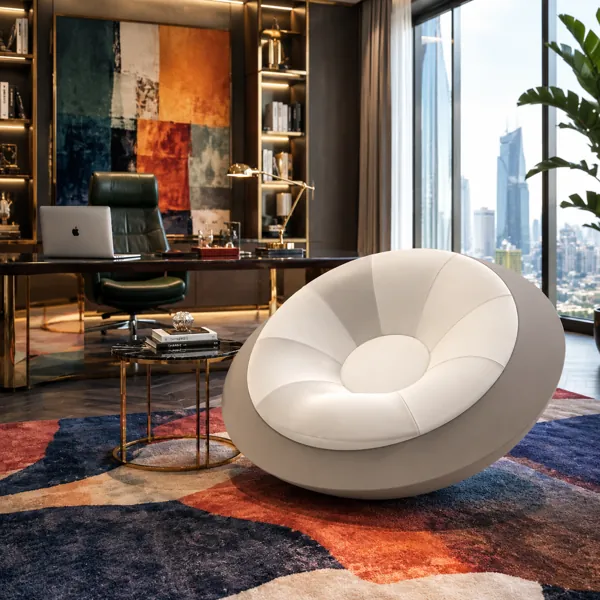
- Wood — 197Browse Armchairs (29)