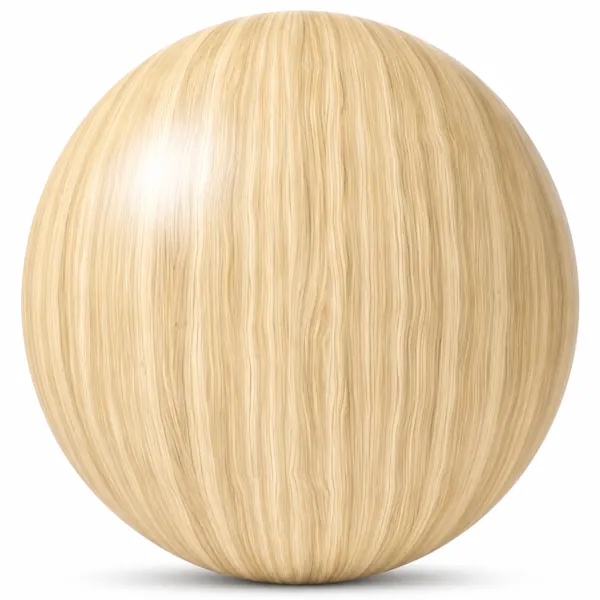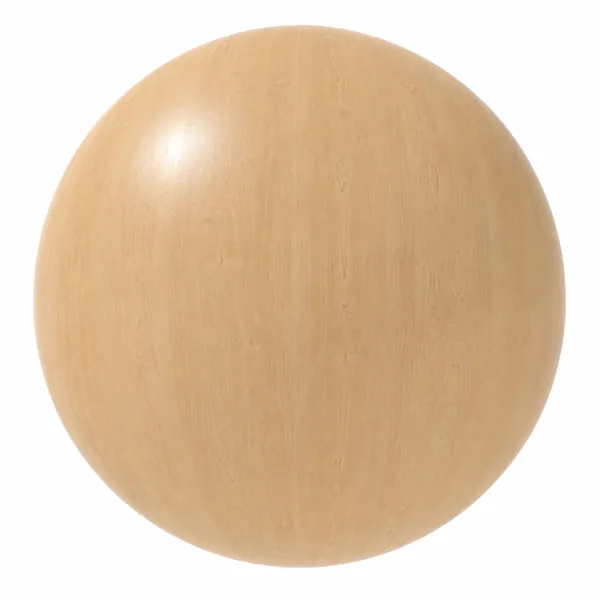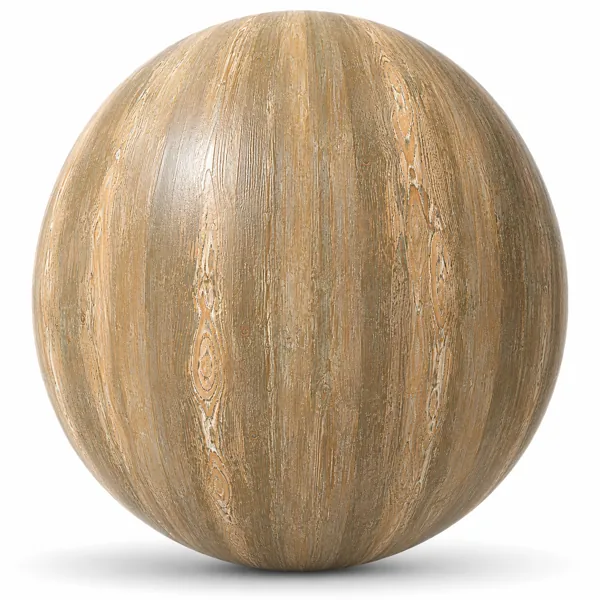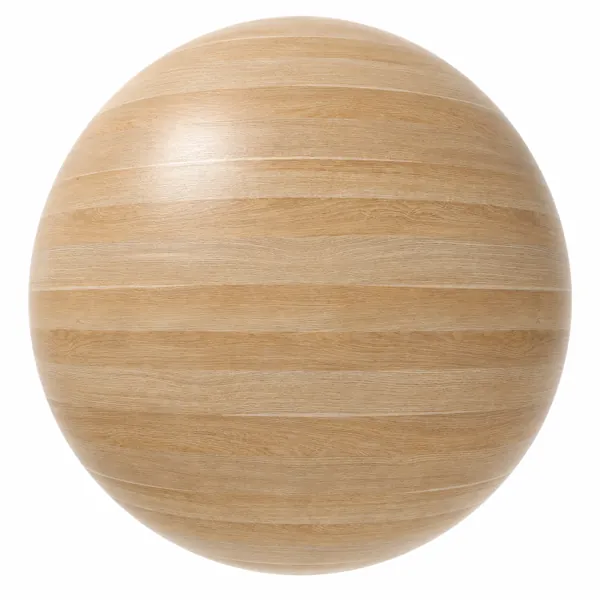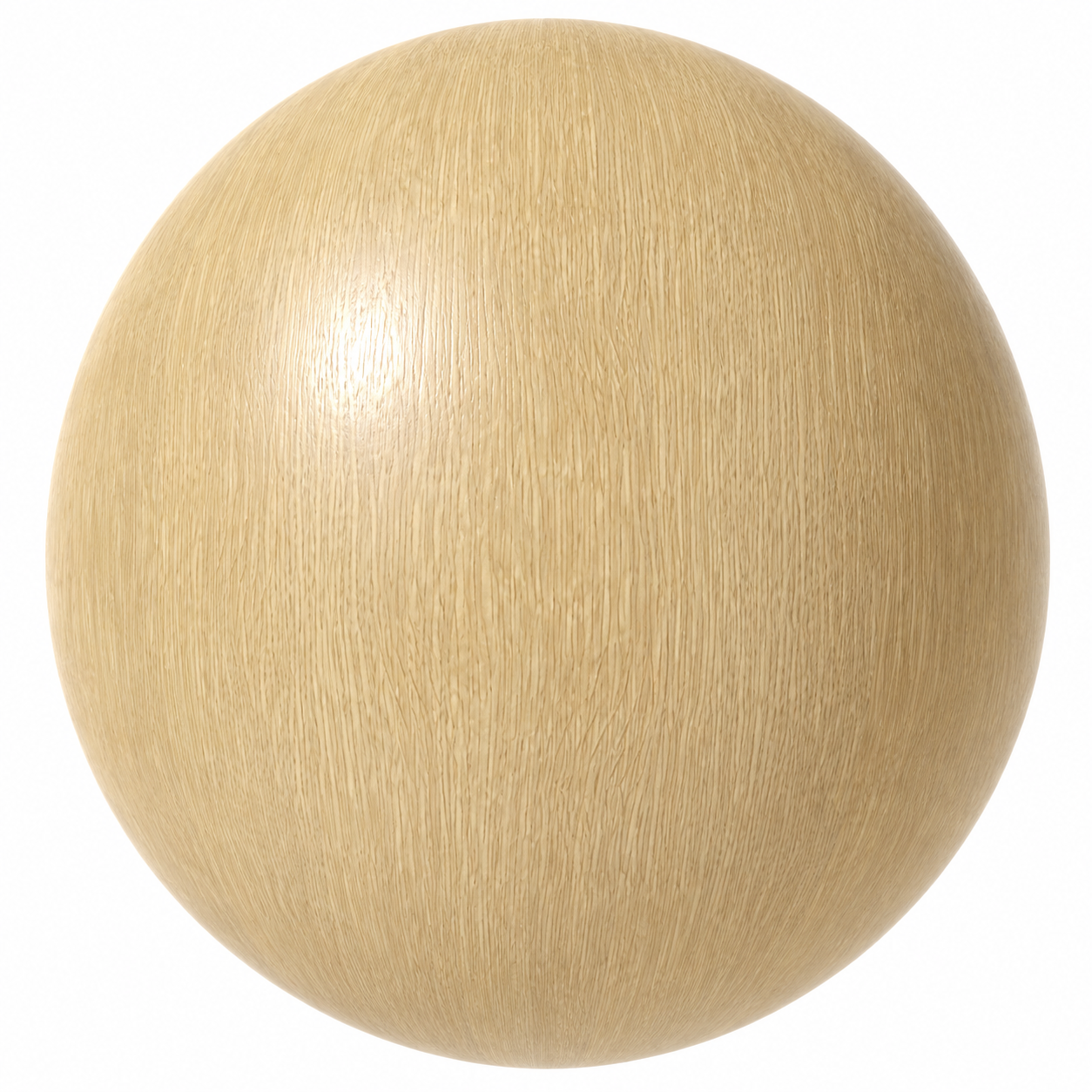
Light Beige Fine Vertical Grain Wood Texture
Wood No. 00063
FREE
Specifications
- Brand
- Laruus
- Style
- Modern
- Material
- Wood
- Suitable spaces
- Living Room, Bedroom, Office, Cafe, Commercial, Kitchen, Entrance, Childroom
- Color
- BeigeBrown
- File types
- Albedo MapAlpha MapAO MapBump MapDiffuse Color MapEdge MapEmission MapHeight MapMetallic MapNormal MapPacked Texture MapRoughness Map
Light Beige Fine Vertical Grain Wood Texture - High Resolution Seamless PBR Textures
Description
Light Beige Fine Vertical Grain Wood Texture presents a refined natural wood surface defined by its pale beige-brown coloration and densely arranged linear grain. The visible pattern is predominantly straight and directional, creating a calm visual rhythm rather than the broad knots or dramatic curved formations found in more rustic timber surfaces. Subtle variations between lighter fibers and slightly darker narrow lines add definition without introducing excessive contrast. This restrained appearance gives the material a clean modern character while preserving the organic irregularity associated with natural wood. Its combination of a light neutral tone and fine elongated grain makes it particularly suitable for interiors where wood should provide warmth while maintaining a visually quiet architectural language.
The material is composed visually of Bej with understated Kahverengi grain accents. Fine, closely spaced fibers extend consistently in one dominant direction, forming a vertically oriented pattern in the supplied preview. Small variations in spacing, thickness, and tone prevent the grain from appearing mechanically uniform. The texture contains no clearly dominant large knots or highly contrasting markings, allowing its linear structure to remain the principal identifying feature. Because the exact botanical wood species cannot be established reliably from the image alone, the material is described according to observable properties rather than assigning an unsupported species name. Its pale coloration, dense fine grain, and controlled natural variation provide clear visual characteristics for catalog identification and material selection.
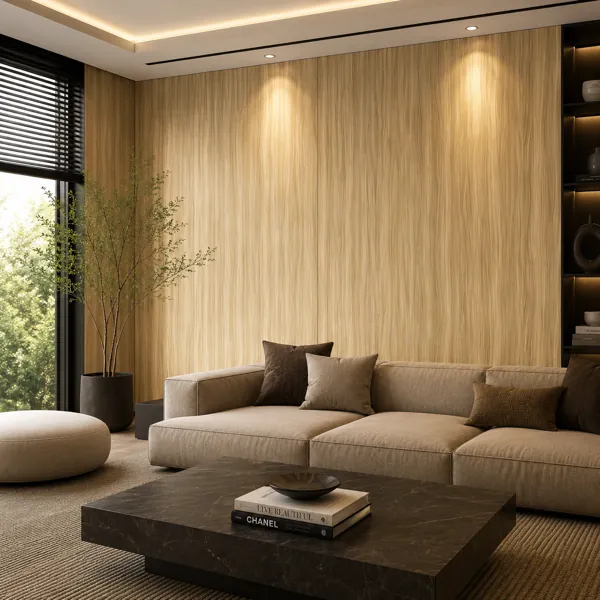
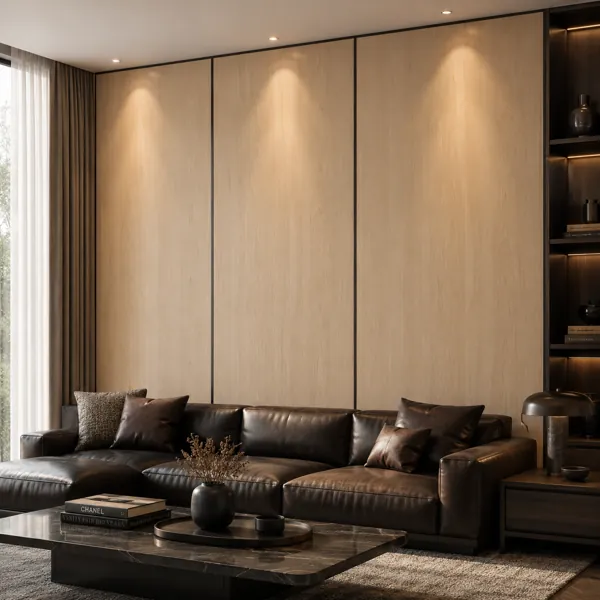
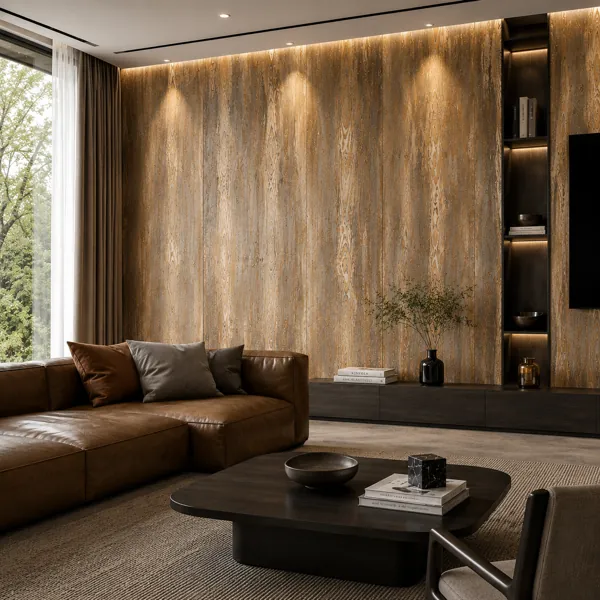
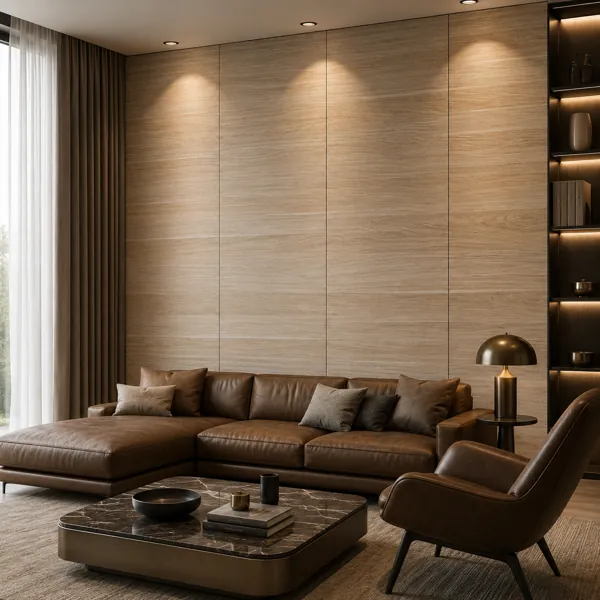
This light wood texture can be used across Living Room, Bedroom, Office, Cafe, Commercial, Kitchen, Entrance, and Childroom environments. It is particularly appropriate for vertical wall cladding, floor-to-ceiling wood panels, cabinetry, wardrobes, doors, shelving, built-in furniture, tables, reception elements, and decorative joinery. The subtle grain can cover large areas without becoming visually overwhelming, making it useful for minimalist and contemporary spaces. Its neutral appearance also coordinates naturally with Leather, Fabric, dark Metal, Glass, Stone, and Ceramic surfaces. Designers can pair it with beige upholstery and pale mineral finishes for a soft tonal scheme or introduce dark bronze and black details to create stronger architectural definition.
For archviz and CGI production, the fine directional pattern offers a useful material identity at both architectural and furniture scales. The supplied files include Albedo Map, Alpha Map, AO Map, Bump Map, Diffuse Color Map, Edge Map, Emission Map, Height Map, Metallic Map, Normal Map, Packed Texture Map, and Roughness Map. These maps provide components for building a detailed PBR material and controlling color, surface relief, roughness, shading response, and related properties according to the requirements of the scene. They can be integrated into 3ds Max material workflows while preserving the distinctive light coloration and narrow linear grain visible in the source material.
In interior design visualization, this wood surface is especially effective where continuous vertical lines can reinforce architectural height. Applied to tall wall panels, cabinet fronts, or full-height doors, the directional grain can visually emphasize vertical proportions and create continuity across adjacent surfaces. The restrained pattern works well behind sofas, reception desks, shelving systems, or minimalist furniture because it introduces natural detail without competing strongly with surrounding objects. Soft daylight can reveal subtle differences between individual fibers, while controlled warm artificial lighting can enhance the beige-brown character. Used alongside dark bronze trims, neutral textiles, and stone flooring, the material can support balanced contemporary compositions with a clearly defined natural element.
When configuring the texture for rendering, mapping orientation should preserve the intended linear grain direction and remain consistent across related objects. Texture scale is equally important because enlarging the fine fibers excessively could make the surface appear unrealistic. Bump Map, Normal Map, Height Map, and Roughness Map values should be adjusted according to camera distance, lighting, and the dimensions of the modeled surface rather than exaggerated for visibility. Color correction should retain the original light beige-brown appearance and subtle darker grain lines. Neutral daylight, soft studio illumination, or controlled interior lighting can reveal the surface structure while maintaining believable PBR behavior in product renders, close-up material studies, and architectural visualization scenes.
Frequently asked questions
Is this texture free?
Yes. You can download it with a free Laruus account. Free textures are limited to 5 downloads per day.
Which software can I use this texture in?
The maps are standard image files, so they work in any renderer with PBR materials, such as Corona or V-Ray in 3ds Max, Blender, SketchUp with V-Ray or Enscape, and Unreal Engine.
What do I get when I download it?
A 46.2 MB download. It was added to Laruus on September 3, 2026.
Which spaces is it suitable for?
It suits Living Room, Bedroom, Office, Cafe, Commercial, Kitchen, Entrance, and Childroom projects. Style: Modern.
Are there 3D models that use this material?
Yes. Laruus has 3D models in the same material:
- Wood — 197Browse Armchairs (29)