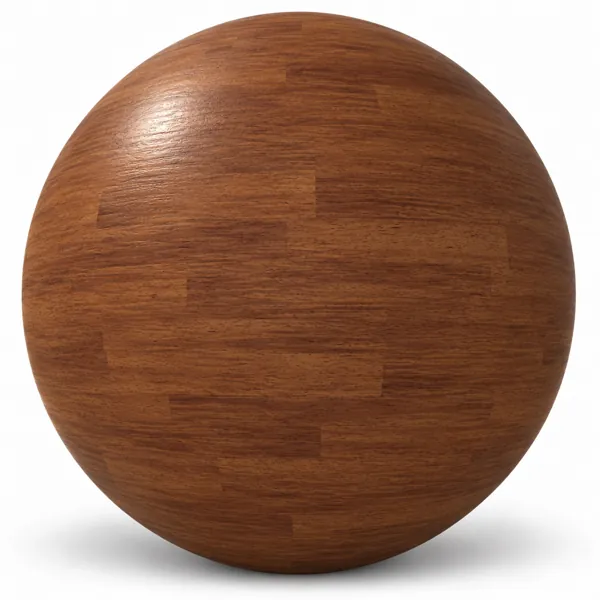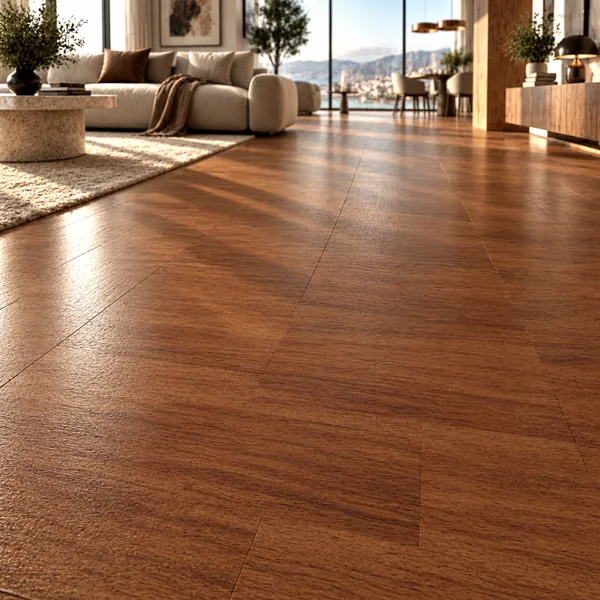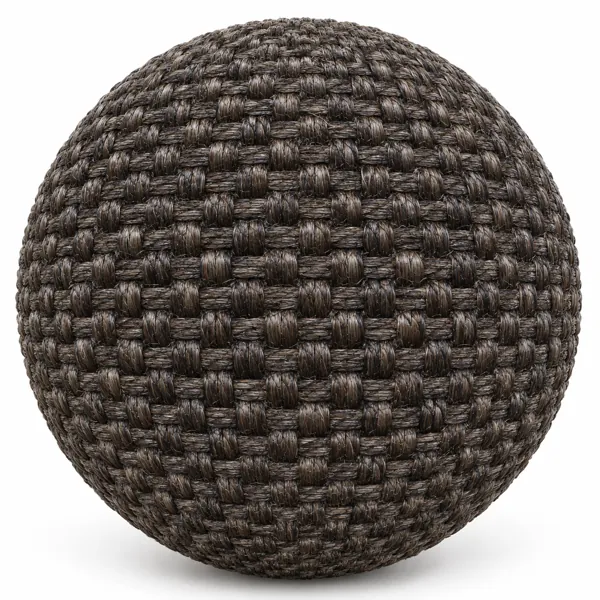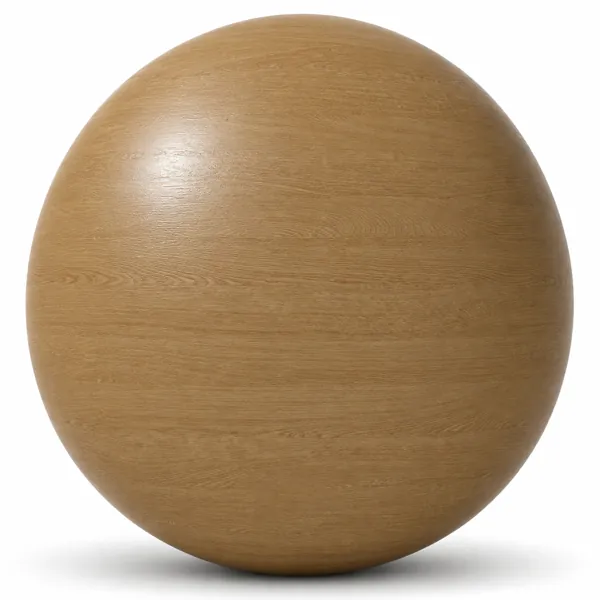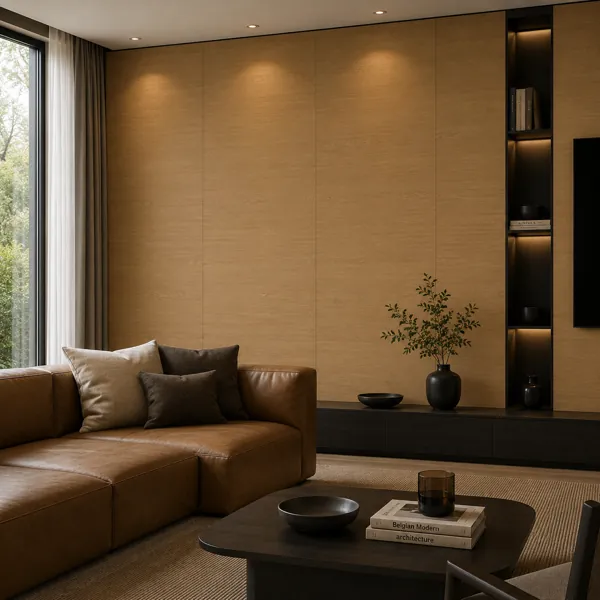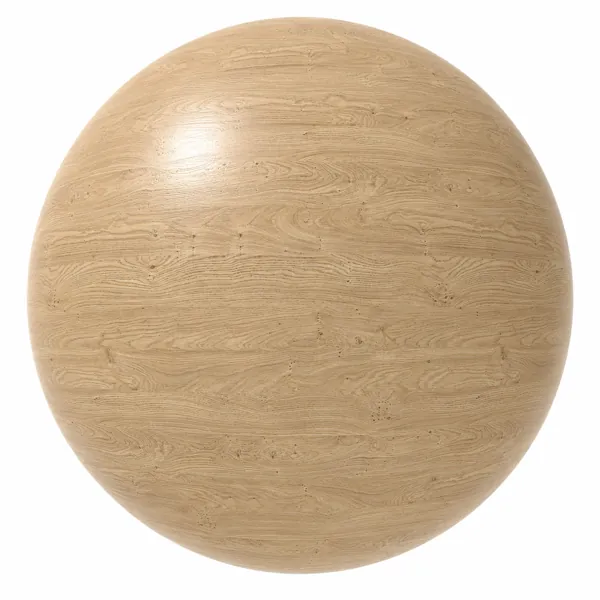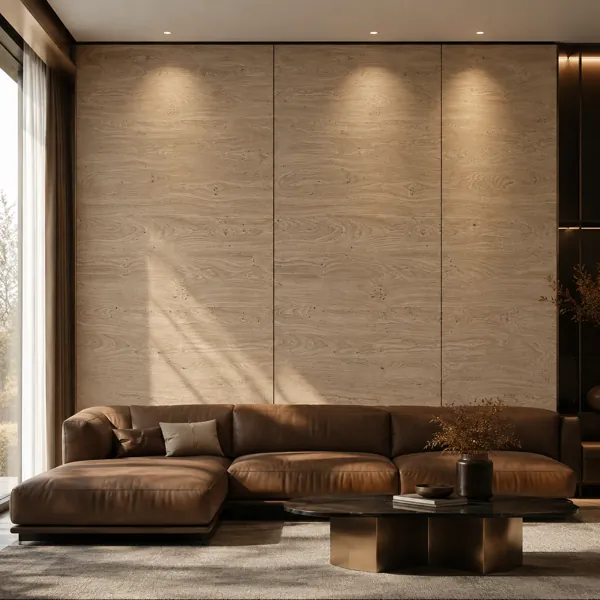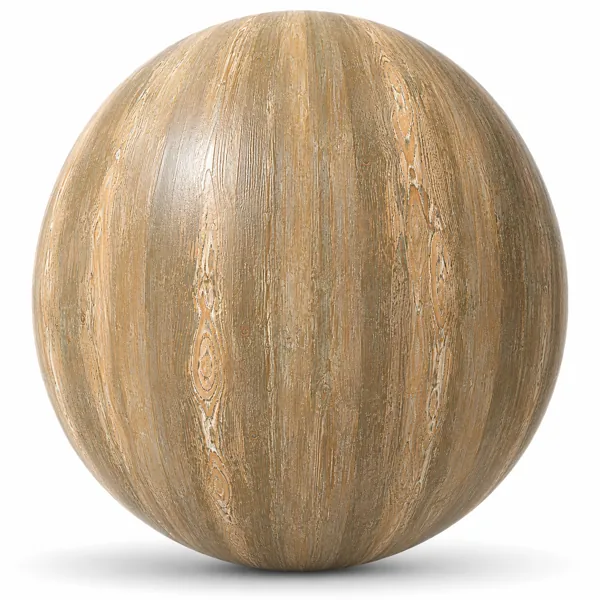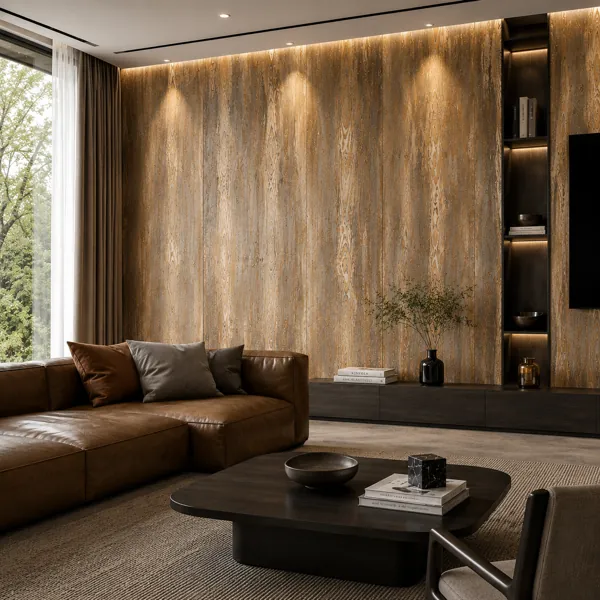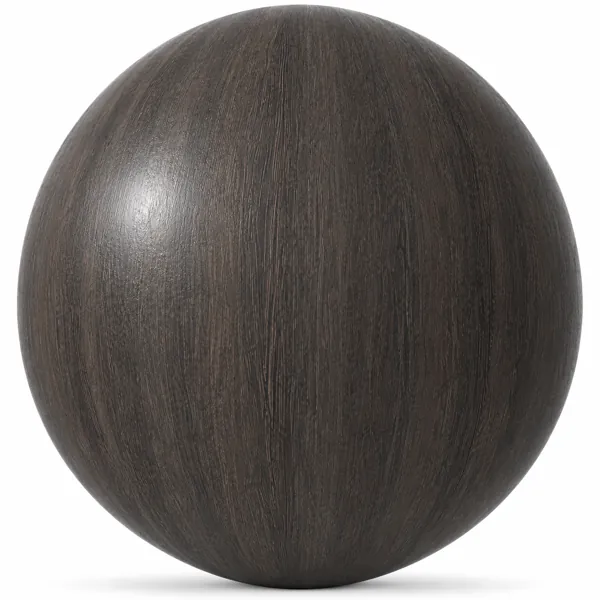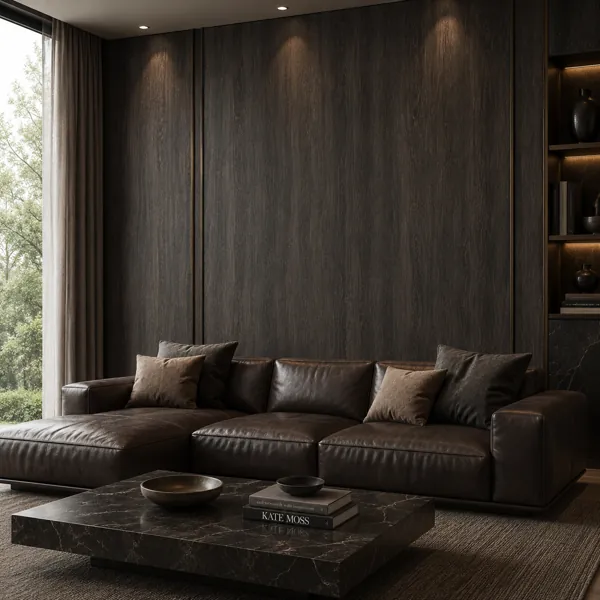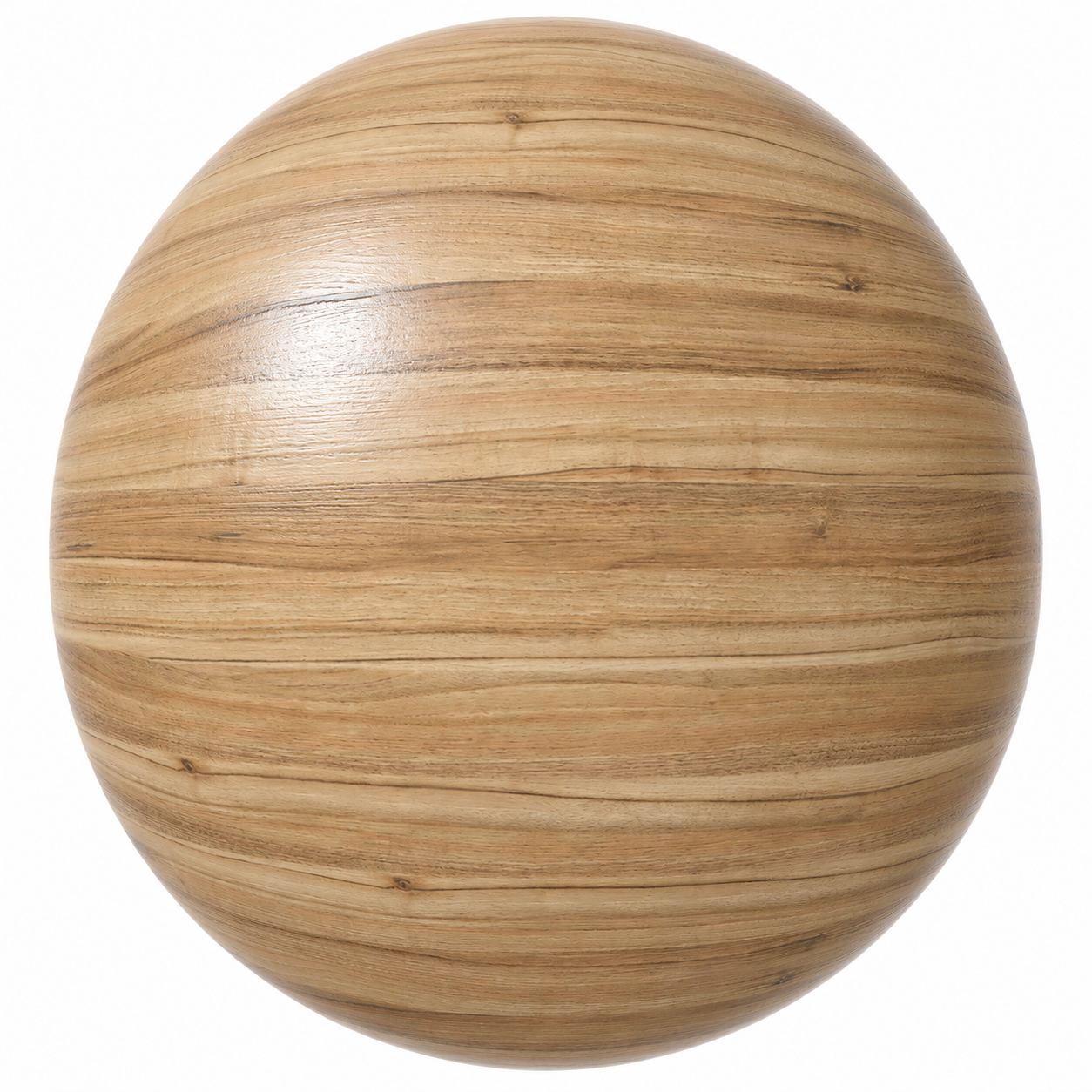
Light Beige Layered Horizontal Grain Wood Texture
Wood No. 00059
0 credits
Specifications
- Brand
- Laruus
- Style
- Modern
- Material
- Wood
- Suitable spaces
- Living Room, Bedroom, Office, Cafe, Commercial, Kitchen, Entrance, Childroom
- Color
- BeigeBrown
- File types
- Albedo MapAlpha MapAO MapBump MapDiffuse Color MapEdge MapEmission MapHeight MapMetallic MapNormal MapPacked Texture MapRoughness Map
Light Beige Layered Horizontal Grain Wood Texture - High Resolution Seamless PBR Textures
Description
Light Beige Layered Horizontal Grain Wood Texture features a warm beige and light brown surface defined by long, irregular horizontal grain bands and occasional darker natural marks. The visible pattern combines broad tonal layers with finer linear details, creating a distinctly organic appearance without relying on a repetitive or overly uniform grain structure. Subtle knots, short dark streaks and softly shifting brown tones interrupt the lighter base at irregular intervals. This combination gives the material a recognizable character suited to modern interiors where natural wood needs to remain visually prominent while maintaining a calm, neutral palette.
The surface structure is characterized by elongated horizontal bands that vary noticeably in width, curvature and color intensity. Some sections appear pale beige, while neighboring grain areas transition into warmer medium-brown tones. Fine lines run through the broader layers and add additional visual depth, while scattered darker marks provide natural variation. Because horizontal direction is one of the material's strongest visible characteristics, maintaining consistent UV orientation is important when applying it to architectural geometry. The pattern can work particularly well across wide wall panels, cabinetry, furniture fronts, shelving, doors, counters and other surfaces where its extended grain can emphasize horizontal proportions.
For interior design applications, this beige and brown wood texture can complement Living Room, Bedroom, Office, Cafe, Commercial, Kitchen, Entrance and Childroom environments. Its neutral warmth pairs naturally with beige textiles, brown or black leather, dark metal, bronze details, glass, stone and understated neutral finishes. On a large feature wall, the alternating light and medium-brown grain bands can introduce visual movement without requiring additional decorative patterns. It can also be used for built-in storage, kitchen cabinetry, reception counters, media units, custom furniture and decorative joinery where a clearly visible natural wood character is desired.
Within archviz and CGI workflows, the material offers a detailed wood surface for 3ds Max scenes and compatible physically based rendering setups. Careful UV mapping is especially relevant because stretching or rotating the texture can change the recognizable horizontal flow of the grain. When the material spans multiple objects or panels, maintaining a coherent texture scale helps the dark streaks, fine lines and broader tonal bands remain believable. For close-up renders, Bump Map, Normal Map and Height Map can support subtle surface relief, while Roughness Map can contribute to controlled reflection behavior according to the chosen Shader and Renderer configuration.
In contemporary interior compositions, the light beige base makes this texture useful for balancing darker furniture and architectural accents. It can provide a warmer backdrop beside charcoal upholstery, black metal framing or dark bronze trims, while also blending naturally with cream fabrics and pale mineral surfaces. Soft daylight can reveal the differences between the lighter and darker grain layers, whereas warm artificial lighting can emphasize the brown undertones. The horizontally flowing pattern is particularly effective on broad uninterrupted surfaces where its layered structure has enough space to remain readable from both medium and closer viewing distances.
The supplied texture set includes Albedo Map, Alpha Map, AO Map, Bump Map, Diffuse Color Map, Edge Map, Emission Map, Height Map, Metallic Map, Normal Map, Packed Texture Map and Roughness Map. These Maps provide inputs for building a PBR material according to the requirements of the selected rendering workflow. To preserve the appearance shown in the reference, retain the light beige and warm brown palette, horizontal layered grain direction, fine linear detail, occasional dark marks and natural tonal variation. Avoid excessive saturation, exaggerated Bump or Height values, oversized grain scaling and strong artificial gloss that could obscure the original visual identity of the wood surface.
Frequently asked questions
Is this texture free?
It costs 0 credits, paid from your Laruus credit balance.
Which software can I use this texture in?
The maps are standard image files, so they work in any renderer with PBR materials, such as Corona or V-Ray in 3ds Max, Blender, SketchUp with V-Ray or Enscape, and Unreal Engine.
What do I get when I download it?
A 45.7 MB download. It was added to Laruus on September 3, 2026.
Which spaces is it suitable for?
It suits Living Room, Bedroom, Office, Cafe, Commercial, Kitchen, Entrance, and Childroom projects. Style: Modern.
Are there 3D models that use this material?
Yes. Laruus has 3D models in the same material:
- Wood — 197Browse Armchairs (29)