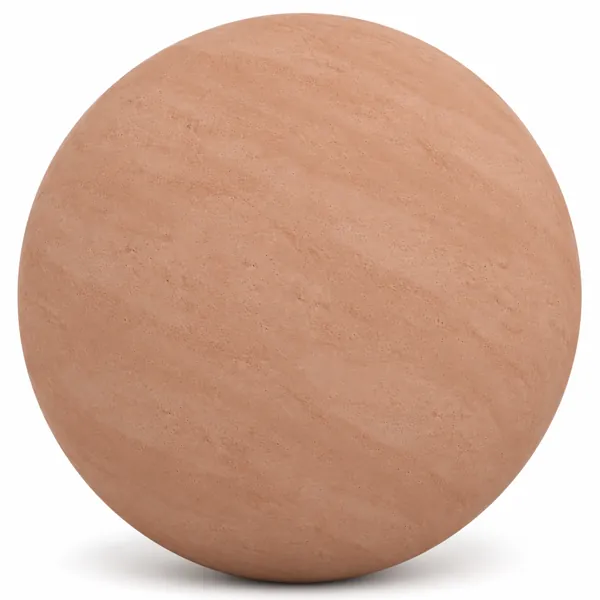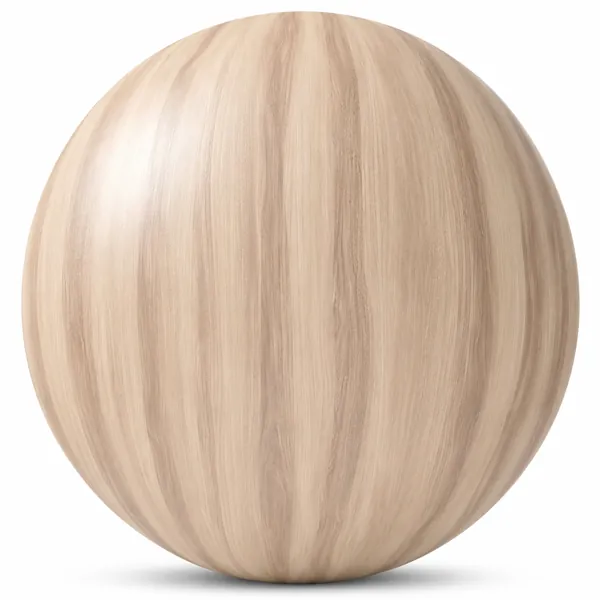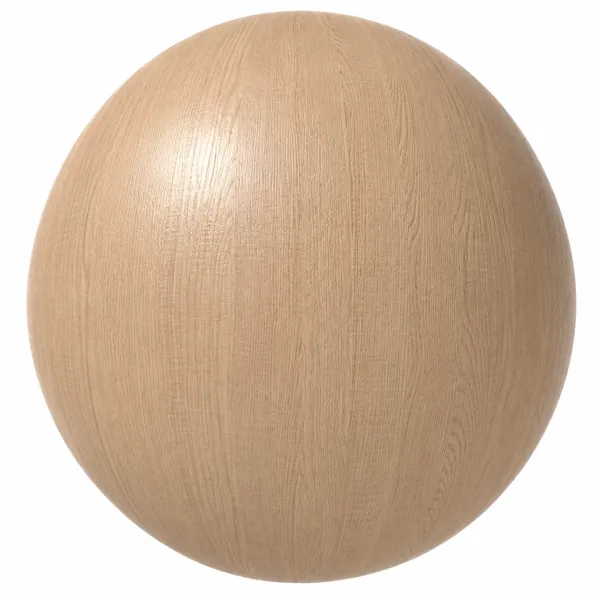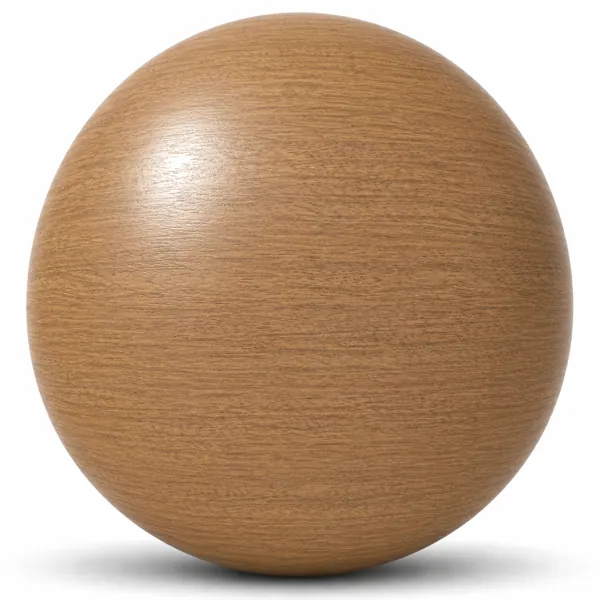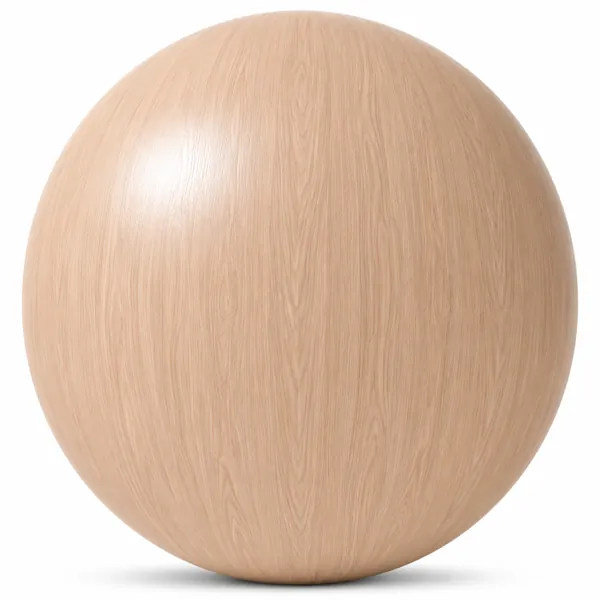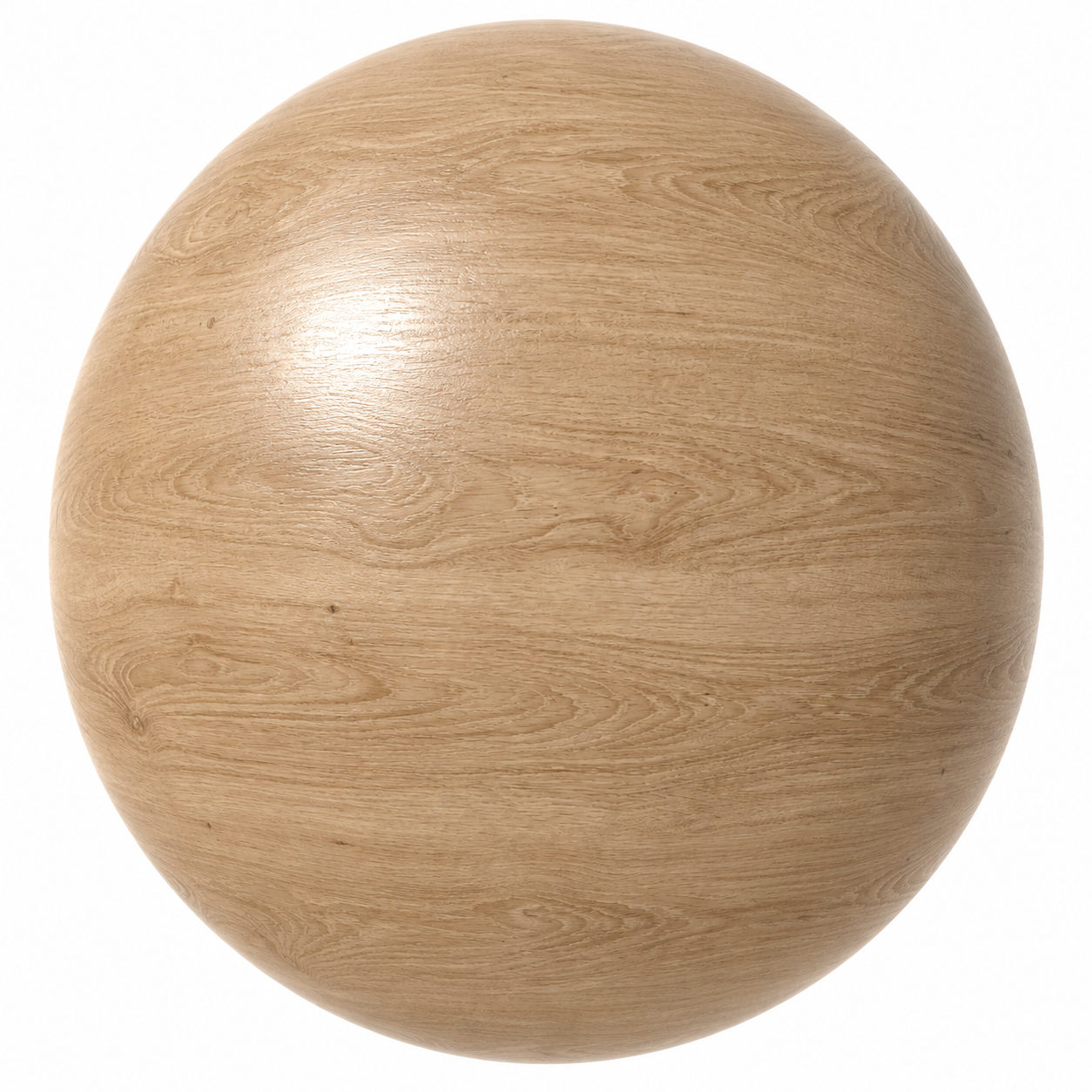
Light Beige Rustic Knot Grain Wood Texture
Wood No. 00062
FREE
Specifications
- Brand
- Laruus
- Style
- Modern
- Material
- Wood
- Suitable spaces
- Living Room, Bedroom, Office, Cafe, Commercial, Kitchen, Entrance, Childroom
- Color
- BeigeBrown
- File types
- Albedo MapAlpha MapAO MapBump MapDiffuse Color MapEdge MapEmission MapHeight MapMetallic MapNormal MapPacked Texture MapRoughness Map
Light Beige Rustic Knot Grain Wood Texture - High Resolution Seamless PBR Textures
Description
Light Beige Rustic Knot Grain Wood Texture presents a naturally expressive timber surface distinguished by its pale beige-brown base, flowing grain formations, and clearly visible knot details. Unlike wood textures dominated by straight or highly uniform lines, this surface combines elongated grain with curved cathedral-like patterns and localized circular formations around the knots. The result is a more organic and visually varied wood character while retaining a soft, neutral overall palette. Its light appearance makes the material suitable for contemporary interiors that require natural warmth without introducing a dark or visually heavy finish, while the visible grain gives larger surfaces enough detail to remain recognizable as real wood.
The surface is primarily defined by Bej and subtle Kahverengi tones. Fine linear fibers run through broader curved grain formations, with several small knots and one more prominent central knot creating natural focal points. Changes in grain direction around these features produce the characteristic flowing patterns visible across the material. The tonal contrast remains relatively restrained, allowing the wood structure to be readable without becoming excessively dramatic. Because a precise botanical wood species cannot be confirmed reliably from the supplied image alone, the texture is described through its observable light coloration, rustic knot details, and flowing grain structure rather than assigning an unsupported species such as oak, ash, or another specific timber.
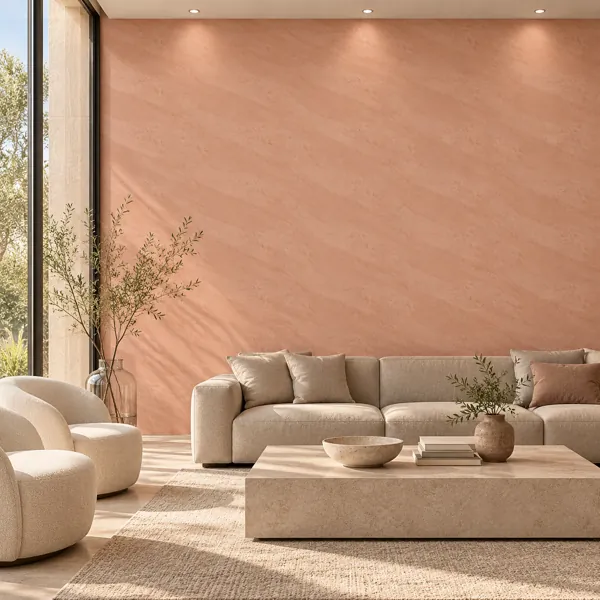
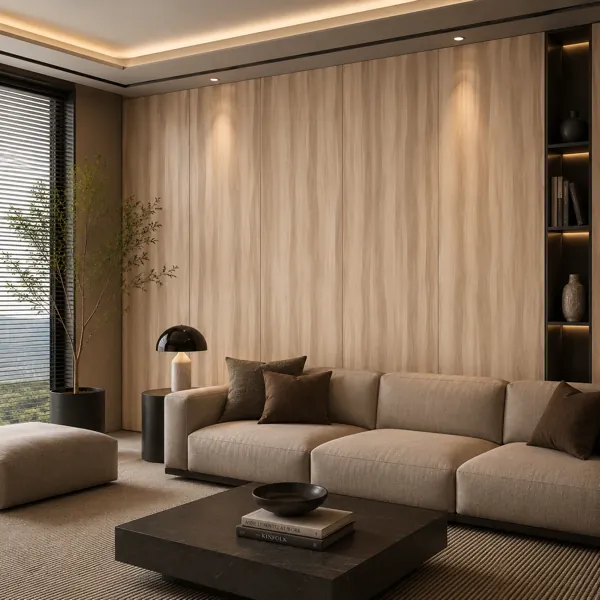
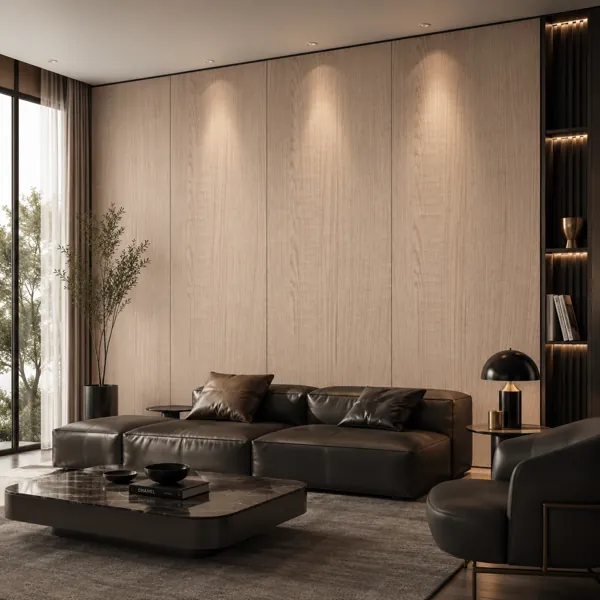
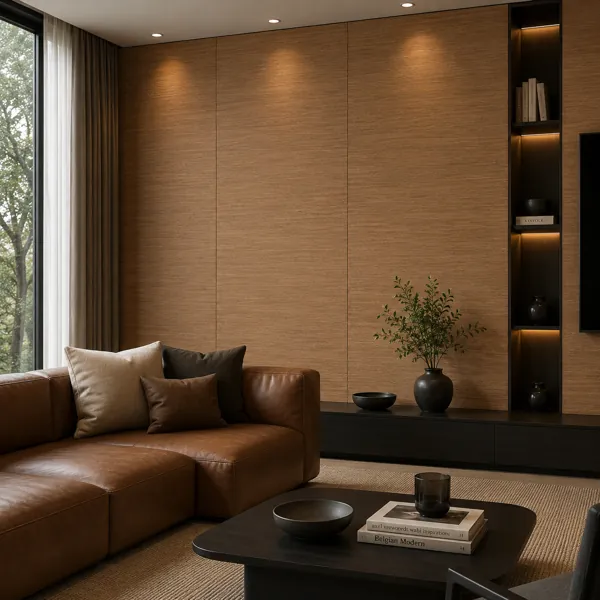
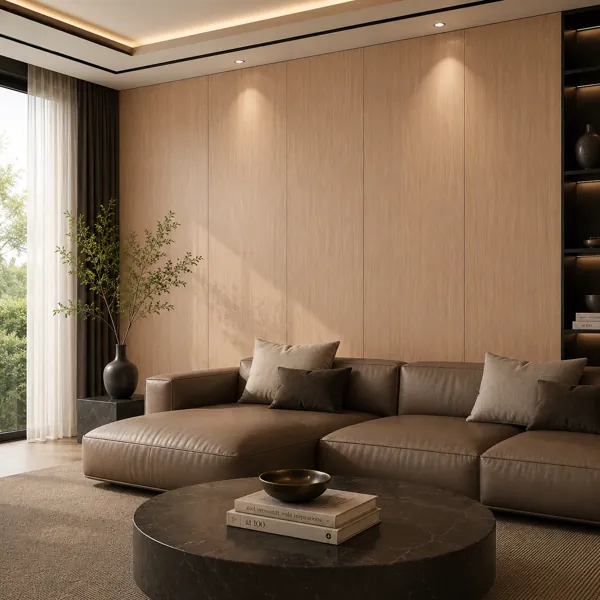
This light wood texture is suitable for Living Room, Bedroom, Office, Cafe, Commercial, Kitchen, Entrance, and Childroom applications. It can work effectively on wall cladding, decorative wood panels, cabinetry, wardrobes, shelving, doors, tables, storage furniture, built-in units, and other interior surfaces where a natural wood appearance is desired. The combination of light color and visible knots can complement modern, warm minimalist, Scandinavian-inspired, and relaxed contemporary spaces. It can also coordinate naturally with neutral Fabric, Leather, dark or brushed Metal, pale Stone, Ceramic, and clear Glass, allowing designers to create layered material palettes without overpowering the interior with excessive color contrast.
For archviz and CGI workflows, the texture provides a detailed wood surface that can support both close product views and broader architectural compositions. The supplied files include Albedo Map, Alpha Map, AO Map, Bump Map, Diffuse Color Map, Edge Map, Emission Map, Height Map, Metallic Map, Normal Map, Packed Texture Map, and Roughness Map. This map set allows artists to develop physically based materials while controlling color information, surface relief, roughness, ambient occlusion, and other relevant rendering properties according to project requirements. The maps can be incorporated into 3ds Max material setups and adapted to the selected rendering workflow without changing the characteristic grain and knot pattern visible in the source texture.
Within interior visualization, the flowing grain makes this material particularly effective on broad surfaces where the natural pattern can remain clearly visible. Floor-to-ceiling wall panels can emphasize the sweeping grain formations, while cabinets, doors, and furniture can use smaller areas to repeat the same material language throughout a scene. Dark bronze or black Metal details can create definition around the pale wood, while beige Stone, neutral upholstery, and transparent Glass can maintain a calm tonal composition. The material can therefore support residential living spaces, bedrooms, offices, reception areas, hospitality concepts, cafes, and commercial interiors where natural wood is intended to become a noticeable but balanced design element.
When configuring the texture for rendering, texture scale and mapping orientation should be matched carefully to the dimensions and direction of the target surface. The visible knots and curved grain patterns provide useful scale references and should not be enlarged beyond believable timber proportions. Color correction and exposure should preserve the original light beige-brown character rather than bleaching the wood toward white or shifting it toward a darker brown. Bump Map, Normal Map, Height Map, and Roughness Map intensity should be adjusted according to camera distance and lighting conditions so the grain remains tactile but controlled. Neutral daylight or softly warm illumination can reveal the flowing grain and knot variation while retaining the natural appearance of the material in PBR, CGI, and architectural visualization scenes.
Frequently asked questions
Is this texture free?
Yes. You can download it with a free Laruus account. Free textures are limited to 5 downloads per day.
Which software can I use this texture in?
The maps are standard image files, so they work in any renderer with PBR materials, such as Corona or V-Ray in 3ds Max, Blender, SketchUp with V-Ray or Enscape, and Unreal Engine.
What do I get when I download it?
A 77.6 MB download. It was added to Laruus on September 3, 2026.
Which spaces is it suitable for?
It suits Living Room, Bedroom, Office, Cafe, Commercial, Kitchen, Entrance, and Childroom projects. Style: Modern.
Are there 3D models that use this material?
Yes. Laruus has 3D models in the same material:
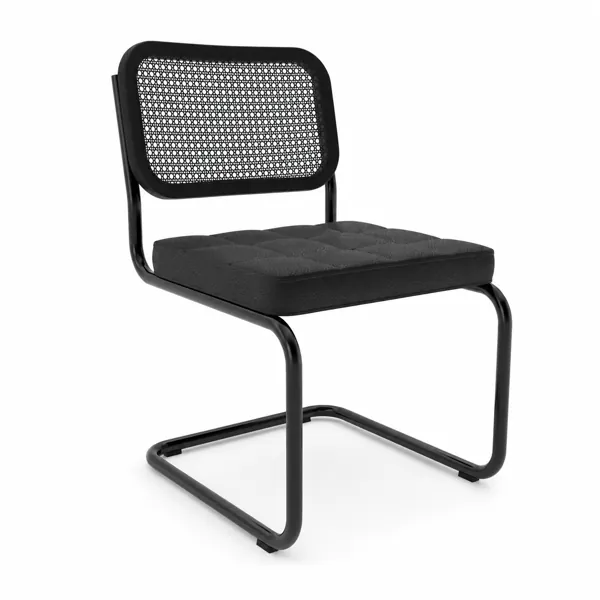
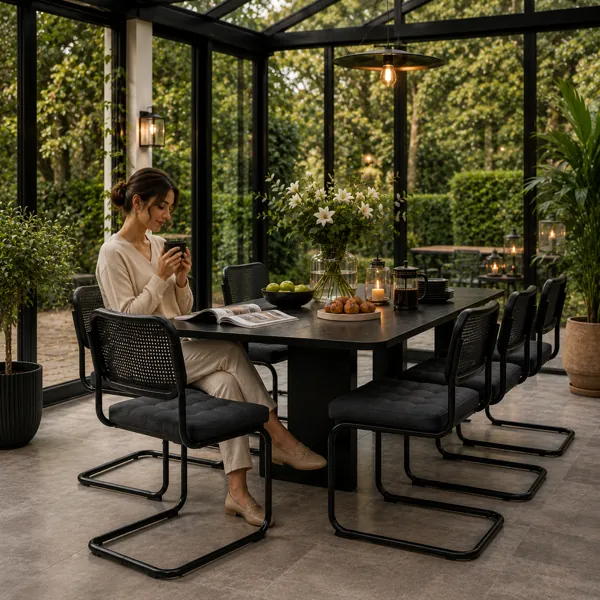
- Wood — 197Browse Armchairs (29)