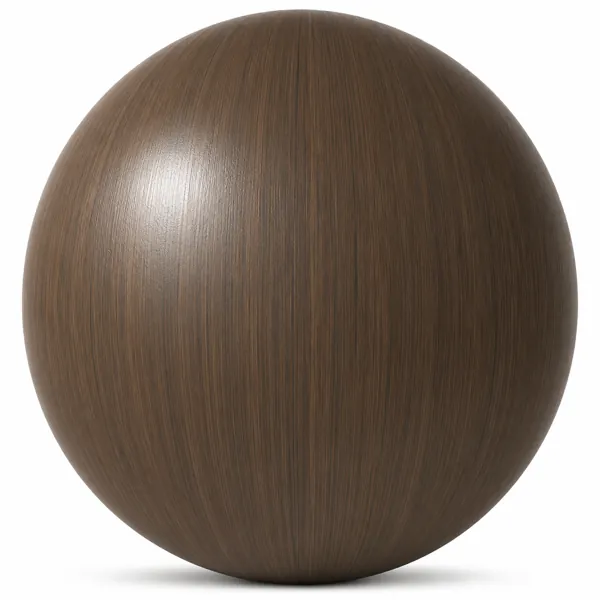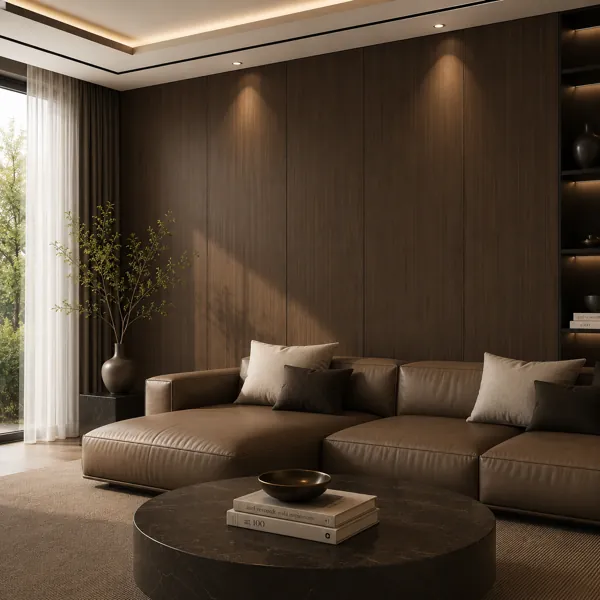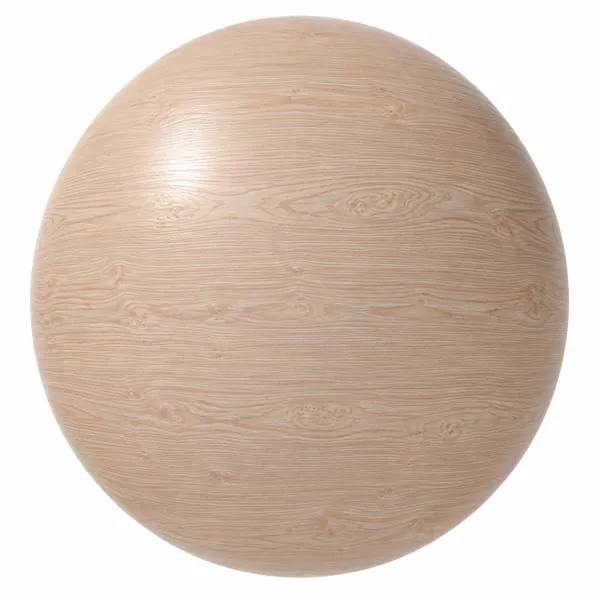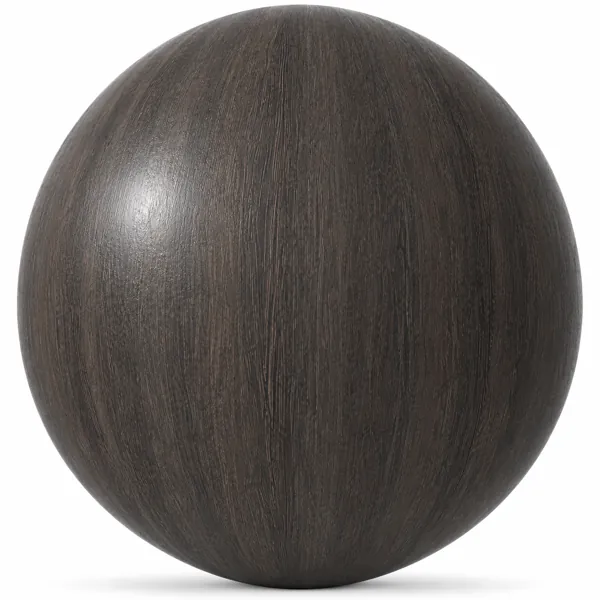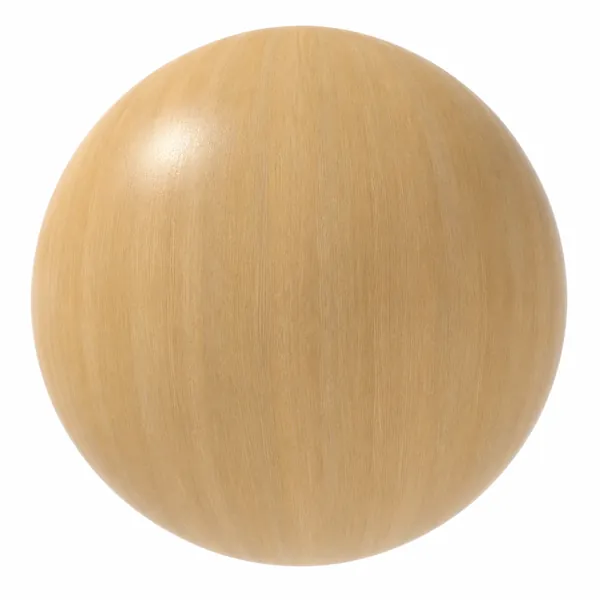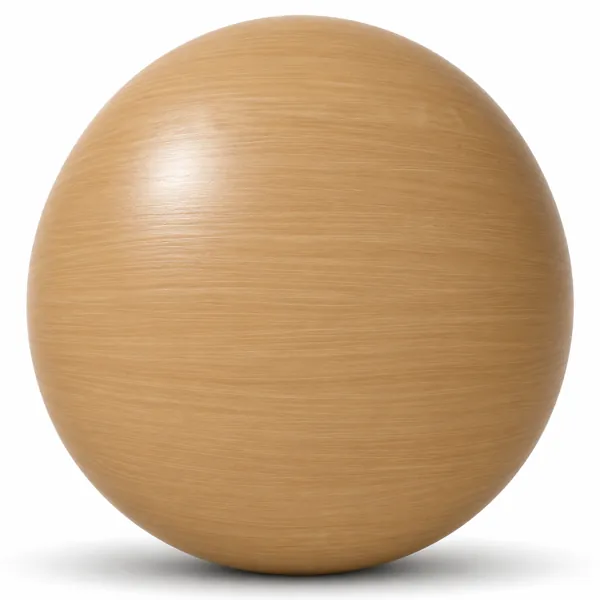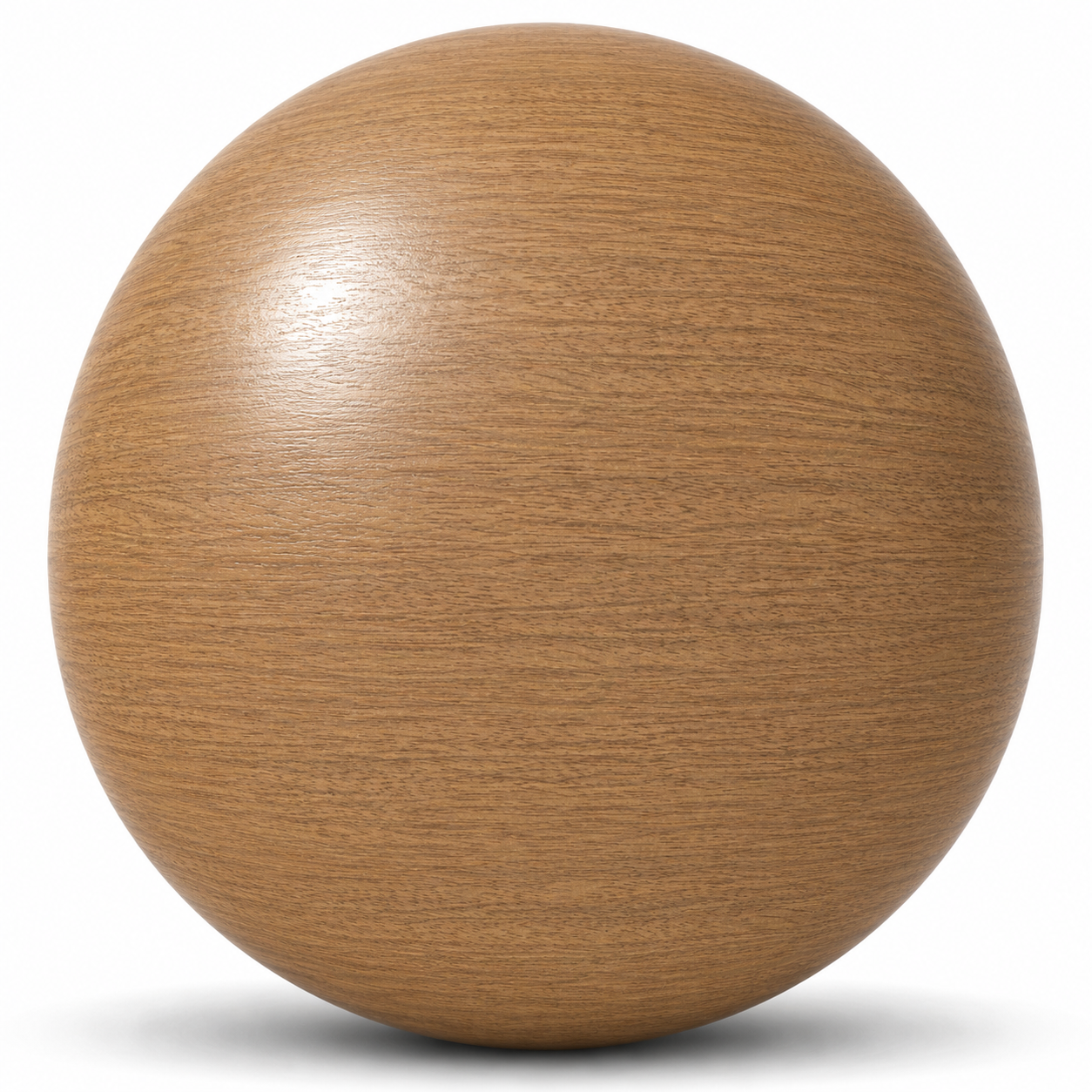
Warm Medium Brown Wood Texture – Fine Linear Grain
Wood No. 00017
FREE
Specifications
- Brand
- Laruus
- Style
- Modern
- Material
- Wood
- Suitable spaces
- Living Room, Bedroom, Office, Cafe, Commercial, Kitchen, Entrance
- Color
- Brown
- File types
- Albedo MapAlpha MapAO MapBump MapDiffuse Color MapEdge MapEmission MapHeight MapMetallic MapNormal MapPacked Texture MapRoughness Map
Warm Fine Grain Character
Description
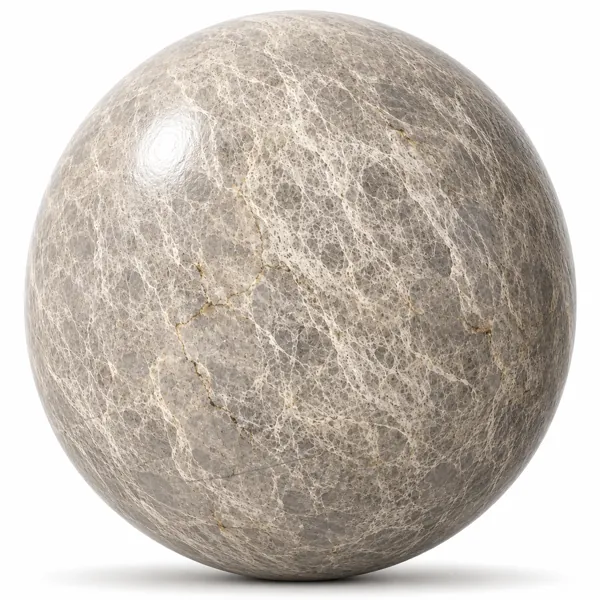
Warm Medium Brown Wood Texture – Fine Linear Grain is a balanced wood surface distinguished by its medium warm brown tone, closely spaced grain and restrained natural variation. The visible pattern is predominantly linear, with numerous fine darker marks running in a consistent direction across the surface. Compared with strongly knotted, highly figured or distressed timber, this texture has a quieter visual character that supports clean modern interiors while still retaining recognizable wood detail. The color remains relatively even across the rendered sphere, moving subtly between warm brown and slightly lighter golden-brown areas without pronounced dark streaks or dramatic tonal changes.
The supplied product information identifies the material as Wood. Visually, the surface contains dense fine grain, short elongated marks and subtle changes in line thickness that create texture without making the material appear busy. No large dominant knots, deep cracks or strongly weathered defects are clearly visible in the reference. A broad soft highlight appears on the sphere, indicating a smooth finished appearance with some reflective response rather than a completely raw or heavily roughened surface. The exact wood species, coating type, gloss value, manufacturing method, physical treatment and real-world dimensions cannot be confirmed from the image and are therefore not assumed.
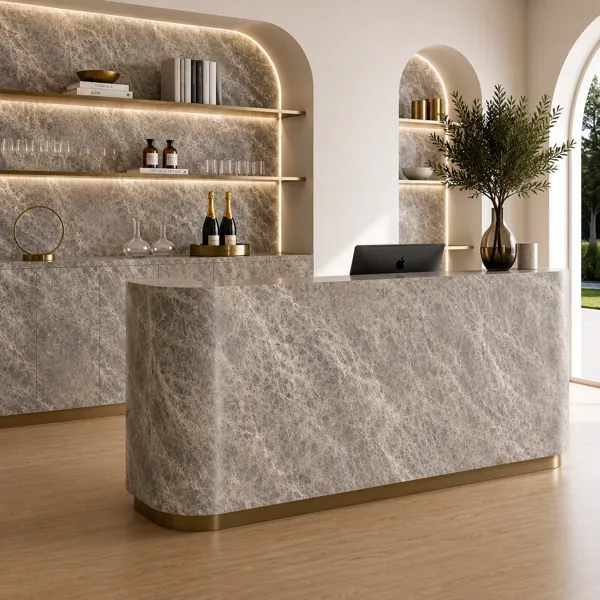
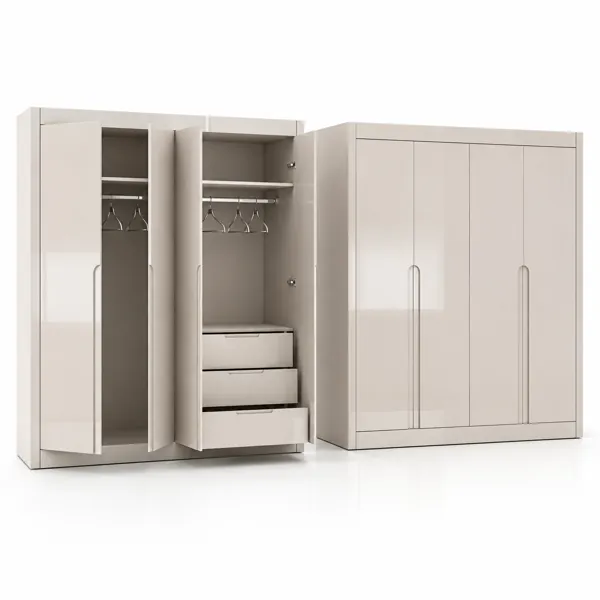
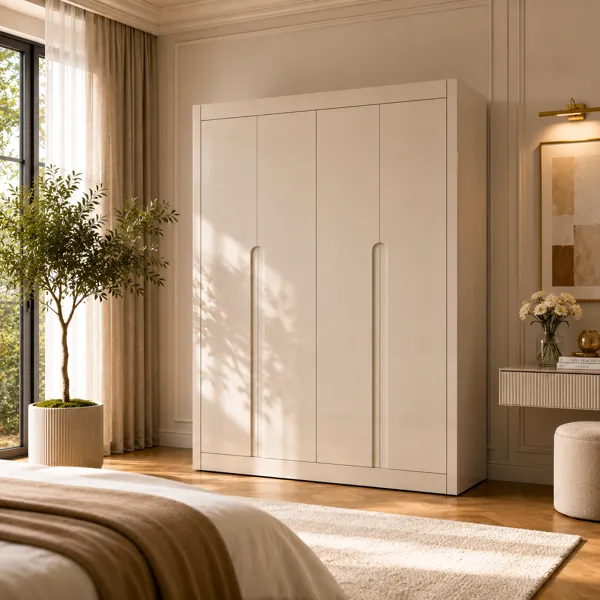
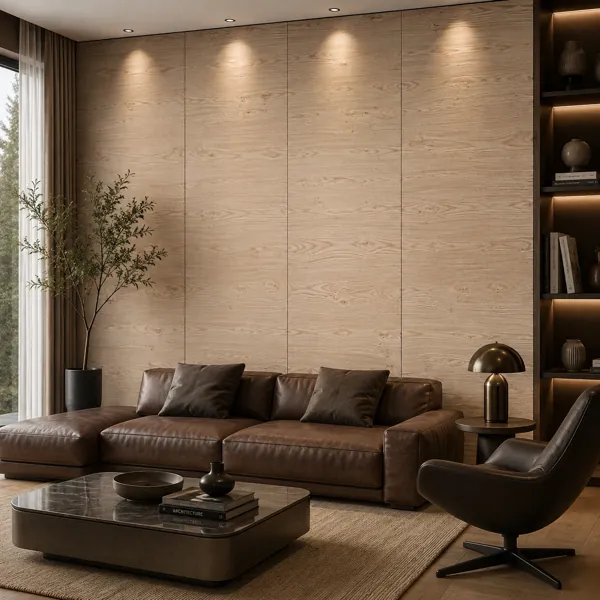
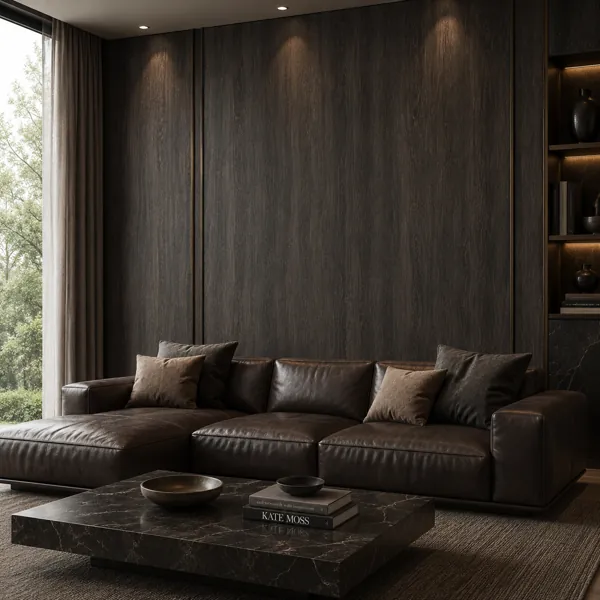
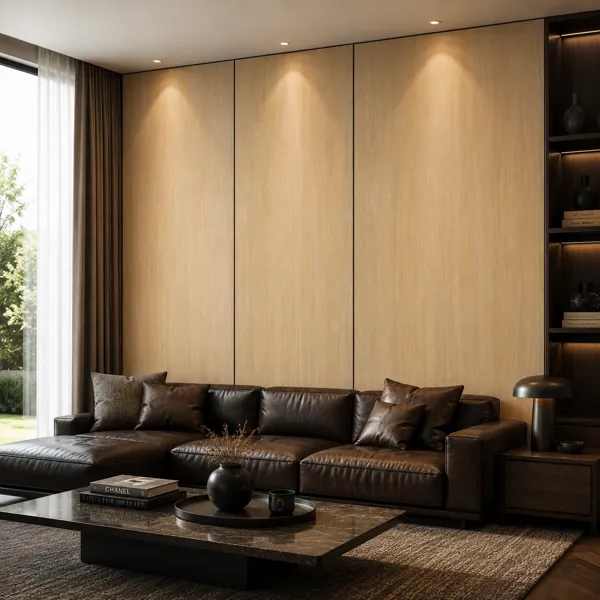
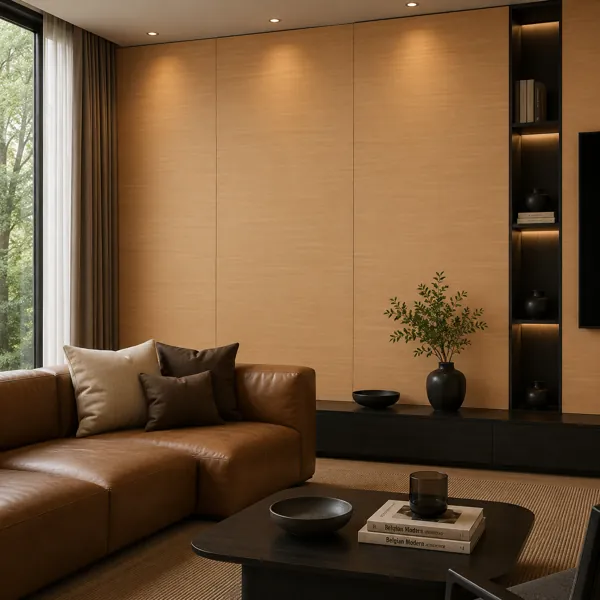
This warm brown wood texture can work across a broad selection of interior applications. In a Living Room, it can suit shelving, media units, cabinets, sideboards, tables, wall panels and built-in furniture. Bedroom designs may use a similar surface language for wardrobes, bedside units, dressers, headboards or storage elements. In Office and Commercial environments, the controlled grain can support desks, reception counters, display furniture, storage systems and architectural joinery. Cafe and Kitchen projects can apply this type of wood appearance to cabinet fronts, counters, tables, shelving or selected decorative elements. Entrance spaces can pair the warm timber tone with Stone, Metal, Glass, neutral walls or darker accents.
For architectural visualization and CGI workflows, the fine directional grain is useful when a scene requires visible wood character without strong visual interruption. Grain orientation should be matched carefully to the modeled object so that horizontal shelves, vertical cabinet doors, tabletops and wall panels read naturally. Texture scale is equally important because a dense fine pattern can appear unrealistic if mapped too large relative to the furniture or architectural surface. On broad panels, the consistent grain can provide subtle variation while preserving clean geometry. According to the supplied information, the asset is associated with 3ds Max and Corona Renderer, making it relevant to interior archviz and material visualization workflows.
Within modern interior design, this medium brown wood surface functions as a versatile warm neutral. It can complement beige, white, gray, black and muted colors while adding more depth than very pale wood finishes. Its understated grain also works well beside simple furniture forms because it contributes material detail without competing with the overall silhouette. The surface can be combined with Fabric, Stone, Glass or Metal to create balanced contemporary compositions in residential, hospitality and commercial settings.
The provided technical information specifies 3ds Max and Corona Renderer but does not include file formats. Texture resolution, seamless tiling, map types, UV scale, physical dimensions and included material channels cannot be verified from the reference image and are therefore not presented as confirmed features. In production renders, mapping scale, grain direction, lighting temperature, exposure and reflection settings should be evaluated together because each can noticeably influence the perceived warmth, contrast and visibility of the fine wood grain.
Frequently asked questions
Is this texture free?
Yes. You can download it with a free Laruus account. Free textures are limited to 5 downloads per day.
Which software can I use this texture in?
The maps are standard image files, so they work in any renderer with PBR materials, such as Corona or V-Ray in 3ds Max, Blender, SketchUp with V-Ray or Enscape, and Unreal Engine.
What do I get when I download it?
A 8.6 MB download. It was added to Laruus on June 26, 2026.
Which spaces is it suitable for?
It suits Living Room, Bedroom, Office, Cafe, Commercial, Kitchen, and Entrance projects. Style: Modern.
Are there 3D models that use this material?
Yes. Laruus has 3D models in the same material:
- Wood — 197Browse Armchairs (29)