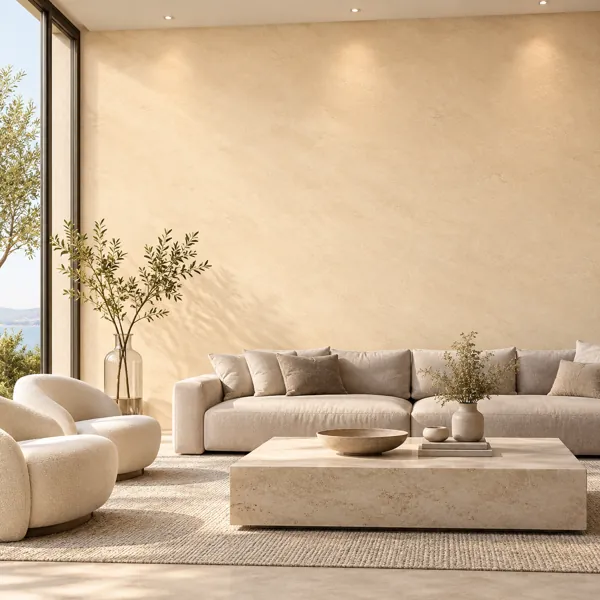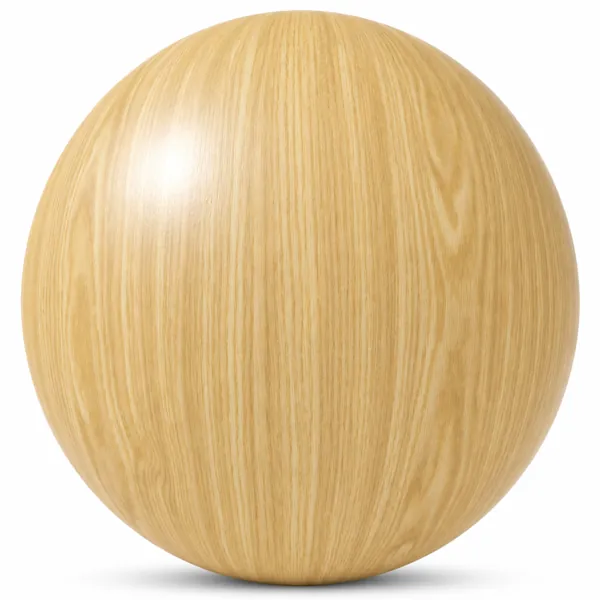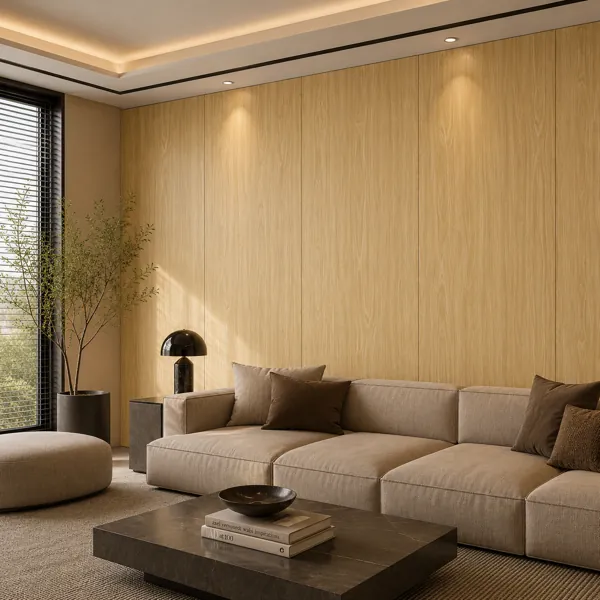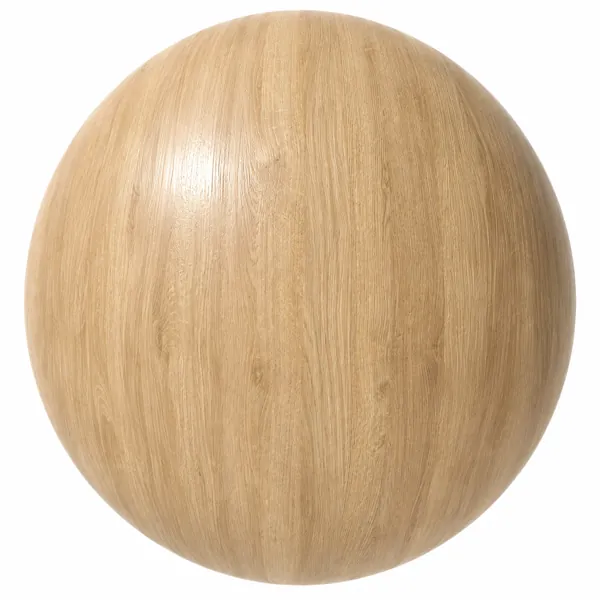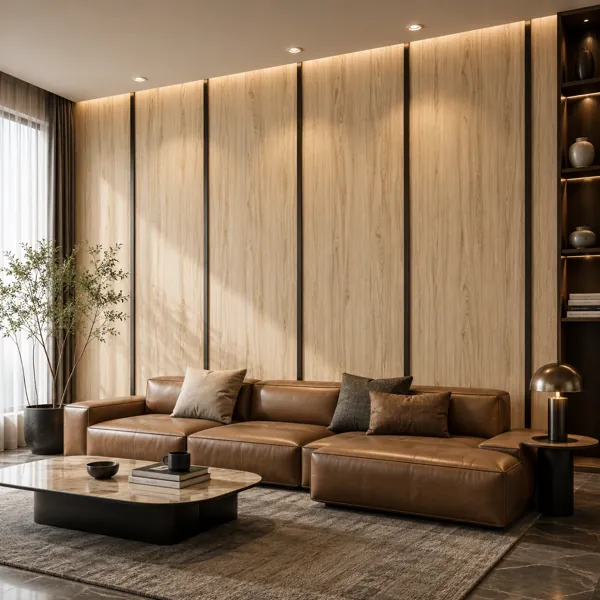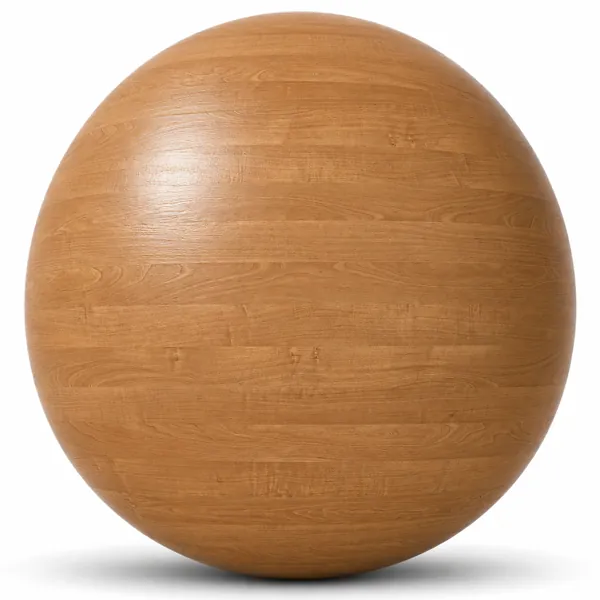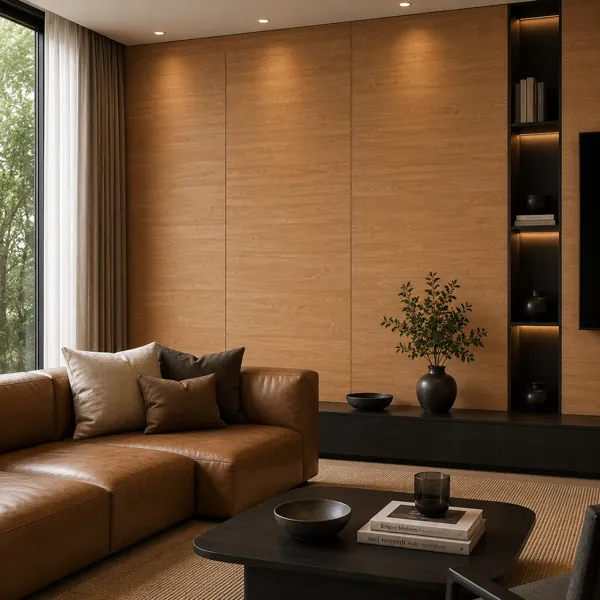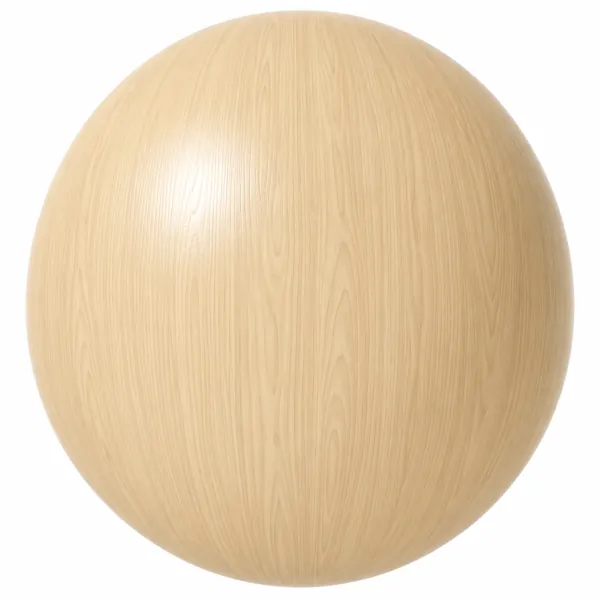
Pale Beige Knotted Wavy Grain Wood Texture
Wood No. 00081
FREE
Specifications
- Brand
- Laruus
- Style
- Modern
- Material
- Wood
- Suitable spaces
- Living Room, Bedroom, Office, Cafe, Commercial, Kitchen, Entrance, Childroom
- Color
- BeigeBrown
- File types
- Albedo MapAlpha MapAO MapBump MapDiffuse Color MapEdge MapEmission MapHeight MapMetallic MapNormal MapPacked Texture MapRoughness Map
Pale Beige Knotted Wavy Grain Wood Texture - High Resolution Seamless PBR Textures
Description
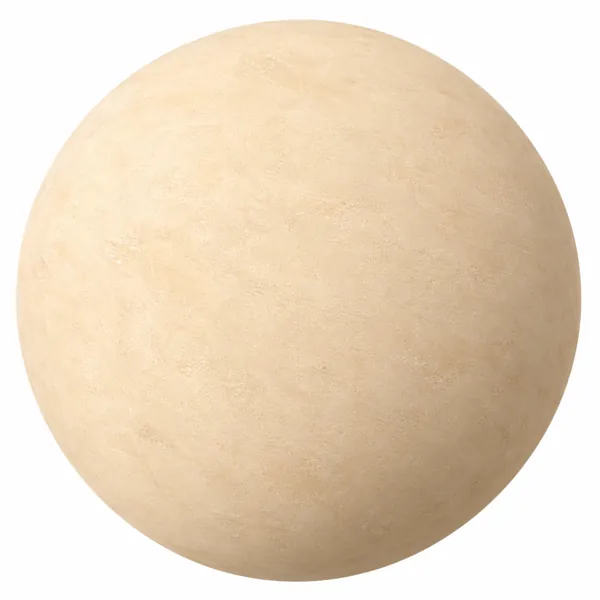
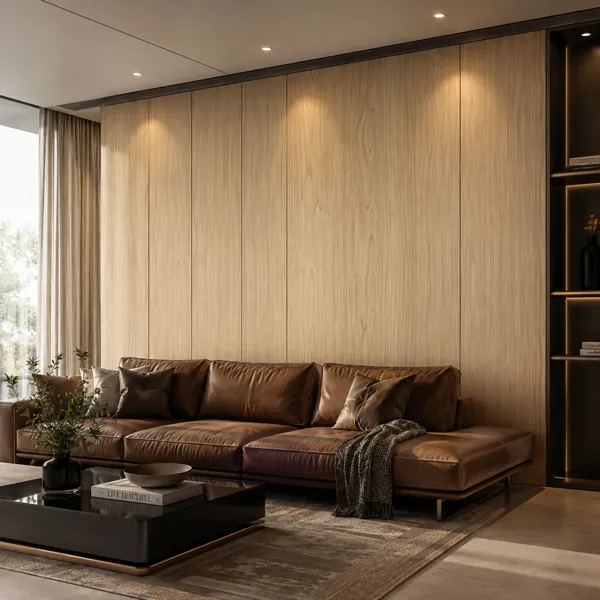
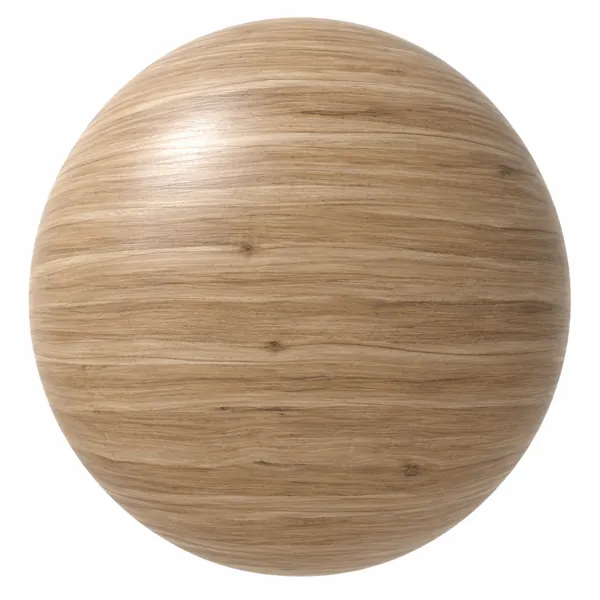
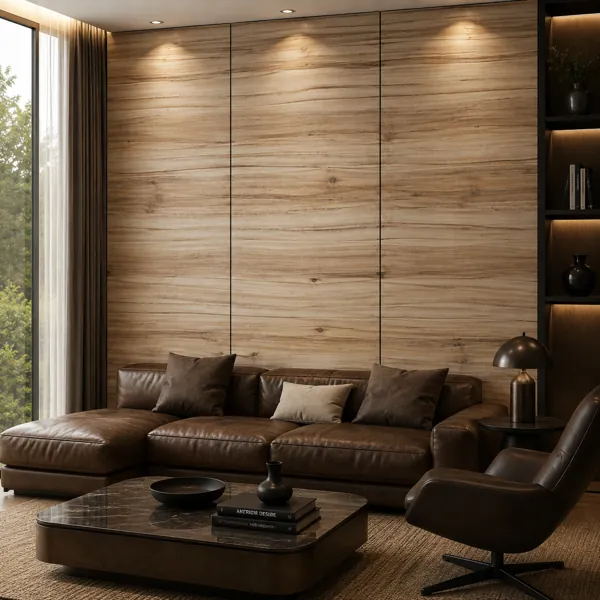
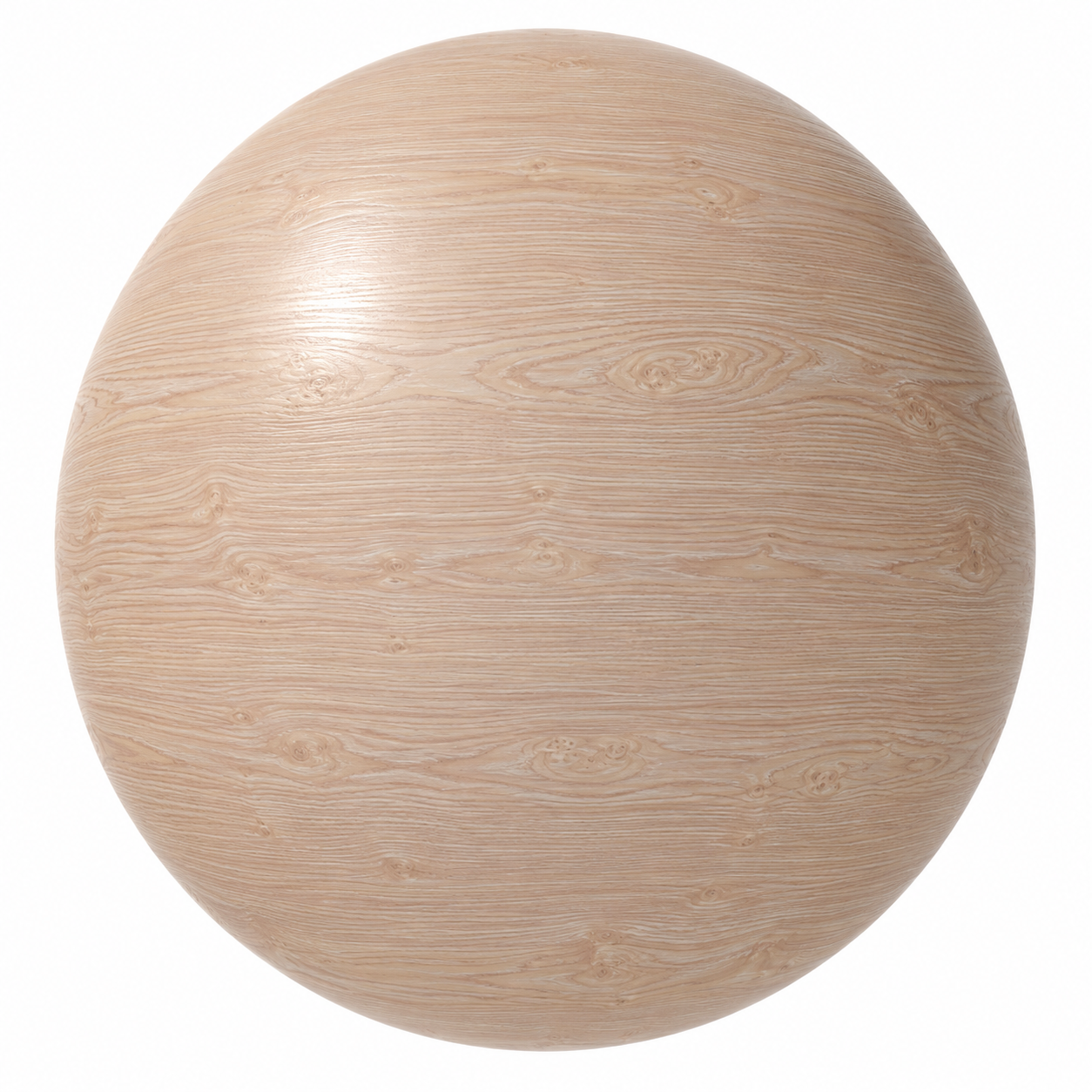
Pale Beige Knotted Wavy Grain Wood Texture features a light natural timber appearance distinguished by flowing grain lines, irregular knots, and softly contrasting beige and light brown tones. The surface displays considerably more organic variation than a uniform straight-grain wood, with elongated lines bending naturally around visible knots and broader grain formations. These characteristics create a recognizable visual identity while preserving a restrained neutral palette suitable for contemporary interiors. The combination of pale coloration and expressive natural pattern makes the material useful when a design requires visible timber character without introducing a dark or strongly saturated wood finish.
The visible wood structure consists of densely layered linear grain that shifts between relatively straight sections and gently undulating formations. Numerous small knots and several more prominent knot clusters interrupt the grain, creating realistic focal points and irregularities across the surface. Fine darker brown lines provide definition against the pale beige base, while broader areas of softer grain prevent the pattern from appearing mechanically repetitive. Because the texture contains identifiable knots and directional features, realistic mapping scale is important. Overscaling the pattern could make the knots appear unnatural, while appropriate proportions allow the surface to read convincingly on cabinetry, furniture, wall panels, doors, shelving, and architectural joinery.
This light wood texture can be used across Living Room, Bedroom, Office, Cafe, Commercial, Kitchen, Entrance, and Childroom environments. Its neutral beige character works naturally with modern, minimalist, Scandinavian-inspired, organic contemporary, and warm-neutral interior palettes. The wood can be paired with off-white Fabric, neutral Stone, Ceramic, Glass, and restrained Metal details. Darker accents provide contrast against the pale timber, while beige and cream materials create a softer coordinated composition. The visible knots make the texture especially suitable for surfaces where natural variation should remain noticeable rather than completely uniform.
For architectural visualization and CGI workflows, the wavy grain and recognizable knot formations provide useful visual landmarks for checking UV orientation, scale, and continuity. In 3D's Max, the supplied maps can be incorporated into a compatible PBR material workflow according to the renderer and shader configuration being used. Soft natural lighting can reveal the subtle differences between the beige base and darker grain lines, while directional lighting can make the surface relief and irregular pattern more apparent. Close-up visualization should preserve the original density of the grain and knots rather than enlarging individual details excessively.
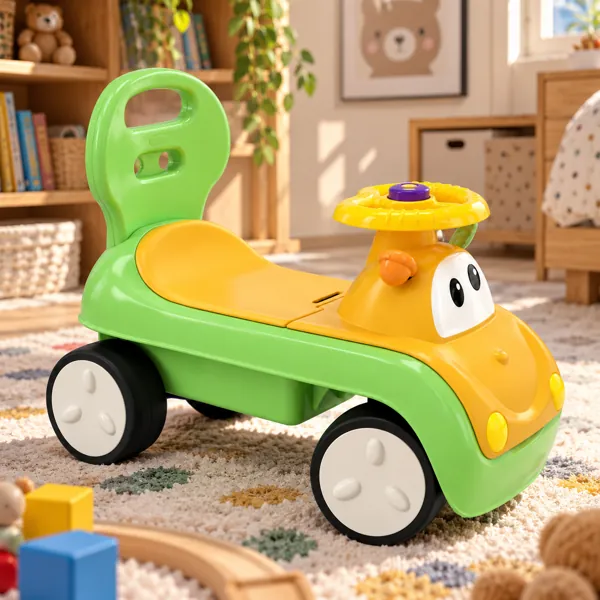
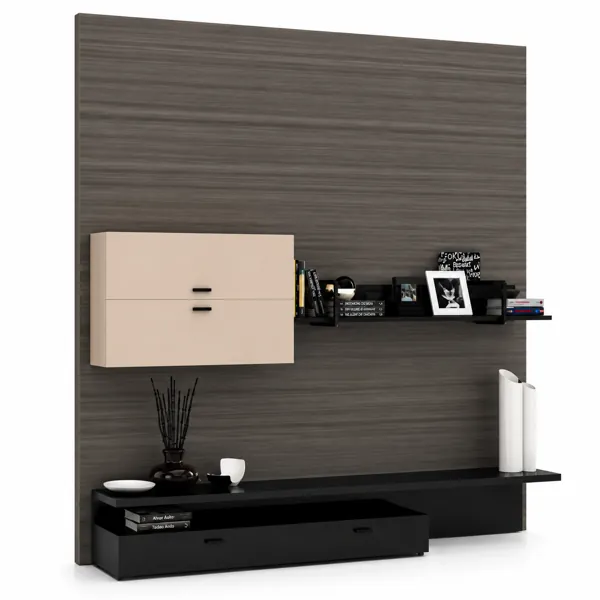
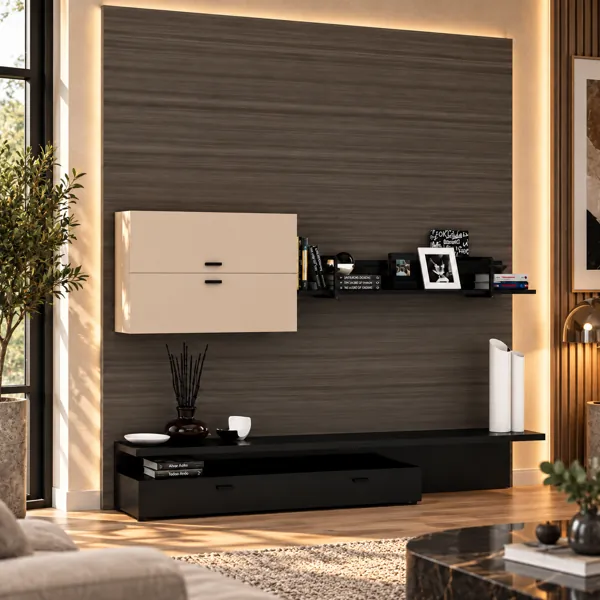
Within interior scenes, the material can function as a primary architectural finish or as a distinctive furniture surface. Large wall panels can showcase the flowing grain across broad areas, while cabinet fronts, tables, wardrobes, media units, shelving, and custom joinery can use the pattern to introduce natural variation. Grain direction should follow the proportions and construction logic of each modeled element. Carefully aligned mapping can also help adjacent panels feel intentional while allowing individual knots and waves to provide subtle differences throughout the composition.
The included Albedo Map, Alpha Map, AO Map, Bump Map, Diffuse Color Map, Edge Map, Emission Map, Height Map, Metallic Map, Normal Map, Packed Texture Map, and Roughness Map provide multiple channels for compatible PBR workflows. Depending on the selected material system, these maps can contribute to color, surface relief, shading, and material response. For realistic results, retain the pale beige coloration, preserve the visible knot structure and fine brown grain contrast, maintain believable texture scale, and avoid stretching or inconsistent directional mapping across connected surfaces.
Frequently asked questions
Is this texture free?
Yes. You can download it with a free Laruus account. Free textures are limited to 5 downloads per day.
Which software can I use this texture in?
The maps are standard image files, so they work in any renderer with PBR materials, such as Corona or V-Ray in 3ds Max, Blender, SketchUp with V-Ray or Enscape, and Unreal Engine.
What do I get when I download it?
A 183 MB download. It was added to Laruus on September 3, 2026.
Which spaces is it suitable for?
It suits Living Room, Bedroom, Office, Cafe, Commercial, Kitchen, Entrance, and Childroom projects. Style: Modern.
Are there 3D models that use this material?
Yes. Laruus has 3D models in the same material:
- Wood — 197Browse Armchairs (29)