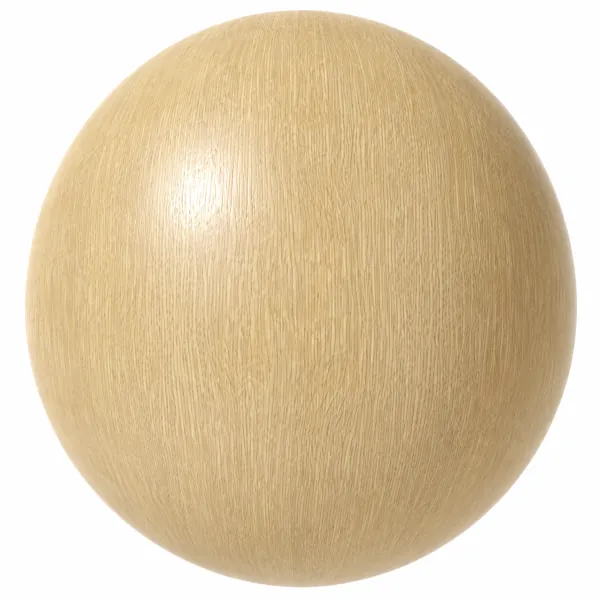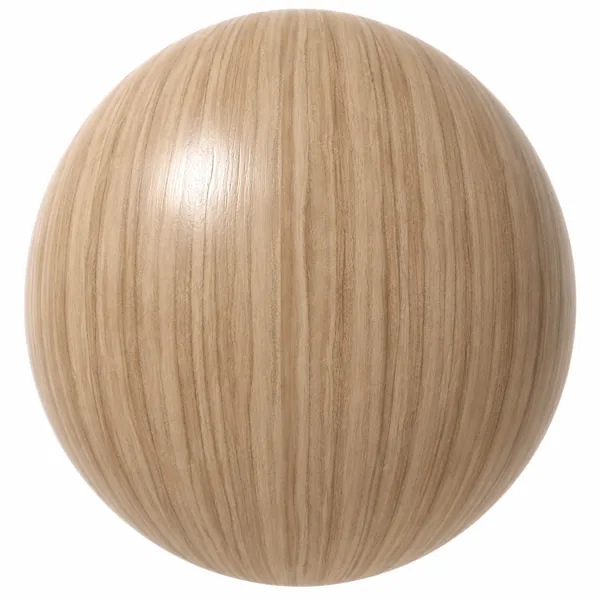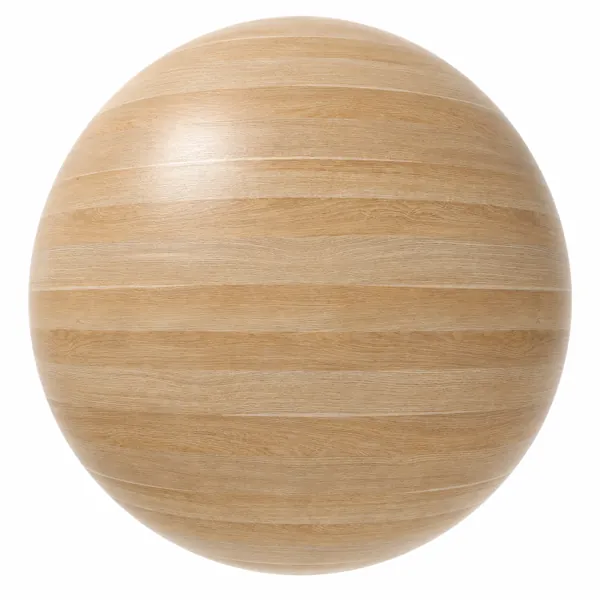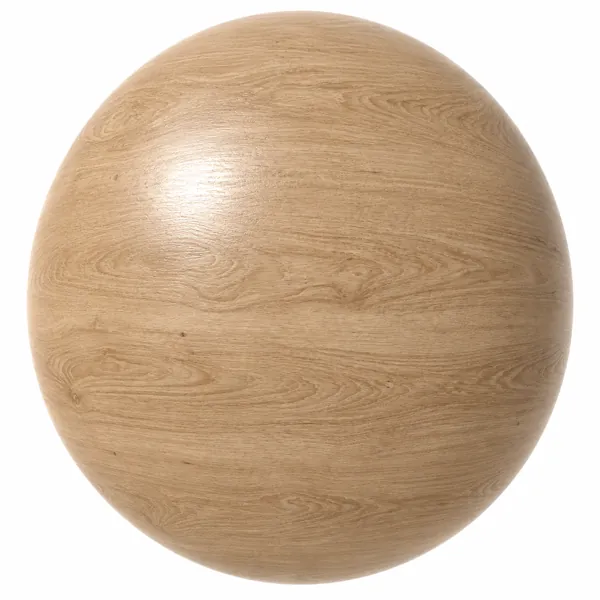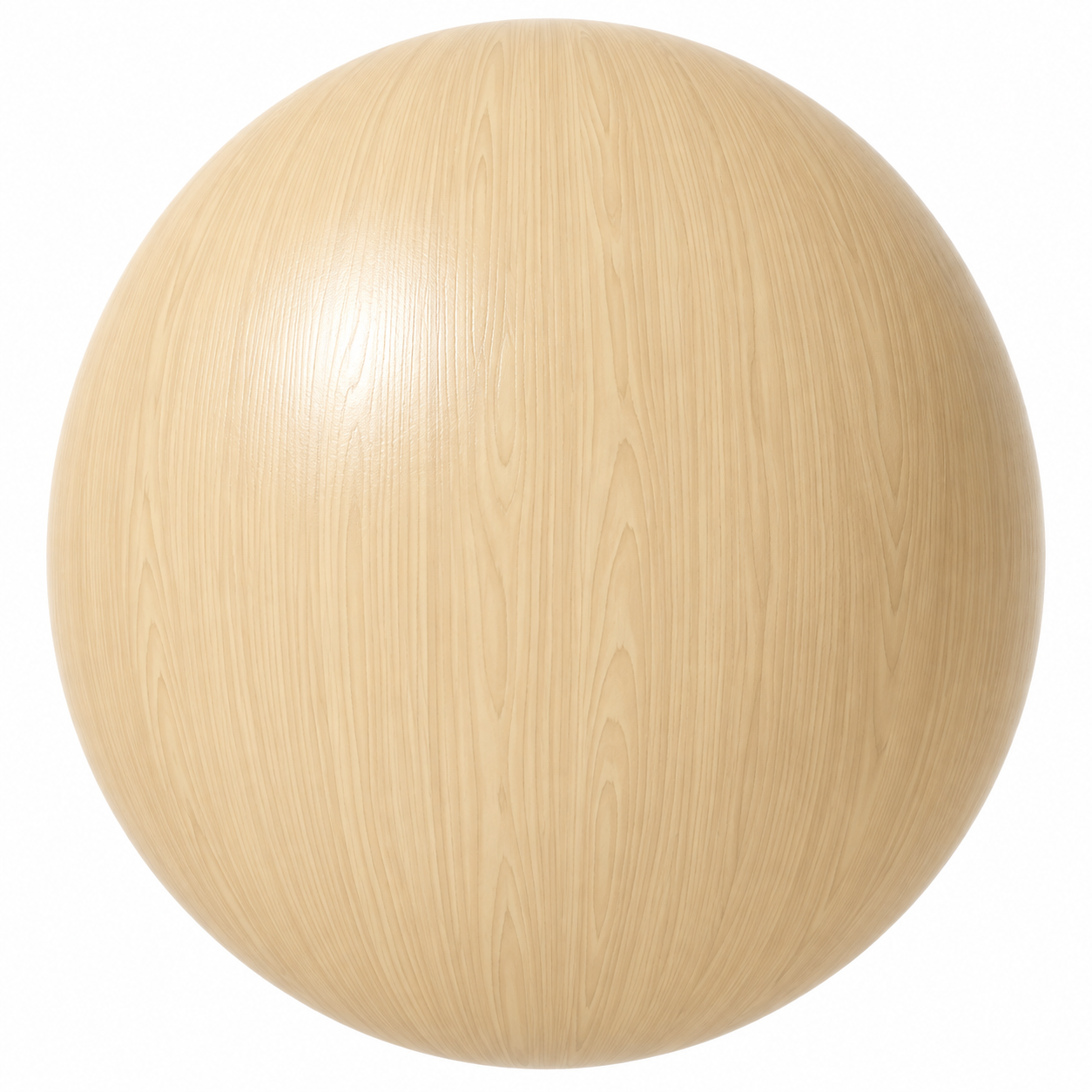
Light Beige Fine Linear Grain Wood Texture
Wood No. 00055
FREE
Specifications
- Brand
- Laruus
- Style
- Modern
- Material
- Wood
- Suitable spaces
- Living Room, Bedroom, Office, Cafe, Commercial, Kitchen, Entrance, Childroom
- Color
- BeigeBrown
- File types
- Albedo MapAlpha MapAO MapBump MapDiffuse Color MapEdge MapEmission MapHeight MapMetallic MapNormal MapPacked Texture MapRoughness Map
Light Beige Fine Linear Grain Wood Texture - High Resolution Seamless PBR Textures
Description
Light Beige Fine Linear Grain Wood Texture features a warm, pale beige base with closely spaced vertical grain lines and restrained natural figure, creating a clean wood surface suited to contemporary architectural visualization. The visible pattern combines predominantly straight linear grain with occasional elongated organic shapes, adding natural variation without making the material visually busy. Its soft tonal transitions and understated brown grain definition give the texture a calm modern character that works particularly well across large surfaces where consistent wood detail is important.
The material is defined by fine-scale wood grain rather than broad, strongly contrasting markings. Light beige and muted brown tones remain closely related across the surface, while narrow darker lines establish the direction and structure of the grain. This controlled pattern makes the texture suitable for both expansive applications and smaller architectural elements. The visual reference shows the wood following a continuous vertical orientation, making it especially appropriate for tall panels, cabinetry fronts, doors, partitions, built-in furniture, and other surfaces where directional grain contributes to proportion and visual rhythm.
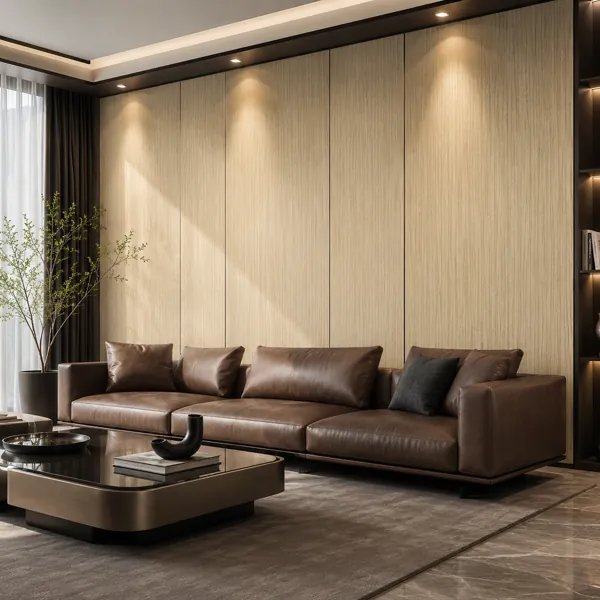
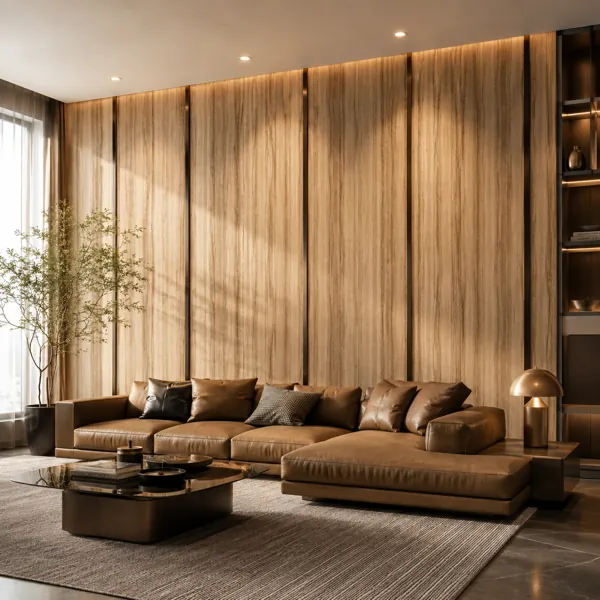
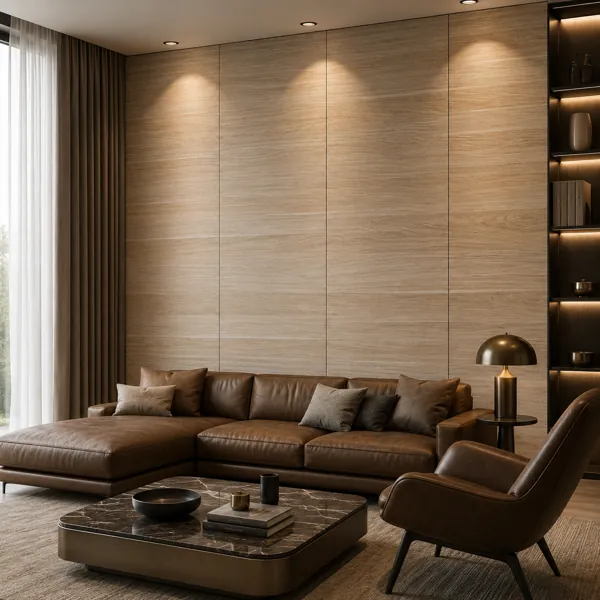
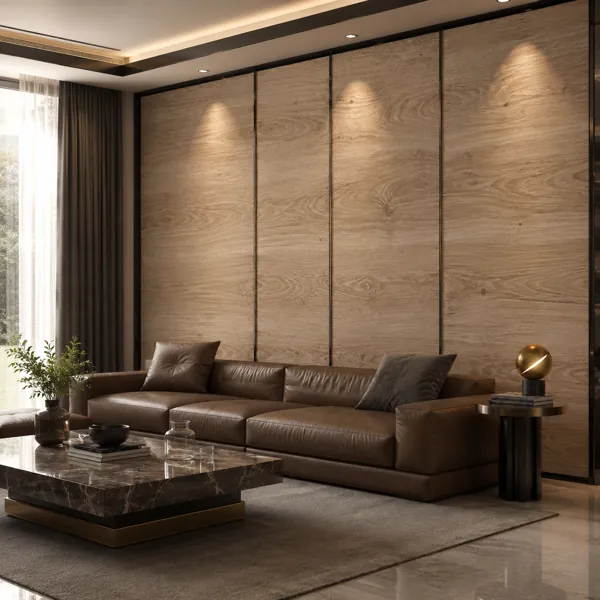
In interior design, this light wood texture can support Living Room, Bedroom, Office, Cafe, Commercial, Kitchen, Entrance, and Childroom environments. Its pale natural appearance pairs effectively with neutral fabrics, leather seating, dark metal details, stone, glass, and contrasting darker woods. For modern interiors, it can be used on feature walls, floor-to-ceiling wood cladding, storage systems, wardrobes, shelving, reception elements, kitchen cabinetry, or custom furniture. The subtle grain allows designers to introduce natural material character while maintaining a restrained and uncluttered architectural language.
For archviz and CGI workflows, the texture provides a practical surface foundation for realistic wood visualization in 3D's Max and compatible material pipelines. Its directional grain can help communicate the construction logic of veneer panels and timber surfaces when UV mapping is aligned carefully with the geometry. Maintaining consistent texture scale across neighboring objects is particularly important for wall panels and cabinetry, where incorrect grain proportions can quickly reduce realism. The relatively fine pattern also supports close and medium camera distances without relying on exaggerated wood markings.
The light beige coloring makes this material useful in interiors built around warm minimalism, Scandinavian-influenced spaces, contemporary residential design, hospitality settings, and understated commercial environments. On large wall areas, the vertical grain can visually emphasize ceiling height, while darker bronze or black details can provide crisp contrast. Soft daylight reveals the subtle tonal variation naturally, whereas controlled warm artificial lighting can accentuate the grain without overpowering the original pale wood appearance.
The supplied texture set includes Albedo Map, Alpha Map, AO Map, Bump Map, Diffuse Color Map, Edge Map, Emission Map, Height Map, Metallic Map, Normal Map, Packed Texture Map, and Roughness Map. These maps provide material-building options for physically based rendering workflows, while final behavior depends on the renderer and shader configuration used. For the most faithful result, preserve the original light beige color, fine linear grain direction, pattern scale, and restrained tonal contrast, and avoid excessive saturation, bump strength, gloss, or grain enlargement during material setup.
Frequently asked questions
Is this texture free?
Yes. You can download it with a free Laruus account. Free textures are limited to 5 downloads per day.
Which software can I use this texture in?
The maps are standard image files, so they work in any renderer with PBR materials, such as Corona or V-Ray in 3ds Max, Blender, SketchUp with V-Ray or Enscape, and Unreal Engine.
What do I get when I download it?
A 58.3 MB download. It was added to Laruus on September 3, 2026.
Which spaces is it suitable for?
It suits Living Room, Bedroom, Office, Cafe, Commercial, Kitchen, Entrance, and Childroom projects. Style: Modern.
Are there 3D models that use this material?
Yes. Laruus has 3D models in the same material:
- Wood — 197Browse Armchairs (29)
You might also like
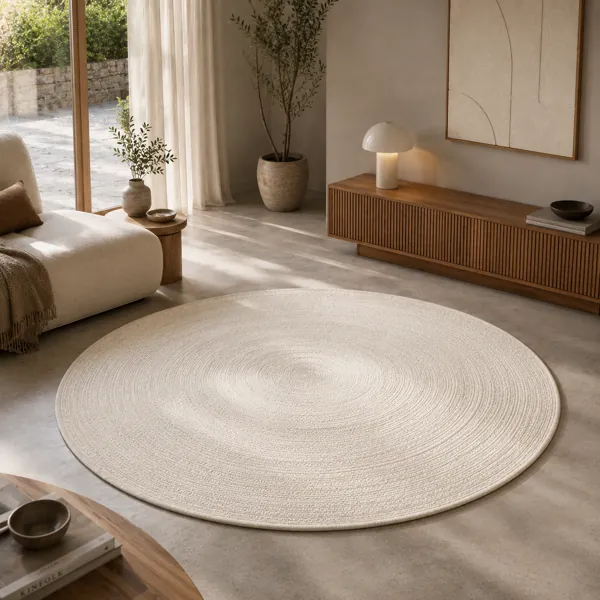
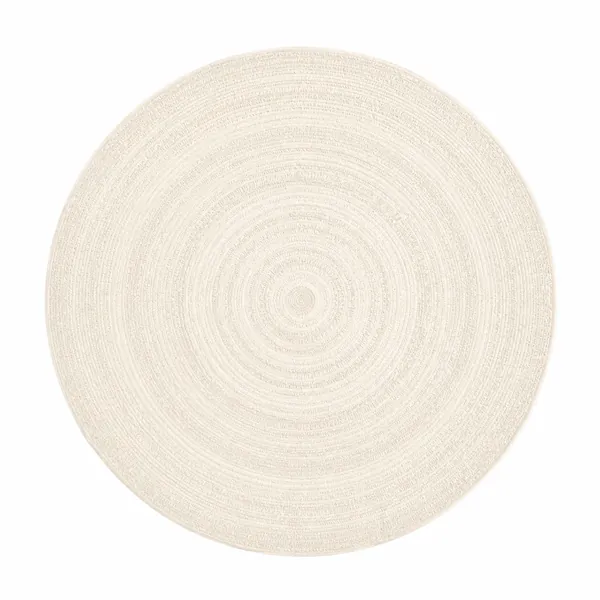
Round Cream Carpet – Concentric Woven Rings
Laruus
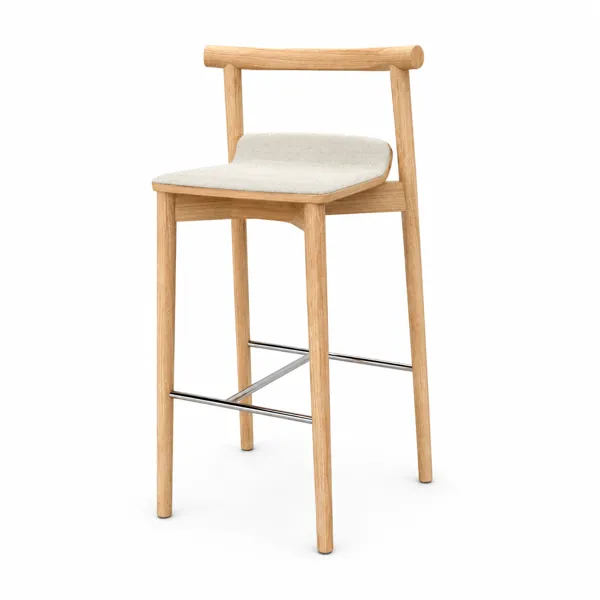
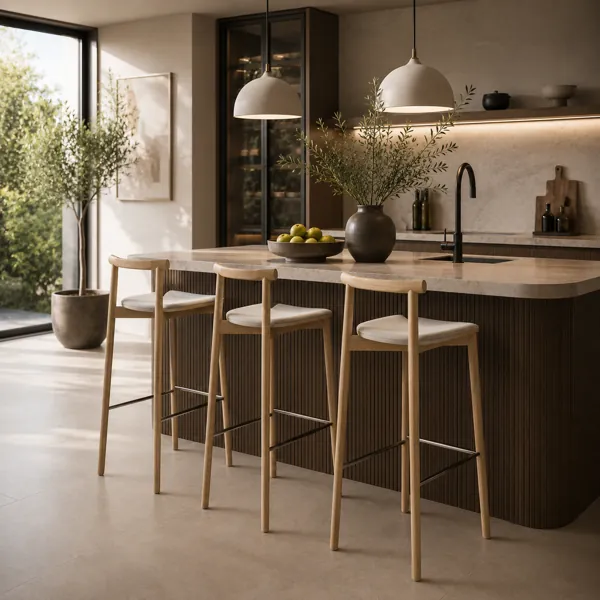
Light Wood Bar Stool – Cream Fabric Seat 3D Model
Laruus
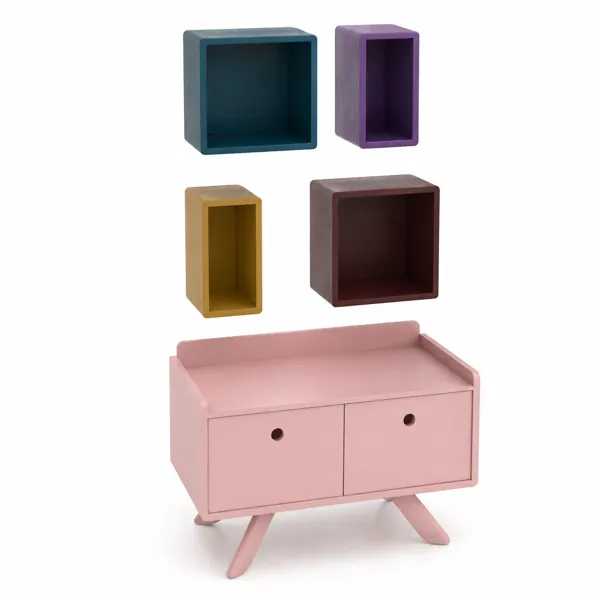
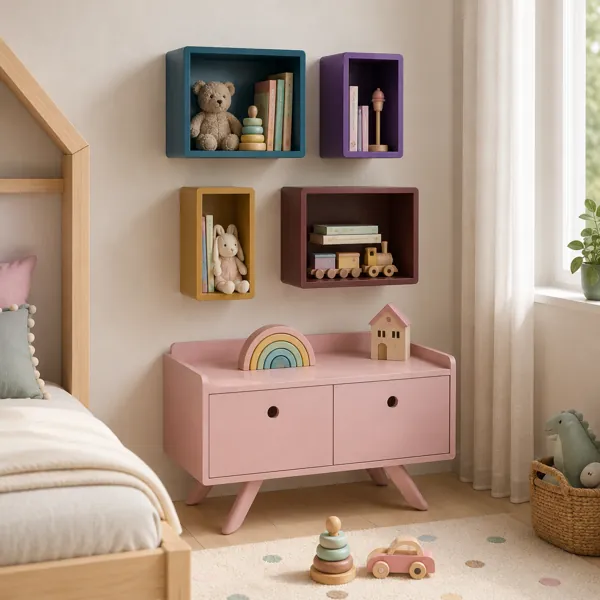
Blush Pink Kids Wardrobe – Color Block Wall Cubes 3D Model
Laruus
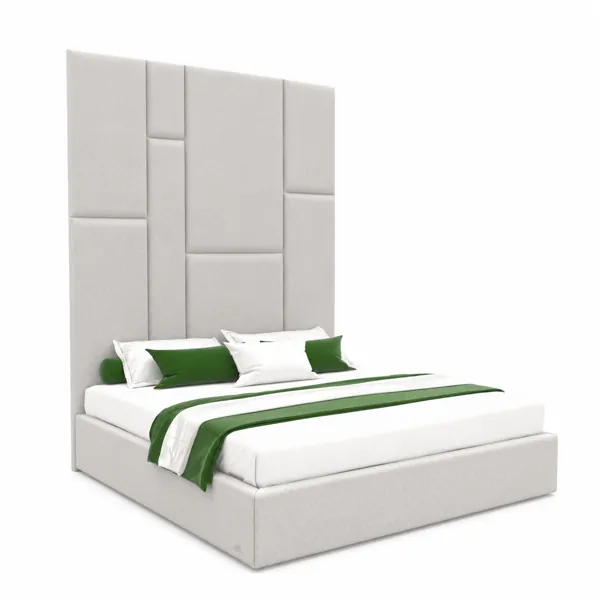
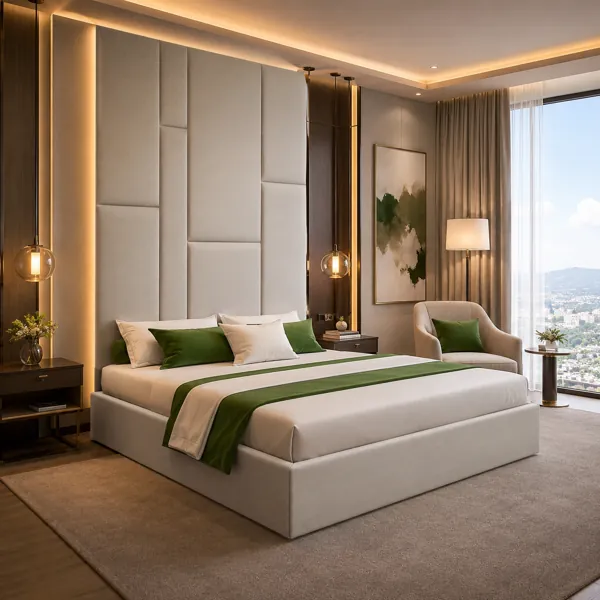
Modern Upholstered Bed – Tall Panel Headboard with Green Accents 3D Model
Laruus