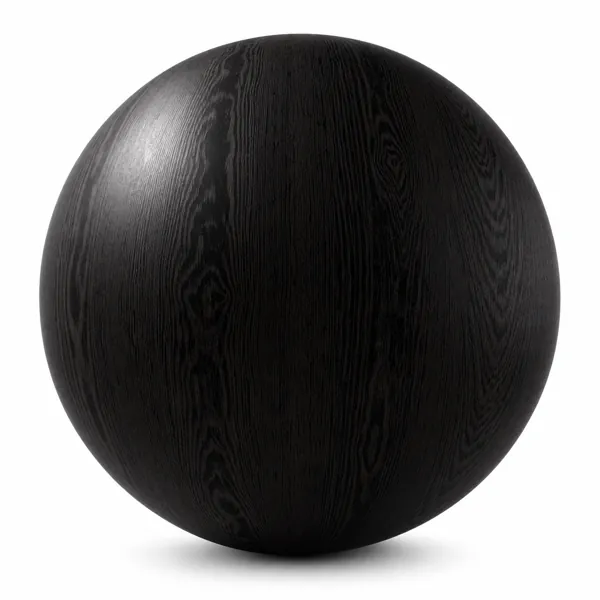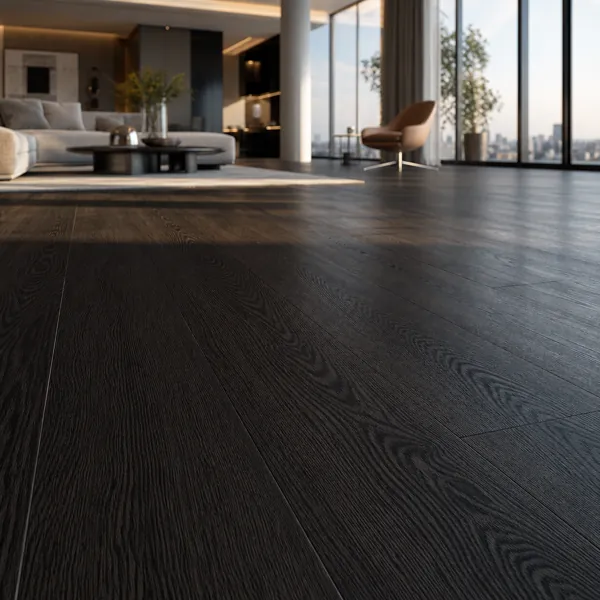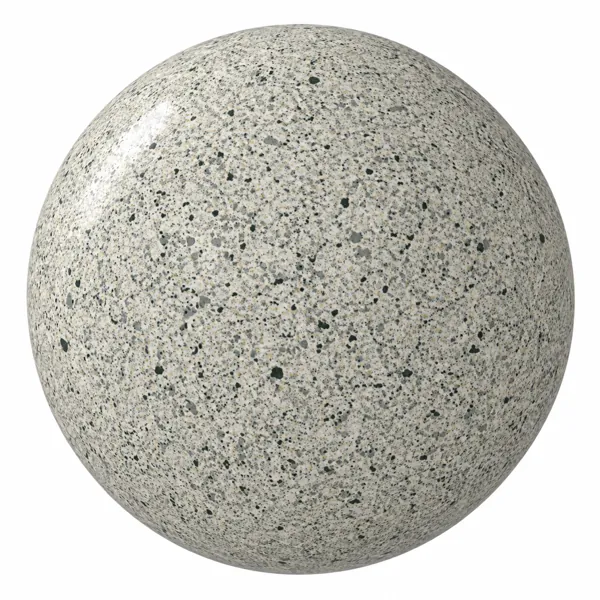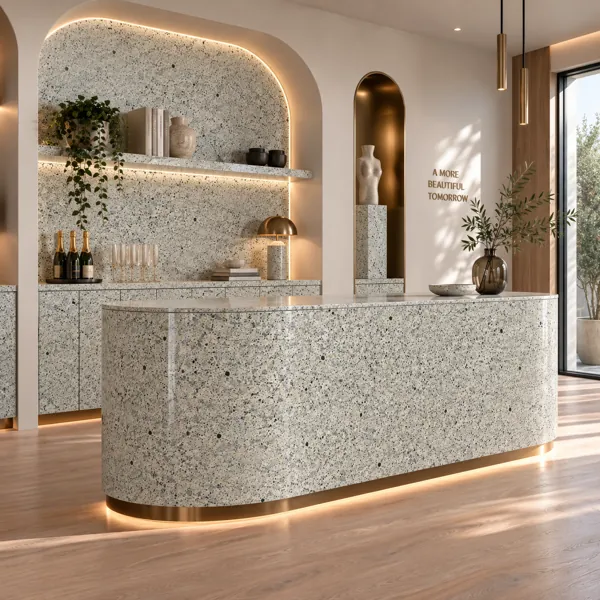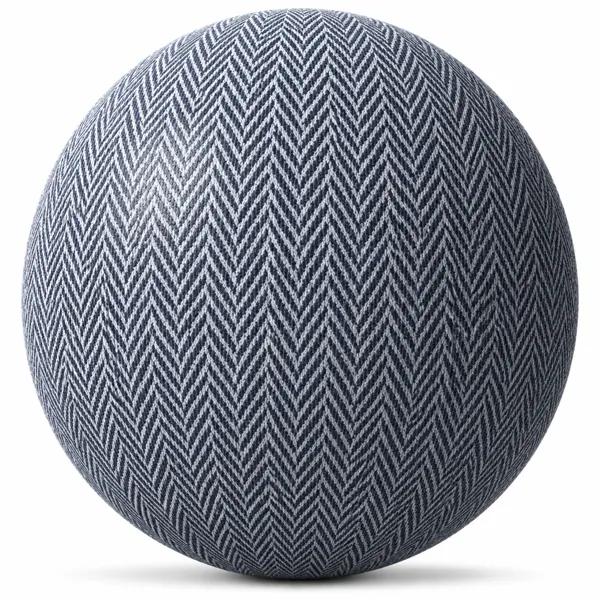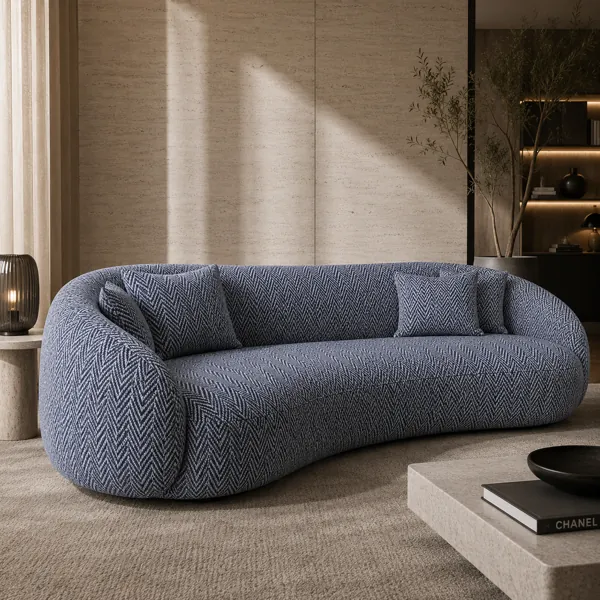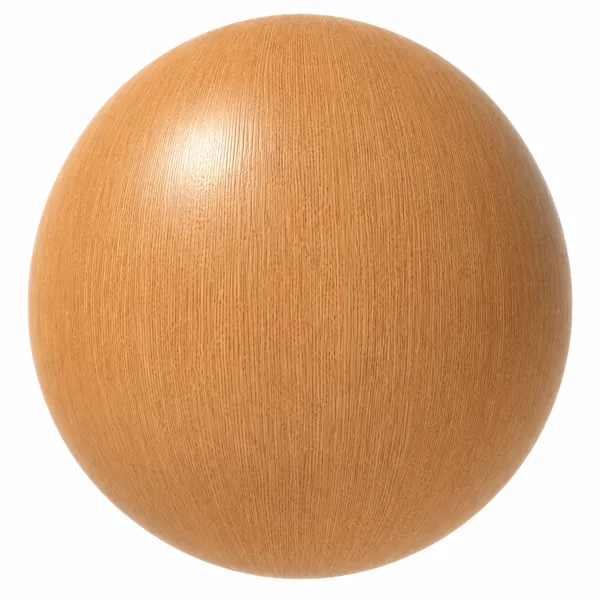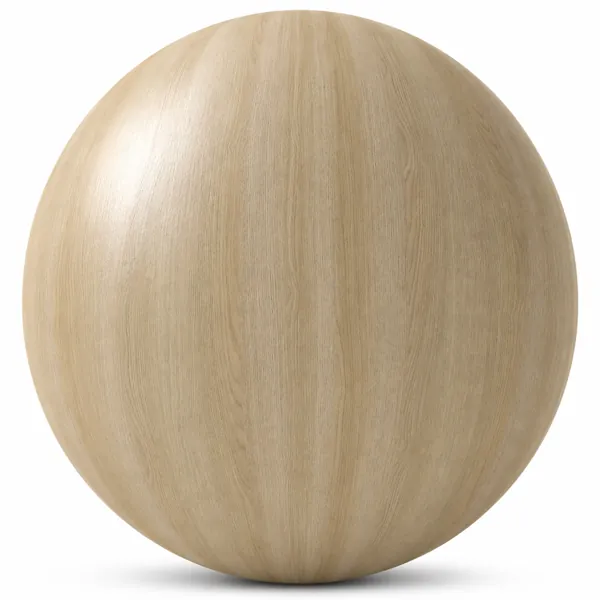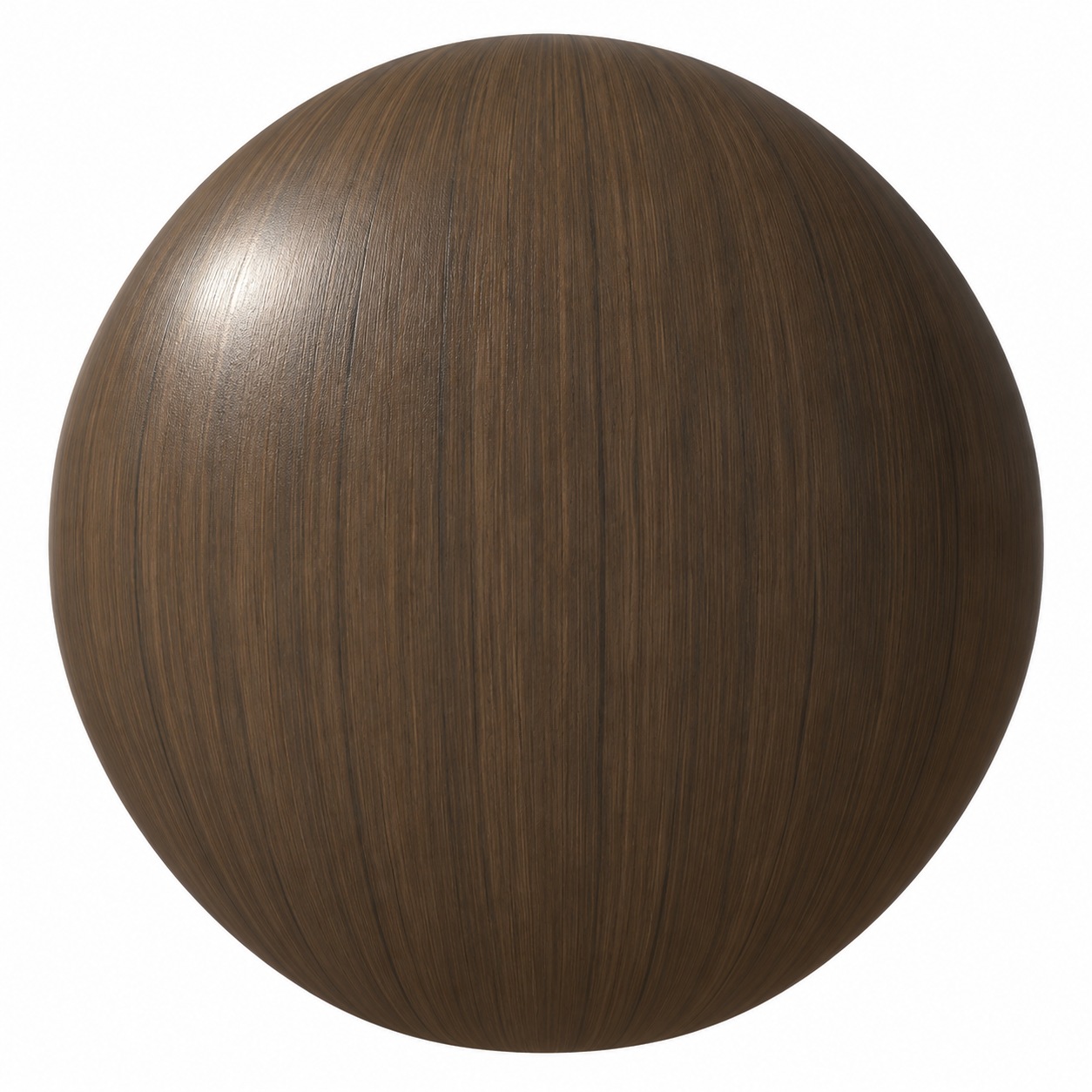
Deep Walnut Brown Dense Vertical Grain Wood Texture
Wood No. 00111
FREE
Specifications
- Brand
- Laruus
- Style
- Modern
- Material
- Wood
- Suitable spaces
- Living Room, Bedroom, Office, Cafe, Commercial, Kitchen, Entrance
- Color
- Brown
- File types
- Albedo MapAlpha MapAO MapBump MapDiffuse Color MapEdge MapEmission MapHeight MapMetallic MapNormal MapPacked Texture MapRoughness Map
Deep Walnut Brown Dense Vertical Grain Wood Texture - High Resolution Seamless PBR Textures
Description
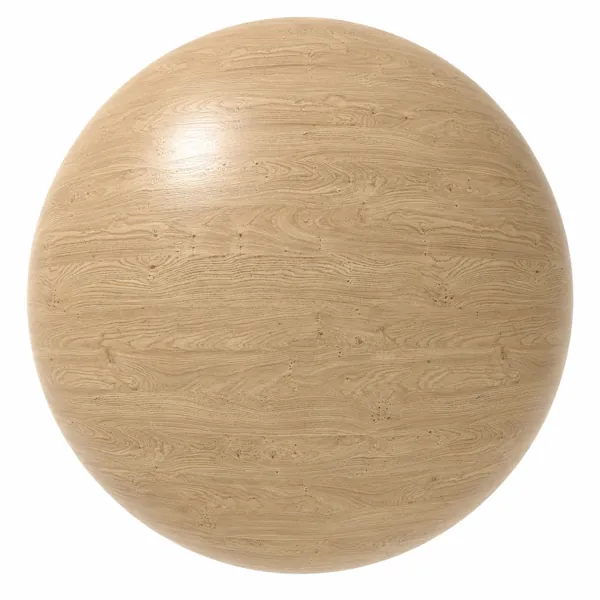
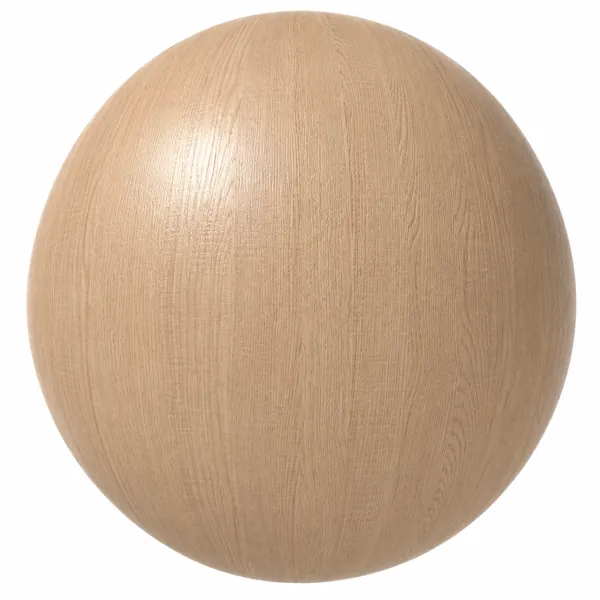
The Deep Walnut Brown Dense Vertical Grain Wood Texture features a dark, warm brown appearance defined by tightly arranged vertical grain lines, narrow charcoal-brown streaks, and subtle variations in earthy wood tones. Its most distinctive characteristic is the dense, almost parallel grain structure that runs continuously from top to bottom, creating a strongly directional yet visually restrained pattern. Medium brown and muted golden-brown fibers alternate with deeper brown markings, producing a layered appearance without prominent knots or dramatic swirling figures. The overall surface feels visually uniform from a distance, while closer inspection reveals numerous fine lines and slight irregularities in the natural grain. This combination makes the texture particularly relevant to modern interiors that favor continuous wood surfaces, understated decorative detail, and darker material palettes. The walnut-brown description refers to the visible color character rather than a verified botanical wood species.
The surface pattern consists of closely spaced longitudinal fibers with subtle differences in width, darkness, and alignment. Thin darker streaks are distributed across a medium-to-deep brown background, while warmer brown highlights appear between the grain lines. Some fibers gently bend or change direction, preventing the texture from appearing mechanically repetitive. Unlike wood surfaces dominated by large knots, cathedral grain, or strongly contrasting growth rings, this pattern emphasizes fine linear continuity. No clearly defined plank joints, large cracks, or pronounced structural interruptions are visible. The image therefore suggests a continuous wood-faced surface suitable for representing veneer-style panels and decorative furniture finishes. The vertical grain may visually emphasize height when applied to wardrobe doors, tall cabinets, and architectural wall panels. However, physical dimensions, actual wood thickness, treatment method, and measurable surface roughness cannot be established from the supplied color image.
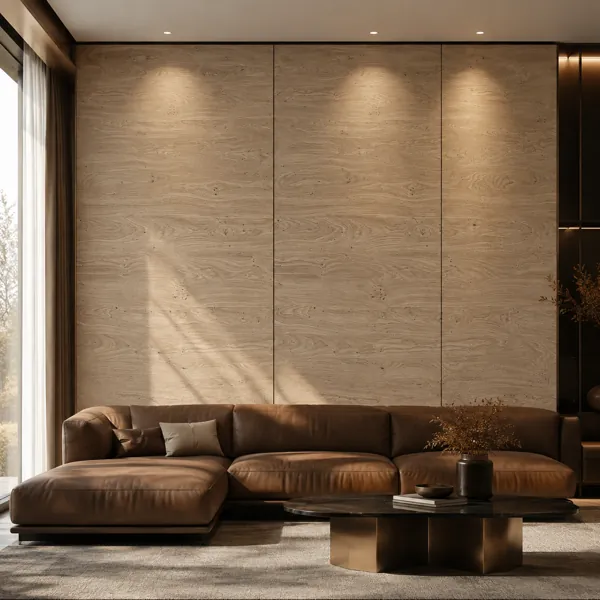
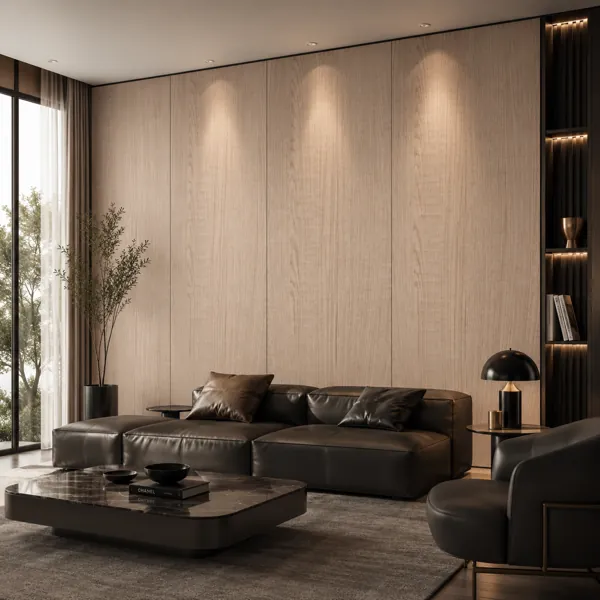
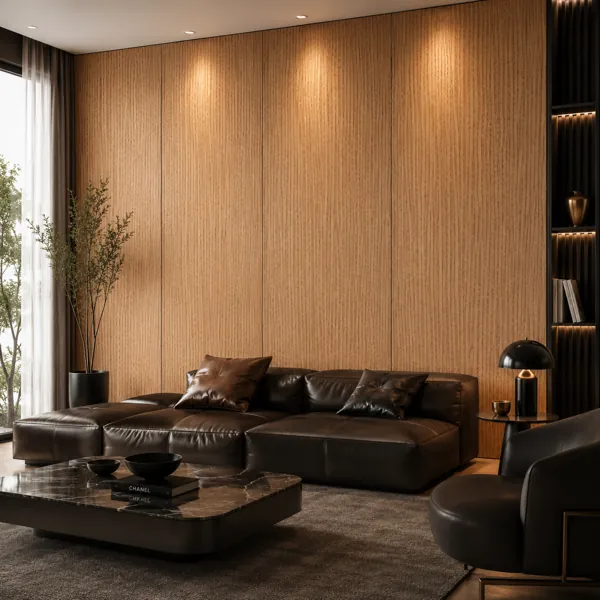
This dark brown wood texture can be used to visualize cabinet fronts, wardrobe systems, interior doors, wall cladding, shelving, desks, reception counters, and decorative furniture components. In living rooms, its fine grain can provide a consistent appearance across media cabinets, feature walls, and built-in storage. Bedroom applications include wardrobe doors, headboard panels, bedside furniture, and integrated cabinetry. In offices, the restrained brown palette works for desks, meeting-room storage, shelving, and reception furniture. Commercial interiors and cafes can incorporate the material into counters, display fixtures, partition surfaces, and custom joinery. Because the grain is visually dense and predominantly straight, it is especially useful for compositions that require multiple adjacent wooden panels to maintain a coherent appearance. Horizontal applications are also possible by adjusting texture orientation to suit the geometry and intended grain direction.
For architectural visualization and CGI, the texture provides a detailed wood color reference for three-dimensional furniture and interior surfaces. In 3ds Max, its diffuse color information can be applied through a compatible material system and controlled with UV Mapping. The closely spaced vertical lines make texture orientation and UV scaling particularly important: inconsistent mapping can cause the grain to appear stretched, compressed, or misaligned between adjacent objects. On tall surfaces, preserving the vertical direction supports the intended linear design. On horizontal components, rotating the UV coordinates can help maintain a believable wood appearance. The dark brown palette can interact differently with warm daylight, neutral artificial lighting, and low-key interior illumination, so material tests should consider the surrounding lighting environment. Seamless repetition cannot be confirmed from the visible image alone and should be tested before extensive tiling.
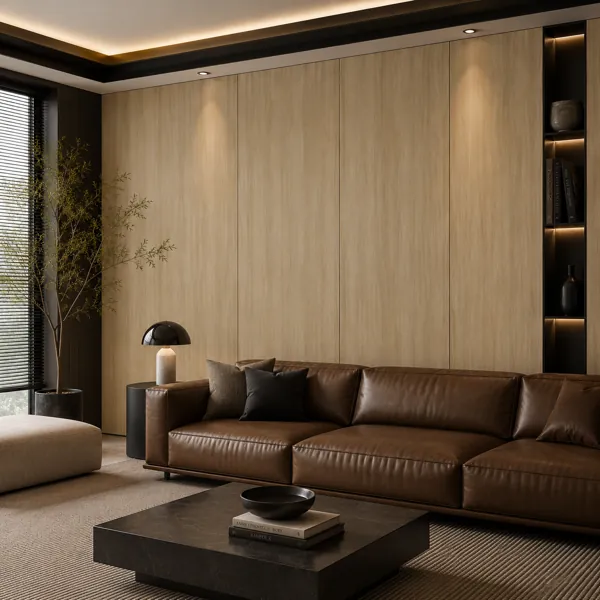
Within contemporary interior design, the deep walnut-brown appearance pairs naturally with beige upholstery, cream walls, warm gray finishes, light stone, black metal, and muted brass-colored accents. Its narrow grain structure introduces visual texture without competing with stronger architectural forms or furniture silhouettes. The darker coloring can help define cabinetry and accent walls against pale surrounding surfaces, while its warm undertones prevent the material from appearing completely neutral or cold. It can also complement minimalist offices, residential interiors, and hospitality environments where dark wood is used to create visual depth. The relatively consistent grain distribution makes it suitable for coordinated furniture collections and repeated panel arrangements. Although the image suggests a visually smooth wood surface, the actual tactile finish, coating, reflectivity, and manufacturing process are not identifiable from the diffuse color information.
The supplied image establishes the texture's deep brown coloring, dense vertical grain, fine dark streaks, and subtle warm tonal variations. It does not independently verify a specific wood species, real-world dimensions, seamless tiling, or physical material measurements. The listed map types are based on the supplied product specifications rather than properties confirmed by examining the single visible image. In a PBR workflow, available and verified normal, bump, height, roughness, and related maps can be combined with the diffuse color information to define surface relief and reflection response. Appropriate roughness values should be selected according to the intended finish rather than inferred solely from the color image. Before final rendering, test the material on representative geometry to evaluate grain scale, UV alignment, lighting response, edge continuity, and possible visible repetition.
Frequently asked questions
Is this texture free?
Yes. You can download it with a free Laruus account. Free textures are limited to 5 downloads per day.
Which software can I use this texture in?
The maps are standard image files, so they work in any renderer with PBR materials, such as Corona or V-Ray in 3ds Max, Blender, SketchUp with V-Ray or Enscape, and Unreal Engine.
What do I get when I download it?
A 44.5 MB download. It was added to Laruus on October 19, 2026.
Which spaces is it suitable for?
It suits Living Room, Bedroom, Office, Cafe, Commercial, Kitchen, and Entrance projects. Style: Modern.
Are there 3D models that use this material?
Yes. Laruus has 3D models in the same material:
- Wood — 200Browse Armchairs (29)