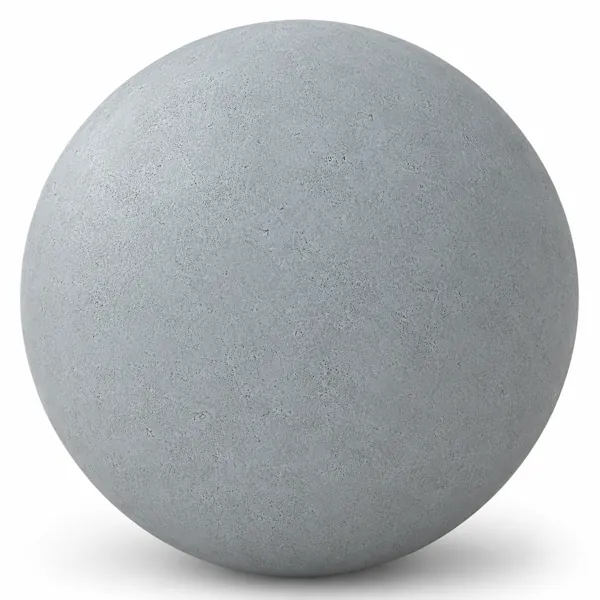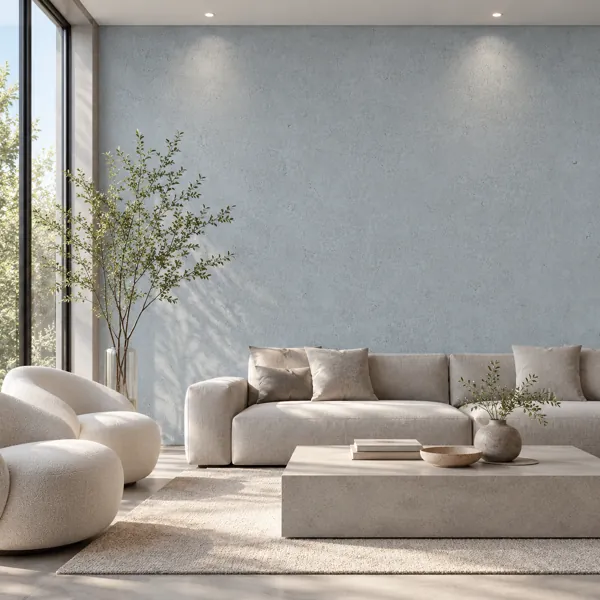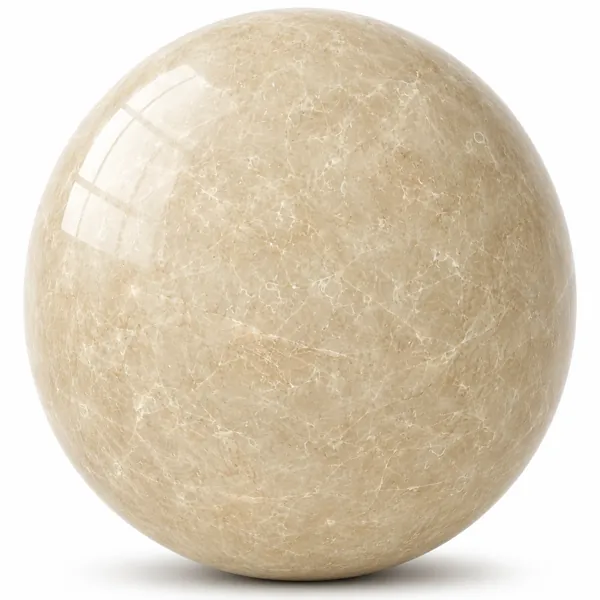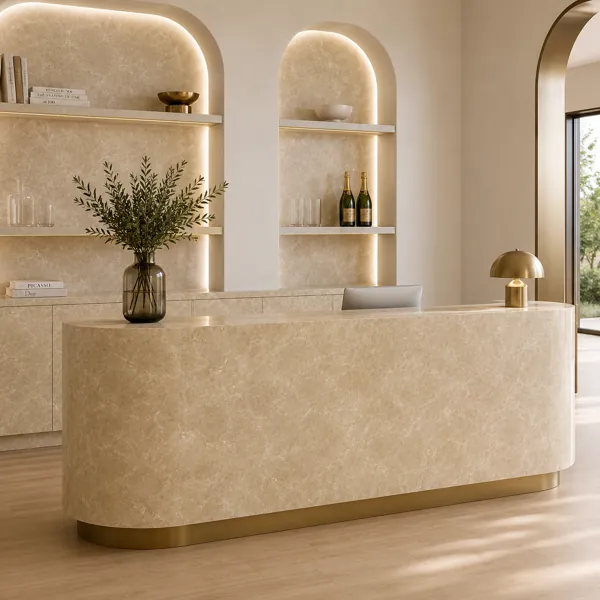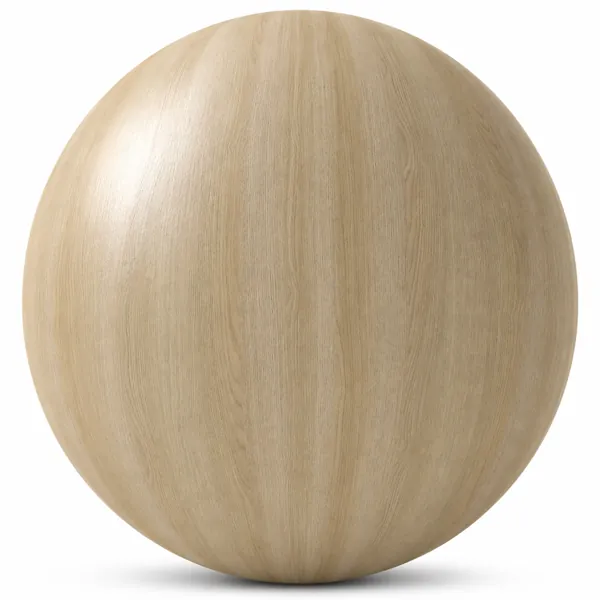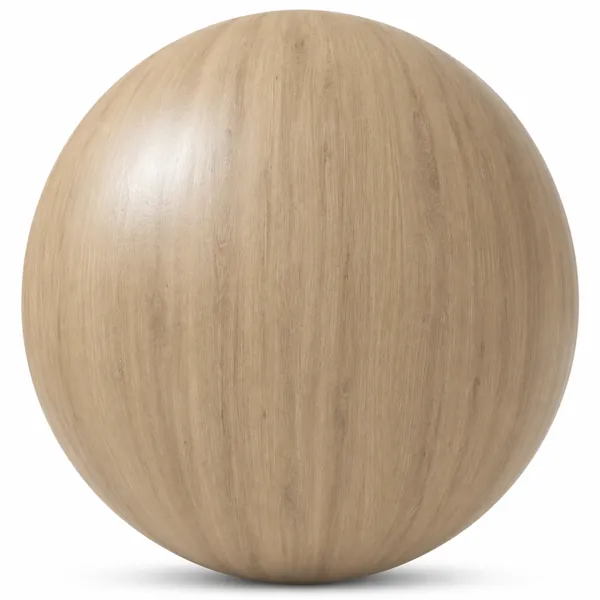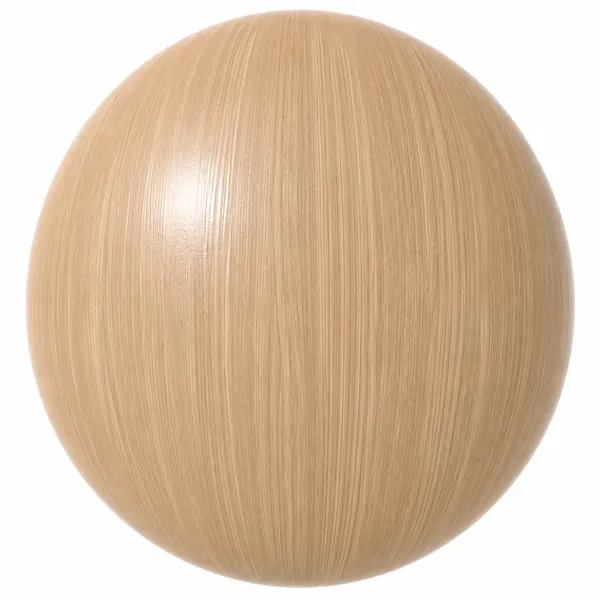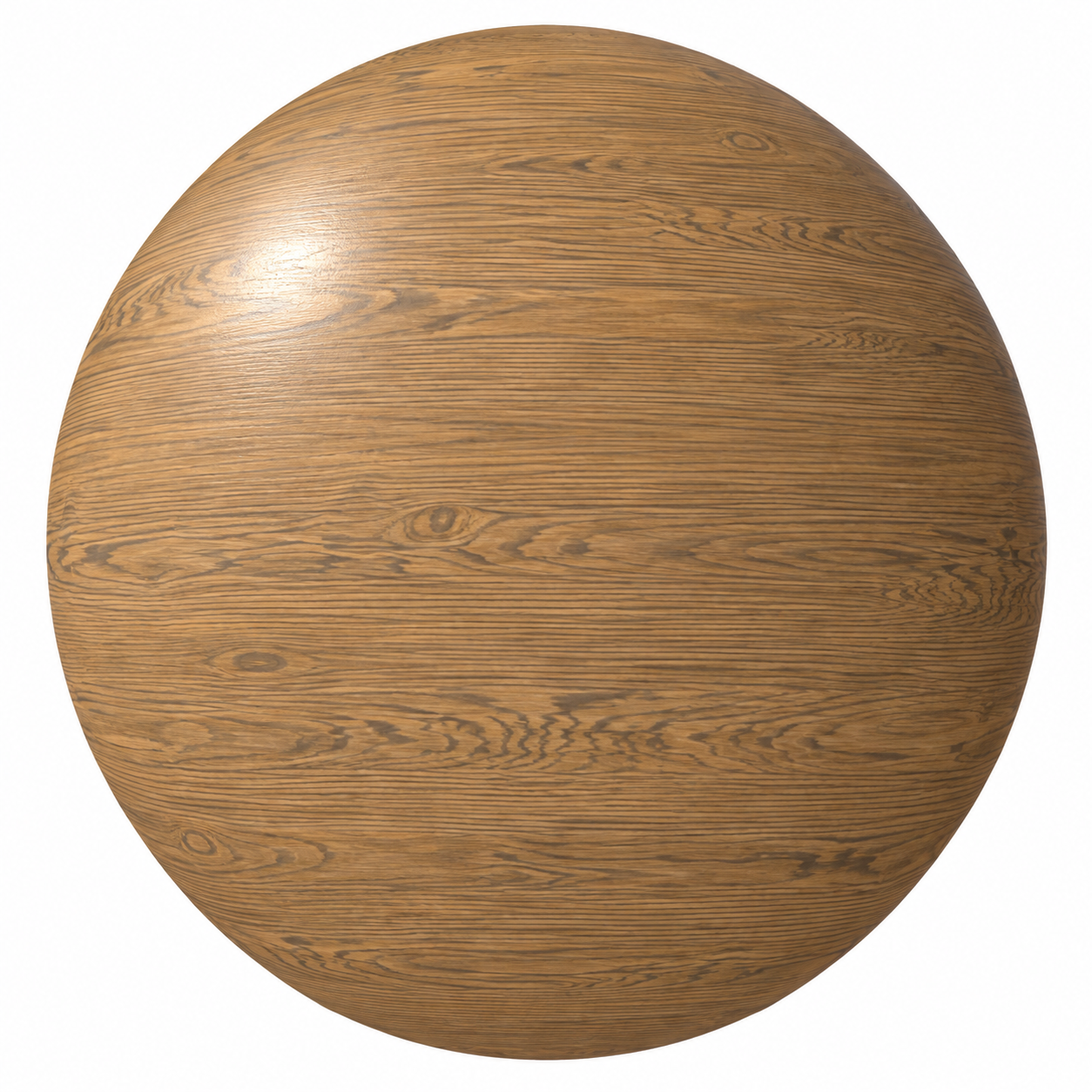
Warm Golden Tan Horizontal Fine Grain Wood Texture
Wood No. 00122
FREE
Specifications
- Brand
- Laruus
- Style
- Modern
- Material
- Wood
- Suitable spaces
- Living Room, Bedroom, Office, Cafe, Commercial, Kitchen, Entrance, Childroom
- Color
- BrownBeige
- File types
- Albedo MapAlpha MapAO MapBump MapDiffuse Color MapEdge MapEmission MapHeight MapMetallic MapNormal MapPacked Texture MapRoughness Map
Warm Golden Tan Horizontal Fine Grain Wood Texture - High Resolution Seamless PBR Textures
Description
The Warm Golden Tan Horizontal Fine Grain Wood Texture features a distinctive wood appearance defined by closely spaced horizontal grain lines, a warm golden tan background, and elongated cathedral-shaped figures. The surface combines fine linear markings with gently curved grain formations that create natural movement across the image. Subtle grayish brown streaks contrast with the lighter golden brown base, emphasizing the layered appearance of the wood pattern. Small knot-like details and occasional oval grain formations add visual variation without dominating the composition. The overall color palette remains relatively consistent, making the texture suitable for contemporary furniture concepts, decorative architectural surfaces, and interior visualization. Its recognizable combination of narrow horizontal lines and sweeping grain figures provides a more specific visual identity than a generic light brown wood material. Although the grain resembles patterns found in several commercial hardwoods, the exact botanical species cannot be reliably determined from the image alone.
The visible structure is characterized by long, predominantly parallel grain lines extending horizontally across the entire image. These narrow lines occasionally bend around darker oval formations and broaden into flowing cathedral patterns. The resulting surface displays a combination of linear regularity and organic variation. Warm tan and muted golden brown tones form the primary background, while slightly darker brown and grayish accents define individual grain boundaries. The pattern also contains subtle transitions between areas of dense, closely packed lines and wider, more open grain figures. This variation gives the material a convincing decorative wood appearance when used at an appropriate scale. However, the image does not establish whether the original surface represents solid wood, natural veneer, engineered timber, or a digitally composed arrangement. Its physical thickness, exact grain dimensions, protective finish, and measurable surface relief cannot be identified from the diffuse image. Any interpretation of gloss or roughness requires additional material information.
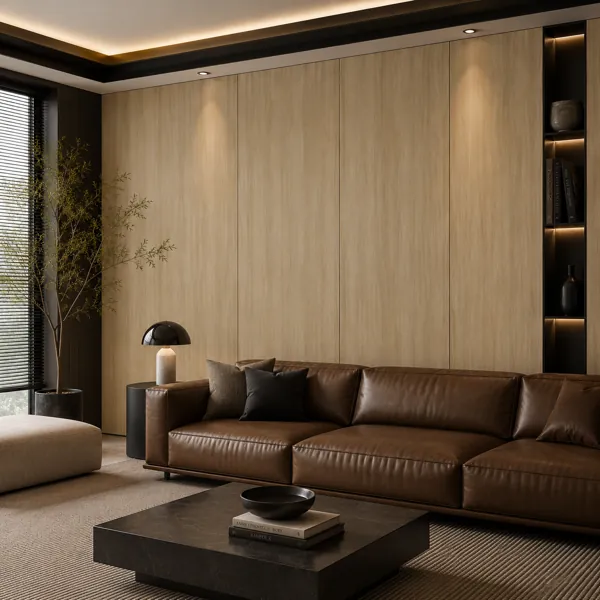
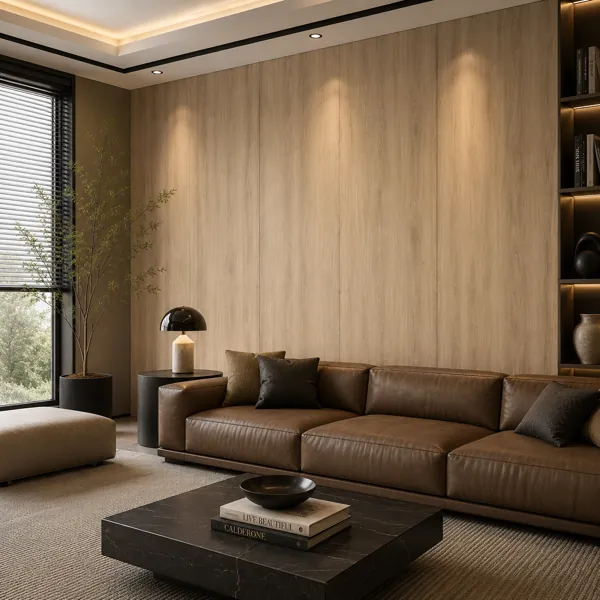
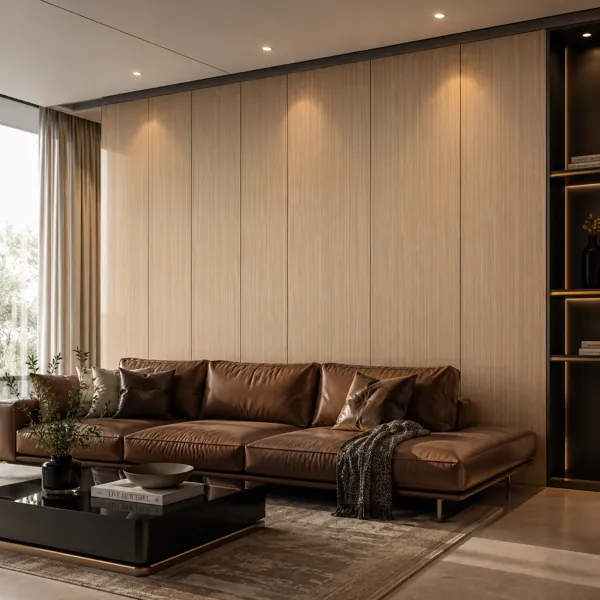
In furniture and interior design, this golden tan wood appearance is particularly suitable for visualizing cabinet fronts, shelving systems, tables, desks, wardrobe doors, decorative wall panels, and built-in storage. The horizontal orientation can reinforce the width of furniture elements and architectural surfaces, making it useful for long reception counters, entertainment units, and wide cabinet arrangements. Living rooms can incorporate comparable wood finishes alongside cream upholstery, light stone, and restrained metal accents. Bedrooms may use the pattern on wardrobes, headboards, and bedside furniture to create a warm and cohesive atmosphere. In kitchens, similar wood appearances can be explored for cabinet doors, islands, and integrated storage. Offices, cafes, and commercial environments can also use this type of wood pattern in visual concepts for furniture, wall features, and display installations. These are potential design applications rather than claims about the physical performance of a manufactured product.
For architectural visualization and CGI workflows, the texture offers a useful color reference for creating golden brown wood materials in 3ds Max and other compatible 3D applications. The diffuse or albedo image can be connected to a material shader and positioned using UV Mapping. Because the grain direction is predominantly horizontal, careful UV orientation is important when applying the texture to vertical cabinet doors, wall panels, or narrow furniture components. Rotating the image may be necessary to reproduce a realistic grain direction. The elongated cathedral figures should be scaled according to the dimensions of the modeled surface so that the pattern remains visually proportionate. Large architectural applications may reveal repeated motifs, particularly around the more recognizable curved formations. Seamless tiling cannot be confirmed from the supplied preview alone, so the image edges should be tested before repeated application across large surfaces.
Within modern interior compositions, the golden tan palette introduces natural warmth while maintaining a relatively light and balanced appearance. The fine horizontal grain can complement minimalist furniture silhouettes and simple architectural geometry, while the curved figures add subtle decorative character. This combination works well with beige fabrics, off-white walls, charcoal details, brushed metal, and pale stone surfaces. On horizontal furniture elements, the grain can visually emphasize length and continuity. On vertical surfaces, rotating the texture can help create a taller visual rhythm. The material can also serve as a contrasting warm element within interiors dominated by cooler finishes. Lighting, material reflectivity, and surrounding colors will influence the perceived warmth and contrast of the wood pattern in the final visualization.
The supplied image confirms a warm golden tan color, fine horizontal grain, elongated cathedral-like figures, and scattered small knot-like markings. It does not independently verify wood species, physical dimensions, surface treatment, or seamless repetition. The listed Albedo, Alpha, AO, Bump, Diffuse Color, Edge, Emission, Height, Metallic, Normal, Packed Texture, and Roughness maps reflect the provided product specifications, but their individual contents cannot be validated from this single color preview. In a PBR workflow, available and verified maps can be connected to the appropriate shader channels to control surface color, relief, reflectivity, and roughness. These parameters should be adjusted according to the intended material appearance rather than assumed from the diffuse image. Before final rendering, check UV orientation, grain scale, texture repetition, edge continuity, and the material response under the selected lighting setup.
Frequently asked questions
Is this texture free?
Yes. You can download it with a free Laruus account. Free textures are limited to 5 downloads per day.
Which software can I use this texture in?
The maps are standard image files, so they work in any renderer with PBR materials, such as Corona or V-Ray in 3ds Max, Blender, SketchUp with V-Ray or Enscape, and Unreal Engine.
What do I get when I download it?
A 65.4 MB download. It was added to Laruus on October 21, 2026.
Which spaces is it suitable for?
It suits Living Room, Bedroom, Office, Cafe, Commercial, Kitchen, Entrance, and Childroom projects. Style: Modern.
Are there 3D models that use this material?
Yes. Laruus has 3D models in the same material:
- Wood — 205Browse Armchairs (29)